

Optimizing Your Ocean Freight Rates from China: A Comprehensive Guide
Navigating the complexities of international shipping can be daunting, especially when sourcing goods from China. Understanding current ocean freight rates from China is crucial for managing your supply chain and optimizing costs. This guide will demystify the factors influencing these rates, helping you make informed decisions for your import-export business.
1. Understanding Ocean Freight Rates from China
Ocean freight rates from China are dynamic, influenced by a multitude of global and local factors. These rates represent the cost of transporting goods via sea, encompassing everything from port-to-port charges to various surcharges. Consequently, businesses must stay informed about current logistics trends and market fluctuations to accurately forecast shipping costs.
Typically, these rates fluctuate based on supply and demand, fuel prices, and geopolitical events. Therefore, gaining insight into the basic components of ocean freight pricing is essential for any importer. Moreover, understanding these elements allows for better budget planning and negotiation strategies.
| Factor | Description | Impact on Rates |
|---|---|---|
| Fuel Prices | Bunker Adjustment Factor (BAF) directly reflects oil costs. | Higher fuel costs increase BAF, raising overall rates. |
| Seasonality | Peak seasons (e.g., pre-holiday rushes) see increased demand. | Demand surges lead to higher prices and reduced space availability. |
| Container Availability | Shortages or surpluses of shipping containers. | Scarcity drives up container rental and shipping costs. |
| Trade Imbalances | Uneven flow of goods between countries. | Empty container repositioning costs can be passed to shippers. |
| Port Congestion | Delays at busy ports due to high traffic or labor issues. | Increases transit time, leading to demurrage and detention charges. |

2. Key Factors Affecting Ocean Freight Costs
Several critical elements dictate the final ocean freight rates from China. Firstly, the volume and type of cargo significantly impact whether you opt for Full Container Load (FCL) or Less than Container Load (LCL) shipping. Each method carries different pricing structures and advantages.
Secondly, the specific shipping route and destination port play a substantial role. Longer distances or less common routes often incur higher costs. Additionally, various surcharges and port charges China shipping contribute to the overall expenditure, which must be carefully accounted for when comparing ocean freight quotes.
FCL vs. LCL: Which is Right for Your Cargo?
FCL involves reserving an entire container exclusively for your goods. This option is generally more cost-effective for larger shipments, as the per-unit cost decreases significantly. Moreover, FCL offers faster transit times and reduced handling risks.
Conversely, LCL ocean freight China means your goods share container space with other shippers’ cargo. This is ideal for smaller volumes that don’t fill an entire container. However, LCL shipments may experience longer transit times due to consolidation and deconsolidation processes, and the per-unit cost can be higher.
Understanding Port Charges and Surcharges
Beyond the base freight rate, numerous additional fees can influence your China ocean shipping costs. These include terminal handling charges (THC) at both origin and destination ports, which cover the movement of containers within the port. Furthermore, fuel surcharges (BAF) and currency adjustment factors (CAF) are common variable costs.
Other potential charges might include customs clearance China ocean freight fees, documentation fees, and security surcharges. Therefore, a comprehensive understanding of these potential additions is vital to avoid unexpected expenses and to accurately calculate the total shipping containers from China cost.
3. How to Calculate and Compare Ocean Freight Quotes
Accurately calculating and comparing ocean freight rates from China requires attention to detail. When requesting quotes, ensure you provide precise information about your cargo, including dimensions, weight, and commodity type. This helps freight forwarders provide the most accurate pricing, preventing discrepancies later on.
Always scrutinize quotes for hidden fees or vague terminology. Look for a breakdown of all charges, such as origin charges, ocean freight, destination charges, and any applicable surcharges. Comparing multiple quotes from different providers is a prudent strategy to find the most competitive average ocean freight rates China offers.
The Role of a Reliable China Freight Forwarder
Partnering with a reliable China freight forwarder is paramount for navigating the complexities of international shipping. An experienced forwarder can provide invaluable insights into current market rates, optimize your shipping routes, and handle all necessary documentation, including the bill of lading. They are instrumental in managing customs clearance and ensuring compliance with ocean freight regulations China.
A good freight forwarder can also offer consolidated shipping options, potentially reducing your LCL ocean freight China costs. Furthermore, they provide expertise in freight insurance China, protecting your cargo against unforeseen events. Their extensive network and knowledge are key to securing the cheapest ocean freight China options that don’t compromise on service quality.

4. Strategies for Securing the Best Ocean Freight Rates
To consistently secure favorable ocean freight rates from China, strategic planning and proactive measures are essential. Booking well in advance, especially during peak seasons, can help avoid last-minute surcharges and ensure space availability. Moreover, consider flexible delivery schedule options if possible, as off-peak timings often yield better rates.
Negotiating long-term contracts with ocean carriers or freight forwarders can also stabilize your shipping costs. This approach provides predictability and can offer volume discounts, benefiting your overall supply chain management. Regularly reviewing and optimizing your shipping strategy is crucial for ongoing cost efficiency.
| Strategy | Description | Benefit |
|---|---|---|
| Book in Advance | Secure space and rates ahead of peak seasons. | Avoids premium charges and ensures timely shipment. |
| Consolidate Shipments | Combine smaller orders into larger LCL or FCL shipments. | Reduces per-unit cost and administrative overhead. |
| Negotiate Contracts | Establish long-term agreements with carriers or forwarders. | Provides stable pricing and potential volume discounts. |
| Be Flexible with Transit Times | Opt for slightly longer transit times China to US ocean freight if cost is primary. | Allows access to more economical shipping options. |
| Utilize a Freight Forwarder | Leverage their expertise and network for better rates. | Access to competitive pricing and streamlined logistics. |
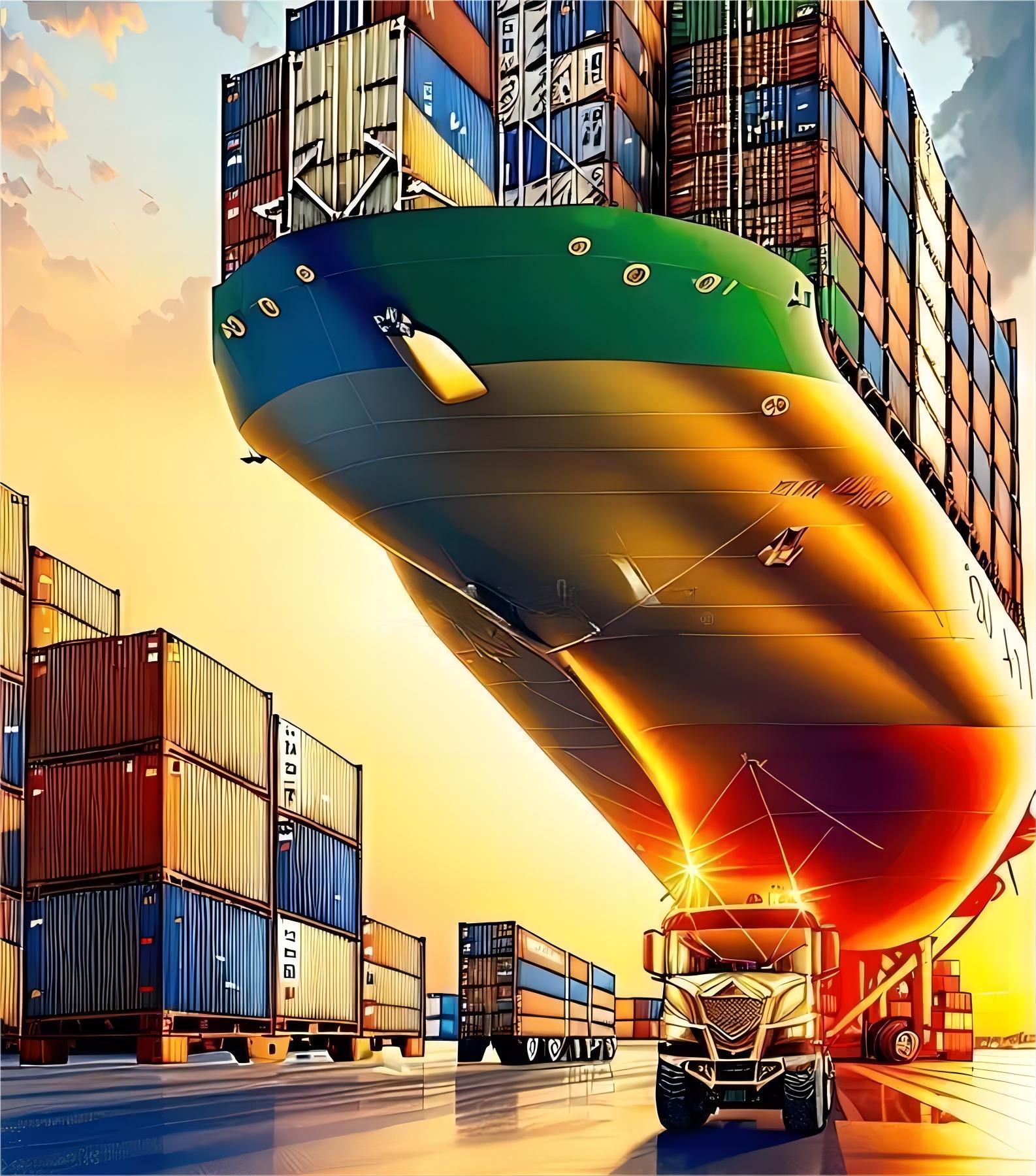
Navigating Ocean Freight Rates from China for Smarter Logistics
Effectively managing ocean freight rates from China is a cornerstone of successful international trade. By understanding the myriad factors influencing these costs, from fuel surcharges to seasonality, businesses can make more informed decisions. Proactive planning, strategic partnerships, and diligent comparison of options are vital.
Ultimately, optimizing your China ocean shipping costs requires a comprehensive approach. Partnering with a knowledgeable and reliable China freight forwarder, such as China Top Freight, can significantly enhance your ability to secure favorable rates and ensure a smooth, efficient supply chain for all your import/export needs.
Start Your Shipment
When seeking the most competitive ocean freight rates from China, partnering with an experienced forwarder is paramount. Contact China Top Freight today to receive a personalized quote and streamline your shipping process, ensuring both efficiency and cost-effectiveness for your cargo.
Request Quote