

Freight Forwarder China to Australia: Seamless Shipping Solutions
Shipping goods from China to Australia can be a complex process, yet it is essential for many businesses. Finding a reliable freight forwarder China to Australia is therefore crucial for efficient logistics. This comprehensive guide explores key considerations, shipping methods, and expert tips to ensure your cargo arrives safely and on time.

What is a Freight Forwarder and Why Do You Need One for China to Australia?
A freight forwarder acts as an intermediary, consequently simplifying the intricate process of international shipping. They manage the logistics of moving goods from one point to another, particularly across borders.
For shipments from China to Australia, a freight forwarder handles all aspects of the journey. This includes booking cargo space, preparing documentation, managing customs clearance, and arranging local delivery. Therefore, their expertise is invaluable for smooth operations.
Working with an experienced freight forwarder ensures compliance with both Chinese export and Australian import regulations. Moreover, they often secure better freight rates due to their volume, ultimately saving you time and money. This makes them an indispensable partner for your shipping from China to Australia needs.
Key Factors When Choosing a Freight Forwarder China to Australia
Selecting the right freight forwarder is paramount for successful international trade. Several critical factors warrant careful consideration before making your decision.
Firstly, assess their experience and reputation in the China-Australia corridor. A proven track record indicates reliability and an understanding of specific route challenges. Furthermore, check their network of agents and partners in both countries.
Secondly, consider their range of services. Do they offer comprehensive solutions, including customs brokerage, warehousing, and cargo insurance? A full-service provider can streamline your supply chain significantly. Additionally, transparent communication and tracking capabilities are essential for peace of mind.
Finally, evaluate their customer support and responsiveness. Effective communication is vital for resolving issues quickly and keeping you informed about your shipment’s status. Ultimately, a proactive and supportive partner reduces potential stress.
Shipping Methods: Sea Freight vs. Air Freight
When transporting goods from China to Australia, your primary options are sea freight and air freight. Each method offers distinct advantages and disadvantages, catering to different business needs and cargo types. Therefore, understanding these differences is crucial for making an informed decision.
| Feature | Sea Freight | Air Freight |
|---|---|---|
| Cost | Low (per kg/CBM) | High (per kg/CBM) |
| Transit Time | 12-18 days | 3-7 days |
| Best For | Large, heavy, non-urgent cargo | Urgent, high-value, perishable cargo |
| Carbon Footprint | Lower | Higher |
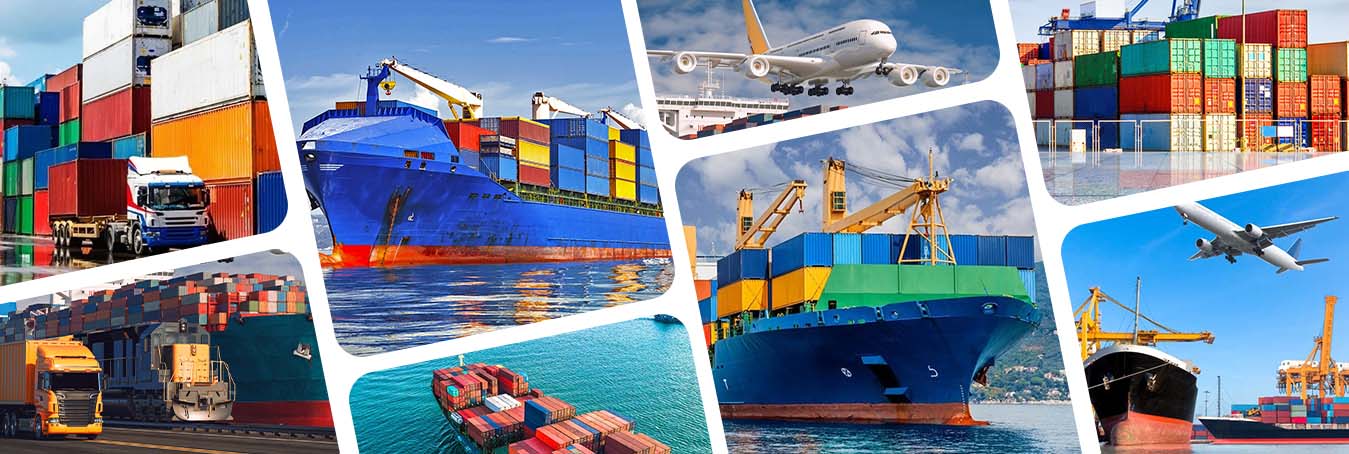
Sea Freight
Sea freight is generally the most cost-effective option for large volumes and heavy shipments. It is ideal for non-urgent goods, bulk commodities, and oversized cargo. However, transit times are considerably longer compared to air freight.
Full Container Load (FCL) involves using an entire container exclusively for your goods. Conversely, Less than Container Load (LCL) allows you to share container space with other shippers. LCL is often more economical for smaller shipments, albeit with potentially longer transit times due to consolidation.
Air Freight
Air freight offers significantly faster transit times, making it suitable for time-sensitive, high-value, or perishable goods. While faster, it is also substantially more expensive than sea freight. Consequently, it is typically reserved for urgent deliveries or smaller, lighter consignments.
Despite the higher cost, air freight can reduce inventory holding costs and accelerate market entry for new products. Therefore, for businesses prioritizing speed, air freight presents a compelling solution. It also often comes with enhanced security measures.
Understanding Shipping Costs and Transit Times
Shipping costs and transit times are dynamic, fluctuating based on numerous factors. Understanding these variables helps you budget effectively and plan your supply chain efficiently. Moreover, obtaining accurate quotes from your freight forwarder is always recommended.
Cost Factors
Several elements contribute to the overall shipping cost from China to Australia. These include the chosen shipping method (sea vs. air), the cargo’s volume and weight, and the specific origin and destination ports. Additionally, fuel surcharges, port handling fees, and customs duties significantly impact the final price.
Market conditions, such as peak seasons or global events, also influence freight rates. For instance, rates typically increase 15-25% during August-October due to holiday demand. Therefore, planning ahead can lead to considerable savings. Note: Freight rates are subject to change based on fuel costs, carrier capacity, and seasonal demand. Contact us for a current quote tailored to your specific shipment.
Transit Time Factors
Transit times are similarly affected by various factors. The shipping method is the most significant, with air freight being much faster than sea freight. Direct routes offer quicker transit compared to services involving transshipment through intermediary ports. Port congestion, weather conditions, and customs clearance efficiency also play a crucial role.
For example, major ports like Shanghai or Shenzhen often have more frequent sailings, potentially reducing waiting times. Conversely, smaller ports might have less frequent departures. Consequently, choosing a reliable carrier and forwarder can help mitigate delays.
Typical Transit Times China to Australia (Sea Freight)
Below is an overview of typical sea freight transit times from major Chinese ports to key Australian destinations. These are estimates and can vary based on carrier and service route.
| Origin Port (China) | Destination Port (Australia) | FCL Transit Time (Days) | LCL Transit Time (Days) |
|---|---|---|---|
| Shanghai | Sydney | 14-18 | 18-25 |
| Ningbo | Melbourne | 16-20 | 20-28 |
| Shenzhen | Brisbane | 12-16 | 16-24 |
| Qingdao | Fremantle | 18-22 | 22-30 |
Customs Clearance and Documentation
Navigating customs procedures is often one of the most challenging aspects of international shipping. Both China and Australia have strict regulations that must be adhered to. Therefore, proper documentation is absolutely essential for smooth clearance.
Your freight forwarder will assist with preparing and submitting all necessary documents. This includes the commercial invoice, packing list, bill of lading or air waybill, and various permits or certificates. Incorrect or incomplete documentation can lead to significant delays and penalties.
Australian customs require accurate product descriptions, tariff codes, and declared values. Additionally, certain goods may be subject to specific import restrictions or quarantine requirements. Consequently, having an experienced customs brokerage partner is critical for compliance and efficiency.
How Does Sea Freight Compare to Other Shipping Options?
While sea freight is a cornerstone for China-Australia shipping, it is imperative to understand its position relative to other available logistics solutions. Each option serves different operational needs and budgetary constraints. Consequently, a comprehensive comparison aids in strategic decision-making.
FCL vs. LCL: Which is Right for Your Cargo?
Choosing between Full Container Load (FCL) and Less than Container Load (LCL) largely depends on your shipment’s volume. FCL is generally more cost-effective for shipments exceeding 15-20 CBM, as you pay for the entire container. It also typically offers faster transit times and less handling.
Conversely, LCL is ideal for smaller shipments, where your goods share container space. While more economical for lower volumes, LCL might involve more handling and longer transit due to consolidation and deconsolidation processes. Weighing these trade-offs is crucial for optimizing costs and delivery schedules.
Express Shipping for Urgent Deliveries
For extremely time-sensitive consignments, express service provides the fastest door-to-door delivery. This premium service utilizes integrated air freight networks and expedited customs clearance. Therefore, it is invaluable for samples, prototypes, or urgent spare parts.
However, the cost per kilogram for express shipping is significantly higher than standard air freight or sea freight. Businesses must carefully balance the urgency against the increased expenditure. Often, a small package can incur substantial costs if shipped via express.
Comprehensive Shipping Method Comparison
Here is a detailed comparison of the primary shipping methods available from China to Australia, outlining their typical characteristics. This helps businesses identify the best fit for their specific cargo and operational requirements.
| Shipping Method | Cost Range (Approx.) | Transit Time (Approx.) | Best For | Limitations |
|---|---|---|---|---|
| FCL Sea Freight (40HQ) | $1,400-2,000 | 14-18 days port-to-port | Large volumes, bulk goods, cost-sensitive | Longer transit, port congestion risk |
| LCL Sea Freight | $50-80/CBM + fees | 18-28 days port-to-port | Smaller volumes (1-15 CBM), non-urgent | More handling, potential delays due to consolidation |
| Air Freight | $4-8/kg | 3-7 days door-to-door | Time-sensitive, high-value, lighter cargo | High cost, weight/size restrictions |
| Express Service | $8-15/kg | 2-4 days door-to-door | Very urgent, documents, samples | Very high cost, strict weight/size limits |

Decision Framework: Which Option Should You Choose?
The optimal shipping method hinges on your priorities. If budget is your primary concern and time is not critical, sea freight (FCL for large volumes, LCL for smaller) is typically the best choice. Consider door to door service for complete logistics management.
Conversely, if speed is paramount for your supply chain, air freight or express service becomes necessary. Cargo type also dictates the method; perishable goods demand air freight, whereas durable bulk items suit sea freight. Furthermore, volume thresholds often determine whether LCL or FCL is more economical. For instance, switching to FCL generally becomes viable around 15 CBM.
Optimizing Your Supply Chain: Tips for Shipping from China
An optimized supply chain is crucial for competitive advantage in the global market. Effective shipping strategies from China to Australia can significantly reduce costs and improve efficiency. Therefore, implementing these tips can yield substantial benefits.
Firstly, consolidate your shipments whenever possible. Combining multiple smaller orders into a larger LCL or FCL shipment can reduce per-unit shipping costs. Secondly, maintain clear and consistent communication with your suppliers and freight forwarder. This proactive approach helps prevent misunderstandings and delays.
Furthermore, invest in robust cargo insurance to protect against unforeseen incidents during transit. While an additional cost, it provides crucial financial security. Lastly, regularly review your shipping routes and methods. Market conditions and your business needs evolve, so adapting your logistics strategy is vital for continuous improvement.
Real-World Shipping Scenarios: Case Studies
These case studies illustrate typical shipping challenges and solutions for the China to Australia route, providing practical insights. Based on Q3 2024 market rates, these examples highlight effective logistics strategies.
Case Study 1: Large Volume, Cost-Sensitive Electronics
| Category | Details |
|---|---|
| Route | Shenzhen, China -> Sydney, Australia |
| Cargo | Consumer Electronics, 60 CBM, 10,000 kg |
| Container | Two 40HQ containers |
| Shipping Details | Carrier: COSCO; Port of Loading: Shenzhen; Port of Discharge: Sydney; Route Type: Direct |
| Cost Breakdown | Ocean Freight: $3,200 (2x$1,600); Origin Charges: $500; Destination Charges: $700; Customs & Duties (estimated): $600; Total Landed Cost: $5,000 |
| Timeline | Booking to Loading: 4 days; Sea Transit: 15 days; Customs Clearance: 2 days; Total Door-to-Door: 21 days |
| Key Insight | Utilizing FCL sea freight provided the best cost efficiency for high volume, non-urgent goods. Proactive customs documentation minimized clearance delays. |
Case Study 2: Time-Critical Medical Supplies
| Category | Details |
|---|---|
| Route | Shanghai, China -> Melbourne, Australia |
| Cargo | Urgent Medical Disposables, 2 CBM, 300 kg |
| Container | Air Cargo |
| Shipping Details | Carrier: Cathay Pacific Cargo; Origin Airport: PVG (Shanghai); Destination Airport: MEL (Melbourne); Route Type: Direct |
| Cost Breakdown | Air Freight: $1,800 ($6/kg); Origin Charges: $200; Destination Charges: $250; Customs & Duties (estimated): $150; Total Landed Cost: $2,400 |
| Timeline | Booking to Loading: 1 day; Air Transit: 2 days; Customs Clearance: 1 day; Total Door-to-Door: 4 days |
| Key Insight | Air freight was essential for meeting critical delivery timelines for medical supplies. Pre-clearing customs expedited the process significantly. |
Case Study 3: Small Business Consolidated Goods
| Category | Details |
|---|---|
| Route | Ningbo, China -> Brisbane, Australia |
| Cargo | Mixed retail products, 8 CBM, 1,200 kg |
| Container | LCL 8 CBM |
| Shipping Details | Carrier: Major Consolidator; Port of Loading: Ningbo; Port of Discharge: Brisbane; Route Type: Transshipment via Singapore |
| Cost Breakdown | Ocean Freight: $640 ($80/CBM); Origin Charges: $300; Destination Charges: $400; Customs & Duties (estimated): $250; Total Landed Cost: $1,590 |
| Timeline | Booking to Loading: 5 days; Sea Transit: 20 days; Customs Clearance: 3 days; Total Door-to-Door: 28 days |
| Key Insight | LCL sea freight offered a cost-effective solution for a smaller shipment, despite a slightly longer transit time due to consolidation and transshipment. Careful planning mitigated potential delays. |

Market Insights and Future Trends
The shipping landscape from China to Australia is continuously evolving. As of early 2025, freight rates have largely stabilized following recent global disruptions. However, seasonal peaks and geopolitical events can still introduce volatility. Therefore, staying informed about market intelligence is paramount.
Industry trends indicate a growing demand for sustainable shipping solutions and enhanced digital visibility. Many businesses are seeking real-time tracking and more eco-friendly transportation options. Consequently, freight forwarders are adapting by offering more transparent services and optimizing routes for efficiency. Market data suggests a continuous focus on supply chain resilience.
Furthermore, advancements in port automation and logistics technology promise to streamline processes even further. These innovations aim to reduce handling times and improve overall efficiency. Therefore, partnering with a forward-thinking freight forwarder ensures your business benefits from these developments. This proactive approach helps maintain a competitive edge.
Conclusion
Navigating international shipping, particularly from China to Australia, requires expertise and careful planning. Choosing the right freight forwarder is not merely about moving cargo, but about optimizing your entire supply chain. Therefore, considering factors like shipping methods, costs, transit times, and customs requirements is vital.
An experienced freight forwarder China to Australia offers invaluable support, ensuring compliance, efficiency, and cost-effectiveness. By leveraging their knowledge, businesses can mitigate risks and focus on their core operations. Ultimately, a strategic partnership leads to successful and timely deliveries across continents.
Need a tailored shipping solution?
Ready to streamline your shipping from China to Australia? Contact China Top Freight today for a personalized quote and expert logistics advice. Our team is dedicated to providing efficient and reliable solutions tailored to your specific needs. Partner with us for seamless international trade.