

Air Freight China to Europe: Speed, Cost, and Best Practices
Navigating international logistics can be complex, especially when importing goods from China to Europe. Businesses often seek efficient and reliable shipping solutions to meet tight deadlines and maintain competitive supply chains. This comprehensive guide delves into everything you need to know about air freight from China to Europe, offering insights into costs, transit times, and best practices for seamless operations.
What is Air Freight from China to Europe?
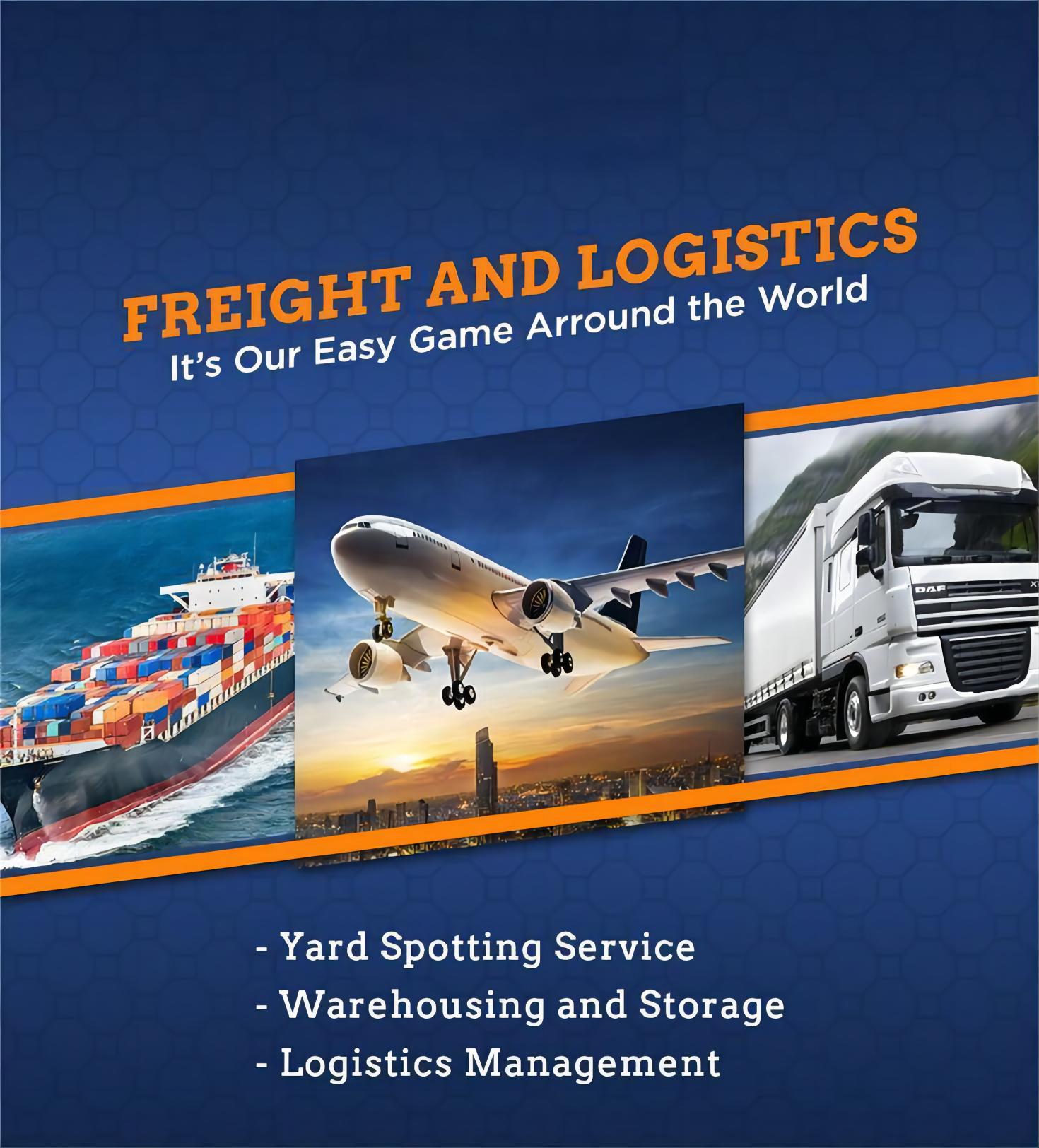
Air freight involves transporting goods via aircraft, offering the fastest method for international shipping. This service is crucial for businesses requiring rapid delivery across continents, ensuring products reach their European destinations quickly and securely.
Indeed, air freight from China to Europe is ideal for high-value, time-sensitive, or perishable goods. It significantly reduces transit time compared to ocean shipping, which can be a critical advantage in today’s fast-paced markets.
Key Factors Influencing Air Freight Costs and Transit Times
Several variables determine the overall shipping costs and transit times for air freight from China to Europe. Understanding these factors helps businesses budget accurately and plan their logistics effectively.
Primarily, cargo weight and volume play a significant role; air freight rates are often calculated based on either the gross weight or volumetric weight, whichever is greater. Fuel surcharges and security fees also contribute to the final price.
Furthermore, the chosen airline carrier, the specific route, and the service level (standard versus express) directly impact both cost and speed. Peak seasons, such as before major holidays, can lead to increased demand and higher freight rates.
As of Q1 2025, freight rates from China to Europe have stabilized after recent global disruptions, however, market volatility remains a consideration. Typical rates vary based on origin and destination airports, as well as cargo type.
| Cost Component | Description | Impact on Price |
|---|---|---|
| Air Freight Rate | Per kg/volume charge for air transport | Primary cost, varies by weight/volume |
| Fuel Surcharge (FSC) | Charge to cover fluctuating fuel costs | Significant variable cost |
| Security Surcharge (SSC) | Fee for enhanced security measures | Standard, per kg charge |
| Terminal Handling Charges (THC) | Fees for handling cargo at origin/destination airports | Fixed fee per shipment |
| Customs Clearance | Brokerage fees for customs formalities | Service-dependent, crucial for import/export |
| Documentation Fees | Costs for preparing necessary shipping documents | Minor, administrative cost |

The Air Freight Process: From Booking to Delivery
The process of sending goods via air freight from China to Europe involves several distinct stages, each requiring careful attention to detail. Initially, businesses must book cargo space with an air freight forwarder, providing accurate shipment details.
Following booking, cargo preparation includes proper packaging and labeling to ensure safe transit. Subsequently, goods are transported to the origin airport in China, where they undergo initial security checks and are weighed and measured.
Crucially, customs clearance at the origin country is performed, involving the submission of required export documents. Once cleared, the cargo is loaded onto the aircraft for its journey to Europe.
Upon arrival at the destination airport, European customs procedures are initiated. This step requires precise documentation and adherence to local import regulations. Engaging a reliable customs brokerage service is paramount here.
Finally, after customs clearance, the cargo is either picked up by the consignee or delivered to their specified address, completing the air freight journey. This entire process is streamlined by experienced freight forwarders.
How Does Air Freight Compare to Other Shipping Options?
Choosing the right shipping method is vital for optimizing your supply chain and managing shipping costs. While air freight offers speed, it is often significantly more expensive than alternatives like sea or rail freight. Therefore, understanding the trade-offs is essential.
Sea freight, for example, is the most economical option for large, non-urgent shipments, but transit times are considerably longer. Rail freight provides a middle ground, being faster than sea and cheaper than air, suitable for various cargo types across the Eurasian landmass.
Express services, while fast, are typically reserved for very small, urgent parcels. Each method has specific advantages and limitations that align with different business needs and cargo characteristics.
| Shipping Method | Cost Range (per kg/CBM) | Transit Time (China to Europe) | Best For | Limitations |
|---|---|---|---|---|
| Air Freight | $3.00 – $8.00+ | 3-8 days | Urgent, high-value, perishable goods | Highest cost, volume/weight restrictions |
| Sea Freight | $0.10 – $0.50 (LCL) | 25-45 days | Large, heavy, non-urgent shipments | Slowest, port congestion risks |
| Rail Freight | $0.50 – $1.50 | 15-25 days | Mid-range urgency, heavier cargo | Limited routes, not door-to-door always |
| Express Service | $8.00 – $20.00+ | 1-4 days | Small, critical documents/samples | Very high cost, strict size limits |

Which Air Freight Service is Right for Your Business?
Selecting the appropriate air freight service depends entirely on your specific business requirements, including urgency, budget, and cargo type. Standard air freight is a cost-effective choice for shipments that require speed but are not critically urgent, offering a balance between cost and transit time.
Conversely, express air freight is designed for time-critical shipments where rapid delivery is the absolute priority. This premium service ensures the quickest possible transit, often with dedicated handling and expedited customs clearance.
Furthermore, consider whether you need port-to-port, port-to-door, or door-to-door services. Door-to-door shipping provides maximum convenience, handling all logistics from your supplier’s facility in China to your final destination in Europe. This comprehensive service simplifies your supply chain management.
Navigating Customs and Regulations for Air Cargo
Effective customs clearance is a critical component of successful air freight from China to Europe. Importers must be fully aware of the necessary documentation and regulatory requirements to avoid delays and penalties.
Key documents include the commercial invoice, packing list, and Air Waybill (AWB). Additionally, businesses need to consider duties, Value Added Tax (VAT), and ensure they have an EORI number for imports into the EU. Compliance with product-specific regulations, such as CE marking for electronics, is also essential.
Indeed, navigating these complex regulations can be challenging. Working with an experienced freight forwarder who understands both Chinese export and European import requirements is invaluable for smooth customs processing.
Real-World Air Freight Scenarios: China to Europe
Understanding how air freight operates in practice can illustrate its benefits and challenges. Here are a few real-world examples based on typical market conditions as of early 2025.
Case Study 1: High-Value Electronics
A technology distributor in Germany needed to replenish stock of high-value electronics quickly due to unexpected demand. Speed was paramount to capitalize on market opportunity.
| Detail | Description |
|---|---|
| Route | Shenzhen, China -> Frankfurt, Germany |
| Cargo | High-Value Electronics, 5 CBM, 800 kg |
| Shipping Method | Standard Air Freight (Port-to-Port) |
| Carrier/Service | Major carrier (e.g., Lufthansa Cargo) |
| Port of Loading | Shenzhen Bao’an International Airport (SZX) |
| Port of Discharge | Frankfurt Airport (FRA) |
| Cost Breakdown (Estimated) | Air Freight: $3,600 (approx. $4.5/kg), Origin Charges: $450, Destination Charges: $300, Customs & Duties (estimated): $700, Total Landed Cost: $5,050 |
| Timeline | Booking to Loading: 2 days, Air Transit: 3 days, Customs Clearance: 1 day, Total Port-to-Port: 6 days |
| Key Insight | Air freight enabled rapid stock replenishment, minimizing lost sales opportunities despite higher per-unit shipping costs. |
Case Study 2: Urgent Fashion Samples
A fashion brand in France required urgent samples from their Chinese manufacturer for an upcoming photoshoot. The tight deadline meant traditional shipping methods were not an option.
| Detail | Description |
|---|---|
| Route | Shanghai, China -> Paris, France |
| Cargo | Fashion Samples, 0.5 CBM, 150 kg |
| Shipping Method | Express Air Freight (Door-to-Door) |
| Carrier/Service | Premium Express Carrier (e.g., DHL Express) |
| Port of Loading | Shanghai Pudong International Airport (PVG) |
| Port of Discharge | Paris Charles de Gaulle Airport (CDG) |
| Cost Breakdown (Estimated) | Air Freight: $1,050 (approx. $7/kg), Origin Charges: $200, Destination Charges: $150, Customs & Duties (estimated): $250, Total Landed Cost: $1,650 |
| Timeline | Booking to Loading: 1 day, Air Transit: 1 day, Customs Clearance: 1 day, Total Door-to-Door: 3 days |
| Key Insight | The higher cost of express air freight was justified by meeting a critical deadline, preventing production delays and significant financial losses. |
Case Study 3: E-commerce Fulfillment to Amazon FBA
An e-commerce seller in the UK needed regular, reliable shipments of consumer goods from Guangzhou to an Amazon FBA warehouse to maintain inventory levels. While not always urgent, consistency and speed were important.
| Detail | Description |
|---|---|
| Route | Guangzhou, China -> London, UK (Amazon FBA) |
| Cargo | Consumer Goods, 3 CBM, 400 kg |
| Shipping Method | Standard Air Freight + Amazon FBA Delivery |
| Carrier/Service | Chartered Air Cargo + Local Delivery |
| Port of Loading | Guangzhou Baiyun International Airport (CAN) |
| Port of Discharge | London Heathrow Airport (LHR) |
| Cost Breakdown (Estimated) | Air Freight: $2,000 (approx. $5/kg), Origin Charges: $300, Destination Charges: $250, Customs & Duties (estimated): $500, Total Landed Cost: $3,050 |
| Timeline | Booking to Loading: 2 days, Air Transit: 4 days, Customs Clearance: 1 day, Local Delivery: 1 day, Total Door-to-FBA: 8 days |
| Key Insight | This strategy balanced cost-effectiveness with consistent transit times, crucial for managing Amazon FBA inventory and avoiding stockouts. Seasonal variations in Q4 saw rates increase by 15%. |
Optimizing Your Air Freight Strategy for Europe
To maximize the benefits of air freight from China to Europe, businesses should implement several optimization strategies. Firstly, consolidating smaller shipments can reduce per-unit costs, making air freight more economical for regular, smaller orders.
Secondly, proper packaging is paramount. Lightweight, durable packaging minimizes volumetric weight, directly impacting shipping costs. Furthermore, selecting the right Incoterms can clarify responsibilities and costs between buyer and seller, preventing disputes and unexpected expenses.
Lastly, partnering with a reputable and experienced freight forwarder is crucial. A good forwarder offers expertise in routes, customs, and regulations, ensuring a smooth and efficient supply chain. They can also advise on the best air freight solutions for your specific cargo handling needs.
Current Market Trends and Future Outlook for Air Freight
The air freight market from China to Europe is dynamic, influenced by global economic conditions, geopolitical events, and technological advancements. As of Q1 2025, market data suggests a continued focus on efficiency and sustainability within the logistics sector.
Moreover, the demand for reliable air cargo services remains high, especially for e-commerce and high-tech industries. Industry trends indicate increasing adoption of digital platforms for booking and tracking, enhancing transparency and operational efficiency. However, capacity can still be a concern during peak seasons or unforeseen disruptions.
Sustainability is also a growing concern, with carriers investing in more fuel-efficient aircraft and exploring alternative fuels. Businesses choosing air freight are increasingly seeking partners committed to reducing their carbon footprint. Therefore, staying informed about these trends is key to a resilient supply chain.
Conclusion: Streamlining Your Air Freight China to Europe
Ultimately, choosing air freight from China to Europe offers unparalleled speed and reliability for critical shipments. While it entails higher shipping costs compared to other methods, the benefits of reduced transit time and enhanced supply chain agility are often invaluable for businesses.
By understanding the cost factors, navigating customs efficiently, and selecting the right service, companies can leverage air freight to their strategic advantage. Partnering with an experienced freight forwarder like China Top Freight is key to ensuring a smooth, secure, and cost-effective air cargo experience. Note: Freight rates are subject to change based on fuel costs, carrier capacity, and seasonal demand. Contact us for a current quote tailored to your specific shipment.
Get Your Shipping Quote Today
Ready to optimize your shipping strategy from China to Europe? Contact our experts today for a tailored quote and discover how our efficient air freight solutions can benefit your business. We are here to help you navigate the complexities of international logistics.
Request Quote