

Freight Forwarder From China to Canada: Your Complete Shipping Guide
Navigating international shipping can be a complex challenge for businesses. When importing goods from China to Canada, choosing the right freight forwarder is paramount for success. This guide provides essential insights and practical advice to streamline your supply chain and ensure efficient delivery from Asia to North America. Discover how China Top Freight can be your trusted partner.
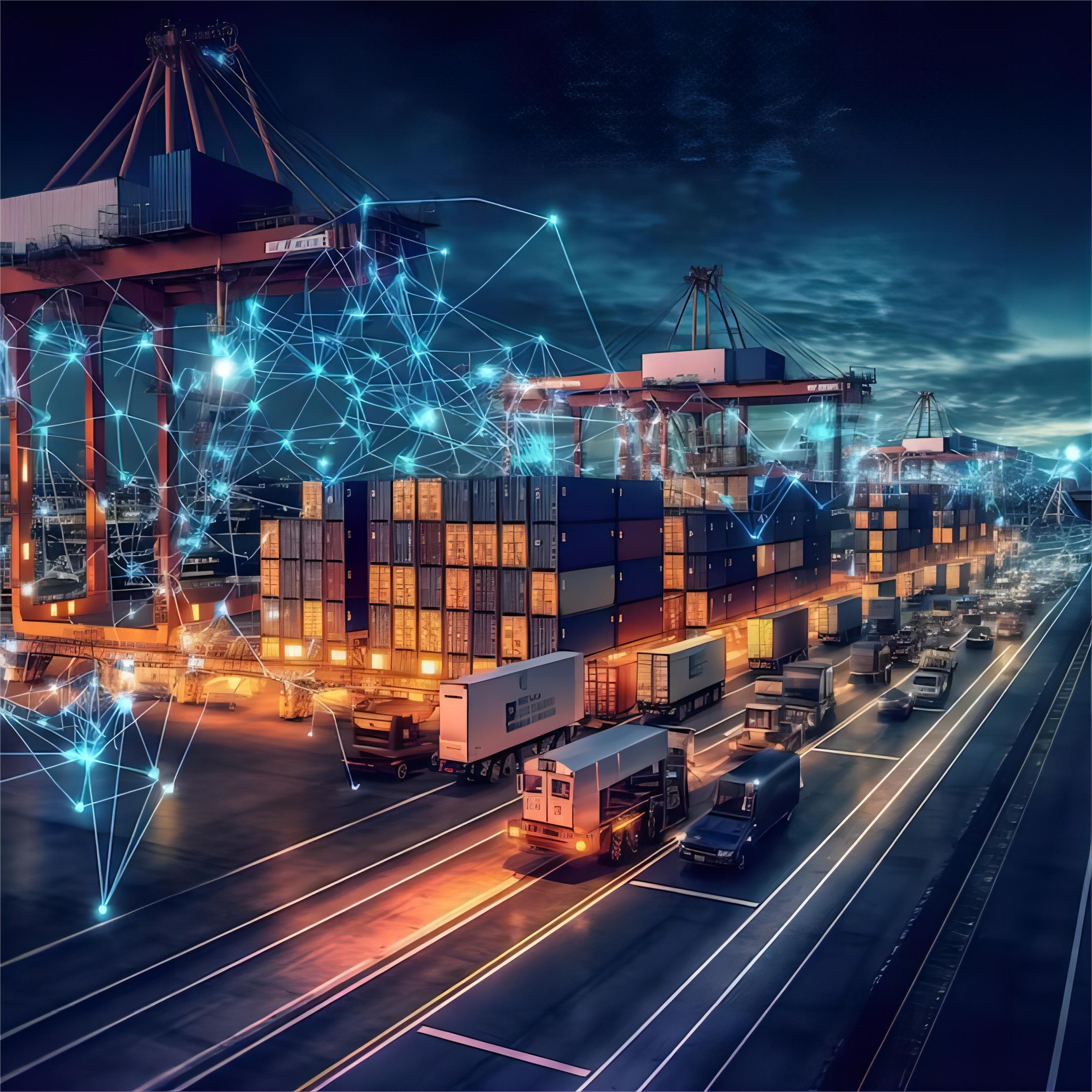
Why Choose a Specialized Freight Forwarder From China to Canada?
Importing goods from China to Canada involves numerous logistical hurdles, including customs regulations, diverse shipping methods, and varying transit times. A specialized freight forwarder acts as your expert intermediary, simplifying these intricate processes. They possess the knowledge and network to ensure your cargo moves smoothly and cost-effectively.
Moreover, working with a dedicated freight forwarder mitigates risks such as delays, damages, and unexpected costs. They manage documentation, coordinate with carriers, and handle customs clearance, providing peace of mind. This allows businesses to focus on their core operations rather than the complexities of international shipping.
Understanding Key Shipping Methods From China to Canada
Several primary shipping methods connect China and Canada, each offering distinct advantages based on your specific needs. Selecting the optimal mode depends on factors like urgency, cargo volume, and budget. Understanding these options is the first step toward effective logistics management.
Furthermore, combining different modes, often referred to as multimodal transport, can offer a balanced approach. This strategy allows for flexibility and can sometimes optimize both cost and transit time. Therefore, assessing your priorities is crucial before making a decision.
How Does Sea Freight Compare to Other Shipping Options?
Sea freight remains the most economical option for large, non-urgent shipments from China to Canada. It is ideal for bulk goods, heavy machinery, and products where cost efficiency is a priority. However, its main drawback is the longer transit time, typically ranging from 25 to 45 days.
In contrast, air freight offers significantly faster delivery, making it suitable for high-value, perishable, or time-sensitive goods. While transit times are much shorter, usually 3-8 days, the cost is considerably higher. Express service provides even quicker options for urgent parcels. For certain inland routes, a combination of ocean and rail freight can offer a viable middle ground, especially for destinations further east in Canada. This hybrid method leverages the cost-effectiveness of sea transport with the speed of rail. For instance, goods might arrive by sea at Vancouver and then travel by rail across Canada.
Consider this comprehensive comparison of shipping methods for your imports:
Note: Freight rates are subject to change based on fuel costs, carrier capacity, and seasonal demand. Contact us for a current quote tailored to your specific shipment.
| Shipping Method | Cost Range (Approx.) | Transit Time (Days) | Best For | Limitations |
|---|---|---|---|---|
| Sea Freight (FCL) | $2,500 – $4,500 (40HQ) | 25 – 45 | Large volume, heavy goods, non-urgent | Slow, potential port congestion |
| Sea Freight (LCL) | $50 – $120 per CBM | 30 – 50 | Smaller shipments (1-15 CBM), cost-sensitive | Longer transit, potential for delays due to consolidation |
| Air Freight | $5 – $10 per kg | 3 – 8 | Urgent, high-value, perishable goods | Expensive, volume/weight restrictions |
| Rail Freight (e.g., via Vancouver) | $100 – $180 per CBM | 20 – 35 | East/Central Canada, specific routes | Limited direct routes, requires sea leg to West Coast |
| Express Service | $8 – $15 per kg | 2 – 5 | Samples, documents, very urgent small parcels | Very expensive, strict weight/size limits |

Navigating Customs and Regulations for China-Canada Shipments
Customs clearance is a critical and often complex stage in the shipping process. Importers must comply with Canadian Border Services Agency (CBSA) regulations to avoid delays and penalties. Proper documentation and accurate declarations are absolutely essential for a smooth entry.
Furthermore, specific goods may be subject to various import permits, licenses, or inspections. Understanding these requirements beforehand can prevent significant disruptions. A skilled customs brokerage expertise can guide you through this labyrinth of rules and ensure compliance.
Here is a checklist of common documents required for importing goods into Canada from China:
| Document Type | Purpose | Key Information |
|---|---|---|
| Commercial Invoice | Details of the sale transaction | Seller/Buyer, Product description, Quantity, Price, Incoterms |
| Packing List | Details of cargo contents and packaging | Number of packages, Weight, Dimensions, Contents of each package |
| Bill of Lading (BOL)/Air Waybill (AWB) | Contract of carriage, title to goods | Shipper, Consignee, Carrier, Port of Loading/Discharge, Goods description |
| Certificate of Origin | Verifies country of manufacture | Country of origin, often required for preferential tariffs |
| Import Permits/Licenses | Required for regulated goods (e.g., food, electronics) | Specific agency requirements (e.g., CFIA, ISED) |
What are the Costs Involved in Shipping From China to Canada?
Understanding the total landed cost is vital for accurate budgeting and pricing your products. Shipping costs are not merely the freight rate; they encompass various charges from origin to destination. These can significantly impact your profit margins, so a detailed breakdown is crucial.
Typically, costs include ocean or air freight, origin charges in China, destination charges in Canada, customs duties, taxes, and local delivery fees. Fluctuations in fuel prices, peak season surcharges, and currency exchange rates can also affect the final price. Always request a comprehensive quote to avoid surprises.
Key Cost Components
Ocean/Air Freight: This is the primary cost for moving goods between countries. It varies based on volume, weight, and the chosen shipping method. For instance, sea freight services for a 40HQ container from China to Vancouver might range from $2,800 to $3,800 as of early 2025, excluding surcharges.
Origin Charges: These cover local transport, warehousing, handling, and documentation fees in China. Examples include Terminal Handling Charges (THC) and export customs clearance. These are often consolidated by your freight forwarder.
Destination Charges: Upon arrival in Canada, these charges include THC, port congestion fees, warehouse handling, and import customs clearance. They are incurred before your cargo can be released.
Customs Duties & Taxes: Calculated based on the Harmonized System (HS) code of your goods and their declared value. Canada has specific tariffs and Goods and Services Tax (GST)/Harmonized Sales Tax (HST) that apply to imports. A freight forwarder can help estimate these.
Local Delivery: The cost of transporting your goods from the Canadian port or airport to your final warehouse or business location. This is where door-to-door delivery services truly shine, simplifying the final leg. Typical rates for inland trucking from Vancouver to Toronto can add several hundred to over a thousand dollars, depending on cargo size.
Optimizing Your Supply Chain: Tips for Efficient Shipping
An optimized supply chain is essential for competitive advantage and customer satisfaction. Proactive planning and strategic partnerships can significantly reduce transit times and costs. Therefore, consider these practical tips to enhance your shipping efficiency when importing from China to Canada.
Effective communication with your freight forwarder is paramount. Share your forecasts and inventory needs to allow for better planning and potential consolidation opportunities. This collaboration fosters a more resilient and responsive supply chain.
Consolidation and FCL vs. LCL
For smaller shipments (typically under 15-20 CBM), Less than Container Load (LCL) shipping allows you to share container space with other importers. This significantly reduces costs compared to paying for an entire container. However, LCL shipments often have longer transit times due to consolidation and deconsolidation processes at ports.
Conversely, Full Container Load (FCL) is more cost-effective for larger volumes, offering faster transit and less handling. For e-commerce businesses, consolidating multiple smaller orders or products into LCL or even FCL can be a game-changer. This approach is particularly effective for businesses utilizing Amazon FBA shipping, where timely and consolidated deliveries are critical.
Market data suggests that FCL can be 10-20% cheaper per CBM than LCL for volumes exceeding 15 CBM.
Choosing the Right Incoterms
Incoterms define the responsibilities and liabilities of buyers and sellers for the delivery of goods. Selecting the appropriate Incoterm (e.g., FOB, EXW, CIF, DDP) is crucial for managing costs and risks. For example, FOB (Free On Board) is common for sea freight, where the seller is responsible until goods are loaded onto the ship. This allows the buyer more control over the main carriage.
Conversely, DDP (Delivered Duty Paid) places maximum responsibility on the seller, covering all costs and risks until the goods reach the buyer’s premises, including customs duties. Understanding these terms prevents disputes and ensures clear accountability. Discussing Incoterms with your door-to-door delivery provider is essential for a seamless experience.
Real-World Success: Case Studies in China-Canada Freight
Examining actual scenarios provides valuable insights into the practical application of freight forwarding strategies. These case studies highlight how different shipping methods and logistics solutions address diverse client needs. They demonstrate the importance of tailored services for specific cargo and timelines.
Based on Q3 2024 market rates, these examples illustrate typical outcomes for various shipments. These scenarios represent common challenges and effective solutions in the China-Canada shipping lane. They underscore the flexibility and expertise required to navigate global logistics successfully.
Case Study 1: E-commerce Startup’s LCL Shipment to Toronto
An e-commerce startup needed to import a trial order of specialized electronic gadgets. Speed was less critical than cost-effectiveness, and the volume was small. The client opted for LCL sea freight for their initial shipment.
This approach minimized upfront shipping costs, allowing the startup to conserve capital. The freight forwarder consolidated their cargo with others, optimizing container space. Despite the longer transit time, the predictable schedule allowed for effective inventory planning. This is a classic example of how a specialized freight forwarder from China to Canada can support emerging businesses.
| Detail | Description |
|---|---|
| Route | Shenzhen, China Toronto, Canada |
| Cargo | Electronic gadgets, 8 CBM, 1500 kg |
| Container | LCL 8 CBM |
| Shipping Details | Carrier: Major carrier, Port of Loading: Shenzhen, Port of Discharge: Montreal (then rail to Toronto), Route Type: Transshipment via Montreal |
| Cost Breakdown | Ocean Freight: $720, Origin Charges: $250, Destination Charges: $350, Customs & Duties (estimated): $400, Total Landed Cost: $1,720 |
| Timeline | Booking to Loading: 5 days, Sea Transit: 30 days, Rail Transit: 5 days, Customs Clearance: 3 days, Total Door-to-Door: 43 days |
| Key Insight | LCL provided significant cost savings for a small volume, allowing the startup to test the market effectively. Transshipment via Montreal offered a balanced approach for east-coast delivery. |

Case Study 2: Manufacturer’s FCL Shipment to Vancouver
A mid-sized Canadian manufacturer required a regular supply of raw materials from China. Consistency, reliability, and competitive pricing for large volumes were paramount. They chose FCL sea freight to Vancouver, leveraging the direct Pacific route.
The dedicated container ensured minimal handling and faster transit compared to LCL. The freight forwarder secured competitive rates and managed the entire process, including drayage from port to the manufacturer’s facility. This strategy supported their production schedule and inventory management.
Typical rates as of early 2025 for a 40HQ from Shanghai to Vancouver are in the range of $2,800-$3,800.
| Detail | Description |
|---|---|
| Route | Shanghai, China Vancouver, Canada |
| Cargo | Plastic pellets (raw material), 60 CBM, 20,000 kg |
| Container | 40HQ |
| Shipping Details | Carrier: COSCO, Port of Loading: Shanghai, Port of Discharge: Vancouver, Route Type: Direct |
| Cost Breakdown | Ocean Freight: $3,500, Origin Charges: $450, Destination Charges: $500, Customs & Duties (estimated): $800, Total Landed Cost: $5,250 |
| Timeline | Booking to Loading: 7 days, Sea Transit: 18 days, Customs Clearance: 2 days, Total Door-to-Door: 27 days |
| Key Insight | Direct FCL route to a West Coast port offered optimal balance of cost and speed for large-volume raw material imports, supporting stable production. |
Case Study 3: Urgent Air Freight for High-Value Electronics to Calgary
A Canadian tech company needed a crucial batch of high-value electronic components urgently for a product launch. The tight deadline necessitated the fastest possible shipping method. Air freight was the undisputed choice despite the higher cost.
The freight forwarder arranged priority booking and expedited customs clearance. The components arrived well within the required timeframe, preventing production delays and protecting the product launch schedule. This demonstrates the critical role of air freight for time-sensitive, high-stakes shipments. This is a premium solution for a freight forwarder from China to Canada.
Based on Q4 2024 peak season rates, air freight costs can be 15-25% higher than off-peak.
| Detail | Description |
|---|---|
| Route | Guangzhou, China Calgary, Canada |
| Cargo | High-value electronic components, 2 CBM, 400 kg |
| Container | Air Cargo |
| Shipping Details | Carrier: Cathay Pacific Cargo, Port of Loading: Guangzhou Baiyun, Port of Discharge: Calgary International, Route Type: Direct |
| Cost Breakdown | Air Freight: $3,200, Origin Charges: $150, Destination Charges: $200, Customs & Duties (estimated): $500, Total Landed Cost: $4,050 |
| Timeline | Booking to Loading: 2 days, Air Transit: 4 days, Customs Clearance: 1 day, Total Door-to-Door: 9 days |
| Key Insight | Air freight was indispensable for meeting a critical deadline for high-value goods, preventing significant financial losses from a delayed product launch. |
Which Shipping Option Should You Choose for Canada-Bound Cargo?
The decision of which shipping method to use depends entirely on your specific business needs and cargo characteristics. There is no one-size-fits-all solution for shipping from China to Canada. Therefore, a careful evaluation of priorities is essential.
Consider these key factors to make an informed choice that aligns with your operational and financial goals. This framework helps you weigh the trade-offs between speed, cost, and cargo type. Ultimately, the best choice enhances your overall supply chain efficiency.
Budget Priority
If cost-saving is your absolute top priority and transit time is flexible, sea freight (especially LCL for smaller volumes) is the most economical choice. It offers the lowest per-unit cost for moving goods across the Pacific. However, be prepared for longer lead times. This is the cheapest way to ship from China to Canada.
Speed Priority
For urgent shipments, high-value goods, or time-sensitive products, air freight or express service is indispensable. While significantly more expensive, these methods drastically reduce transit times. They ensure your goods reach Canada in days rather than weeks, crucial for fast-moving inventory or critical components.
Cargo Type Considerations
Heavy, bulky, or non-perishable goods are best suited for sea freight. Conversely, fragile, perishable, or high-value items benefit from the faster, more secure handling of air freight. Specialized handling may also be required for hazardous materials, regardless of the mode. Always check import regulations Canada China for specific goods.
Volume Thresholds
For shipments under 15 CBM, LCL sea freight is usually more cost-effective than FCL. However, once your volume approaches 15-20 CBM, FCL often becomes more economical and efficient. A freight forwarder can help calculate the break-even point for your specific cargo. Understanding container shipping China to Canada options is key.
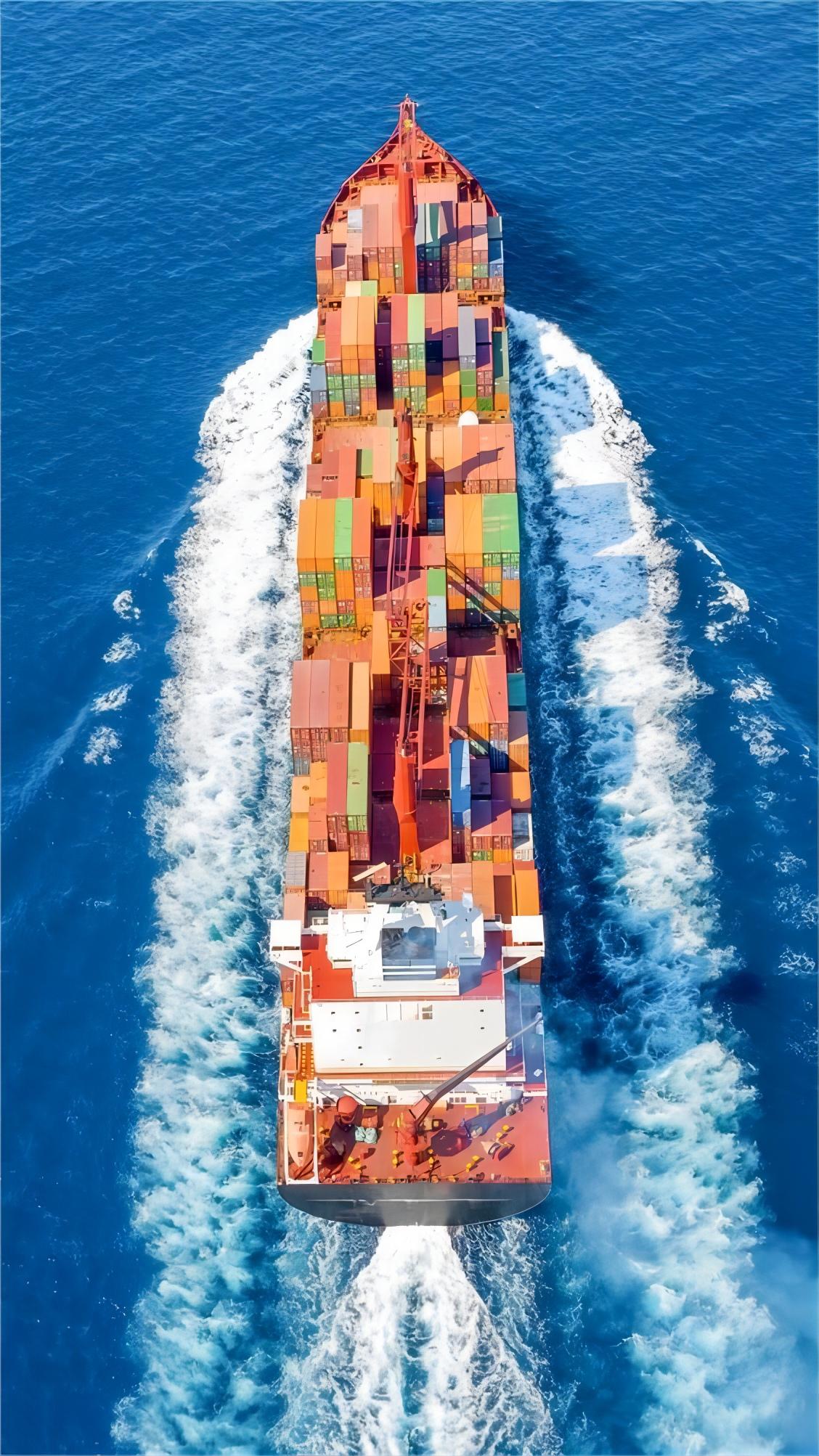
Your Trusted Freight Forwarder From China to Canada
Navigating the complexities of international shipping from China to Canada requires expertise, reliable partnerships, and careful planning. By understanding the various shipping methods, managing customs requirements, and optimizing your supply chain, you can ensure efficient and cost-effective delivery of your goods. Partnering with a professional freight forwarder from China to Canada is the most effective way to achieve this.
Ultimately, a well-managed logistics strategy is a cornerstone of successful international trade. With the right support, your business can thrive in the global marketplace. We are dedicated to being your trusted partner, offering comprehensive solutions and exceptional service for all your importing needs.
Ready to streamline your logistics?
Ready to streamline your shipping from China to Canada? Contact our expert team today for a personalized consultation and a competitive quote. We are committed to providing reliable logistics solutions tailored to your unique business needs. Get a quote now!
Request Quote