

Customs Clearance China to Canada: Your Complete Guide
Successfully importing goods from China to Canada requires a thorough understanding of customs clearance China to Canada procedures. In fact, navigating complex regulations, duties, and documentation is essential for smooth international trade. This comprehensive guide will therefore equip you with the knowledge needed to ensure your shipments arrive without unnecessary delays or penalties.

Why is Customs Clearance from China to Canada Critical?
First and foremost, effective customs clearance prevents costly delays and penalties. Canadian Border Services Agency (CBSA) regulations are stringent, and non-compliance can result in fines, seizures, or even return of goods. Therefore, understanding these requirements is paramount for any importer.
Furthermore, proper clearance ensures that your goods are legally imported and available for sale or use. It involves accurately classifying products, calculating duties and taxes, and submitting all necessary paperwork. Accordingly, this process safeguards your business against legal complications and financial losses.
Moreover, a smooth customs process contributes significantly to an efficient supply chain. Delays at the border can disrupt production schedules, impact inventory levels, and damage customer relationships. Consequently, proactive management of customs procedures is a strategic advantage for businesses.
Key Documents Required for China-Canada Customs Clearance
Several documents are indispensable for clearing goods through Canadian customs. Preparing these accurately and completely is the first step towards a hassle-free import. Indeed, missing or incorrect information is a primary cause of customs delays.
Generally, the commercial invoice is one of the most vital documents. It details the goods being shipped, their value, quantity, and terms of sale. Additionally, a comprehensive packing list provides specifics on package contents, weight, and dimensions.
Moreover, the bill of lading (for sea freight) or air waybill (for air freight) acts as the contract between the shipper and the carrier. It also serves as a receipt for the goods. Furthermore, a certificate of origin may be required for certain products to determine eligibility for preferential tariff treatment.
Finally, any necessary permits, licenses, or certificates from Canadian regulatory bodies are crucial. For example, health certificates for food products or safety certifications for electronics must be obtained beforehand. Therefore, verifying these specific requirements for your product category is essential.
| Document | Purpose | Who Provides | Key Detail |
|---|---|---|---|
| Commercial Invoice | Details goods, value, terms of sale | Seller/Exporter | Accurate product description & HS code |
| Packing List | Itemizes contents, weight, dimensions | Seller/Exporter | Matches commercial invoice exactly |
| Bill of Lading / Air Waybill | Shipping contract & receipt of goods | Carrier | Consignee and shipper information |
| Certificate of Origin | Confirms country of manufacture | Seller/Exporter | May qualify for reduced duties |
| Permits/Licenses | Regulatory compliance for specific goods | Importer/Buyer | Obtained before shipment arrival |
Understanding Canadian Import Duties and Taxes
Importers must pay duties and taxes on most goods entering Canada. These charges are calculated based on the goods’ value, origin, and classification. Consequently, accurately determining these costs is vital for budgeting and pricing.
Specifically, the Harmonized System (HS) code is an internationally standardized system of names and numbers to classify traded products. Correctly assigning the HS code to your products dictates the applicable tariff rate. Hence, misclassification can lead to overpayment or underpayment, both of which have consequences.
In addition to duties, the Goods and Services Tax (GST) applies to most imports. Some provinces also levy a Provincial Sales Tax (PST) or a Harmonized Sales Tax (HST). Therefore, understanding the tax implications for your specific destination province is important.
Moreover, certain trade agreements, such as the Canada-United States-Mexico Agreement (CUSMA), can offer preferential tariff treatment. While China is not part of CUSMA, other specific tariff rates might apply. Always research potential duty exemptions or reductions for your products.
The Customs Clearance Process: Step-by-Step
The customs clearance process from China to Canada generally follows a structured sequence. Indeed, understanding each stage helps in proactive planning and avoids potential bottlenecks.
Initially, goods depart from China, and shipping documents are prepared and transmitted electronically. Your chosen freight forwarder plays a crucial role here, especially for door-to-door services. They ensure all necessary paperwork accompanies the cargo.
Upon arrival at a Canadian port or airport, CBSA processes the shipment. This involves reviewing the submitted documentation against the physical goods. Accordingly, proper documentation speeds up this critical phase.
Subsequently, duties and taxes are assessed, and payment is required. Once all fees are paid and regulatory requirements met, the CBSA releases the goods. Finally, the goods are transported to their final destination within Canada. This final leg is often handled by a local carrier.
How Shipping Methods Affect Customs Clearance and Costs
The choice of shipping method significantly impacts both the customs clearance timeline and overall shipping costs. Different modes of transport have varying requirements and transit times. Therefore, selecting the right method is a strategic decision.
For instance, sea freight is typically the most economical option for large, heavy, or non-urgent shipments. However, sea shipments often have longer transit times, sometimes 25-40 days from China to Canada. This extended period allows more time for document preparation but also means a longer waiting period for customs processing.
Conversely, air freight offers significantly faster transit, usually 3-7 days. While faster, it is considerably more expensive and often subject to stricter regulations for certain goods, such as hazardous materials. Air cargo generally clears customs more quickly due to its expedited nature.
Express services, provided by couriers like DHL or FedEx, combine air transport with integrated customs brokerage. These services are ideal for small, urgent parcels, often clearing customs within a day or two. Nevertheless, their per-kilogram cost is the highest among all options.
| Shipping Method | Cost Range (per kg/CBM) | Transit Time (China to Canada) | Best For | Limitations |
|---|---|---|---|---|
| Sea Freight (FCL/LCL) | Low ($50-100/CBM LCL; $2,500-5,000/container FCL) | 25-40 days | Large volumes, heavy goods, non-urgent shipments | Slow, port congestion risks, longer customs hold |
| Air Freight | Medium-High ($5-10/kg) | 3-7 days | Time-sensitive goods, high-value items, smaller shipments | Expensive, weight/size restrictions, higher carbon footprint |
| Express Service | Highest ($8-15+/kg) | 2-5 days | Small parcels, urgent documents, samples | Very expensive for bulk, strict weight/size limits |

Which Shipping Option Should You Choose for China-Canada?
Deciding on the optimal shipping method involves weighing several factors. Ultimately, the best choice aligns with your business priorities and specific cargo characteristics. Consider these criteria to make an informed decision.
If budget is your primary concern, sea freight is almost always the most cost-effective option. This is particularly true for large volumes where the per-unit cost becomes significantly lower. However, be prepared for longer lead times.
Conversely, if speed is paramount, air freight or express services are indispensable. For example, urgent prototypes, perishable goods, or fast-moving consumer electronics often justify the higher cost of air transport. Always balance speed against the overall shipping expense.
Consider your cargo type and volume carefully. Fragile items might benefit from specialized air cargo handling, while bulky, durable goods are perfect for ocean containers. For shipments under 15 CBM, Less than Container Load (LCL) sea freight can be more economical than a full container, though it might take slightly longer due to consolidation.
Navigating Common Challenges in Customs Clearance
Despite careful planning, importers can encounter various challenges during customs clearance. Being aware of these issues allows for better preparation and quicker resolution. Indeed, proactive problem-solving minimizes disruptions.
One frequent issue is incorrect documentation. Discrepancies between the commercial invoice and packing list, or missing permits, can lead to immediate holds. Therefore, meticulous review of all paperwork before shipment departure is crucial.
Another challenge involves product classification and valuation disputes. CBSA may question the declared HS code or the value of goods, especially if they suspect undervaluation. Consequently, maintaining clear records and providing supporting evidence for your declarations is essential.
Furthermore, unexpected delays can arise due to port congestion, increased inspections, or peak season volumes. For instance, Q4 peak season rates and transit times often increase by 15-25% due to holiday demand. Building buffer time into your delivery schedule is a wise strategy. Contacting a reliable customs brokerage service can significantly mitigate these risks.

Case Study 1: E-commerce Goods via LCL Sea Freight to Vancouver
This case illustrates the cost-effectiveness of LCL sea freight for a growing e-commerce business. The client needed to replenish their inventory of apparel efficiently. They opted for a consolidated shipment to manage costs.
The primary challenge was balancing transit time with budget constraints. The solution involved careful planning of inventory levels to accommodate the longer sea transit. This allowed for significant savings compared to air freight.
Ultimately, the goods cleared customs smoothly due to accurate documentation and pre-clearance procedures. The client was able to restock their popular items well within their budget. This strategy supported their sustained growth effectively.
Details: E-commerce Apparel Shipment
| Attribute | Details |
|---|---|
| Route | Shenzhen, China -> Vancouver, Canada |
| Cargo | Assorted E-commerce Apparel, 12 CBM, 1500 kg |
| Container | LCL 12 CBM |
| Shipping Details | Major carrier, Port of Loading: Yantian, Port of Discharge: Vancouver, Route Type: Direct |
| Cost Breakdown (Based on Q3 2024 market rates) | Ocean Freight: $960 (80/CBM), Origin Charges: $250, Destination Charges: $350, Customs & Duties (estimated): $400, Total Landed Cost: $1,960 |
| Timeline | Booking to Loading: 5 days, Sea Transit: 18 days, Customs Clearance: 3 days, Total Door-to-Port: 26 days |
| Key Insight | LCL sea freight offered significant cost savings for non-urgent, medium-volume goods, crucial for e-commerce profit margins. |
Case Study 2: Electronics Components via Air Freight to Toronto
This case highlights the necessity of air freight for high-value, time-critical electronics components. A Canadian tech company needed to receive a crucial batch of parts to avoid production line shutdowns. Speed was the absolute priority.
The main challenge was the rapid transit requirement and precise delivery schedule. Air freight was the only viable option despite its higher cost. Expedited customs processing was also critical for this shipment.
Consequently, working with an experienced freight forwarder ensured priority handling and swift customs clearance. The components arrived ahead of schedule, preventing costly manufacturing delays. This demonstrates the value of air freight for urgent supply chain needs.
Details: Electronics Components Shipment
| Attribute | Details |
|---|---|
| Route | Shanghai, China -> Toronto, Canada |
| Cargo | High-Precision Electronics Components, 0.8 CBM, 250 kg |
| Container | Air Cargo (Palletized) |
| Shipping Details | Major airline, Port of Loading: PVG, Port of Discharge: YYZ, Route Type: Direct |
| Cost Breakdown (Typical rates as of early 2025) | Air Freight: $1,750 (7/kg), Origin Charges: $150, Destination Charges: $100, Customs & Duties (estimated): $200, Total Landed Cost: $2,200 |
| Timeline | Booking to Loading: 2 days, Air Transit: 2 days, Customs Clearance: 1 day, Total Door-to-Airport: 5 days |
| Key Insight | Air freight was essential for time-sensitive, high-value components, preventing significant production losses despite higher per-unit shipping costs. |
Choosing the Right Customs Broker for Seamless Imports
Engaging a reputable customs broker is perhaps the most effective way to streamline your customs clearance process. A professional broker acts as your agent, navigating the complexities of CBSA regulations on your behalf. Therefore, their expertise is invaluable.
A good customs broker possesses in-depth knowledge of Canadian import laws, tariff classifications, and trade agreements. They can accurately classify your goods, calculate duties, and ensure compliance. Moreover, they can advise on potential duty drawbacks or exemptions.
Furthermore, a broker handles all necessary documentation, submits entries electronically, and communicates with CBSA. This reduces the administrative burden on your business. Consequently, you can focus on your core operations while ensuring regulatory adherence.
When selecting a broker, consider their experience with your specific product type and their track record. Look for transparent fee structures and strong communication practices. A reliable customs brokerage partner is an investment in your supply chain’s efficiency.
Optimizing Your Supply Chain: Expert Tips and Strategies
Beyond individual shipments, optimizing your entire supply chain can yield significant long-term benefits. Strategic planning for customs clearance from China to Canada is a core component of this optimization. Indeed, continuous improvement is key.
Firstly, consider consolidating multiple smaller shipments into larger ones where feasible. This reduces per-unit shipping and customs processing costs. For instance, utilizing Amazon FBA services often involves consolidating goods for efficient delivery to distribution centers.
Secondly, invest in technology for tracking and documentation management. Digital platforms can automate much of the paperwork, reducing errors and speeding up processes. Consequently, real-time visibility into your shipment’s status improves decision-making.
Finally, establish strong relationships with trusted freight forwarders and customs brokers. Their expertise and network can provide tailored solutions, including hybrid shipping options like sea-air. These partnerships are instrumental in navigating fluctuating freight rates and market conditions. Note: Freight rates are subject to change based on fuel costs, carrier capacity, and seasonal demand. Contact us for a current quote tailored to your specific shipment.
Conclusion: Mastering Customs Clearance for China to Canada Shipments
Navigating customs clearance from China to Canada effectively is a cornerstone of successful international trade. It demands meticulous documentation, a clear understanding of duties and taxes, and strategic planning for shipping methods. By adhering to regulations and preparing diligently, importers can avoid common pitfalls.
Moreover, leveraging the expertise of a professional customs broker and a reliable freight forwarder is invaluable. These partners provide the guidance and services needed to ensure smooth, compliant, and cost-effective imports. Ultimately, a well-managed customs process contributes directly to your business’s profitability and reputation.
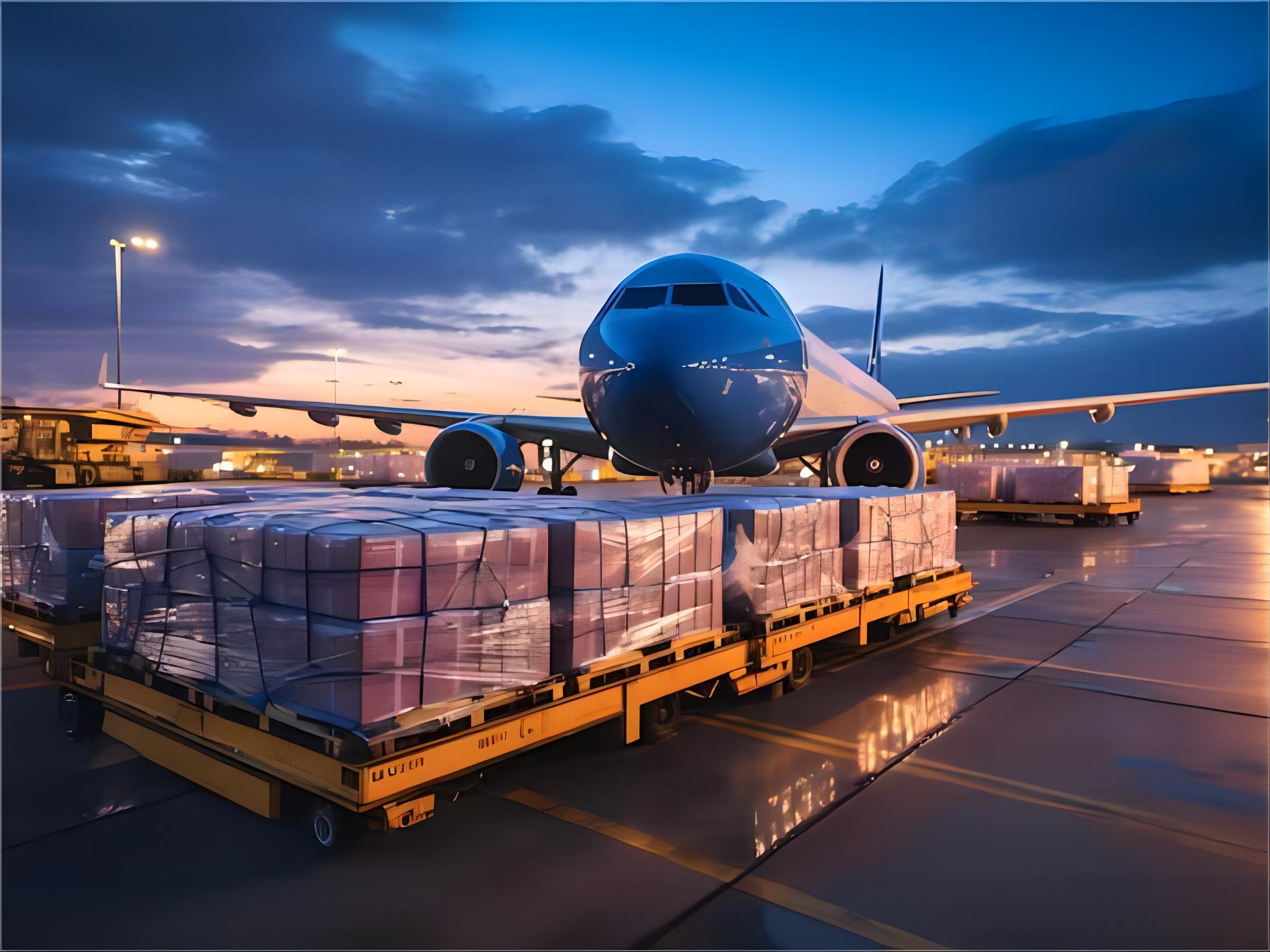
Get Your Shipping Quote Today
Ready to streamline your customs clearance from China to Canada? Don’t let complex regulations slow down your business. Contact our expert team today for a personalized consultation and a free quote on your next shipment. We are here to ensure your imports are efficient and compliant.
Request Quote