

Cheapest Way to Ship Machinery From China to USA
“Shipping heavy machinery from China to the USA presents unique logistical challenges and cost considerations. Businesses frequently seek the most economical methods without compromising reliability or safety. This guide explores the various options available, helping you navigate the complexities of international freight to find the optimal solution for your machinery imports. For comprehensive logistics support, visit China Top Freight.”

Understanding the Cheapest Way to Ship Machinery From China to USA
❖Finding the absolute cheapest way to ship machinery from China to USA requires a thorough understanding of different shipping methods. Several factors influence the overall cost, including cargo volume, weight, urgency, and specific machinery dimensions. Consequently, what is cheapest for one shipment might not be for another.
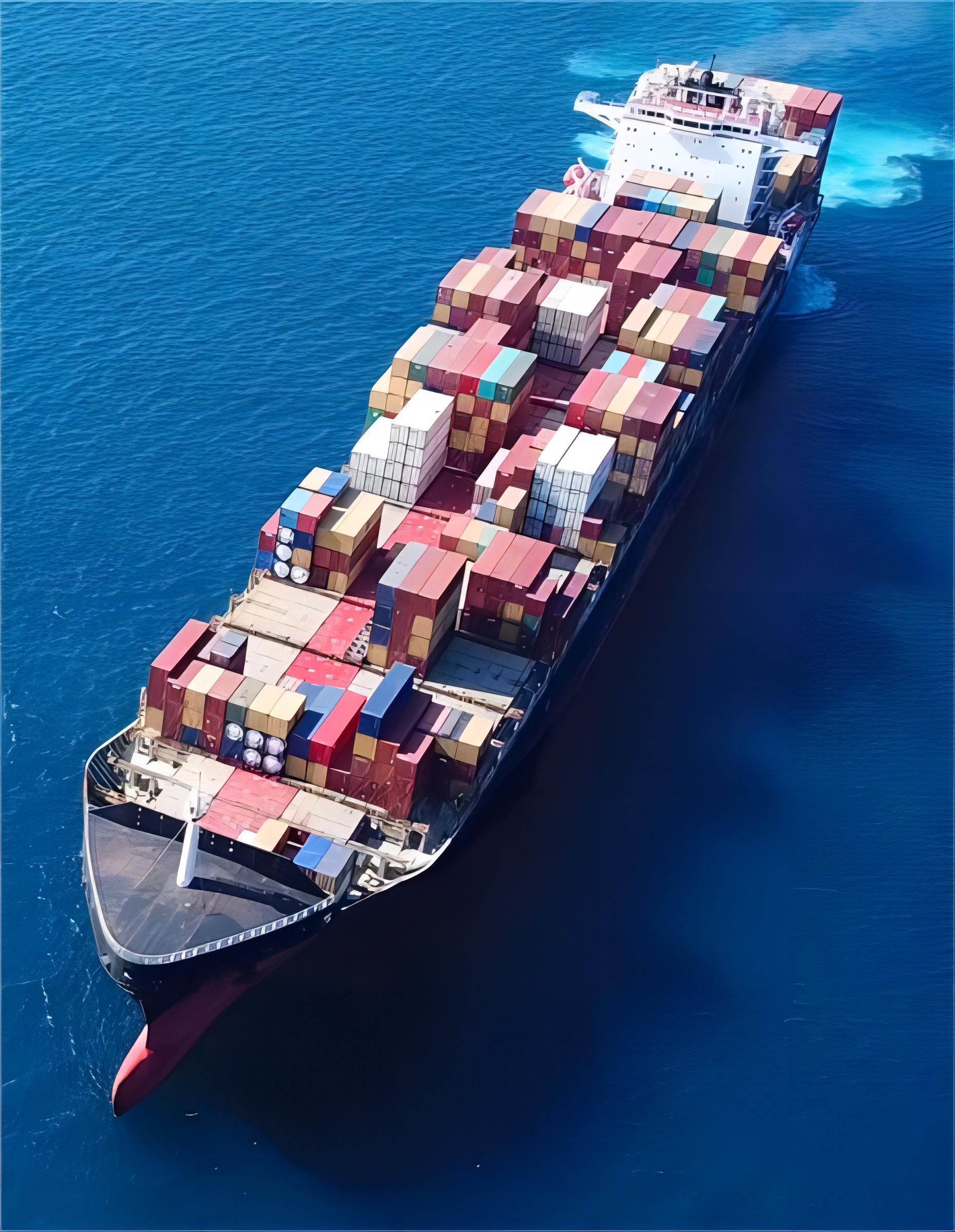
Generally speaking, sea freight stands out as the most cost-effective option for large and heavy machinery. This method offers significant savings compared to air freight, especially for non-urgent shipments. However, it involves longer transit times and requires careful planning for customs and port logistics.
How Does Sea Freight Compare to Other Shipping Options?
❖When considering the cheapest way to ship machinery from China to USA, comparing sea freight with other alternatives is crucial. Each method has distinct advantages and disadvantages concerning cost, speed, and cargo suitability. Therefore, understanding these differences helps in making an informed decision.
Sea freight offers unparalleled cost efficiency for bulky and heavy items. Air freight, on the other hand, provides speed but at a significantly higher price point. Rail freight is not a direct option for China-USA but can be part of a multimodal strategy within continents. Furthermore, specialized services like Roll-on/Roll-off (RoRo) are available for wheeled machinery.
| Shipping Method | Cost Range (Approx.) | Transit Time | Best For | Limitations |
|---|---|---|---|---|
| Full Container Load (FCL) Sea Freight | $2,800 – $6,000 (40HQ) | 25-45 Days | Large, heavy, non-urgent machinery | Slow, port congestion risks |
| Less than Container Load (LCL) Sea Freight | $80 – $150 per CBM | 30-50 Days | Smaller machinery, flexible volumes | Longer consolidation times, higher risk of damage |
| Break Bulk/RoRo Sea Freight | Varies by project | 25-45 Days | Oversized, non-containerized, wheeled machinery | Limited vessel availability, specialized handling |
| Air Freight | $5 – $10 per kg | 5-10 Days | Urgent, high-value, smaller machinery | Very high cost, size/weight restrictions |
Key Factors Influencing Your Shipping Costs
❖Several critical factors directly impact the overall cost of shipping machinery from China to the USA. Understanding these elements allows businesses to better estimate expenses and identify potential areas for savings. Indeed, careful planning can significantly reduce your total logistics expenditure.
Firstly, the volume and weight of your machinery are primary cost drivers. Larger and heavier items naturally incur higher freight charges. Secondly, the chosen shipping method, whether sea freight or air freight, dictates a substantial portion of the cost. Thirdly, origin and destination port charges, customs duties, taxes, and local transportation within both countries also add to the final bill.
Cargo Volume and Weight
The dimensions and weight of your machinery are fundamental in determining freight rates. Heavy equipment often requires specialized handling and larger container types. Moreover, for smaller machinery, consolidating shipments via LCL can offer cost advantages. Always ensure accurate measurements for precise quotes.
Shipping Method and Transit Time
Choosing between speed and cost is a common dilemma. While air freight offers rapid delivery, air freight is considerably more expensive. Sea freight, though slower, is typically the most economical choice for heavy machinery. Consequently, balancing your budget with your project timeline is essential.
Customs Duties and Taxes
Importing machinery into the USA involves various customs duties and taxes. These charges depend on the machinery’s Harmonized System (HS) code and its country of origin. A reliable customs brokerage service is invaluable for navigating these complex regulations and ensuring compliance, avoiding costly delays and penalties. Proper documentation is paramount for smooth clearance.
Ancillary Charges and Services
Beyond the main freight cost, expect additional charges such as terminal handling fees (THC), documentation fees, insurance, and drayage (trucking from port to final destination). Opting for a door-to-door service can simplify logistics, bundling many of these costs into one transparent price. This approach often provides greater predictability for your budget.
Real-World Scenarios: Cost-Effective Machinery Shipping
❖Examining actual case studies provides practical insights into achieving the cheapest way to ship machinery from China to USA. These examples highlight different approaches and their outcomes based on specific cargo requirements. They illustrate how various factors impact the final cost and transit time.
Based on current market rates as of early 2025, freight costs have stabilized somewhat, yet still require careful negotiation. Seasonal variations and port congestion can still influence pricing and schedules. Therefore, proactive planning with a reliable freight forwarder is always recommended.
Case Study 1: Standard Industrial Press
| Detail | Description | ||||
|---|---|---|---|---|---|
| Route | Shanghai, China -> Los Angeles, USA | ||||
| Cargo | Industrial Hydraulic Press, 18 CBM, 12,000 kg | ||||
| Container | 20GP FCL | ||||
| Shipping Details | Carrier: COSCO, Port of Loading: Shanghai, Port of Discharge: Los Angeles, Route Type: Direct | ||||
| Cost Breakdown | Ocean Freight: $2,850 | Origin Charges: $450 | Destination Charges: $550 | Customs & Duties (est.): $700 | Total Landed Cost: $4,550 |
| Timeline | Booking to Loading: 5 days | Sea Transit: 16 days | Customs Clearance: 3 days | Total Door-to-Door: 28 days | |
| Key Insight | FCL provided the cheapest per-unit cost for this heavy, non-urgent item, leveraging a direct service route to minimize transit time. |
Case Study 2: Multiple Small CNC Machines
| Detail | Description | ||||
|---|---|---|---|---|---|
| Route | Ningbo, China -> New York, USA | ||||
| Cargo | 3x Small CNC Machines, total 8 CBM, 4,500 kg | ||||
| Container | LCL 8 CBM | ||||
| Shipping Details | Carrier: Maersk (LCL Consolidation), Port of Loading: Ningbo, Port of Discharge: New York, Route Type: Transshipment via Busan | ||||
| Cost Breakdown | Ocean Freight: $1,040 (8 CBM @ $130/CBM) | Origin Charges: $380 | Destination Charges: $620 | Customs & Duties (est.): $450 | Total Landed Cost: $2,490 |
| Timeline | Booking to Loading: 7 days | Sea Transit: 32 days | Customs Clearance: 4 days | Total Door-to-Door: 48 days | |
| Key Insight | LCL was the most economical choice for smaller, multiple units, despite longer transit due to consolidation and transshipment. Careful packaging was essential. |
Case Study 3: Oversized Fabrication Equipment
| Detail | Description | ||||
|---|---|---|---|---|---|
| Route | Shenzhen, China -> Houston, USA | ||||
| Cargo | Large Metal Fabrication Unit, 4.5m x 2.2m x 2.5m (OOG), 15,000 kg | ||||
| Container | Break Bulk (No Container) | ||||
| Shipping Details | Carrier: Specialized RoRo/Break Bulk, Port of Loading: Shenzhen, Port of Discharge: Houston, Route Type: Direct | ||||
| Cost Breakdown | Ocean Freight: $6,500 | Origin Charges: $950 | Destination Charges: $1,200 | Customs & Duties (est.): $800 | Total Landed Cost: $9,450 |
| Timeline | Booking to Loading: 10 days | Sea Transit: 28 days | Customs Clearance: 5 days | Total Door-to-Door: 45 days | |
| Key Insight | For oversized cargo that cannot fit into standard containers, break bulk or RoRo offers the only viable and most cost-effective solution, despite higher specialized handling costs. |
Strategies to Reduce Shipping Costs for Machinery
❖Beyond choosing the right shipping method, several strategies can help you achieve the cheapest way to ship machinery from China to USA. Implementing these cost-saving measures requires proactive planning and good communication with your freight forwarder. Consequently, even small adjustments can lead to significant savings.
Firstly, optimizing cargo packaging and dimensions is crucial. Reducing unnecessary bulk or weight directly translates to lower freight charges. Secondly, consolidating multiple smaller shipments into a single larger one can drastically cut per-unit costs. Thirdly, timing your shipments to avoid peak seasons can also yield better rates.
Optimize Packaging and Dimensions
Efficient packaging minimizes the space your machinery occupies, reducing volumetric weight for air freight or saving container space for sea freight. Disassembling machinery into smaller components, if feasible, can also help. Always ensure proper protection to prevent damage during transit, however. Proper packaging is a balance between protection and space efficiency.
Consider LCL or Consolidated Shipping
For machinery that doesn’t fill an entire container, Less than Container Load (LCL) shipping or consolidation services are excellent cost-saving options. Your cargo shares container space with other shippers, spreading the cost. This method is particularly beneficial for medium-sized machinery. However, LCL can sometimes involve longer transit times due to consolidation processes.
Plan Ahead and Avoid Peak Seasons
Booking your shipment well in advance allows you to secure better rates and avoid last-minute rush surcharges. Freight rates typically increase significantly during peak seasons, such as before major holidays (e.g., Chinese New Year, Christmas) or during Q3/Q4. Therefore, flexibility in your delivery schedule can lead to substantial savings.
Choose Reputable Freight Forwarders
Partnering with an experienced freight forwarder is paramount. They possess the expertise to negotiate favorable rates, optimize routes, and handle complex customs procedures. A good forwarder can often find the cheapest way to ship machinery from China to USA by leveraging their network and industry knowledge. They can also offer services like rail freight for domestic legs within China or the USA, or for China-Europe routes if part of a larger multimodal strategy.
Navigating Customs and Documentation for Machinery Imports
❖Proper customs clearance and accurate documentation are critical for a smooth and cost-effective machinery import process. Errors or omissions can lead to significant delays, penalties, and increased costs. Consequently, understanding the requirements is essential for finding the cheapest way to ship machinery from China to USA.
Importers must prepare a range of documents, including commercial invoices, packing lists, bills of lading, and potentially specific permits or certifications for certain types of machinery. Consulting with a customs broker is highly recommended to ensure all regulations are met. This proactive approach prevents unexpected expenses.
Essential Documents for Import
A comprehensive set of documents is required for customs clearance. These include, but are not limited to, the commercial invoice, packing list, bill of lading (for sea freight) or air waybill (for air freight), and a certificate of origin. Furthermore, some machinery may require import licenses or specific declarations regarding safety standards.
| Document | Purpose | Notes |
|---|---|---|
| Commercial Invoice | Details of goods, value, seller/buyer | Used for customs valuation and duties |
| Packing List | Itemized list of contents, weights, dimensions | Aids in cargo inspection and handling |
| Bill of Lading (B/L) / Air Waybill (AWB) | Contract of carriage, title to goods | Proof of shipment and ownership transfer |
| Certificate of Origin | Confirms country of manufacture | May impact duty rates under trade agreements |
| Import License/Permits | Required for restricted goods | Check specific machinery types with CBP or a broker |
Customs Valuation and Duties
Customs duties are calculated based on the declared value of the machinery and its HS code. Incorrect valuation can lead to disputes and delays. Additionally, some machinery might be subject to anti-dumping duties or Section 301 tariffs, which can significantly increase costs. Therefore, accurate classification is vital.
Compliance and Regulations
The USA has strict import regulations, especially for industrial equipment concerning safety and environmental standards. Ensure your machinery complies with all relevant federal agencies, such as the EPA, FDA, or DOT, as applicable. Non-compliance can result in seizure of goods or hefty fines. A professional customs broker can guide you through these intricacies effectively.

Which Option Should You Choose for Your Machinery?
❖Selecting the optimal shipping method depends heavily on your specific business priorities and the nature of your machinery. There is no single ‘cheapest way’ that fits all scenarios. Instead, a tailored approach based on your needs will yield the best results. Consider these decision frameworks:
Ultimately, a strategic choice balances cost, speed, and reliability. Do not hesitate to consult with logistics experts for personalized advice. Their insights can save you both time and money in the long run.
Budget Priority
If cost-saving is your absolute top priority, and you have ample time, Full Container Load (FCL) or Less than Container Load (LCL) sea freight will be your most economical options. These methods offer the lowest per-unit cost for heavy or bulky machinery. Always factor in total landed cost, including duties and local transport.
Speed Priority
For urgent machinery shipments where downtime is costly, air freight is the unequivocal choice. While significantly more expensive, it dramatically reduces transit times. This option is often justified for critical spare parts or high-value, time-sensitive production equipment. Be prepared for higher freight rates.
Cargo Type Considerations
Oversized or unusually shaped machinery that cannot fit into standard containers will require specialized break-bulk or Roll-on/Roll-off (RoRo) services. Wheeled machinery, for instance, is perfectly suited for RoRo. For delicate or high-value machinery, consider specialized handling and enhanced insurance coverage, regardless of the primary transport method.
Volume Thresholds for Switching Methods
For shipments under 15 CBM, LCL sea freight is typically more economical than FCL. However, once your cargo approaches 15-20 CBM, an FCL 20GP container often becomes more cost-effective. For volumes exceeding 30 CBM, a 40GP or 40HQ container is usually the most efficient choice, offering better value per cubic meter. Always get quotes for both LCL and FCL to compare.
Final Thoughts on Shipping Machinery from China to USA
Ultimately, securing the cheapest way to ship machinery from China to USA involves a strategic blend of method selection, meticulous planning, and collaboration with a reliable logistics partner. Sea freight, particularly FCL or LCL, generally offers the most economical solution for heavy equipment, provided time is not a critical constraint.
By understanding the factors influencing costs, leveraging consolidation opportunities, and ensuring full compliance with customs regulations, businesses can significantly reduce their overall shipping expenses. Always remember that the ‘cheapest’ option is the one that best aligns with your specific needs, budget, and timeline, offering both cost-efficiency and peace of mind.
Ready to streamline your logistics?
Ready to find the cheapest way to ship your machinery from China to USA? Contact our experts today for a personalized quote and tailored logistics solutions. We are committed to optimizing your supply chain and reducing your freight costs. Get your free quote now!
Request Quote