

Freight Forwarder Cost from China: Your Ultimate Pricing Guide
Understanding the freight forwarder cost from China is crucial for any business importing goods. This comprehensive guide will break down the complexities of international shipping expenses, helping you budget effectively. We aim to clarify all charges and provide insights into securing the most economical shipping solutions through China Top Freight.

What Factors Influence Freight Forwarder Cost from China?
Several key elements determine the final freight forwarder cost from China, impacting your overall landed cost significantly. Recognizing these factors allows for better planning and negotiation with your logistics provider.
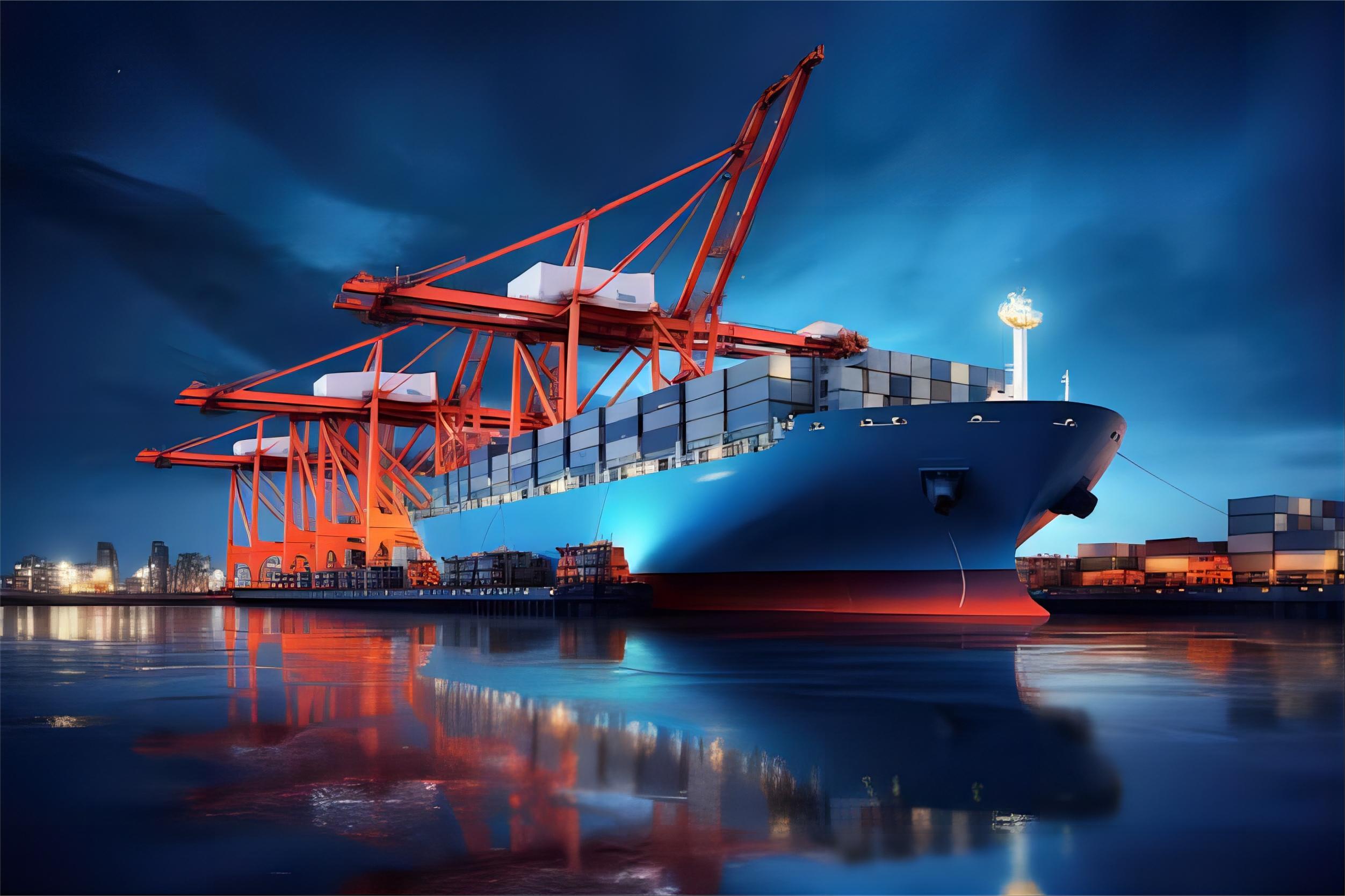
Crucially, the chosen shipping method (sea, air, rail) plays the largest role in cost variation. Furthermore, the volume and weight of your cargo directly influence the rates applied, with larger shipments often benefiting from economies of scale. Understanding these dynamics is essential for accurate budgeting.
Shipping Method and Transit Time
The primary decision between sea freight, air freight, or rail freight profoundly affects both cost and transit time. Sea freight is typically the most economical option for heavy or bulky goods, albeit with longer transit periods. Conversely, air freight offers speed but at a premium price point, suitable for urgent or high-value items.
Moreover, the specific route and potential transshipment points can also impact the total duration and associated costs. Direct routes are faster but often more expensive than routes involving multiple stops. Therefore, balancing speed and budget is a critical consideration for importers.
Cargo Volume, Weight, and Type
The dimensions and weight of your shipment directly dictate whether it qualifies for Less than Container Load (LCL) or Full Container Load (FCL) services. LCL involves sharing container space, which is cost-effective for smaller volumes, while FCL offers dedicated container use.
Additionally, the nature of your cargo can affect pricing. Hazardous materials, oversized goods, or items requiring special handling may incur additional charges due to increased complexity and regulatory requirements. Accurate cargo declarations are thus vital to avoid unexpected fees.
Origin and Destination Ports
The specific port of loading in China and the port of discharge at your destination significantly influence freight costs. Major ports generally offer more competitive rates and frequent sailings due to higher traffic volumes. Remote ports, however, may involve higher inland transportation costs.
Furthermore, geographical distance and geopolitical factors can also impact pricing and transit reliability. Shipping to North America, for instance, might have different rate structures compared to Europe. Consequently, selecting optimal port pairs is a strategic cost-saving measure.
Customs Duties, Taxes, and Documentation
Beyond the freight charges, importers must account for customs duties, taxes, and various documentation fees. These charges are levied by the destination country’s government and can vary widely based on the product type and its declared value. Customs brokerage services are often essential to navigate these complexities.
Proper classification of goods using Harmonized System (HS) codes is crucial for accurate duty assessment. Inaccurate declarations can lead to delays, penalties, and unexpected costs. Therefore, meticulous preparation of all required paperwork is non-negotiable for smooth customs clearance.
Additional Surcharges and Incoterms
Freight forwarder cost from China often includes various surcharges that fluctuate based on market conditions. These can include fuel surcharges (BAF/FAF), currency adjustment factors (CAF), peak season surcharges (PSS), and port congestion fees. Being aware of these potential additions is important.
Moreover, the chosen Incoterms (International Commercial Terms) define the responsibilities and cost allocation between buyer and seller. Terms like FOB (Free On Board) or EXW (Ex Works) significantly impact who pays for which leg of the journey, from origin to destination. Selecting the right Incoterm can optimize your cost structure.
How Does Each Shipping Method Impact Your Freight Forwarder Cost from China?
Choosing the right shipping method is paramount for managing your freight forwarder cost from China. Each option presents a unique balance of speed, cost, and capacity, catering to different business needs and cargo types.
Understanding the specific advantages and limitations of air freight, sea freight, and rail freight will enable you to make informed decisions. This comparison helps in optimizing your supply chain and reducing overall shipping expenses.
| Shipping Method | Cost Range (per kg/CBM) | Transit Time (China to Europe/NA) | Best For | Limitations |
|---|---|---|---|---|
| Sea Freight (LCL) | $50-100/CBM | 28-45 days | Small to medium volumes, non-urgent goods | Long transit, potential delays |
| Sea Freight (FCL) | $1,500-6,000/container | 14-45 days | Large volumes, heavy goods, cost-sensitive | Long transit, port congestion |
| Air Freight | $4-8/kg | 3-10 days | Urgent, high-value, perishable goods | High cost, limited volume/weight |
| Rail Freight | $0.8-1.5/kg | 18-25 days | Mid-range urgency, heavier goods than air | Limited routes, not suitable for all destinations (e.g., Australia) |
Optimizing Freight Forwarder Cost from China: Strategies for Savings
Reducing your freight forwarder cost from China requires a strategic approach and an understanding of the logistics landscape. Implementing effective cost-saving measures can significantly improve your profit margins.
These strategies range from smart cargo consolidation to leveraging technology and choosing the right partners. Consequently, proactive planning is essential for achieving the most competitive shipping rates.
Consolidating Shipments (LCL vs. FCL)
For smaller shipments, consolidating multiple orders into a single Less than Container Load (LCL) shipment can be more cost-effective than numerous small parcels. This approach allows you to share container space and associated costs with other importers.
However, if your cargo volume approaches 15-20 CBM, a Full Container Load (FCL) might become more economical. Calculating the tipping point between LCL and FCL is crucial for optimizing your freight forwarder cost from China. A freight forwarder can assist with this analysis.
Negotiating Rates and Utilizing Volume Discounts
Establishing long-term relationships with reputable freight forwarders can lead to better negotiated rates. Consistent business often earns volume discounts and more favorable terms, especially during peak seasons. Therefore, loyalty can pay off.
Furthermore, don’t hesitate to obtain quotes from multiple providers to compare pricing and services. However, always ensure you are comparing like-for-like services, as cheaper rates might sometimes imply hidden fees or slower transit times. Transparency is key.
Planning Ahead and Avoiding Peak Seasons
Advanced planning is a powerful tool for controlling your freight forwarder cost from China. Booking shipments well in advance helps avoid last-minute rush fees and secures better rates, particularly for sea freight. Spontaneous shipping is almost always more expensive.
Moreover, try to avoid shipping during peak seasons, such as Chinese New Year, Golden Week, or the pre-holiday rush (August to October). Rates typically increase 15-25% during these periods due to high demand and limited capacity. Flexibility in your delivery schedule can yield substantial savings.
Optimizing Packaging and Palletization
Efficient packaging can directly reduce your shipping costs by minimizing volumetric weight or required container space. Using lightweight but sturdy materials helps protect your goods while keeping overall weight down. Consequently, less space and weight mean lower charges.
Proper palletization also ensures cargo stability and reduces the risk of damage, preventing costly claims. Optimizing your cargo’s dimensions to fit standard container sizes or pallet configurations can lead to significant savings on your freight forwarder cost from China.
Understanding Incoterms and Their Impact on Freight Costs
Incoterms, or International Commercial Terms, are globally recognized rules that define the responsibilities of buyers and sellers for the delivery of goods. They clarify who is responsible for costs, risks, and insurance at different stages of the shipping journey. Therefore, selecting the correct Incoterm is vital for managing your freight forwarder cost from China.
Choosing the right Incoterm can significantly affect your total landed cost and operational responsibilities. For instance, EXW places maximum responsibility on the buyer, while DDP places it on the seller. Understanding these nuances helps avoid disputes and unexpected expenses.
Common Incoterms and Cost Implications
**EXW (Ex Works):** The seller makes goods available at their premises. The buyer bears all costs and risks from that point, including loading and export clearance. This option gives the buyer maximum control but also maximum responsibility and often higher freight forwarder cost from China.
**FOB (Free On Board):** The seller delivers goods on board the vessel nominated by the buyer at the named port of shipment. The seller covers costs and risks up to this point. The buyer is responsible for ocean freight, insurance, and costs from the port of loading onwards. FOB is popular for sea freight.
**CIF (Cost, Insurance and Freight):** The seller covers the cost of goods, insurance, and freight to the named port of destination. Risk transfers to the buyer once goods are on board the vessel. The buyer is responsible for import clearance and destination charges. This term offers more convenience to the buyer.
**DDP (Delivered Duty Paid):** The seller is responsible for delivering the goods to the named place in the country of importation, including all costs, risks, and duties. This provides the most convenience for the buyer, but the seller’s freight forwarder cost from China will be highest, as they manage the entire supply chain.
Real-World Examples of Freight Forwarder Cost from China
Examining actual case studies provides practical insights into the varied freight forwarder cost from China. These examples illustrate how different factors, such as cargo type, destination, and shipping method, influence the final price.
These scenarios, based on Q3 2024 market rates, highlight the importance of detailed planning and selecting the appropriate logistics solutions for diverse business needs.
Case Study 1: E-commerce Apparel to USA (FCL)
| Detail | Value |
|---|---|
| Route | Shanghai, China -> Los Angeles, USA |
| Cargo | Apparel (clothing), 65 CBM, 9,500 kg |
| Container | 1 x 40HQ |
| Shipping Details | Carrier: COSCO, Port of Loading: Shanghai, Port of Discharge: Los Angeles, Route Type: Direct |
| Cost Breakdown | |
| – Ocean Freight | $3,200 |
| – Origin Charges (THC, documentation) | $450 |
| – Destination Charges (DDC, chassis, port fees) | $600 |
| – Customs & Duties (estimated) | $1,500 |
| – Total Landed Cost | $5,750 |
| Timeline | |
| – Booking to Loading | 5 days |
| – Sea Transit | 16 days |
| – Customs Clearance | 3 days |
| – Total Door-to-Door (estimated) | 24 days |
| Key Insight | Efficient FCL booking during a stable rate period optimized costs. Proactive customs documentation avoided delays, ensuring smooth Amazon FBA shipping delivery. |
Case Study 2: Industrial Parts to Europe (LCL)
| Detail | Value |
|---|---|
| Route | Ningbo, China -> Rotterdam, Netherlands |
| Cargo | Machine components, 8 CBM, 2,000 kg |
| Container | LCL 8 CBM |
| Shipping Details | Carrier: Maersk (LCL Consolidation), Port of Loading: Ningbo, Port of Discharge: Rotterdam, Route Type: Transshipment via Singapore |
| Cost Breakdown | |
| – Ocean Freight (per CBM) | $80/CBM ($640 total) |
| – Origin Charges (THC, documentation) | $380 |
| – Destination Charges (handling, deconsolidation) | $550 |
| – Customs & Duties (estimated) | $700 |
| – Total Landed Cost | $2,270 |
| Timeline | |
| – Booking to Loading | 7 days |
| – Sea Transit | 35 days |
| – Customs Clearance | 4 days |
| – Total Door-to-Door (estimated) | 49 days |
| Key Insight | LCL was the most economical for this smaller volume. However, transshipment added a few days to transit time, which was acceptable for non-urgent industrial parts. |
Case Study 3: High-Value Electronics to Australia (Air Freight)
| Detail | Value |
|---|---|
| Route | Shenzhen, China -> Sydney, Australia |
| Cargo | Consumer electronics, 1.5 CBM (volumetric: 300 kg), 150 kg actual |
| Container | Air Cargo (Chargeable weight: 300 kg) |
| Shipping Details | Carrier: Cathay Pacific Cargo, Airport of Loading: Shenzhen (SZX), Airport of Discharge: Sydney (SYD), Route Type: Direct |
| Cost Breakdown | |
| – Air Freight (per kg chargeable) | $6.50/kg ($1,950 total) |
| – Origin Charges (handling, documentation) | $280 |
| – Destination Charges (terminal handling, security) | $350 |
| – Customs & Duties (estimated) | $400 |
| – Total Landed Cost | $2,980 |
| Timeline | |
| – Booking to Loading | 2 days |
| – Air Transit | 4 days |
| – Customs Clearance | 1 day |
| – Total Door-to-Door (estimated) | 9 days |
| Key Insight | Air freight provided rapid delivery crucial for high-value, fast-moving electronics. Despite higher unit cost, the speed justified the freight forwarder cost from China for this urgent shipment. |
Competitive Analysis: How Does Sea Freight Compare to Other Shipping Options?
When calculating the freight forwarder cost from China, comparing sea freight with other modes is essential. Each method offers distinct advantages and disadvantages regarding cost, speed, and capacity. This analysis helps you choose the optimal solution for your specific cargo and budget.
Considering all viable alternatives ensures you don’t overspend or face unnecessary delays. Furthermore, understanding these trade-offs is key to building a resilient and cost-effective supply chain strategy.
Sea Freight vs. Air Freight
Sea freight remains the backbone of international trade for its cost-effectiveness, especially for large volumes. While shipping a 40HQ container from China to Europe might cost $3,000-4,200, the same volume by air freight would easily exceed $20,000-30,000. However, sea transit takes 28-35 days, versus 5-7 days for air.
Consequently, if speed is paramount for high-value or time-sensitive goods, air freight is justified despite its higher freight forwarder cost from China. For non-urgent, heavy, or bulky items, sea freight offers significant savings. The decision hinges on your urgency and cargo characteristics.
Sea Freight vs. Rail Freight
Rail freight offers a compelling middle ground between sea and air for shipments to Europe, typically costing 30-50% less than air freight and being 10-15 days faster than sea freight. For example, a container from China to Germany via rail might cost $5,000-7,000 for a 40GP, with a transit time of 18-25 days.
However, rail freight’s applicability is limited to specific routes, primarily across the Eurasian land bridge. It’s not an option for destinations like Australia or North America. Therefore, rail is an excellent alternative for European-bound cargo where a balance of cost and speed is desired.
FCL vs. LCL: Volume Thresholds
For shipments under 15 CBM, Less than Container Load (LCL) is generally more economical. LCL rates, typically $50-100 per CBM, allow you to pay only for the space your cargo occupies. This significantly reduces your freight forwarder cost from China for smaller orders.
Conversely, if your cargo volume exceeds 15-20 CBM, a Full Container Load (FCL) becomes more cost-effective. FCL provides dedicated container space, often with faster transit times and less handling risk, making it ideal for larger volumes. Always calculate the break-even point for your specific route.
Which Option Should You Choose? A Decision Framework
Selecting the best shipping method requires evaluating your priorities and cargo characteristics. This decision framework helps clarify which option aligns best with your business goals and budget for freight forwarder cost from China.
Consider these key criteria to make an informed choice that optimizes both cost and efficiency for your supply chain. Proactive assessment prevents costly mistakes.
Budget Priority
If cost is your primary concern and time is not a critical factor, **sea freight (LCL or FCL)** is almost always the most economical choice. It offers the lowest per-unit cost for most types of goods. This is ideal for bulk orders and goods with long lead times.
However, consider **rail freight** for European destinations if you need a balance between cost and speed, as it’s cheaper than air but faster than sea. Always compare total landed cost, including all surcharges, to find the true cheapest way to ship from China.
Speed Priority
When speed is paramount for urgent orders, high-value goods, or just-in-time inventory, **air freight** is the undisputed winner. It ensures the fastest transit times, typically delivering within 3-10 days globally. This option minimizes stockout risks and capitalizes on market trends.
For slightly less urgent but still time-sensitive shipments to Europe, **rail freight** offers a viable alternative to air freight, significantly reducing transit time compared to sea options. This hybrid solution balances speed and a more manageable freight forwarder cost from China.
Cargo Type and Volume Considerations
For heavy, bulky, or non-perishable goods, **sea freight (FCL)** is the most suitable due to its capacity and cost-efficiency. Smaller, non-urgent shipments benefit from **sea freight (LCL)**, sharing container space to reduce costs.
Lightweight, high-value, perishable, or fragile items often require the speed and careful handling of **air freight**. Goods that are too heavy for air but too urgent for sea, particularly to Europe, might find **rail freight** to be the perfect fit. Always ensure your chosen method aligns with your cargo’s specific needs.
Current Market Trends and Future Outlook for Freight Forwarder Cost from China
The landscape of freight forwarder cost from China is constantly evolving, influenced by global events, economic shifts, and supply chain dynamics. Staying informed about current market trends and future outlooks is crucial for strategic planning. This proactive approach helps businesses anticipate changes and adapt their shipping strategies.
As of Q1 2025, freight rates from China to Europe have stabilized somewhat after the 2024 Red Sea disruptions, though volatility remains. Industry benchmarks indicate that while container availability has improved, labor shortages and port congestion in key regions continue to exert upward pressure on prices. Moreover, fuel costs remain a significant variable in overall freight rates.
Impact of Geopolitical Events and Supply Chain Disruptions
Geopolitical tensions, such as those impacting major shipping lanes, can cause significant rate spikes and rerouting. The Suez Canal situation, for example, led to increased transit times and higher fuel surcharges for many routes from China to Europe. Consequently, market data suggests these disruptions can add 15-25% to typical freight forwarder cost from China.
Furthermore, unforeseen events like natural disasters or pandemics can strain global logistics networks, leading to port closures, equipment shortages, and skyrocketing prices. Businesses must build resilience into their supply chain to mitigate these risks. Diversifying shipping routes and carriers is a smart strategy.
Seasonal Variations and Peak Seasons
Freight rates from China exhibit strong seasonal patterns. Rates typically increase 15-25% during August-October peak season leading up to Western holidays, and also around Chinese New Year (January/February) due to factory closures. Planning around these periods can result in considerable savings.
Conversely, the slack seasons, often in Q2 (April-June), might offer more competitive rates and better capacity. Understanding these cycles allows importers to schedule their shipments strategically, thereby optimizing their freight forwarder cost from China. Flexible delivery schedules are a valuable asset.
Technological Advancements and Sustainability Initiatives
Technological innovations, such as AI-driven logistics platforms and real-time tracking, are enhancing efficiency and transparency in freight forwarding. These advancements can help optimize routes, reduce empty container movements, and ultimately lower operational costs. Improved data analysis also aids in predicting market fluctuations.
Moreover, growing emphasis on sustainability is influencing shipping practices. Carriers are investing in greener fuels and more efficient vessels, which may impact freight rates as new environmental regulations come into effect. While potentially increasing short-term costs, these initiatives aim for long-term environmental and operational benefits.

Navigating Freight Forwarder Cost from China with Confidence
Understanding the various components that contribute to the freight forwarder cost from China is essential for successful international trade. From selecting the right shipping method to strategic planning and leveraging market insights, every decision impacts your bottom line.
By focusing on factors like cargo volume, transit time, Incoterms, and market trends, businesses can optimize their logistics strategies. Partnering with a knowledgeable freight forwarder like China Top Freight is key to securing competitive rates and ensuring smooth, efficient delivery of your goods. Make informed choices to control your shipping expenses.
Start Your Shipment
Ready to get a precise estimate for your next shipment? Contact us today for a personalized quote tailored to your specific needs. Our experts are here to help you navigate the complexities of freight forwarder cost from China and find the most efficient solution for your business.
Request Quote