

China US Air Freight Capacity Drops: Navigating the New Normal
The landscape of global trade is constantly evolving, and recent reports indicate that China US air freight capacity drops are creating significant challenges for businesses. This reduction directly impacts supply chains, leading to increased shipping costs and extended transit times. Consequently, understanding these shifts and adapting your logistics strategy is crucial for maintaining competitive advantage. Therefore, proactive planning becomes essential for importers and exporters alike.
✦
What’s Causing the China US Air Freight Capacity Drops?
Several intertwined factors contribute to the ongoing China US air freight capacity drops, creating a complex environment for international trade. Primarily, airline schedule adjustments, often a ripple effect of global events, have significantly reduced the availability of cargo space. Moreover, geopolitical tensions and evolving trade policies between China and the US can lead to unpredictable disruptions.
Furthermore, fluctuating consumer demand plays a crucial role. While passenger flights often carry belly cargo, the reduced number of passenger flights on trans-Pacific routes means less overall cargo capacity. Therefore, even small shifts in demand can have a magnified impact on available space and, consequently, on air freight market trends China to US.
Additionally, a shortage of ground staff and air cargo handlers at major airports exacerbates the problem. This operational bottleneck restricts the efficient movement of goods, further limiting effective capacity. Ultimately, these combined challenges make securing air cargo space from China increasingly difficult for many businesses.
How Do Capacity Drops Affect Your Supply Chain?
The direct consequences of reduced air cargo space China to US are multi-faceted, impacting various aspects of your supply chain operations. Most notably, businesses face significantly higher shipping costs. Carriers, with limited space, can command premium rates, leading to increased freight rates for urgent shipments.
Moreover, extended transit times become a common reality. When air capacity is scarce, goods might sit longer at airports awaiting available flights, causing shipping delays China to US air routes. This, in turn, can disrupt production schedules and delay product launches.
Finally, managing inventory effectively becomes a greater challenge. Longer lead times necessitate holding more safety stock, tying up capital and increasing warehousing costs. These disruptions highlight the need for robust inventory management and proactive logistics planning to mitigate the impact of the air freight capacity crunch China.
| Challenge | Impact on Business | Mitigation Strategy |
|---|---|---|
| Increased Freight Rates | Higher landed costs, reduced profit margins | Explore sea freight or hybrid options |
| Extended Transit Times | Delayed deliveries, missed deadlines | Plan further in advance, use express services selectively |
| Limited Space Availability | Difficulty securing bookings, unreliable schedules | Partner with freight forwarders for network access |
| Inventory Management Issues | Stockouts or excess inventory, capital tied up | Optimize inventory levels, consider alternative sourcing |
Strategies for Managing Reduced Air Freight Capacity
Given the current environment, adopting proactive strategies is essential for businesses navigating the China US air freight capacity drops. One key approach involves booking cargo space well in advance. Early reservations can help secure necessary slots, especially during peak seasons or for critical shipments.
Furthermore, maintaining flexible shipping plans is paramount. This means being prepared to adjust routes, carriers, or even modes of transport based on real-time market conditions. A rigid approach can lead to costly delays and missed opportunities.
Additionally, diversifying your carrier portfolio can provide a safety net. Relying on a single airline or forwarder might limit your options during capacity crunches. Therefore, working with multiple partners can offer greater flexibility and access to different networks. This approach helps in managing air freight costs China to US more effectively.
Alternative Shipping Solutions When Air Freight is Scarce
When China US air freight capacity drops, exploring alternative shipping routes China to US becomes a necessity for many importers. Sea freight, while slower, presents a significantly more cost-effective option for non-urgent or bulky goods. Furthermore, it offers substantially higher capacity, making it a reliable choice for large volumes.
Another viable option is multimodal or hybrid solutions, such as sea-air combinations. For instance, goods might travel by sea from China to a European hub, then transition to air freight for the final leg to the US. This approach balances speed and cost, providing a middle ground for certain types of cargo.
Although direct rail freight from China to the US is not feasible, rail can be an excellent option for shipments destined for Europe. From there, goods can be dispatched to the US via sea or air. Therefore, understanding these alternative shipping routes China to US is crucial for maintaining supply chain resilience. Consider leveraging rail freight for transcontinental European shipments before onward dispatch.
How Does Air Freight Compare to Other Shipping Options?
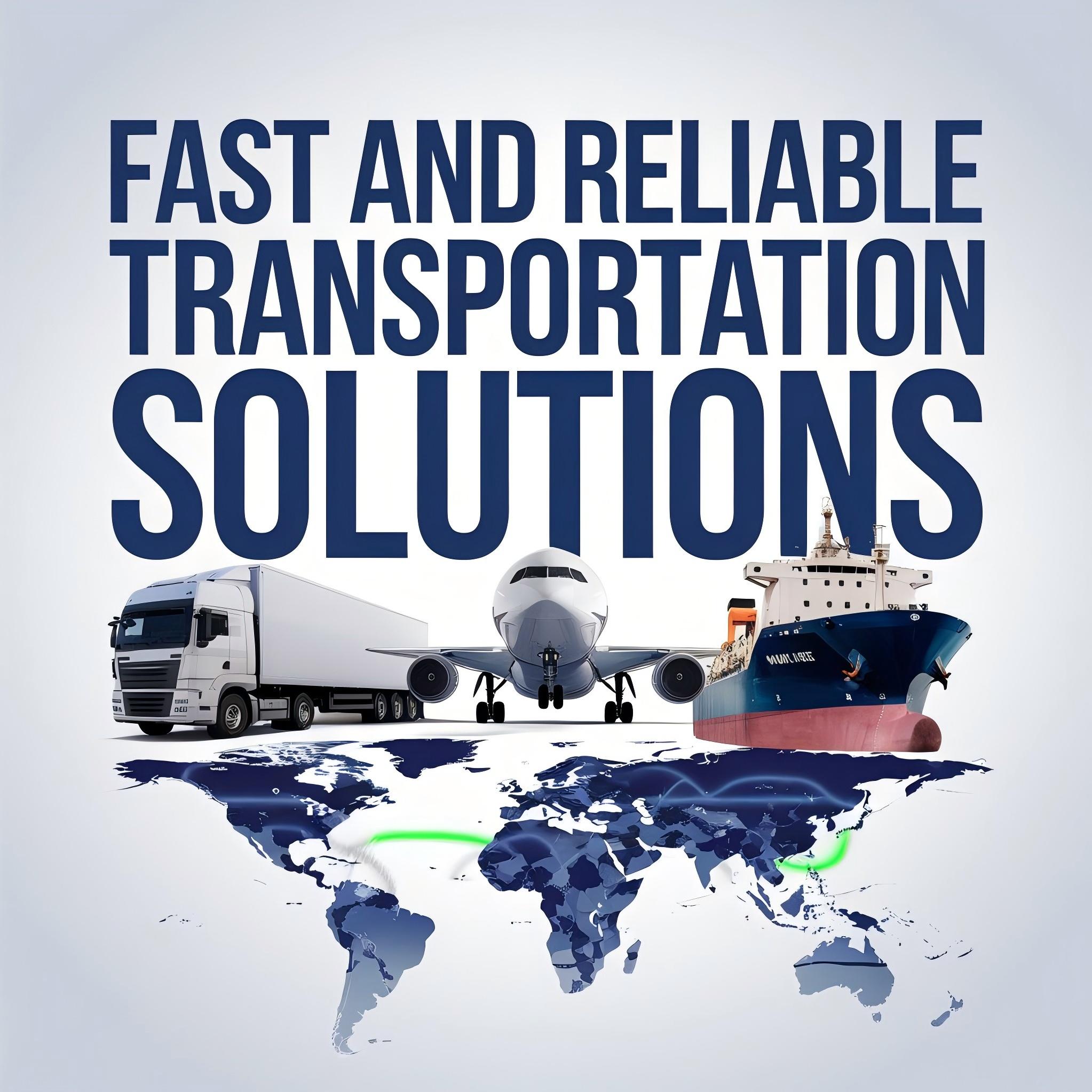
Understanding the trade-offs between different shipping methods is vital, particularly when China US air freight capacity drops. Each option offers distinct advantages and disadvantages concerning cost, speed, and suitability for various cargo types. Consequently, a comprehensive comparison helps in making informed logistics decisions.
Air freight remains the fastest option, ideal for high-value, time-sensitive, or perishable goods. However, its cost per unit is significantly higher, and it has the lowest capacity. Moreover, it is most vulnerable to capacity drops and surcharges, making it a premium service.
Sea freight, conversely, is the most economical choice for large volumes and heavy goods. While transit times are considerably longer (weeks instead of days), its vast capacity and lower carbon footprint make it a sustainable option. However, it requires more lead time for planning and is subject to port congestion.
Rail freight, primarily for China to Europe routes, offers a balance of speed and cost compared to sea freight for that specific corridor. It is faster than sea but slower than air, and generally more expensive than sea. For China to US, a direct rail option does not exist; therefore, it would involve multimodal transport via Europe.
Hybrid solutions, such as sea-air, aim to combine the benefits of both. Goods travel by sea for the longer, cheaper leg and then switch to air for faster final delivery. This method can offer a good compromise when both speed and cost efficiency are critical factors.
| Shipping Method | Cost Range (per kg/CBM) | Transit Time (China-US) | Best For | Limitations |
|---|---|---|---|---|
| Air Freight | High ($4-8/kg+) | 3-7 days | Urgent, high-value, small volume | Capacity constraints, high cost, fuel surcharges |
| Sea Freight (FCL/LCL) | Low ($0.5-2/kg) | 15-35 days | Bulky, non-urgent, heavy, large volume | Slow, port congestion, longer lead times |
| Rail Freight (China-Europe then Sea/Air) | Medium ($2-4/kg) | 20-30 days (total) | Europe-bound cargo, less urgent than air | Not direct to US, requires transshipment |
| Sea-Air Hybrid | Medium-High ($3-6/kg) | 10-18 days | Moderately urgent, balanced cost/speed | More complex logistics, potential for delays at transfer points |
Which Shipping Option Should You Choose? A Decision Framework
Selecting the optimal shipping method, especially when China US air freight capacity drops, requires a clear decision framework. Your choice should align with specific business priorities, cargo characteristics, and budget considerations. Therefore, evaluate these factors carefully to make the best logistical decision.
If budget is your primary concern, sea freight is almost always the most economical option. It allows for significant cost savings, particularly for large or heavy shipments, albeit with longer transit times. Consequently, plan further ahead to capitalize on these savings.
Conversely, if speed is paramount, air freight remains the fastest choice for urgent deliveries. This is often the case for time-sensitive products or to prevent stockouts. However, be prepared for the higher costs associated with this expedited service, especially with current capacity limitations.
Cargo type also heavily influences the decision. Perishable goods, high-value electronics, or fashion items with short seasons often necessitate air freight. In contrast, durable goods, raw materials, or bulk commodities are typically better suited for sea transport. Furthermore, for e-commerce sellers, optimizing supply chains China to US with Amazon FBA services often involves a mix of both to balance speed and cost.
Finally, volume thresholds play a critical role. For very small, lightweight packages, express couriers might be efficient. For shipments under 15 CBM, LCL (Less than Container Load) sea freight is often more economical than a full container. However, for larger volumes, FCL (Full Container Load) sea freight provides the best value.
Real-World Case Studies: Navigating Capacity Constraints
These case studies illustrate how businesses have adapted their shipping strategies in response to challenges like the China US air freight capacity drops. They highlight the importance of flexibility and expert guidance in complex logistical environments. Consequently, understanding these scenarios can inform your own decision-making process.
Case Study 1: Urgent Electronics Shipment
A tech startup needed to rush a batch of new smartwatches for a product launch event in the US. With critical deadlines approaching and China US air freight capacity drops impacting standard services, a premium solution was essential. The priority was speed over cost.
Despite the high cost, the strategic choice of express air freight, combined with proactive customs brokerage, ensured the products arrived on schedule. This decision prevented significant financial losses from a delayed launch. Based on Q3 2024 market rates, this was a common scenario for high-value, time-sensitive goods.
| Detail | Description |
|---|---|
| Route | Shenzhen, China -> Los Angeles, USA |
| Cargo | Smartwatches, 2 CBM, 250 kg |
| Shipping Method | Express Air Freight |
| Carrier/Service | Major air cargo carrier |
| Port of Loading | Shenzhen Bao’an International Airport (SZX) |
| Port of Discharge | Los Angeles International Airport (LAX) |
| Cost Breakdown (Estimated) | Air Freight: $1,800 (premium rate); Origin Charges: $150; Destination Charges: $100; Customs & Duties (estimated): $300; Total Landed Cost: $2,350 |
| Timeline | Booking to Loading: 1 day; Air Transit: 2 days; Customs Clearance: 1 day; Total Door-to-Door: 4 days |
| Key Insight | Premium air freight and expert customs clearance enabled a critical on-time product launch amidst capacity challenges. |

Case Study 2: Seasonal Apparel Import
A fashion retailer faced rising air freight costs for their seasonal apparel collections due to the ongoing China US air freight capacity drops. Their typical strategy was full air freight to meet seasonal demand, but current rates were unsustainable. They needed a balance of speed and cost.
The solution involved a sea-air hybrid approach. Apparel was shipped by sea from Shanghai to Dubai, then air freighted from Dubai to Chicago. This significantly reduced overall shipping costs compared to direct air, while still being faster than pure sea freight. Typical rates as of early 2025 reflect the cost-saving potential of such hybrid routes.
| Detail | Description |
|---|---|
| Route | Shanghai, China -> Chicago, USA (via Dubai) |
| Cargo | Seasonal Apparel, 10 CBM, 1500 kg |
| Shipping Method | Sea-Air Hybrid |
| Carrier/Service | Multimodal freight forwarder |
| Port of Loading | Shanghai Port (ocean) / Shanghai Pudong Airport (air) |
| Port of Discharge | Jebel Ali Port, Dubai (sea); O’Hare International Airport, Chicago (air) |
| Cost Breakdown (Estimated) | Ocean Freight (Shanghai-Dubai): $800; Air Freight (Dubai-Chicago): $3,000; Origin/Destination Charges: $300; Customs & Duties (estimated): $500; Total Landed Cost: $4,600 |
| Timeline | Booking to Loading: 3 days; Sea Transit: 12 days; Air Transit: 3 days; Customs Clearance: 2 days; Total Door-to-Door: 20 days |
| Key Insight | A sea-air hybrid strategy offered a cost-effective alternative, balancing speed for seasonal goods without the full expense of direct air freight. |
Case Study 3: Large Volume E-commerce Goods
An e-commerce business specializing in home goods needed to replenish its Amazon FBA inventory. With the substantial volume and the critical need for timely stocking, they sought an efficient and reliable door-to-door delivery solution. The China US air freight capacity drops made direct air freight too expensive.
They opted for FCL sea freight with expedited customs clearance and direct delivery to Amazon FBA warehouses. This approach maximized cost efficiency for the large volume while ensuring compliance and timely delivery to the fulfillment centers. Market data suggests this is a common strategy for large-volume e-commerce imports.
| Detail | Description |
|---|---|
| Route | Ningbo, China -> Dallas, USA (Amazon FBA) |
| Cargo | Home Decor Items, 28 CBM, 8,000 kg |
| Container | 40GP FCL |
| Shipping Method | Sea Freight (FCL) |
| Carrier/Service | COSCO |
| Port of Loading | Ningbo Port |
| Port of Discharge | Houston Port |
| Cost Breakdown (Estimated) | Ocean Freight: $3,500; Origin Charges: $400; Destination Charges: $500; Customs & Duties (estimated): $800; Drayage to FBA: $600; Total Landed Cost: $5,800 |
| Timeline | Booking to Loading: 5 days; Sea Transit: 28 days; Customs Clearance: 3 days; Drayage to FBA: 2 days; Total Door-to-Door: 38 days |
| Key Insight | FCL sea freight with dedicated FBA services provided a cost-effective and reliable solution for large-volume e-commerce inventory replenishment. |
Market Outlook and Future Trends for China US Air Cargo
The current market volatility, marked by ongoing China US air freight capacity drops, suggests a continued need for adaptive logistics strategies. Industry experts predict that capacity might remain constrained in the short to medium term. Therefore, businesses must prepare for a landscape where flexibility is key.
Geopolitical factors will undoubtedly continue to influence trade policies and, consequently, air cargo availability. Furthermore, evolving consumer purchasing habits and the growth of e-commerce will place sustained pressure on express shipping alternatives China US. This dynamic environment necessitates constant monitoring of logistics trends.
However, technological advancements in cargo handling and route optimization offer some promise for future efficiencies. Investing in robust logistics partnerships and leveraging data analytics can help businesses navigate these complexities. Ultimately, a proactive stance on import/export planning is essential for long-term success.
Optimizing Your Logistics with Expert Partners
In light of the persistent China US air freight capacity drops, partnering with an experienced freight forwarder is more critical than ever. Such a partner can offer invaluable insights and access to a broad network of carriers and shipping solutions. Consequently, they can help you secure better rates and more reliable transit times.
A reliable logistics provider understands the nuances of global supply chains and can proactively identify potential disruptions. They can also assist with complex customs procedures and ensure compliance, streamlining your import/export operations. This expertise is vital for navigating air cargo disruptions China effectively.
Furthermore, a professional forwarder can help you explore hybrid solutions, optimize your delivery schedule, and implement cost-saving strategies tailored to your specific needs. They act as an extension of your team, ensuring your cargo reaches its destination efficiently. For comprehensive solutions, visit China Top Freight.

Conclusion: Adapting to a Changing Air Freight Landscape
In summary, the ongoing China US air freight capacity drops present significant challenges for businesses reliant on trans-Pacific shipping. Rising costs, extended transit times, and limited space necessitate a strategic re-evaluation of logistics approaches. Proactive planning, diversifying shipping methods, and leveraging expert partnerships are crucial for resilience.
By understanding the market dynamics and embracing flexible solutions, businesses can mitigate risks and maintain efficient supply chains. Ultimately, staying informed and adaptable is key to thriving in this evolving global trade environment. Consider your options carefully to counteract the impact of these capacity reductions.