

Best FCL Shipping from China to Italy: Your Ultimate Guide
Navigating international logistics, especially for full container load (FCL) shipments, can be a complex endeavor. Businesses often face challenges like fluctuating freight rates, lengthy transit times, and intricate customs procedures when shipping from China to Italy. This comprehensive guide aims to simplify the process, offering clear insights and practical advice to ensure your cargo arrives efficiently and cost-effectively. For seamless international freight solutions, visit China Top Freight.

What is FCL Shipping and Why Choose It for China to Italy?
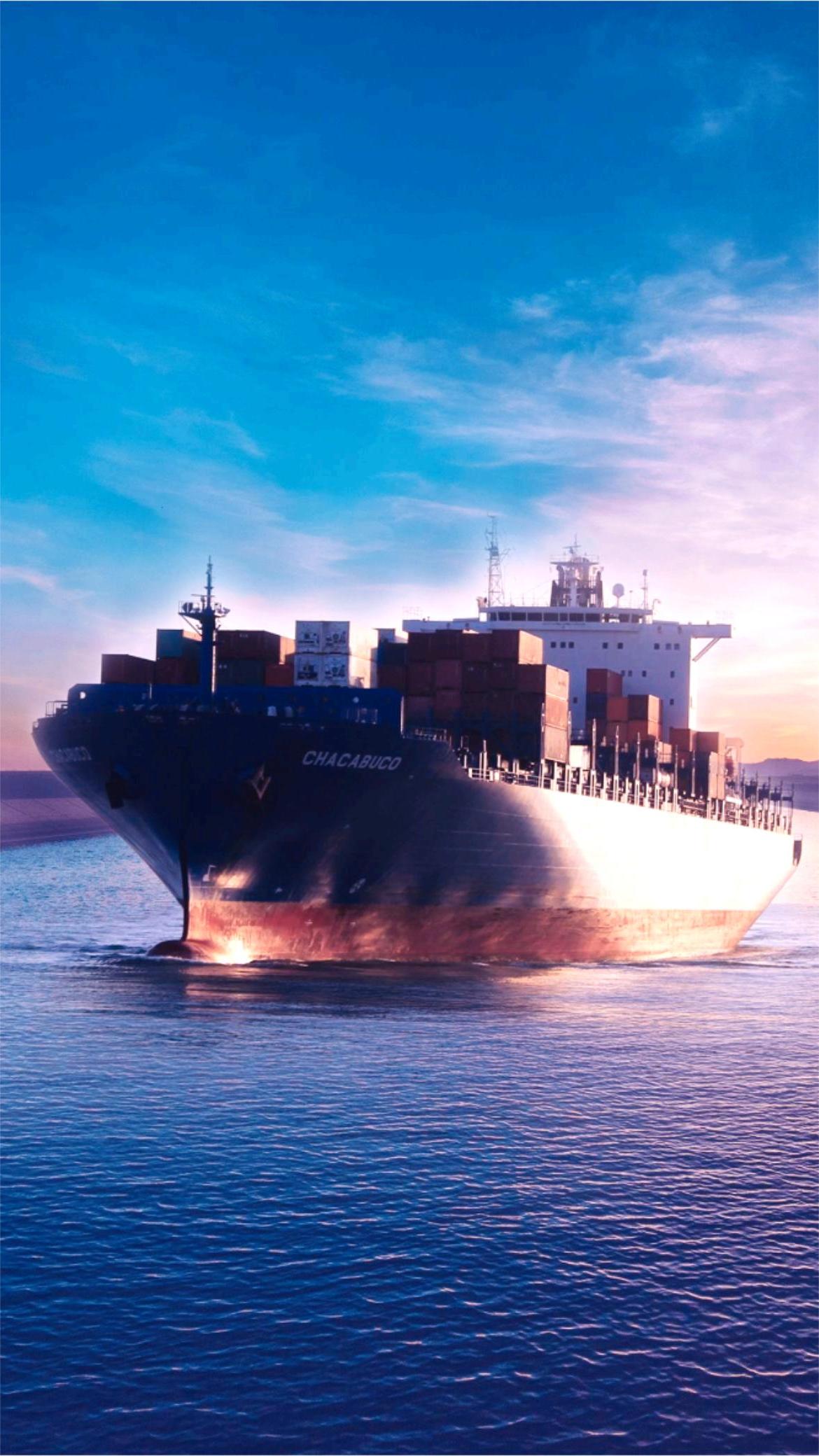
Full Container Load (FCL) shipping involves booking an entire container exclusively for your cargo, regardless of whether it fills the space completely. This method is particularly popular for businesses with large volumes, ensuring dedicated space and enhanced security for goods traveling from China to Italy.
Choosing FCL over Less than Container Load (LCL) offers several distinct advantages. Primarily, it minimizes handling, reducing the risk of damage or loss during transit. Moreover, FCL generally provides faster transit times because there are no delays for consolidation or deconsolidation with other shippers’ goods.
Understanding FCL Shipping Costs from China to Italy
Determining the exact FCL freight rates China to Italy involves numerous variables. Key cost components include the ocean freight charge, which is the primary fee for transporting the container by sea. Additionally, origin charges cover local trucking, terminal handling, and documentation fees at the Chinese port.
Upon arrival, destination charges in Italy encompass terminal handling, customs clearance fees, and potentially drayage to the final delivery point. Furthermore, customs duties and taxes, calculated based on the cargo’s Harmonized System (HS) code and value, are significant considerations. The container type (20ft, 40ft, or 40HQ container shipping China to Italy) also heavily influences the overall cost.
Market conditions, fuel surcharges, and peak seasons can cause significant fluctuations in shipping costs. For instance, rates often rise before major holidays or during periods of high demand. Therefore, securing an accurate quote from a reliable FCL forwarder China to Italy is always advisable.
Note: Freight rates are subject to change based on fuel costs, carrier capacity, and seasonal demand. Contact us for a current quote tailored to your specific shipment.
| Container Type | Typical Cost Range (USD) | Estimated Transit Time | Best For |
|---|---|---|---|
| 20GP (20-foot General Purpose) | $1,800 – $2,500 | 28 – 35 days | Smaller FCL shipments (up to ~28 CBM) |
| 40GP (40-foot General Purpose) | $2,800 – $3,800 | 28 – 35 days | Medium to large FCL shipments (up to ~58 CBM) |
| 40HQ (40-foot High Cube) | $3,000 – $4,200 | 28 – 35 days | Bulky, lightweight FCL shipments (up to ~68 CBM) |
Navigating Transit Times and Routes for FCL Shipments
The transit time FCL China Italy is a crucial factor for supply chain planning. Typically, a direct FCL shipment from major Chinese ports like Shanghai, Ningbo, or Shenzhen to key Italian ports such as Genoa, Livorno, or La Spezia takes approximately 28 to 35 days. This duration can vary based on the specific carrier, vessel speed, and route.
Some routes may involve transshipment through intermediate hubs, which can add a few extra days to the overall delivery schedule. Selecting a direct service, while sometimes slightly pricier, often provides a more predictable and faster journey. Understanding port congestion at both origin and destination is also vital for accurate planning.
Optimizing FCL logistics China Italy involves careful route selection and understanding vessel schedules. Working with an experienced forwarder can help identify the most efficient and reliable routes for your cargo, minimizing potential delays and ensuring timely arrival.
Essential Documentation and Customs Clearance for Italy Imports
Smooth customs clearance FCL Italy is paramount for avoiding delays and unexpected costs. Importers must prepare a comprehensive set of documents accurately and in advance. These typically include the Bill of Lading (BOL), which acts as a contract of carriage and title to the goods.
Furthermore, a Commercial Invoice detailing the goods’ value, quantity, and buyer/seller information is required. A Packing List, outlining the contents of each package, and a Certificate of Origin, verifying the goods’ country of manufacture, are also essential. Adhering to Italy’s specific import regulations from China is crucial.
Partnering with a proficient customs brokerage service simplifies this complex process. They can ensure all documentation complies with Italian customs laws and handle the declaration process efficiently. This expertise is vital for navigating potential tariffs and avoiding penalties.
| Document | Purpose | Issued By |
|---|---|---|
| Bill of Lading (BOL) | Contract of carriage, receipt of goods, title document | Carrier/Freight Forwarder |
| Commercial Invoice | Details of goods, value, and transaction terms for customs | Exporter |
| Packing List | Itemized list of contents in each package or container | Exporter |
| Certificate of Origin | Verifies the country where goods were manufactured | Chamber of Commerce/Authorized Body |
| Customs Declaration | Formal declaration of goods to customs authorities | Importer/Customs Broker |

How Does FCL Compare to Other Shipping Options?
When considering the best FCL shipping from China to Italy, it is important to evaluate alternative logistics trends and methods. Each option presents unique advantages and trade-offs concerning cost, speed, and cargo handling capabilities. Understanding these differences helps in making informed decisions for your supply chain solutions China Italy.
For example, while sea freight FCL is generally the most cost-effective for large volumes, air freight offers unparalleled speed for urgent shipments. Similarly, Less than Container Load (LCL) might be suitable for smaller volumes, but it comes with longer transit times due to consolidation processes. Rail freight, while not direct from China to Italy by rail, can be part of a multimodal transport solution to Europe, offering a balance of speed and cost.
Consider a hybrid solution, such as sea-rail or sea-air, for specific scenarios where a balance between speed and cost is critical. For instance, shipping by sea to a European hub and then by rail to Italy can reduce overall transit time compared to an all-sea route, albeit at a higher cost. These alternative strategies are crucial for optimizing your import/export operations.
| Shipping Method | Cost Range (per kg/CBM) | Typical Transit Time | Best For | Limitations |
|---|---|---|---|---|
| FCL Sea Freight | $0.05 – $0.15/kg | 28 – 35 days | Large volumes (15+ CBM), cost-sensitive cargo | Slowest transit, port congestion risks |
| LCL Sea Freight | $0.10 – $0.25/kg | 35 – 45 days | Smaller volumes (1-15 CBM), flexible delivery | Longer transit, more handling, higher per-unit cost |
| Air Freight | $4.00 – $8.00/kg | 3 – 7 days | Urgent, high-value, small volume cargo | Highest cost, limited by weight/volume |
| Rail Freight (to Europe hub) | $0.50 – $1.50/kg | 15 – 20 days (to central Europe) | Time-sensitive, medium-volume cargo to central Europe | Limited direct routes to Italy, higher than sea, lower than air |
Case Studies: Real-World FCL Shipments from China to Italy
These real-world examples illustrate the complexities and successful execution of FCL shipments from China to Italy. They highlight how strategic planning and expert execution can overcome common challenges in international logistics.
Based on Q4 2024 market rates, these scenarios provide a realistic overview of typical costs and timelines. Please note that actual rates can vary based on specific conditions at the time of booking.
Case Study 1: Electronics Shipment to Milan
| Detail | Description | ||||
|---|---|---|---|---|---|
| Route | Shanghai, China -> Genoa, Italy | ||||
| Cargo | Consumer electronics, 55 CBM, 9,500 kg | ||||
| Container | 40GP | ||||
| Shipping Details | Carrier/Service: COSCO, Port of Loading: Shanghai, Port of Discharge: Genoa, Route Type: Direct | ||||
| Cost Breakdown | Ocean Freight: $3,200 | Origin Charges (THC, documentation): $450 | Destination Charges: $550 | Customs & Duties (estimated): $1,200 | Total Landed Cost: $5,400 |
| Timeline | Booking to Loading: 5 days | Sea Transit: 30 days | Customs Clearance: 3 days | Total Door-to-Door: 38 days | |
| Key Insight | Efficient booking during off-peak season secured competitive rates and a direct vessel, minimizing transit time for time-sensitive goods. |
Case Study 2: Furniture Import to Rome
| Detail | Description | ||||
|---|---|---|---|---|---|
| Route | Ningbo, China -> Livorno, Italy | ||||
| Cargo | Flat-pack furniture, 65 CBM, 11,000 kg | ||||
| Container | 40HQ | ||||
| Shipping Details | Carrier/Service: MSC, Port of Loading: Ningbo, Port of Discharge: Livorno, Route Type: Transshipment via Singapore | ||||
| Cost Breakdown | Ocean Freight: $3,800 | Origin Charges (THC, documentation): $500 | Destination Charges: $600 | Customs & Duties (estimated): $1,500 | Total Landed Cost: $6,400 |
| Timeline | Booking to Loading: 7 days | Sea Transit: 34 days | Customs Clearance: 4 days | Total Door-to-Door: 45 days | |
| Key Insight | Choosing a reputable carrier with reliable transshipment connections helped manage costs, despite a slightly longer transit, ensuring secure FCL transport China to Italy. |
Case Study 3: Industrial Machinery to Naples
| Detail | Description | ||||
|---|---|---|---|---|---|
| Route | Shenzhen, China -> Naples, Italy | ||||
| Cargo | Small industrial machinery, 25 CBM, 15,000 kg | ||||
| Container | 20GP | ||||
| Shipping Details | Carrier/Service: Maersk, Port of Loading: Shenzhen, Port of Discharge: Naples, Route Type: Direct | ||||
| Cost Breakdown | Ocean Freight: $2,300 | Origin Charges (THC, documentation): $400 | Destination Charges: $500 | Customs & Duties (estimated): $1,000 | Total Landed Cost: $4,200 |
| Timeline | Booking to Loading: 6 days | Sea Transit: 32 days | Customs Clearance: 3 days | Total Door-to-Door: 41 days | |
| Key Insight | Careful planning for heavy cargo ensured compliance with weight limits. A direct route was chosen for its reliability, supporting the client’s production schedule and optimizing FCL logistics China Italy. |
Choosing the Right FCL Freight Forwarder for Your Shipments
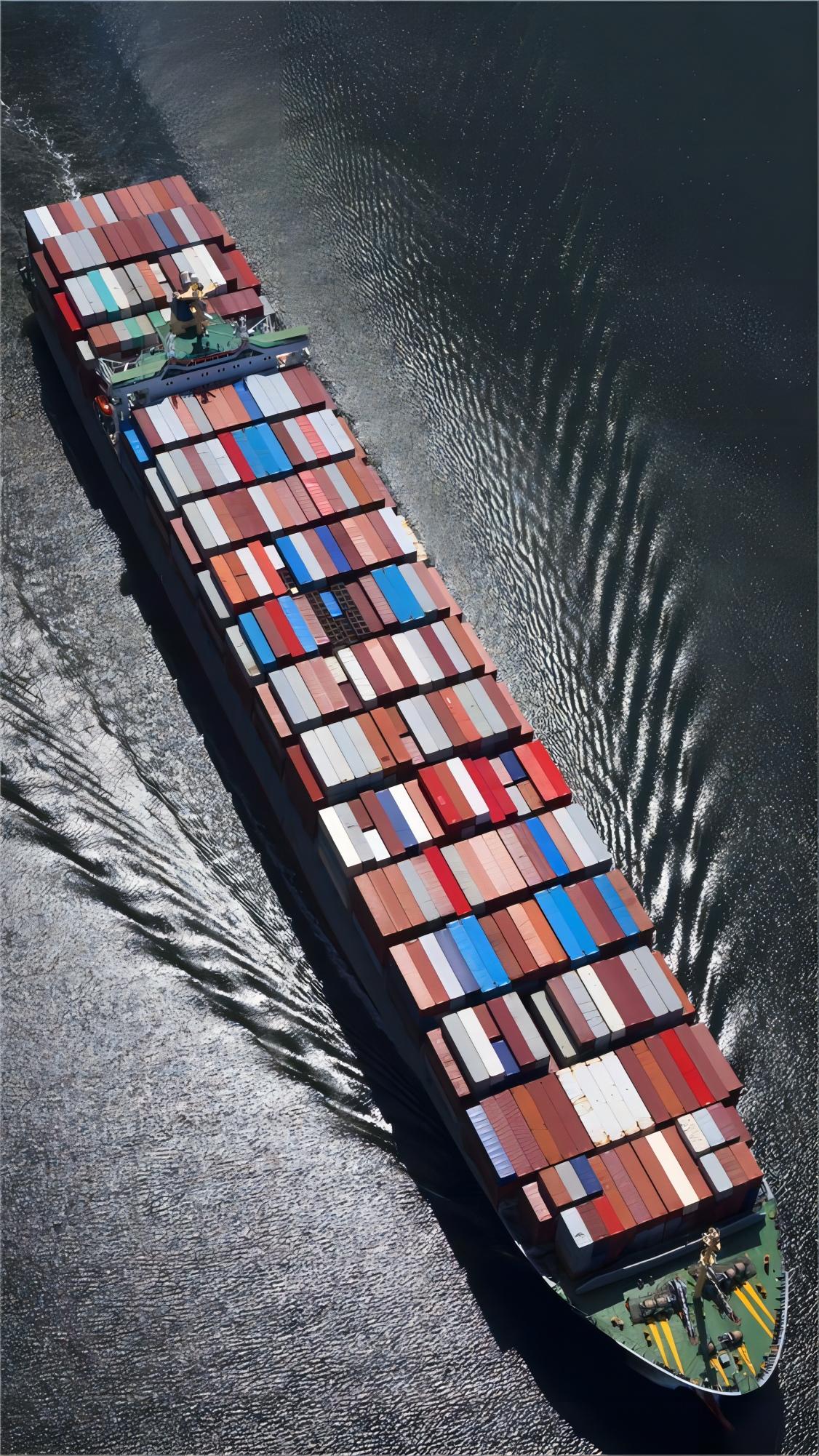
Selecting a reliable FCL forwarder China to Italy is a pivotal decision for any business. An experienced partner can significantly streamline your operations, offering expertise in everything from vessel space negotiation to managing complex customs procedures. Look for a forwarder with a proven track record and comprehensive network.
Consider their communication efficiency and transparency regarding costs and transit updates. A good forwarder should provide clear visibility throughout the shipping process. Furthermore, inquire about their range of services, including door-to-door services, which can simplify your entire supply chain. They often have access to guaranteed FCL space even during peak seasons.
Ultimately, the right partner acts as an extension of your team, providing invaluable support for your import/export needs. They can offer tailored supply chain solutions China Italy, helping you navigate potential challenges such as port congestion or unexpected delays with proactive solutions.
Which FCL Option Should You Choose? A Decision Framework
Making the optimal choice for your FCL shipping from China to Italy depends on several key priorities. By evaluating your specific needs against available options, you can select the most suitable and cost-effective solution for your cargo.
If budget is your primary concern, standard FCL sea freight with a slightly longer transit time often presents the most economical choice. Conversely, if speed is paramount, consider premium FCL services or explore hybrid solutions like sea-rail to significantly reduce transit duration, albeit at a higher cost. Cargo type considerations also play a role; for instance, delicate or high-value goods might benefit from more direct routes and enhanced security measures.
Furthermore, volume thresholds for switching methods are critical. If your shipment consistently exceeds 15-20 CBM, FCL is almost always more economical than LCL. Always consider the total landed cost, including all charges and potential risks, when making your final decision.
Conclusion
In conclusion, mastering the complexities of the best FCL shipping from China to Italy requires a strategic approach and a reliable logistics partner. By understanding the cost factors, transit times, documentation, and various shipping alternatives, businesses can make informed decisions.
Partnering with an experienced freight forwarder ensures efficient, secure, and cost-effective delivery of your full container loads, strengthening your supply chain between China and Italy.
Start Your Shipment
Ready to optimize your FCL shipping from China to Italy? Our team of experts is prepared to provide tailored solutions and competitive quotes for your specific cargo needs. Contact us today to discuss your logistics requirements and streamline your international supply chain.
Request Quote