

Ocean Freight from China: Your Ultimate Shipping Guide
Exploring ocean freight from China is crucial for businesses aiming to import goods efficiently and cost-effectively. This comprehensive guide will demystify the complexities of international shipping, offering clear insights into optimizing your supply chain. We will cover everything from understanding freight rates to navigating customs, ensuring your cargo arrives safely and on schedule.

What is Ocean Freight from China and Why Choose It?
Ocean freight, often referred to as sea freight, involves transporting goods via cargo ships across oceans. This method is a cornerstone of global trade, especially for large volumes of goods originating from China. It offers unparalleled cost-effectiveness for bulk shipments.
Typically, businesses opt for ocean shipping when budget is a primary concern and transit time is flexible. Consequently, it supports the global supply chain for a vast array of products, from raw materials to finished consumer goods. Understanding its fundamental benefits is essential for any importer.
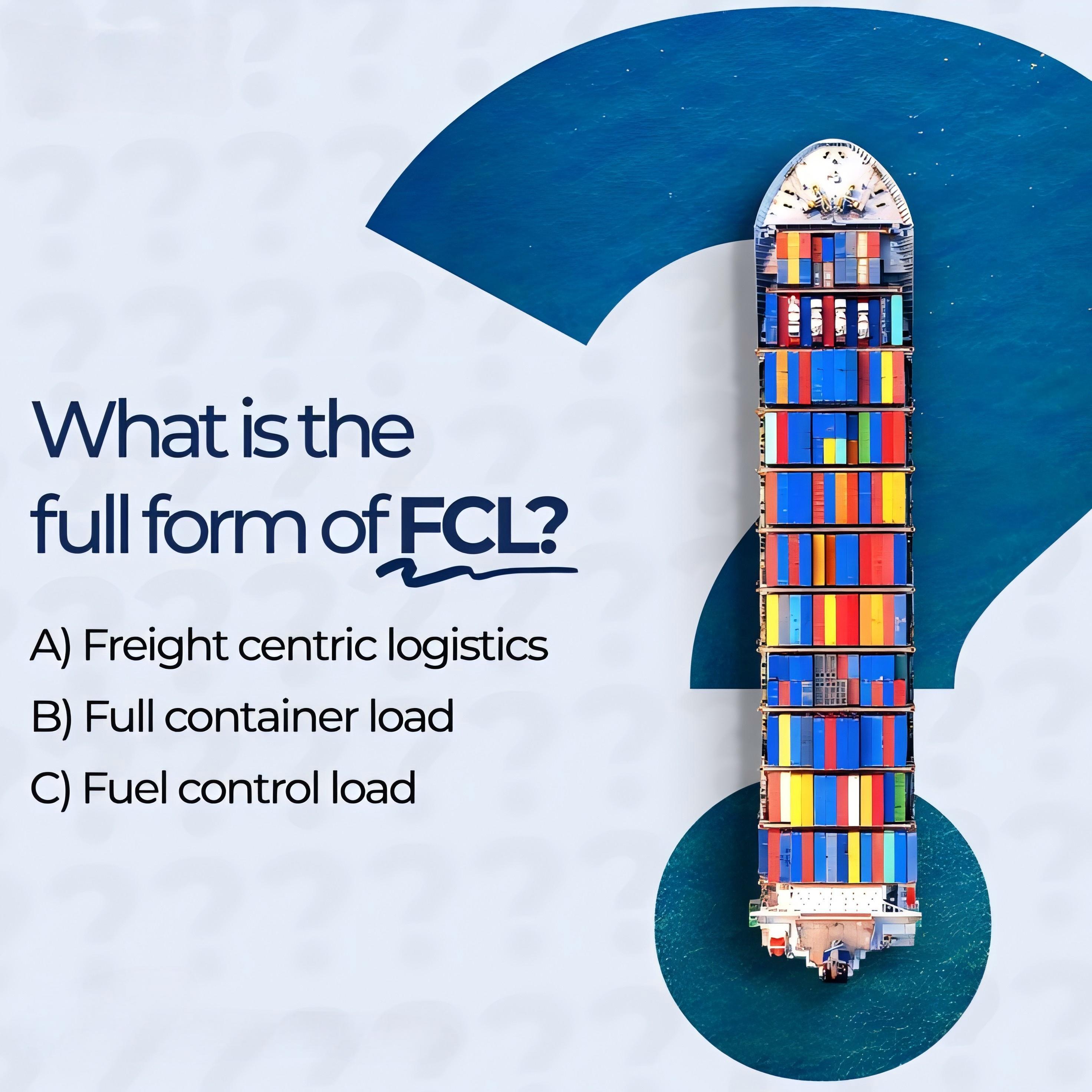
Understanding FCL and LCL: Which Option Suits Your Cargo?
When shipping goods via ocean freight from China, you will encounter two primary options: Full Container Load (FCL) and Less than Container Load (LCL). Choosing between them significantly impacts your shipping costs and delivery schedule.
FCL means your goods fill an entire shipping container, whether it’s a 20-foot or 40-foot unit. This option is ideal for larger shipments, offering faster transit times and reduced handling risks. Conversely, LCL involves sharing container space with other shippers’ goods, making it perfect for smaller volumes that do not require a full container.
| Container Type | Capacity (Approx.) | Best For | Key Advantage |
|---|---|---|---|
| 20-foot GP (General Purpose) | 33 CBM (Cubic Meters) | Smaller FCL shipments, heavy goods | Cost-effective for moderate volumes |
| 40-foot GP (General Purpose) | 67 CBM | Medium to large FCL shipments | Double the capacity of 20GP |
| 40-foot HQ (High Cube) | 76 CBM | Voluminous, lighter FCL shipments | Maximum capacity for standard cargo |
| LCL (Less than Container Load) | 1-15 CBM | Small shipments, samples, personal effects | Economical for low volumes |
Key Factors Influencing Ocean Freight Costs from China
Several critical factors determine the overall sea freight cost when importing from China. These include the volume and weight of your cargo, the chosen shipping method (FCL or LCL), and the specific origin and destination ports. Furthermore, market dynamics and seasonal demand play a significant role.
Moreover, additional charges like port handling fees, customs duties, and surcharges for fuel or equipment can add to the base freight rates. Consequently, obtaining a detailed quote that outlines all potential expenses is vital for accurate budget planning and avoiding unexpected costs. Understanding these elements helps manage your import/export budget effectively.

How Does Ocean Freight Compare to Other Shipping Options?
Choosing the right shipping method from China is a strategic decision, balancing speed, cost, and cargo requirements. While ocean freight excels in cost-efficiency for bulk, other options like air freight and rail freight offer distinct advantages for different scenarios. For instance, air freight is significantly faster but more expensive, suitable for urgent or high-value goods. Consider your priorities carefully.
Rail freight, primarily for routes to Europe and Central Asia, offers a middle ground in terms of speed and cost. However, it is not an option for destinations like Australia or North America due to geographical limitations. Evaluating all viable alternatives ensures you select the most appropriate logistics solution for your specific needs.
| Shipping Method | Cost Range (Avg.) | Transit Time (Avg.) | Best For | Limitations |
|---|---|---|---|---|
| Ocean Freight (FCL) | Low (e.g., $2,000-4,500/40HQ) | 20-45 days | Large volumes, heavy goods, non-urgent | Slow, port congestion risks |
| Ocean Freight (LCL) | Medium-Low (e.g., $50-100/CBM) | 25-50 days | Small volumes, samples, flexible delivery | More handling, potential delays |
| Air Freight | High (e.g., $4-8/kg) | 3-8 days | Urgent, high-value, perishable goods | Expensive, limited by size/weight |
| Rail Freight (China-Europe) | Medium (e.g., $6,000-9,000/40HQ) | 15-25 days | Time-sensitive, heavy goods to Europe | Limited routes, less frequent than sea |
Navigating Customs Clearance and Documentation for China Imports
Effective customs brokerage is paramount for smooth ocean freight from China. Proper documentation prevents delays, penalties, and ensures compliance with international trade regulations. Key documents include the Commercial Invoice, Packing List, Bill of Lading, and Certificate of Origin.
Furthermore, depending on the product, you might need specific licenses or permits. Engaging an experienced freight forwarder or customs broker can streamline this complex process. They ensure all paperwork is accurate and submitted on time, facilitating a hassle-free import experience.
Real-World Ocean Freight Scenarios from China
Case Study 1: Large Volume Electronics to USA West Coast
| Detail | Value |
|---|---|
| Route | Shenzhen, China -> Los Angeles, USA |
| Cargo | Consumer Electronics (TVs, laptops), 70 CBM, 12,000 kg |
| Container | 1 x 40HQ |
| Shipping Details | |
| – Carrier/Service | COSCO |
| – Port of Loading | Yantian, Shenzhen |
| – Port of Discharge | Port of Los Angeles |
| – Route Type | Direct service |
| Cost Breakdown (Based on Q3 2024 market rates) | |
| – Ocean Freight | $3,500 |
| – Origin Charges (THC, documentation) | $380 |
| – Destination Charges | $450 |
| – Customs & Duties (estimated) | $1,800 |
| – Total Landed Cost | $6,130 |
| Timeline | |
| – Booking to Loading | 5 days |
| – Sea Transit | 16 days |
| – Customs Clearance | 3 days |
| – Total Door-to-Door | 24 days |
| Key Insight | Efficient direct service minimized transit time, but port congestion upon arrival added a small delay to final delivery schedule. |
Case Study 2: Apparel LCL Shipment to Europe
| Detail | Value |
|---|---|
| Route | Ningbo, China -> Hamburg, Germany |
| Cargo | Fashion Apparel, 8 CBM, 1,500 kg |
| Container | LCL 8 CBM |
| Shipping Details | |
| – Carrier/Service | Major LCL consolidator |
| – Port of Loading | Ningbo |
| – Port of Discharge | Port of Hamburg |
| – Route Type | Transshipment via Singapore |
| Cost Breakdown (Typical rates as of early 2025) | |
| – Ocean Freight (per CBM) | $85/CBM ($680 total) |
| – Origin Charges | $220 |
| – Destination Charges | $350 |
| – Customs & Duties (estimated) | $500 |
| – Total Landed Cost | $1,750 |
| Timeline | |
| – Booking to Loading | 7 days |
| – Sea Transit | 30 days |
| – Customs Clearance | 4 days |
| – Total Door-to-Door | 45 days |
| Key Insight | LCL was cost-effective for smaller volume, but transshipment route extended the overall transit time significantly. Planning ahead is crucial for LCL. |
Case Study 3: Amazon FBA Goods to Australia
| Detail | Value |
|---|---|
| Route | Shanghai, China -> Sydney, Australia (Amazon FBA warehouse) |
| Cargo | Home Goods (kitchenware), 25 CBM, 4,000 kg |
| Container | 1 x 20GP (shared with another FBA seller) |
| Shipping Details | |
| – Carrier/Service | MSC (via Amazon FBA specialist) |
| – Port of Loading | Shanghai |
| – Port of Discharge | Port Botany, Sydney |
| – Route Type | Direct service |
| Cost Breakdown (Based on Q1 2025 market rates) | |
| – Ocean Freight | $1,600 |
| – Origin Charges | $300 |
| – Destination Charges | $400 |
| – Customs & Duties (estimated) | $750 |
| – Total Landed Cost | $3,050 |
| Timeline | |
| – Booking to Loading | 6 days |
| – Sea Transit | 18 days |
| – Customs Clearance | 2 days |
| – Total Door-to-Door | 28 days (including delivery to FBA) |
| Key Insight | Utilizing a freight forwarder specializing in Amazon FBA streamlined customs and final mile delivery, optimizing the entire process. The direct route ensured faster delivery to the door-to-door destination. |
Which Ocean Freight Option Should You Choose?
Selecting the optimal ocean freight solution from China depends entirely on your specific business needs and priorities. Consider these factors when making your decision. Each element plays a crucial role in the overall efficiency and cost of your supply chain.
Ultimately, a clear understanding of your cargo, budget, and timeline will guide you toward the most suitable shipping strategy. Do not hesitate to consult with experts for tailored advice.
Budget Priority
If cost-saving is your main objective, LCL shipping for smaller volumes or FCL for larger, non-urgent shipments are generally the most economical choices. Ocean freight offers the lowest per-unit cost for bulk cargo. However, be mindful of longer transit times.
Speed Priority
For urgent deliveries, ocean freight is rarely the fastest option. Air freight will be significantly quicker, albeit at a higher price point. If you need a balance for Europe-bound cargo, rail freight can offer a good compromise. Plan your delivery schedule accordingly.
Cargo Type Considerations
Perishable goods or high-value items might benefit from faster air freight or specialized refrigerated containers (reefers) via sea. Fragile goods often require FCL to minimize handling. Hazardous materials have specific regulations for all transport modes. Always declare your cargo accurately.
Volume Thresholds for Switching Methods
For shipments under 15 CBM, LCL is typically more economical than FCL. However, once your cargo exceeds this, an FCL 20GP or 40GP often becomes more cost-effective due to better per-CBM rates and reduced handling risks. Evaluate your overall cargo volume carefully.

Market Trends and Cost-Saving Strategies for Ocean Freight
The global ocean freight market is dynamic, influenced by factors like fuel prices, geopolitical events, and port congestion. For example, as of Q1 2025, freight rates from China to Europe have seen some stabilization following the 2024 Red Sea disruptions, although volatility remains. Staying informed about these logistics trends is crucial.
Moreover, seasonal patterns significantly impact pricing; rates typically increase 15-25% during August-October peak season. To mitigate costs, consider booking in advance, exploring flexible shipping dates, and consolidating shipments where possible. Partnering with a reliable freight forwarder also offers access to better rates and optimized routes.
Note: Freight rates are subject to change based on fuel costs, carrier capacity, and seasonal demand. Contact us for a current quote tailored to your specific shipment.
Your Partner in Ocean Freight from China
Navigating the complexities of <a href=”https://chinatopfreight.com/services/sea-freight/”>ocean freight from China</a> requires careful planning and expert execution. From understanding FCL vs. LCL to managing customs clearance and optimizing transit times, every detail matters. By leveraging the right strategies and partners, businesses can significantly enhance their supply chain efficiency.
Ultimately, choosing the right ocean freight solution empowers you to achieve cost savings, reliable delivery, and peace of mind. We hope this guide helps you make informed decisions for your international shipping needs.
Ready to streamline your logistics?
Ready to streamline your imports with reliable ocean freight from China? Contact us today for a personalized quote and expert advice. Let China Top Freight manage your global shipping needs efficiently and cost-effectively.
Request Quote