How Much is Freight From China? Your Ultimate Cost Guide
Understanding how much is freight from China is crucial for any business importing goods. Shipping costs can significantly impact your bottom line, therefore, a clear understanding is essential for budgeting and profitability. This guide will break down the complexities, helping you navigate the various factors and options involved in shipping from China effectively. For comprehensive logistics solutions, visit China Top Freight.
Key Factors Influencing Freight Costs From China
Many variables affect how much freight from China will cost, consequently, understanding these is your first step. These factors range from the nature of your cargo to global economic conditions. Moreover, each element plays a significant role in the final price.
Furthermore, freight rates are dynamic, fluctuating based on supply, demand, and unforeseen events. Therefore, staying informed about these influences can help you anticipate and manage your shipping budget more effectively.
Cargo Volume and Weight
Primarily, the size and weight of your shipment directly impact costs. For instance, larger or heavier goods generally incur higher freight charges. This is because they occupy more space or require more fuel to transport.
Additionally, shipping companies often use a chargeable weight, which is the greater of the actual weight or the volumetric weight. Consequently, optimizing your packaging can lead to significant savings.
Shipping Method Chosen
Your choice of transport method – sea, air, rail, or express – is a major cost determinant. Each method offers different speeds and price points. For example, sea freight is typically the most economical for bulk goods, while air freight provides speed at a premium.
Indeed, the urgency of your shipment often dictates which method is most suitable. Consequently, balancing speed with cost is a key decision point for importers.
Incoterms and Origin/Destination Charges
Incoterms define the responsibilities and liabilities between buyer and seller, which directly affects the cost distribution. For instance, terms like FOB (Free On Board) mean the seller covers costs until goods are loaded onto the vessel, while EXW (Ex Works) places most responsibility on the buyer. Understanding these terms is vital for accurate cost calculation.
Moreover, origin charges (like terminal handling, documentation, customs clearance in China) and destination charges (like port fees, customs clearance in the destination country, and last-mile delivery) add to the total cost. These charges can vary significantly by port and country.
Fuel Surcharges and Seasonal Fluctuations
Fuel prices are volatile, and carriers pass these fluctuations on as fuel surcharges (BAF for sea, FSC for air). Therefore, these surcharges can impact your freight cost from China significantly. Similarly, peak seasons, such as before Chinese New Year or during Q4, typically see higher demand and increased rates. Planning ahead can mitigate these seasonal cost hikes.
Indeed, market conditions, including vessel capacity and port congestion, also play a role. For example, during periods of high demand, rates can surge by 15-25%. A reliable freight forwarder can help navigate these complexities.
Shipping Methods: How Much is Freight From China by Mode?
The method you choose for shipping from China directly correlates with both speed and cost. Each option caters to different logistical needs. Therefore, evaluating your priorities is essential.
Furthermore, understanding the nuances of each method helps you make an informed decision about your supply chain. Let’s explore the common shipping options and their cost implications.
Sea Freight: Cost-Effective for Large Volumes
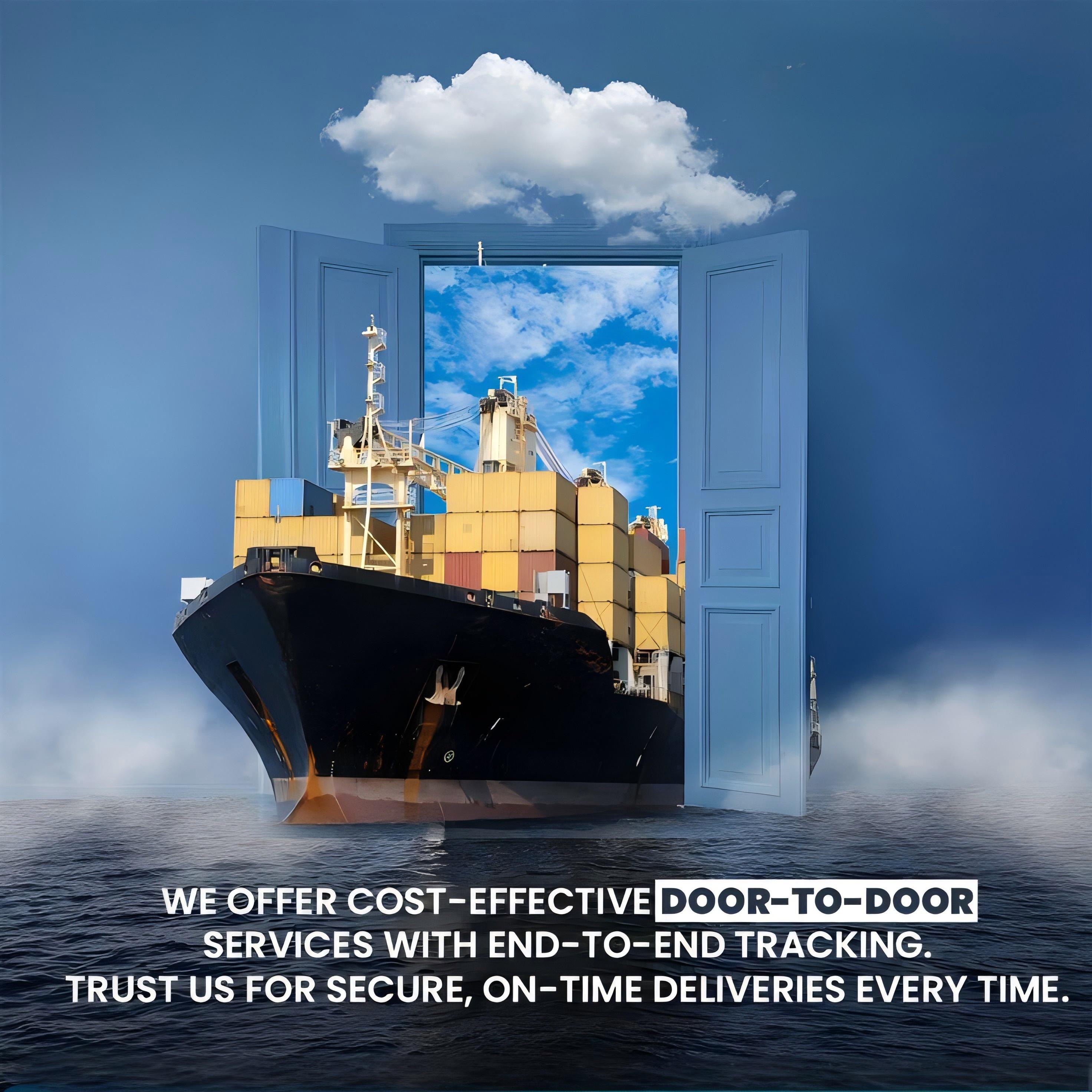
Sea freight remains the most popular and cost-effective option for large or heavy shipments. It offers two main types: Full Container Load (FCL) and Less than Container Load (LCL). FCL is ideal when your cargo fills an entire container (e.g., 20GP, 40GP, 40HQ), offering better per-unit costs and faster transit than LCL. On the other hand, LCL is suitable for smaller shipments that don’t require a full container, where your goods share space with other cargo.
Typically, sea freight from China to North America or Europe can take 20-45 days. While slower, the cost savings are substantial. For example, a 40HQ container from China to the USA East Coast might cost $4,500-6,000, whereas a small LCL shipment (1-5 CBM) could range from $50-100 per CBM, depending on the route and current market conditions. Consequently, for businesses prioritizing budget over speed, sea freight is an excellent choice.
Air Freight: Speed for Urgent Shipments
When time is of the essence, air freight is the fastest way to get goods from China. It’s ideal for high-value, perishable, or time-sensitive products. However, this speed comes at a higher price point compared to sea freight. Air freight costs are usually calculated based on chargeable weight, which considers both actual and volumetric weight.
Transit times for air freight typically range from 3-10 days, depending on the destination and service level. For instance, shipping a 100 kg consignment from China to Europe could cost anywhere from $500 to $1,500 or more, depending on the carrier and service. Therefore, businesses using air freight must balance the urgency of their delivery with the increased expenditure.
Rail Freight: A Balanced Alternative to Europe
The New Silk Road railway offers a middle ground between sea and air freight for shipments between China and Europe. It’s faster than sea freight and more economical than air freight. This option has gained popularity for its reliability and reduced transit times, typically 15-25 days. For example, shipping a container via rail from China to Germany might cost $6,000-8,000, which is significantly less than air freight but more than sea freight.
Furthermore, rail freight is often more environmentally friendly than air transport. Thus, it presents a viable option for businesses looking for a balance of speed, cost, and sustainability. Explore rail freight for your European routes.
Express Shipping: Door-to-Door Convenience
For small packages, samples, or urgent documents, express services like DHL, FedEx, and UPS offer unparalleled speed and door-to-door convenience. These services handle all aspects, including customs clearance, making them ideal for hassle-free shipping. While the per-kilogram cost is high, the overall cost for small parcels remains manageable.
Transit times are usually 2-7 days globally. For example, shipping a 5 kg package from China could cost $50-150. Consequently, for businesses needing swift, integrated solutions, express services are invaluable, particularly for direct-to-consumer models like Amazon FBA.
How Does Sea Freight Compare to Other Shipping Options?
Choosing the optimal shipping method for your goods from China involves weighing cost, speed, and cargo characteristics. Each mode of transport presents a unique set of advantages and limitations. Therefore, a direct comparison is essential for making an informed decision.
Moreover, understanding these trade-offs can help you optimize your supply chain and reduce overall logistics expenses. Below is a comprehensive comparison of the primary shipping methods.

| Shipping Method | Cost Range (per kg/CBM) | Transit Time (China to Europe/NA) | Best For | Limitations |
|---|---|---|---|---|
| Sea Freight (FCL) | $0.05 – $0.15/kg (or per container) | 20-45 days | Large volumes, heavy cargo, non-urgent goods | Slowest, port congestion, longer lead times |
| Sea Freight (LCL) | $50 – $100/CBM | 25-50 days | Smaller shipments (1-15 CBM), flexible volumes | Slightly slower than FCL, potential for delays due to consolidation |
| Rail Freight | $0.30 – $0.60/kg | 15-25 days | Mid-sized shipments, urgent but not critical, Europe-bound | Limited to specific routes (China-Europe), less capacity than sea |
| Air Freight | $4 – $8/kg | 3-10 days | High-value, perishable, urgent, small-to-medium cargo | Most expensive, weight/volume restrictions, fuel surcharges |
| Express Shipping | $7 – $15/kg | 2-7 days | Samples, small packages, e-commerce, door-to-door | Extremely expensive for larger volumes, strict size limits |
Strategies to Optimize Your Freight Costs From China
Minimizing your freight expenses from China is a continuous effort that requires strategic planning. Fortunately, several approaches can help reduce your overall shipping spend. Implementing these strategies can significantly impact your profitability.
Moreover, by actively managing your logistics, you can gain a competitive edge. Let’s explore some effective cost-saving tactics and alternative solutions.
Cost-Saving Strategies and Hybrid Solutions
Firstly, consolidate multiple smaller orders into a single, larger shipment. This often allows you to leverage better rates, especially for LCL to FCL thresholds. Also, consider using a reputable freight forwarder who can negotiate better rates and manage complex logistics, including customs brokerage.
Secondly, explore hybrid shipping solutions like sea-air. For example, goods can travel by sea from China to a transshipment hub (e.g., Dubai) and then by air to the final destination. This offers a balance of speed and cost, often faster than pure sea freight but cheaper than pure air freight. Similarly, rail-sea combinations can be effective for specific routes, particularly to Europe.
Which Option Should You Choose? A Decision Framework
Selecting the right shipping method depends on your specific business priorities. Therefore, a clear decision framework is invaluable. Consider these factors before finalizing your choice.
Indeed, aligning your shipping strategy with your business goals is paramount for efficient and cost-effective imports from China.
| Priority | Recommendation | Key Considerations | Typical Scenario |
|---|---|---|---|
| Budget Priority | Sea Freight (LCL/FCL) | Longer transit times (20-45+ days), best for non-urgent, high-volume goods | Bulk inventory, low-margin products, long lead times |
| Speed Priority | Air Freight or Express | Higher cost, short transit times (2-10 days), ideal for urgent items | Perishables, high-value electronics, e-commerce rush orders |
| Balance (Cost & Speed) | Rail Freight (to Europe) or Sea-Air Hybrid | Moderate cost, moderate transit times (15-30 days), specific routes | Seasonal goods, fashion items, avoiding peak season sea delays |
| Cargo Type & Volume | FCL for >15 CBM, LCL for <15 CBM, Air for <1 CBM | Dangerous goods, oversized items, temperature-controlled needs influence choice | Chemicals (special handling), machinery (FCL), samples (Express) |
Real-World Scenarios: Case Studies of China Freight Costs
To illustrate how much freight from China can cost in practice, let’s examine a few real-world examples. These case studies highlight the variables involved and the typical outcomes. They reflect market rates as of early 2025.
These scenarios provide tangible insights into planning your next shipment. Furthermore, they demonstrate the importance of detailed planning and choosing the right service.
Case Study 1: Large Volume, Cost-Conscious Importer to North America
This scenario illustrates a common import strategy for businesses prioritizing cost efficiency for bulk goods. The chosen method is standard FCL sea freight.
| Detail | Description |
|---|---|
| Route | Shanghai, China -> Los Angeles, USA |
| Cargo | Furniture components, 55 CBM, 9,500 kg |
| Container | 1 x 40HQ |
| Shipping Details | Carrier: COSCO, Port of Loading: Shanghai, Port of Discharge: Los Angeles, Route Type: Direct |
| Cost Breakdown | Ocean Freight: $3,200, Origin Charges: $450, Destination Charges: $600, Customs & Duties (estimated): $800, Total Landed Cost: $5,050 |
| Timeline | Booking to Loading: 7 days, Sea Transit: 16 days, Customs Clearance: 3 days, Total Door-to-Door: 26 days |
| Key Insight | Optimal for bulk, non-urgent goods. Rates were stable in Q1 2025. This shipment benefited from a direct route, minimizing transshipment delays to North America. |
Case Study 2: Mid-Volume, Time-Sensitive Importer to Europe
This case study shows how a business balanced speed and cost for a seasonal product heading to the European market, utilizing rail freight.
| Detail | Description |
|---|---|
| Route | Chongqing, China -> Hamburg, Germany |
| Cargo | Seasonal apparel, 20 CBM, 3,000 kg |
| Container | 1 x 20GP (shared via LCL for smaller volume) |
| Shipping Details | Carrier: China-Europe Railway Express, Port of Loading: Chongqing, Port of Discharge: Hamburg, Route Type: Direct Rail |
| Cost Breakdown | Rail Freight: $6,500, Origin Charges: $300, Destination Charges: $400, Customs & Duties (estimated): $550, Total Landed Cost: $7,750 |
| Timeline | Booking to Loading: 5 days, Rail Transit: 18 days, Customs Clearance: 2 days, Total Door-to-Door: 25 days |
| Key Insight | Rail freight offers a competitive alternative for time-sensitive goods to Europe, faster than sea and cheaper than air. This shipment avoided Q4 sea freight congestion. |
Case Study 3: Small Volume, High-Value Goods to Australia
Here, a company needed fast delivery for high-value electronic components, making air freight the preferred option despite the higher cost.
| Detail | Description |
|---|---|
| Route | Shenzhen, China -> Sydney, Australia |
| Cargo | Electronic components, 1.5 CBM, 250 kg |
| Container | LCL Air Cargo |
| Shipping Details | Carrier: Major airline, Port of Loading: Shenzhen, Port of Discharge: Sydney, Route Type: Direct Air |
| Cost Breakdown | Air Freight: $1,250, Origin Charges: $100, Destination Charges: $150, Customs & Duties (estimated): $200, Total Landed Cost: $1,700 |
| Timeline | Booking to Loading: 2 days, Air Transit: 4 days, Customs Clearance: 1 day, Total Door-to-Door: 7 days |
| Key Insight | Air freight is ideal for urgent, high-value, or low-volume shipments to Australia. This shipment ensured minimal downtime for the client’s production line. Rates reflect typical Q2 2025 pricing. |
Calculating Your Total Landed Cost from China
Understanding how much is freight from China extends beyond just the shipping fee. Your total landed cost includes all expenses incurred to get the product from the supplier’s door to your warehouse. Therefore, accurately calculating this figure is vital for true profitability analysis.
Moreover, neglecting any component can lead to unexpected expenses. Consequently, always account for every potential cost element.
Beyond Freight: Duties, Taxes, and Insurance
Firstly, customs duties and import taxes are significant additions to your landed cost. These vary widely based on the product type (HS code), origin country, and destination country. For instance, some goods may qualify for preferential tariffs under trade agreements, while others face high import duties. A reliable customs brokerage service is crucial here.
Secondly, cargo insurance protects your goods against loss or damage during transit. While optional, it’s highly recommended, especially for high-value shipments. The cost is usually a small percentage of the cargo’s value. Also, consider local transportation costs, warehousing fees, and any necessary certifications or inspections, all of which contribute to the final price.
Navigating China Freight Costs with Confidence
Ultimately, the question of how much is freight from China depends on a multitude of factors, from cargo specifics to your chosen shipping method and market dynamics. By understanding these elements, you can make informed decisions that optimize both cost and transit time. Furthermore, leveraging the right freight forwarder and strategic planning can significantly streamline your supply chain.
In conclusion, while rates are subject to change based on fuel costs, carrier capacity, and seasonal demand, a proactive approach to freight management is key to success. We encourage you to seek detailed quotes and expert advice to ensure your goods arrive efficiently and economically.
Ready to streamline your logistics?
Ready to get an accurate quote for your next shipment from China? Understanding how much is freight from China for your specific needs is just a click away. Contact us today for a personalized consultation and competitive pricing tailored to your logistics requirements.
Request Quote