

Best Door to Door Delivery from China to Canada: Your Complete Guide
Navigating international shipping can be a complex challenge for businesses and individuals alike. Finding the most efficient and reliable method to transport goods from China to Canada is crucial for your supply chain. Fortunately, door to door delivery services simplify this process significantly, offering unparalleled convenience and peace of mind. Learn more about seamless logistics at China Top Freight.
What is Door to Door Delivery from China to Canada?
Door to door delivery represents a comprehensive shipping service that handles your cargo from the supplier’s factory or warehouse in China directly to your specified address in Canada. This all-inclusive solution covers every step of the logistics chain. Essentially, it removes the need for you to coordinate multiple logistics providers or manage complex customs procedures.
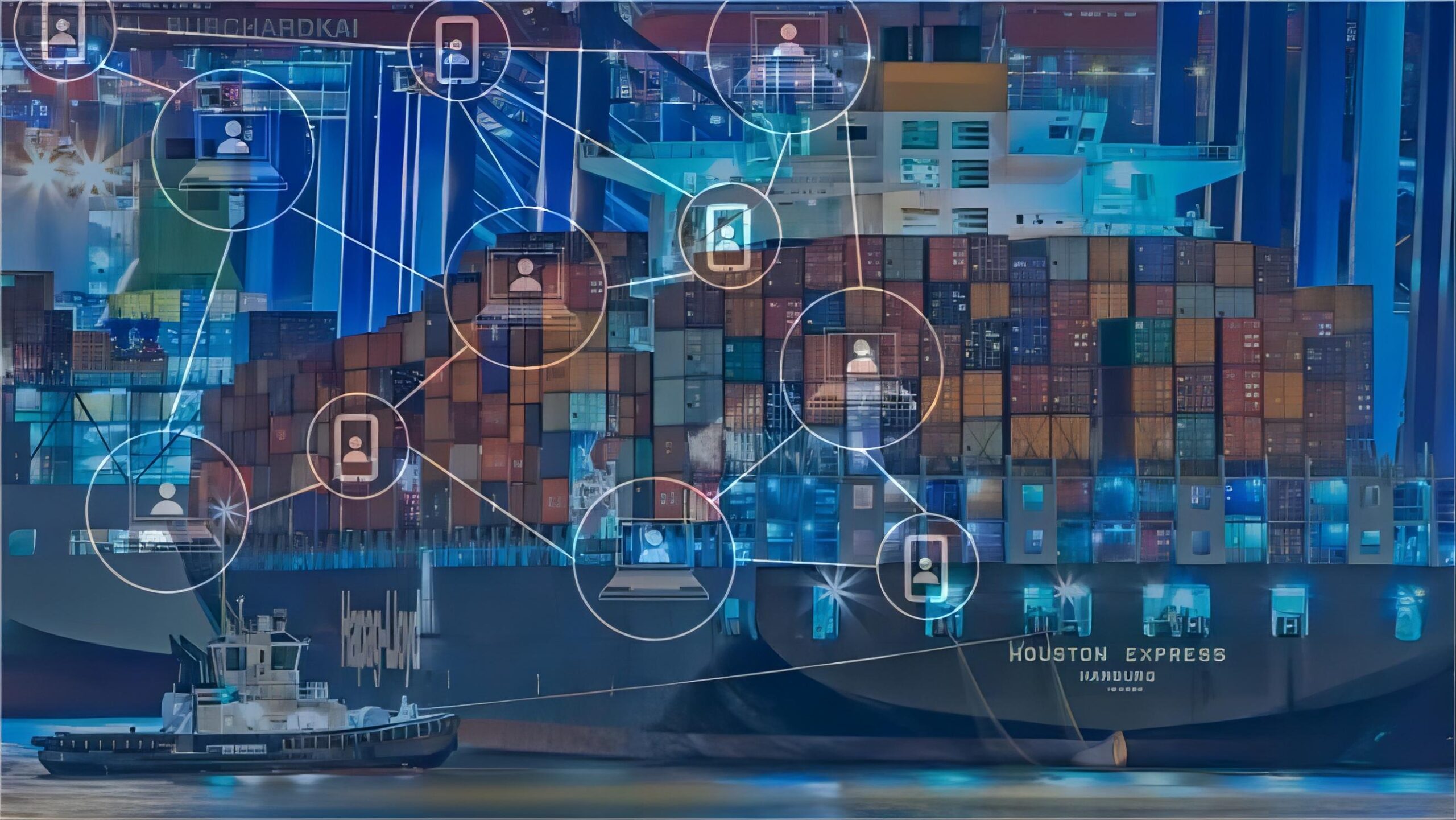
This service streamlines your door to door shipping process, offering a single point of contact and unified responsibility. Consequently, it significantly reduces the administrative burden and potential for errors. Businesses seeking efficient shipping from China to North America often find this service invaluable for its simplicity and reliability.
Why Choose Door to Door Service for Your Shipments?
Opting for door to door delivery offers numerous advantages, particularly for businesses importing goods from China to Canada. Primarily, it provides unmatched convenience, allowing you to focus on your core business operations. This service minimizes the logistical complexities typically associated with international trade.
Moreover, it enhances cost predictability by often providing a single, consolidated quote covering all charges from origin to destination. This transparency in customs brokerage and freight costs helps in better budget management. Furthermore, it significantly reduces the risk of delays and damages, as a single provider oversees the entire transit. Ultimately, this integrated approach contributes to a more efficient and reliable supply chain.
Many companies find this service ideal for maintaining consistent delivery schedules and avoiding unexpected fees. Therefore, it is a preferred option for those prioritizing efficiency and peace of mind in their importing process.
How Does Door to Door Delivery from China to Canada Work?
The process of best door to door delivery from China to Canada involves several coordinated steps. Initially, your chosen freight forwarder collects the goods from your supplier in China. Subsequently, they handle all necessary export documentation and customs clearance procedures at the origin port.
Following export, the cargo is transported via the selected shipping method, such as sea or air freight, across the Pacific. Upon arrival in Canada, the goods undergo import customs clearance, including duty and tax assessment. Finally, after clearing customs, the cargo is delivered directly to your designated Canadian address. Throughout this journey, you receive updates and tracking information, ensuring full visibility of your shipment’s progress.
Key Factors Influencing Your Door to Door Delivery
Several critical factors impact the efficiency and cost of your door to door delivery from China to Canada. Understanding these elements is essential for making informed shipping decisions. For instance, the type, size, and weight of your cargo significantly determine suitable shipping methods and associated freight rates.
Furthermore, your desired transit time plays a crucial role; faster delivery generally incurs higher air freight costs. Origin and destination locations also affect the overall logistics, including inland transportation and port accessibility. Moreover, current market conditions, such as fuel prices, carrier capacity, and seasonal demand, can influence shipping costs and availability.
Finally, customs regulations and potential import duties in Canada are vital considerations. Therefore, careful planning around these factors is paramount for optimizing your international shipping strategy.
| Factor | Impact on Shipping | Considerations |
|---|---|---|
| Cargo Type & Volume | Determines method (LCL/FCL, air/sea) and cost. | Fragile, hazardous, or oversized items require special handling. |
| Transit Time | Directly affects cost; faster options are more expensive. | Balance urgency with budget for optimal express service or standard freight. |
| Origin/Destination | Distance, port access, and inland transport costs. | Shipping from remote areas in China or to remote areas in Canada can increase costs. |
| Customs & Duties | Compliance, tariffs, and taxes impact total landed cost. | Proper documentation is crucial to avoid delays and unexpected fees. |
How Does Door to Door Delivery from China to Canada Compare to Other Shipping Options?
When planning your imports, comparing door to door services with other shipping methods is vital for finding the best fit for your business. Each option presents different trade-offs in terms of cost, speed, and convenience. Understanding these distinctions helps optimize your supply chain and manage expectations regarding transit times and freight rates.
Indeed, while door to door offers maximum convenience, other methods might be suitable for specific cargo types or budget constraints. This comparison will help you decide which approach aligns best with your business needs and operational priorities.
Sea Freight (FCL & LCL)
Sea freight is generally the most cost-effective option for large volumes or heavy cargo. Full Container Load (FCL) shipping involves renting an entire container, which is ideal for significant shipments. Conversely, Less than Container Load (LCL) allows multiple shippers to share container space, making it suitable for smaller consignments. The transit time for sea freight from China to Canada typically ranges from 25 to 45 days, depending on the specific ports and service route.
However, while economical, sea freight is the slowest method. Therefore, it is best suited for non-urgent shipments where cost savings are a priority. Seasonal variations and port congestion can also impact delivery schedules, so planning ahead is crucial. Consider this method for bulk goods or products with longer lead times.

Air Freight
Air freight offers significantly faster transit times compared to sea freight, making it ideal for urgent or high-value goods. Typically, air freight from China to Canada can take anywhere from 3 to 10 days, including customs clearance. This speed comes at a higher cost, however, which can be substantial for heavier or bulkier items.
Despite the higher expense, air freight provides enhanced security and reliability for time-sensitive deliveries. It is particularly beneficial for products with short shelf lives, high demand, or those that need to reach the market quickly. Businesses importing electronics, fashion, or critical components often prefer air cargo for its efficiency.
Express Courier Services
For very small, lightweight, and urgent parcels, express courier services (like DHL, FedEx, UPS) are the fastest option. These services often provide delivery within 2-5 business days from China to Canada, offering end-to-end tracking and simplified customs processes. While extremely fast, express shipping is also the most expensive per kilogram.
Consequently, it is best reserved for samples, documents, or small e-commerce shipments where speed and convenience outweigh cost. This method is a popular choice for rapid prototyping or fulfilling individual customer orders directly. It offers a premium service for those who prioritize immediate delivery.
Which Option Should You Choose?
The optimal shipping method depends heavily on your specific business requirements and cargo characteristics. Budget priority typically leads to sea freight, especially for large volumes. Speed priority, conversely, points towards air freight or express services for urgent deliveries.
Cargo type considerations also play a role; delicate or high-value items might benefit from air freight’s faster handling, while robust, bulky goods are perfect for sea. Volume thresholds are critical: for shipments under 15 CBM, LCL sea freight or a combination of air and sea might be more economical than a full container. For extremely small and time-sensitive packages, express is unmatched. Therefore, carefully evaluate these factors to select the most suitable option.
| Shipping Method | Cost Range (per kg/CBM) | Transit Time (China to Canada) | Best For | Limitations |
|---|---|---|---|---|
| Sea Freight (FCL) | $50-100/CBM | 25-45 days | Large, heavy, non-urgent goods | Slow, susceptible to port delays |
| Sea Freight (LCL) | $80-150/CBM | 30-50 days | Smaller shipments (1-15 CBM), flexible | Longer transit, potential for consolidation delays |
| Air Freight | $5-15/kg | 3-10 days | Urgent, high-value, perishable goods | High cost, weight/size restrictions |
| Express Courier | $15-30/kg | 2-5 days | Samples, documents, small e-commerce packages | Very high cost, strict weight/size limits |
Case Studies: Real-World Door to Door Delivery Examples
To illustrate the practical application of door to door services, let’s examine a few real-world scenarios. These examples highlight how different shipping methods and considerations apply to various cargo types and business needs. They provide insight into typical costs, transit times, and potential challenges for the Canada market.
Indeed, understanding these specific cases can help you better plan your own imports from China. Note: Freight rates are subject to change based on fuel costs, carrier capacity, and seasonal demand. Contact us for a current quote tailored to your specific shipment.
Case Study 1: E-commerce Retailer Importing Electronics
| Detail | Description |
|---|---|
| Route | Shenzhen, China Vancouver, Canada |
| Cargo | Wireless earbuds and smartwatches, 2.5 CBM, 450 kg |
| Container | LCL 2.5 CBM |
| Shipping Details | Carrier/Service: Major airline (e.g., Cathay Pacific Cargo), Port of Loading: Shenzhen Bao’an International Airport, Port of Discharge: Vancouver International Airport, Route Type: Direct air cargo |
| Cost Breakdown | Air Freight: $3,500, Origin Charges (handling, documentation): $250, Destination Charges (terminal, local delivery): $300, Customs & Duties (estimated): $400, Total Landed Cost: $4,450 |
| Timeline | Booking to Loading: 2 days, Air Transit: 1 day, Customs Clearance: 2 days, Total Door-to-Door: 5 days |
| Key Insight | Speed was critical for a new product launch. Air freight minimized inventory holding costs and captured early market share. Typical rates as of early 2025. |
Case Study 2: Small Business Importing Furniture Components
| Detail | Description |
|---|---|
| Route | Ningbo, China Toronto, Canada |
| Cargo | Wooden furniture legs and hardware, 12 CBM, 2,800 kg |
| Container | LCL 12 CBM |
| Shipping Details | Carrier/Service: Major ocean carrier (e.g., COSCO), Port of Loading: Ningbo Port, Port of Discharge: Montreal Port (then rail to Toronto), Route Type: Transshipment via Busan, Korea |
| Cost Breakdown | Ocean Freight: $1,600, Origin Charges (THC, documentation): $350, Destination Charges (THC, rail, local delivery): $700, Customs & Duties (estimated): $550, Total Landed Cost: $3,200 |
| Timeline | Booking to Loading: 5 days, Sea Transit: 30 days, Customs Clearance: 3 days, Inland Rail/Truck: 5 days, Total Door-to-Door: 43 days |
| Key Insight | Cost-effectiveness was paramount for bulky, non-urgent components. LCL sea freight provided significant savings, despite longer transit. Based on Q3 2024 market rates, accounting for rail costs to Toronto. |
Case Study 3: Manufacturing Company Importing Machinery Parts
| Detail | Description |
|---|---|
| Route | Shanghai, China Calgary, Canada |
| Cargo | Industrial machine parts, 1 x 20GP container, 15,000 kg |
| Container | 20GP |
| Shipping Details | Carrier/Service: Major ocean carrier (e.g., Maersk), Port of Loading: Shanghai Port, Port of Discharge: Vancouver Port, Route Type: Direct, then intermodal rail to Calgary |
| Cost Breakdown | Ocean Freight: $2,800, Origin Charges (THC, documentation): $400, Destination Charges (THC, rail, local delivery): $1,200, Customs & Duties (estimated): $800, Total Landed Cost: $5,200 |
| Timeline | Booking to Loading: 7 days, Sea Transit: 20 days, Customs Clearance: 2 days, Inland Rail/Truck: 7 days, Total Door-to-Door: 36 days |
| Key Insight | Reliability and container security were key for high-value machinery. FCL sea freight with intermodal transport offered a balanced solution for cost and transit. Rates stabilized in Q1 2025 after previous market volatility. |
Navigating Customs and Regulations for China-Canada Shipments
Customs clearance is a critical component of successful door to door delivery from China to Canada. Proper documentation and adherence to Canadian import regulations are essential to avoid delays and penalties. A professional freight forwarder with expertise in customs brokerage can manage these complexities on your behalf.
Moreover, understanding Canadian duties and taxes, such as GST/HST and specific tariffs, is crucial for accurate cost estimation. It is important to classify your goods correctly using Harmonized System (HS) codes. Incorrect classification can lead to significant issues. Always ensure all required permits and licenses are obtained before shipment. This proactive approach ensures a smoother and more predictable import process.
| Document | Purpose | Notes |
|---|---|---|
| Commercial Invoice | Details of goods, value, buyer, and seller. | Must be accurate for customs valuation and duties. |
| Packing List | Itemizes contents of each package/container. | Assists customs in verifying cargo and for handling. |
| Bill of Lading (BOL)/Air Waybill (AWB) | Contract of carriage and title to goods. | Essential for releasing cargo at destination port/airport. |
| Certificate of Origin | Proves country where goods were manufactured. | May qualify for preferential tariffs under trade agreements. |
| Import Permit/License | Required for controlled or regulated goods. | Check specific product requirements before shipping. |
Choosing the Best Door to Door Delivery Provider
Selecting the right partner for your best door to door delivery from China to Canada is paramount. A reliable freight forwarder offers not just transportation but also comprehensive logistics solutions. Consider their experience with the China-Canada route, their network of carriers, and their proficiency in customs clearance.
Furthermore, look for providers offering transparent pricing and excellent communication throughout the shipping process. The ability to track your shipment in real-time and receive proactive updates is invaluable. Customer support quality and responsiveness are also key indicators of a good partner. Ultimately, a trustworthy provider simplifies your import process, allowing you to focus on your business growth.
Streamlining Your Supply Chain with Door to Door Logistics
Implementing an effective door to door logistics strategy can significantly enhance your overall supply chain efficiency. By consolidating multiple touchpoints under a single provider, you reduce administrative overhead and potential points of failure. This integrated approach allows for better planning and forecasting within your supply chain.
Moreover, consistent transit times and reliable delivery schedules help in managing inventory levels more effectively, avoiding both stockouts and overstocking. This optimization ultimately leads to reduced operational costs and improved customer satisfaction. Therefore, investing in a robust door to door solution is a strategic move for any business importing from China to Canada, ensuring smoother operations and greater competitive advantage.
Your Partner for the Best Door to Door Delivery from China to Canada
In conclusion, mastering the nuances of international shipping from China to Canada is vital for business success. Door to door delivery services offer an unparalleled solution, providing convenience, cost predictability, and reduced risk. By choosing a reputable and experienced freight forwarder, you can transform a complex logistical challenge into a seamless operational advantage.
Consider the various shipping methods, understand the factors influencing your costs and transit times, and leverage expert customs brokerage. Ultimately, a well-executed door to door strategy ensures your goods arrive efficiently and reliably. Partner with us to achieve the best door to door delivery from China to Canada, bolstering your supply chain and enabling your business to thrive.
Get Your Shipping Quote Today
Ready to simplify your international shipping? Contact us today for a personalized quote and discover how our expert door to door delivery from China to Canada can benefit your business. Let us handle the complexities while you focus on growth.
Request Quote