

Streamlined 40HQ FCL Booking Process for Machinery from China to Chicago
Importing heavy machinery from China to Chicago demands a precise and reliable logistics strategy. Navigating the complexities of international shipping, especially for a 40HQ Full Container Load (FCL), can be challenging. This guide, brought to you by China Top Freight, will demystify the entire booking process, ensuring your valuable equipment arrives safely and efficiently.
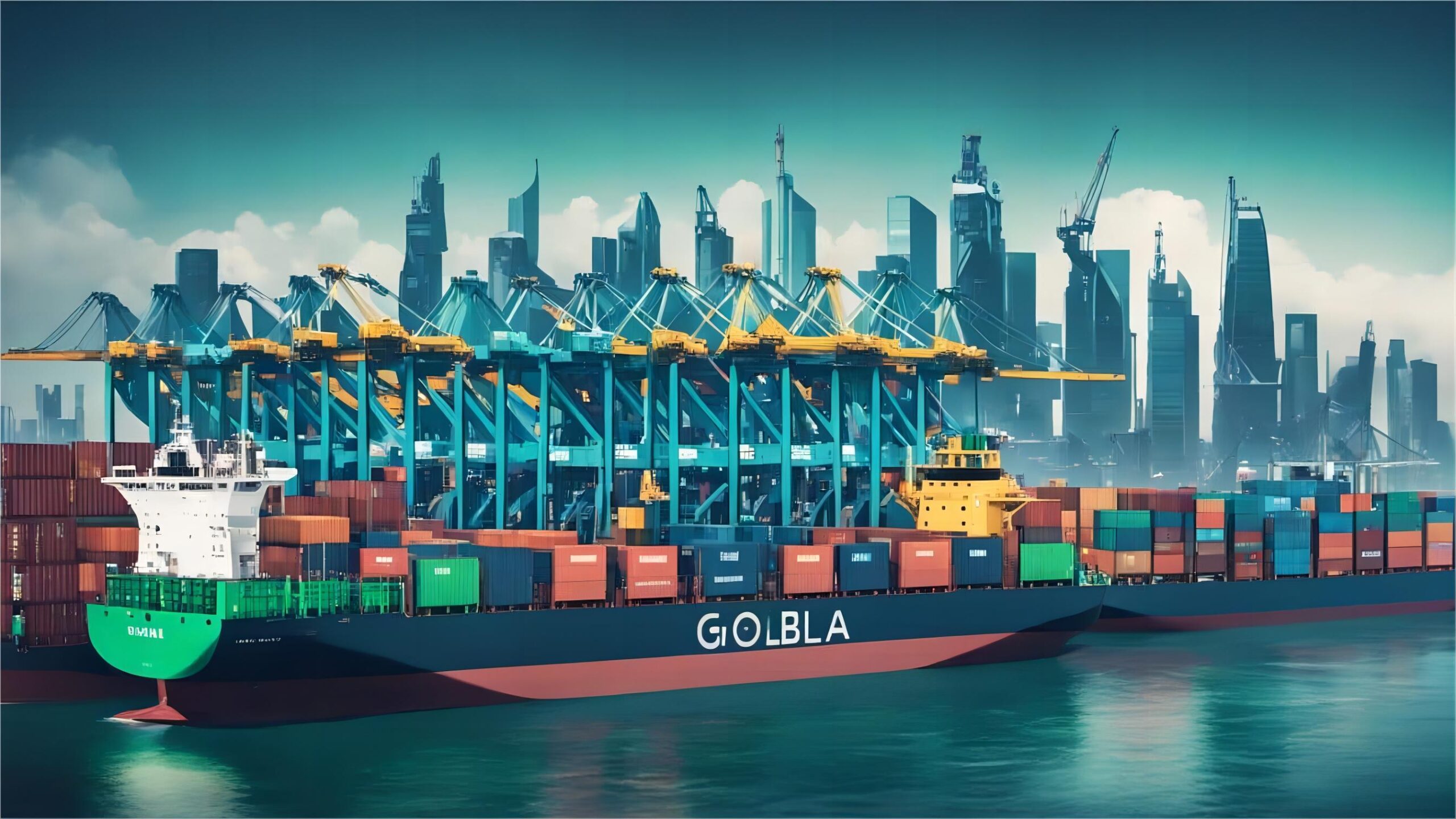
Understanding 40HQ FCL for Machinery Shipments to Chicago
Specifically, a 40HQ (High Cube) FCL container is 40 feet long, 8 feet wide, and 9.5 feet high, offering significantly more cubic capacity than a standard 40GP. This extra height is crucial for shipping oversized or tall machinery components. Therefore, it is often the preferred choice for industrial equipment.
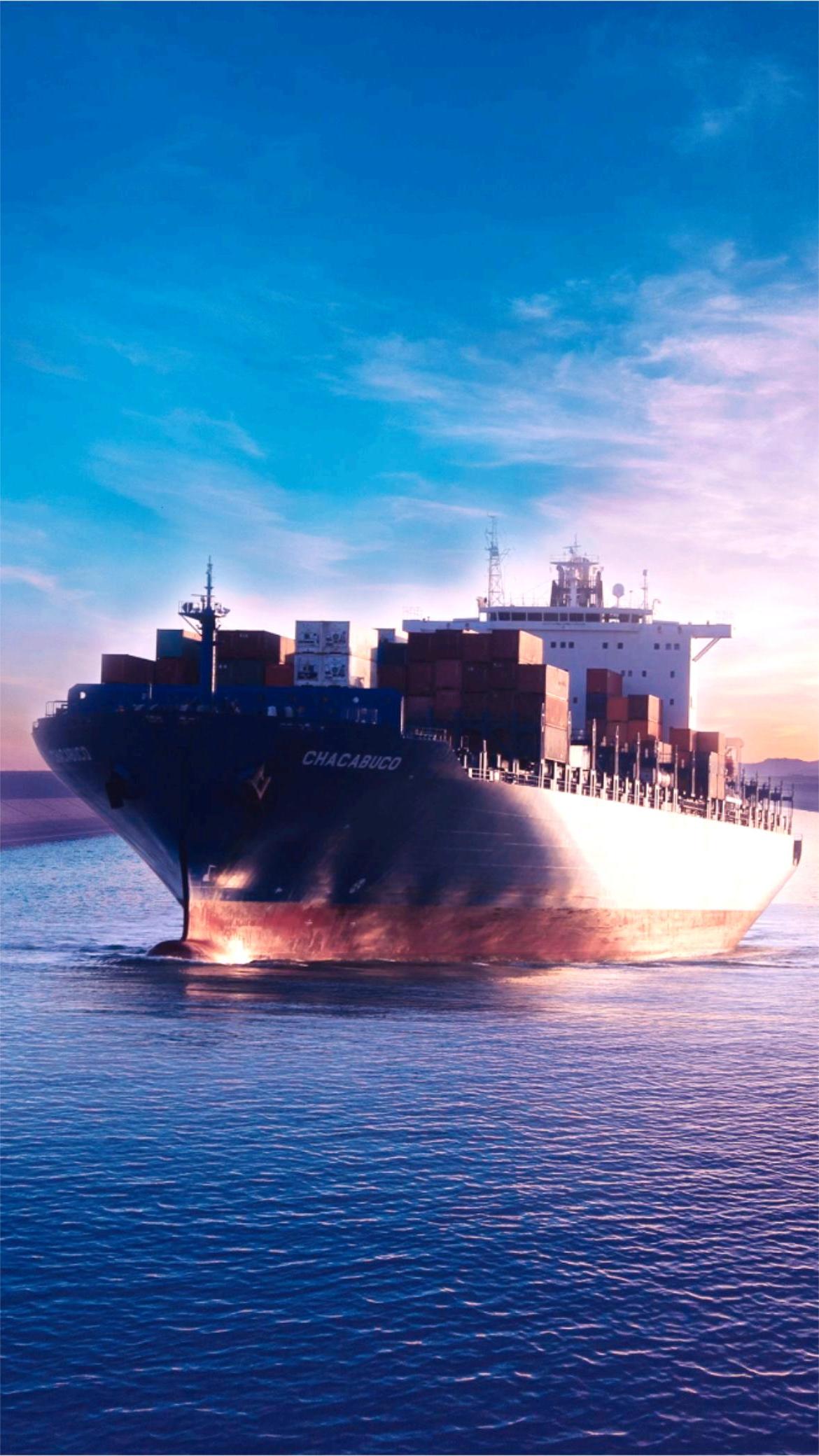
Choosing FCL means your cargo occupies the entire container, providing enhanced security and reducing the risk of damage. Moreover, it prevents potential delays associated with cargo consolidation, ensuring a more direct transit. This method is particularly suitable for high-value or delicate machinery.
Furthermore, utilizing a 40HQ FCL for your machinery from China to Chicago offers considerable cost-efficiency per unit volume compared to smaller containers or less-than-container-load (LCL) options. Consequently, it streamlines the entire supply chain for large-scale imports. This makes it an economical choice for substantial shipments.
Key Steps in the 40HQ FCL Booking Process from China to Chicago
The journey of your machinery from a Chinese factory to its final destination in Chicago involves several critical stages. Each step requires meticulous planning and execution to avoid potential setbacks. Understanding these phases is paramount for a smooth import operation.
1. Initial Planning and Quotation for Machinery Shipping
Firstly, gather all essential details about your machinery, including dimensions, weight, and specific handling requirements. Knowing these specifications is vital for accurate container selection and freight planning. Additionally, confirm the precise origin port in China and the final delivery address in Chicago.
Subsequently, request comprehensive quotes from reputable freight forwarders. These quotes should detail ocean freight rates, origin charges, destination charges, and estimated transit times. Always compare multiple offers to secure the most competitive and reliable service for your 40HQ FCL booking process.
2. Documentation and Compliance for US Import
Proper documentation is indispensable for smooth international shipping and customs clearance. Key documents include the Commercial Invoice, Packing List, and Bill of Lading. Furthermore, ensure all machinery descriptions are accurate and detailed.
Crucially, adhere to all U.S. import regulations, including those set by Customs and Border Protection (CBP). This often involves submitting an Importer Security Filing (ISF) at least 24 hours before vessel loading. Engaging an experienced customs brokerage service can prevent costly delays and penalties.
3. Booking Confirmation and Cargo Loading
Upon selecting a freight forwarder, confirm your booking with the chosen carrier. This step involves securing vessel space for your 40HQ container. Consequently, ensure the booking details precisely match your shipment requirements.
Next, coordinate the loading of your machinery at the supplier’s facility in China. Proper lashing and securing of cargo within the container are critical to prevent movement and damage during transit. Overseeing this process ensures cargo integrity.
4. Ocean Transit and Real-time Tracking
Once loaded, your 40HQ container embarks on its sea freight journey across the Pacific Ocean. Typical transit times from major Chinese ports to Chicago (via East Coast ports like New York or Savannah, then rail) range from 30 to 35 days. However, these times can vary based on the specific carrier and route.
During transit, continuous tracking of your shipment provides peace of mind and allows for proactive management. Most carriers and forwarders offer online tracking portals. Therefore, you can monitor your machinery’s progress from port to port, anticipating its arrival.
5. Customs Clearance and Final Delivery in Chicago
As your container approaches the U.S. port of discharge, customs clearance procedures commence. This involves filing the entry summary and paying applicable duties and taxes. A proficient customs broker facilitates this complex process, ensuring compliance.
Finally, once cleared, your machinery is prepared for inland transportation to Chicago. Many importers opt for door-to-door service, which includes drayage from the port and trucking to the final facility. This comprehensive solution simplifies logistics, delivering your equipment directly.
How Does 40HQ FCL Compare to Other Shipping Options?
Choosing the right shipping method is crucial for optimizing costs and delivery schedules for your machinery imports. While 40HQ FCL is often ideal for large machinery, other options might be more suitable depending on cargo volume, urgency, and budget. Therefore, a comprehensive comparison is essential.
Consider the unique characteristics of your machinery and your project timeline before making a decision. Each shipping method presents distinct advantages and limitations. Moreover, hybrid solutions can sometimes offer the best balance of speed and cost-effectiveness for specific scenarios.
Comparison Table: China to Chicago Shipping Methods
This table outlines the primary shipping methods available for transporting goods from China to Chicago, highlighting their key features. It helps in understanding the trade-offs involved in each choice. Ultimately, this comparison assists in informed decision-making.
| Shipping Method | Cost Range (40HQ/Equivalent) | Transit Time (China to Chicago) | Best For | Limitations |
|---|---|---|---|---|
| 40HQ FCL Sea Freight | $4,500-$6,500 | 30-38 days | Large, heavy, non-urgent machinery; cost-efficiency | Slowest transit time; port congestion risks |
| LCL Sea Freight | $500-$1,000 (per CBM for smaller shipments) | 35-45 days | Smaller machinery (under 15-20 CBM); lower volume | Slower due to consolidation; higher risk of damage/delays |
| Air Freight (Cargo) | $15,000-$25,000 | 5-7 days | Urgent, high-value, lighter machinery; critical deadlines | Significantly higher cost; volume/weight restrictions |
| Express Service | $3,000-$8,000 (for smaller items) | 2-5 days | Small, urgent parts or prototypes; time-critical components | Very high cost per kg/CBM; strict weight/size limits |
Alternative Strategies and Decision Framework
For shipments under 15 CBM, LCL at $50-80/CBM may be more economical than a full container. However, expect longer transit times due to consolidation and deconsolidation processes. Therefore, consider your volume carefully.
If speed is paramount, air freight offers a significantly faster transit, albeit at a much higher cost. While sea freight costs $4,500-$6,500 for a 40HQ, air freight for the same volume would cost $15,000-$25,000. This option suits urgent repairs or production line stoppages.
Consider hybrid solutions like sea-air for a balance. This involves shipping by sea to a West Coast port, then air freighting to Chicago. This can save some cost compared to full air freight while being faster than all-sea. However, it adds complexity.
**Decision Framework:** If **budget** is your top priority, 40HQ FCL sea freight is recommended. If **speed** is critical, air freight is the best choice. For **cargo type** considerations, delicate or oversized machinery often benefits most from dedicated FCL. Finally, **volume thresholds** dictate FCL versus LCL; typically, anything over 15-20 CBM warrants FCL consideration.
Navigating Costs and Transit Times for China to Chicago Shipments
Understanding the financial landscape and scheduling implications is vital for successful machinery imports. Freight rates for the China to Chicago route are influenced by numerous factors, including global demand, fuel prices, and carrier capacity. Therefore, careful budgeting is essential.
Moreover, transit times are not static and can fluctuate due to port congestion, adverse weather conditions, or unexpected customs inspections. Proactive planning and communication with your freight forwarder help manage these variables effectively.
Cost Components of a 40HQ FCL Shipment
The total landed cost for your machinery shipment comprises several key elements. Firstly, ocean freight charges constitute the largest portion, covering the actual sea journey. These rates vary significantly based on the season and carrier.
Secondly, origin charges include terminal handling, documentation, and local trucking in China. Similarly, destination charges cover terminal handling, customs clearance fees, and drayage from the U.S. port. Lastly, duties and taxes, determined by the machinery’s Harmonized System (HS) code, must be factored in.
Current Market Rates and Transit Time Estimates
As of Q1 2025, 40HQ FCL rates from major Chinese ports to U.S. East Coast ports (serving Chicago via rail) typically range from $4,500 to $6,500. This reflects a stabilization after the 2024 Red Sea disruptions, although volatility remains. Always obtain a current quote.
Consequently, average transit times for sea freight from China to Chicago generally fall between 30 and 38 days. This includes ocean transit to the East Coast and subsequent rail transport to Chicago. Factors like port congestion in China or the U.S. can extend these timelines.
Note: Freight rates are subject to change based on fuel costs, carrier capacity, and seasonal demand. Contact us for a current quote tailored to your specific shipment.
Real-World Scenarios: 40HQ FCL Machinery Shipments
Examining actual case studies provides valuable insights into the practical application of the 40HQ FCL booking process. These examples highlight typical challenges, costs, and timelines associated with importing machinery. They demonstrate how different scenarios are managed.
These scenarios are based on typical rates as of early 2025, providing a realistic perspective on current market conditions. Understanding these examples can help importers better prepare for their own shipments from China to Chicago.
Case Study 1: Heavy Industrial Press
| Detail | Value |
|---|---|
| Route | Shanghai, China -> Chicago, USA |
| Cargo | Hydraulic Press Machine, 28 CBM, 18,000 kg |
| Container | 40HQ |
| Shipping Details | |
| – Carrier/Service | COSCO (via Savannah) |
| – Port of Loading | Shanghai |
| – Port of Discharge | Savannah, then rail to Chicago |
| – Route Type | Transshipment (sea-rail) |
| Cost Breakdown (Estimated Q1 2025) | |
| – Ocean Freight | $5,200 |
| – Origin Charges (THC, documentation) | $350 |
| – Destination Charges (THC, drayage to rail, rail freight to Chicago) | $1,800 |
| – Customs & Duties (estimated) | $750 |
| – Total Landed Cost | $8,100 |
| Timeline | |
| – Booking to Loading | 5 days |
| – Sea Transit | 32 days |
| – Customs Clearance & Rail | 6 days |
| – Total Door-to-Door | 43 days |
| Key Insight | Optimal for heavy, non-urgent equipment. Rail connection added 5-7 days but avoided East Coast port congestion directly to Chicago. |
Case Study 2: Production Line Components
| Detail | Value |
|---|---|
| Route | Ningbo, China -> Chicago, USA |
| Cargo | Assorted Production Line Modules, 30 CBM, 15,000 kg |
| Container | 40HQ |
| Shipping Details | |
| – Carrier/Service | MSC (via New York) |
| – Port of Loading | Ningbo |
| – Port of Discharge | New York, then rail to Chicago |
| – Route Type | Transshipment (sea-rail) |
| Cost Breakdown (Estimated Q1 2025) | |
| – Ocean Freight | $5,500 |
| – Origin Charges (THC, documentation) | $380 |
| – Destination Charges (THC, drayage to rail, rail freight to Chicago) | $1,950 |
| – Customs & Duties (estimated) | $800 |
| – Total Landed Cost | $8,630 |
| Timeline | |
| – Booking to Loading | 7 days |
| – Sea Transit | 30 days |
| – Customs Clearance & Rail | 7 days |
| – Total Door-to-Door | 44 days |
| Key Insight | Careful coordination with multiple suppliers in Ningbo. Consolidated cargo into one 40HQ, optimizing space and cost. |
Case Study 3: CNC Machine Replacement Part (Urgent)
| Detail | Value |
|---|---|
| Route | Shenzhen, China -> Chicago, USA |
| Cargo | Large CNC Machine Spindle, 3 CBM, 1,200 kg |
| Container | LCL (for comparison, as FCL was overkill) |
| Shipping Details | |
| – Carrier/Service | Air Freight (major airline) |
| – Port of Loading | Shenzhen Airport |
| – Port of Discharge | Chicago O’Hare (ORD) |
| – Route Type | Direct Air Cargo |
| Cost Breakdown (Estimated Q1 2025) | |
| – Air Freight | $4,800 |
| – Origin Charges (handling, documentation) | $250 |
| – Destination Charges (handling, customs clearance, local delivery) | $600 |
| – Customs & Duties (estimated) | $200 |
| – Total Landed Cost | $5,850 |
| Timeline | |
| – Booking to Loading | 2 days |
| – Air Transit | 3 days |
| – Customs Clearance & Delivery | 2 days |
| – Total Door-to-Door | 7 days |
| Key Insight | Though expensive, air freight was chosen for critical, time-sensitive part to minimize production downtime. FCL would have been over $5,000 for 40+ days, but air was faster for similar cost for this small, urgent item. |
Common Challenges and Solutions in Machinery Shipping
Despite meticulous planning, international machinery shipping can encounter various hurdles. Anticipating these challenges and having proactive solutions in place is key to mitigating risks. Effectively managing unexpected issues ensures smoother operations.
From customs delays to unforeseen port congestion, a robust strategy is essential. Furthermore, clear communication channels with your logistics partner can often resolve issues quickly. This proactive approach minimizes disruptions to your supply chain.
Navigating Customs and Documentation Issues
Incorrect or incomplete documentation is a frequent cause of customs delays. Ensure all commercial invoices, packing lists, and certificates of origin are accurate and match the cargo perfectly. Discrepancies can lead to holds or penalties.
Working with an experienced customs brokerage firm is highly recommended. They can pre-clear shipments, advise on specific import tariffs, and handle complex regulations. This expertise significantly reduces the likelihood of customs-related setbacks.
Addressing Port Congestion and Delays
Port congestion, particularly at major U.S. East Coast ports, can add significant delays to your transit time. This issue is often exacerbated during peak shipping seasons or due to labor shortages. Therefore, flexibility in your delivery schedule is sometimes necessary.
Freight forwarders can often provide updates on port conditions and suggest alternative routes or ports if severe congestion is anticipated. Opting for carriers with a strong track record of reliability can also help mitigate these risks. Proactive communication is crucial.
Managing Cargo Security and Damage Prevention
Machinery, by its nature, can be delicate despite its size. Proper packaging, crating, and securing within the 40HQ container are paramount. Always verify that your supplier adheres to international best practices for cargo lashing and dunnage.
Additionally, consider purchasing comprehensive marine cargo insurance. This protects your investment against unforeseen events such as theft, damage, or loss during transit. It provides financial security against potential risks.
Why Choose a Specialized Freight Forwarder for Your Machinery Shipment?
Engaging a specialized freight forwarder like China Top Freight is invaluable for navigating the intricacies of shipping machinery from China to Chicago. Our expertise in the 40HQ FCL booking process ensures a seamless and efficient experience. We manage every detail, from origin to final delivery.
We offer comprehensive logistics solutions tailored to your specific machinery import needs. Our extensive network and deep understanding of both Chinese export and US import regulations mean fewer headaches for you. Partnering with us provides peace of mind and optimizes your supply chain.
Mastering Your Machinery Import Journey
The 40HQ FCL booking process for machinery from China to Chicago, while complex, can be managed efficiently with the right knowledge and partnership. From initial planning and documentation to transit and final delivery, each step is crucial. Understanding the nuances of sea freight, customs, and potential challenges empowers importers.
By leveraging expert freight forwarding services, you can mitigate risks, optimize costs, and ensure the timely arrival of your valuable machinery. Ultimately, a well-executed logistics strategy is fundamental to the success of your international trade operations. Choose wisely for your next shipment.
Need a tailored shipping solution?
Ready to streamline your 40HQ FCL booking process for machinery from China to Chicago? Contact China Top Freight today for a personalized quote and expert guidance. Let us handle the complexities of international logistics, ensuring your valuable equipment arrives on time and within budget.