

Reefer FCL Tracking for Electronics: China to Belgium
“Shipping sensitive electronics from China to Belgium demands precision, especially when temperature control is paramount. Reefer Full Container Load (FCL) tracking ensures your valuable cargo remains secure and monitored throughout its journey. Understanding this specialized logistics process is crucial for preventing damage and delays. Learn more about reliable freight solutions at China Top Freight.”
What is Reefer FCL and Why is it Crucial for Electronics?
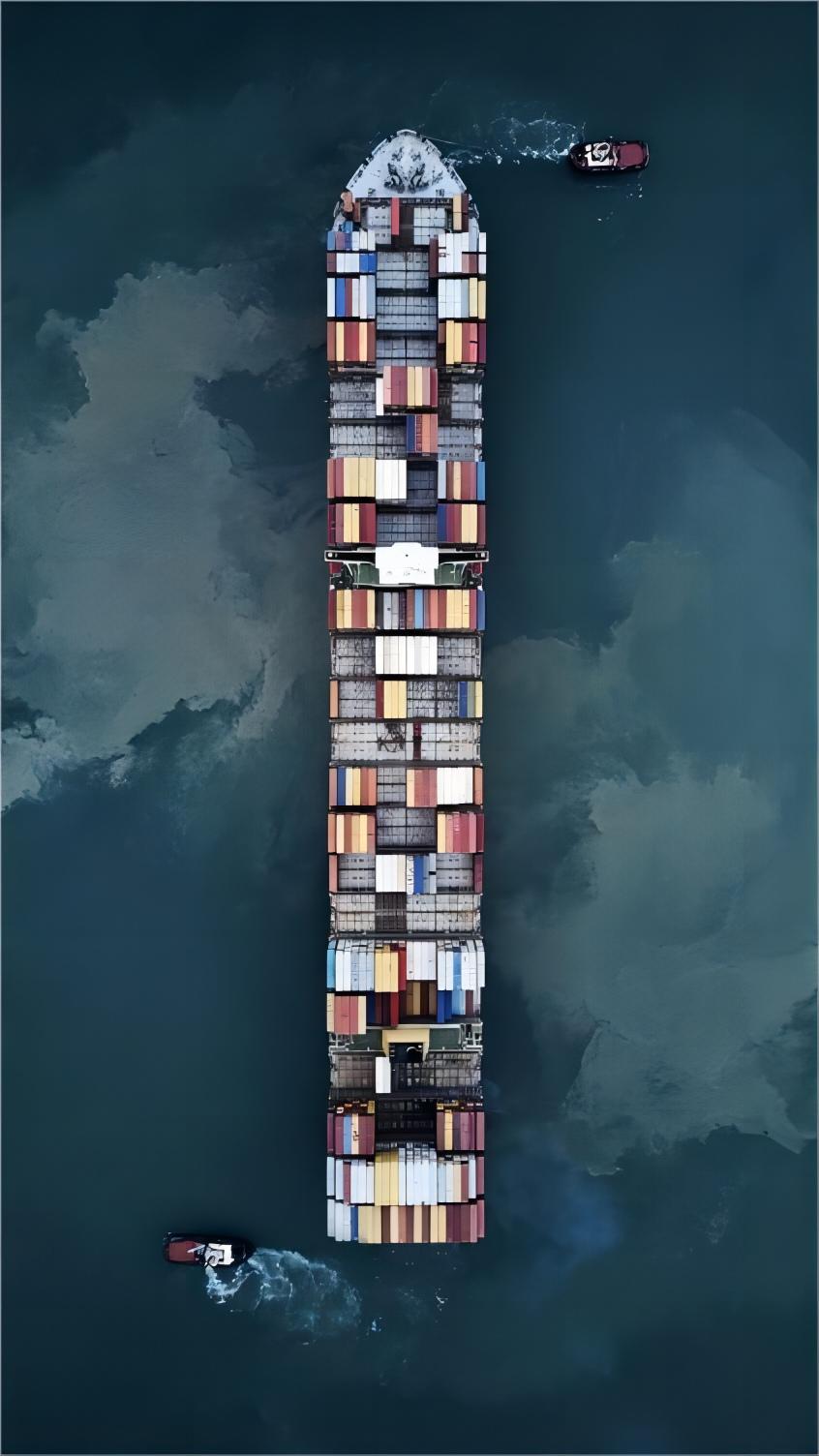
❖Transporting high-value or sensitive electronics requires meticulous environmental control. Reefer FCL means shipping a full container load in a refrigerated container. This specialized equipment maintains consistent temperature and humidity levels, protecting goods from extreme conditions.
Indeed, electronics are highly susceptible to temperature fluctuations. Overheating degrades components, while condensation from cold can cause short circuits and corrosion. Utilizing a reefer container safeguards the integrity and functionality of your electronic products during transit.
Understanding Reefer Containers
Reefer containers are mobile cold rooms with advanced cooling and heating systems. They allow precise temperature settings, often within a fraction of a degree. Modern reefers also monitor humidity and ventilation, providing an optimal microclimate for sensitive cargo like semiconductors or batteries.
The Benefits of Full Container Load (FCL)
Opting for Full Container Load (FCL) means your goods occupy an entire container. This method offers several advantages for electronics shipments, including reduced handling and minimal risk of damage or theft. Your cargo is sealed at origin until it reaches its destination.
Furthermore, FCL provides greater control over scheduling and transit times. There are no consolidation delays, streamlining the supply chain significantly. For large volumes of valuable electronics, FCL is often the most secure and efficient choice. Consider sea freight for these large shipments.
The Journey: China to Belgium Shipping Routes
❖Shipping electronics from China to Belgium primarily involves established sea routes. Major Chinese ports like Shanghai, Ningbo, and Shenzhen serve as key departure points. These ports connect to European hubs, including the Port of Antwerp and Zeebrugge in Belgium.
Typically, transit time for Reefer FCL from China to Belgium ranges from 28 to 35 days. This duration varies based on the carrier and specific route. Direct services generally offer faster transit, though potentially at a higher cost. Shipping from China to Europe requires careful planning.
Key Ports and Transit Times
From China’s bustling ports, vessels sail through the South China Sea, Strait of Malacca, and across the Indian Ocean. They then navigate the Suez Canal, entering the Mediterranean Sea, and finally the North Sea. The journey culminates at Belgian ports, strategic gateways to the European market.
For instance, a reefer FCL from Shanghai to Antwerp might take around 30-32 days. From Shenzhen, it could be slightly shorter, perhaps 28-30 days. These estimates are crucial for managing inventory and delivery schedules effectively. Market data suggests these are typical transit times as of early 2025.
Real-time Tracking: Ensuring Visibility for Your Electronics
❖Effective reefer FCL tracking for electronics from China to Belgium is non-negotiable. Modern tracking systems provide unparalleled visibility into your shipment’s status and location. This capability is vital for managing sensitive cargo, allowing businesses to monitor conditions and anticipate potential issues.
Moreover, real-time data helps in proactive decision-making. Should a delay occur or a temperature deviation be detected, immediate action can be taken. This level of transparency significantly reduces risks associated with international electronics shipping. It provides peace of mind to stakeholders.
Advanced Tracking Technologies
Today’s tracking solutions leverage GPS, IoT sensors, and satellite communication. These technologies offer continuous updates on the container’s geographical position. More importantly, they provide critical data on internal conditions, including temperature, humidity, and shock levels.
Consequently, shippers receive alerts if any parameters deviate from the specified range. This advanced monitoring ensures that precise conditions for electronics are maintained throughout the voyage. Detailed reports are often available through online portals, offering comprehensive oversight.
Proactive Problem Solving
With real-time tracking, potential problems can be identified and addressed swiftly. For example, if a reefer unit malfunctions, the carrier can be alerted to take corrective measures at the next port. This prevents catastrophic damage to high-value electronic components.
Furthermore, accurate tracking aids in managing inventory and optimizing your supply chain. Knowing the exact arrival time allows for efficient planning of warehousing and distribution. This minimizes storage costs and ensures timely delivery to end-users in Belgium.
How Does Reefer FCL Compare to Other Shipping Options?
❖Selecting the right shipping method for electronics from China to Belgium depends on various factors. These include budget, urgency, cargo volume, and the specific sensitivity of the electronics. While Reefer FCL by sea is often ideal, alternatives exist, each with distinct advantages and limitations.
Consider the trade-offs between speed, cost, and cargo protection. Different strategies might suit varying business needs or product types. Understanding these comparisons is key to making informed logistics decisions for your valuable goods.
| Shipping Method | Cost Range (40HQ Equivalent) | Transit Time (China to Belgium) | Best For | Limitations |
|---|---|---|---|---|
| Reefer FCL (Sea) | $3,000 – $4,200 | 28 – 35 days | Large volume, temp-sensitive electronics | Longer transit time |
| Air Freight | $15,000 – $25,000 | 5 – 7 days | Urgent, high-value, low-volume electronics | High cost, less dedicated reefer |
| Dry FCL (Sea) | $2,800 – $3,800 | 28 – 35 days | Large volume, non-temp-sensitive electronics | No temperature control |
| Rail Freight | $8,000 – $12,000 | 18 – 22 days | Medium urgency, medium-value electronics | Limited reefer, temp variance risk |
| LCL (Sea) | $50 – $80 per CBM | 35 – 45 days | Small volume, non-urgent, less sensitive | Increased handling, less security |

Air Freight vs. Reefer FCL
Air freight offers significantly faster transit times, often 5-7 days from China to Belgium. However, it comes at a substantially higher cost, suitable for urgent or very high-value, low-volume electronics. Air cargo can be temperature-controlled, but dedicated reefer units are less common.
For example, shipping a 40HQ equivalent by air could cost $15,000-25,000, versus $3,000-4,200 for Reefer FCL by sea. Air freight is typically reserved for critical components or product launches where speed is the absolute priority, despite increased shipping costs.
Standard Dry FCL vs. Reefer FCL
Standard dry FCL containers are more economical than reefers, lacking specialized refrigeration. They suit electronics not temperature-sensitive, withstanding ambient conditions. However, many modern electronics, with batteries or delicate components, need temperature and humidity control.
The cost difference is notable; a dry 40HQ might be $2,800-3,800 compared to $3,000-4,200 for a reefer. Choosing between them hinges entirely on your electronic cargo’s specific requirements. If any doubt exists about temperature sensitivity, a reefer is the safer choice.
Rail Freight Considerations
Rail freight from China to Belgium offers a middle ground in speed and cost. Transit times are typically 18-22 days, faster than sea but slower than air. While rail containers can be insulated, active reefer rail services are less common and more specialized.
This option might be viable for electronics needing faster delivery than sea but not justifying air freight costs. Ensuring consistent temperature control throughout the rail journey can be challenging. Rail freight is a growing option for shipping from China.
LCL vs. FCL for Electronics
Less than Container Load (LCL) involves sharing container space with other shippers. While potentially cheaper for smaller volumes (under 15 CBM), LCL introduces greater handling and potential delays. Your cargo is exposed more during consolidation and deconsolidation.
For sensitive electronics, FCL is generally preferred due to enhanced security and reduced handling. LCL reefer services are available but present similar challenges regarding shared space. For high-value goods, FCL minimizes risks considerably.
Optimizing Costs and Transit Times for Electronics Shipments
❖Achieving a balance between cost-efficiency and timely delivery is paramount for electronics logistics. Several strategies can help optimize both. Strategic planning and understanding market dynamics are crucial for securing favorable freight rates and reliable schedules.
Moreover, leveraging experienced logistics partners provides insights into cost-saving opportunities. This often involves route optimization, carrier selection, and efficient documentation. Ultimately, careful consideration of all factors leads to a more streamlined supply chain.
Strategic Planning for Peak Seasons
Freight rates for Reefer FCL tracking for electronics from China to Belgium often surge during peak seasons. These include pre-holiday periods like Chinese New Year and the Q3/Q4 retail rush. Planning shipments well in advance helps avoid higher costs and capacity shortages.
Booking space early, sometimes months ahead, is a common strategy. Exploring alternative departure ports or less congested routes can also yield savings. Industry average for Q4 peak season rates can be 15-25% higher, so foresight is key.
Incoterms and Their Impact
The choice of Incoterms significantly affects who is responsible for costs and risks. For electronics, terms like FOB (Free On Board) or CIF (Cost, Insurance, and Freight) are common. Understanding these terms helps delineate responsibilities and manage expectations.
For instance, under FOB, the buyer is responsible for costs once goods are loaded. Conversely, under DDP (Delivered Duty Paid), the seller bears almost all costs and risks. Aligning Incoterms with your supply chain strategy is essential for cost control and risk mitigation.
Navigating Customs and Compliance in Belgium
❖Successful import of electronics into Belgium requires meticulous adherence to customs regulations. Any oversight can lead to significant delays, penalties, or even cargo seizure. Proper documentation and compliance with EU standards are non-negotiable for smooth entry.
Therefore, partnering with a knowledgeable customs expert is advisable. They can guide you through the complexities of Belgian and wider EU import procedures. This ensures your Reefer FCL tracking for electronics from China to Belgium is not held up. Utilizing a customs brokerage service can prevent costly errors.
Essential Documentation Checklist
Key documents for importing electronics include the commercial invoice, packing list, bill of lading, and certificate of origin. Additionally, specific electronics may require CE marking, RoHS compliance certificates, or WEEE declarations. Ensuring all paperwork is accurate and complete is paramount.
Furthermore, for certain electronic components, specific import licenses or permits might be necessary. Failure to provide correct documentation is a leading cause of customs delays. A robust compliance strategy is critical for managing your import/export operations.
Import Duties and VAT
Electronics imported into Belgium from China are subject to import duties and Value Added Tax (VAT). Duty rates vary depending on the specific Harmonized System (HS) code. VAT is typically 21% in Belgium, calculated on the total value including duties and freight.
Businesses with a valid EU VAT number can often reclaim VAT, but this requires proper registration. Consulting with a customs broker helps accurately calculate these costs and manage the payment process efficiently. This prevents unexpected expenses and ensures financial clarity.
Case Study: Successful Electronics Shipment from China to Belgium
❖This real-world example illustrates effective management of Reefer FCL tracking for electronics from China to Belgium. It highlights how careful planning, robust tracking, and expert execution lead to successful deliveries. The scenario presents unique challenges and optimal solutions.
Understanding this practical application provides valuable insights for your own logistics strategy. This case study reflects typical market conditions and rates as of Q3 2024, offering a realistic perspective on current shipping trends.
High-Volume Semiconductor Components Delivery
| Detail | Description |
|---|---|
| Route | Shanghai, China to Antwerp, Belgium |
| Cargo | Semiconductor components, 55 CBM, 18,000 kg |
| Container | 2 x 40HQ Reefer |
| Shipping Details | Carrier: COSCO, Port of Loading: Shanghai, Port of Discharge: Antwerp, Route Type: Direct |
| Cost Breakdown | Ocean Freight: $7,800 (2x40HQ), Origin Charges: $650, Destination Charges: $500, Customs & Duties (estimated): $1,200, Total Landed Cost: $10,150 |
| Timeline | Booking to Loading: 5 days, Sea Transit: 30 days, Customs Clearance: 2 days, Total Door-to-Door: 37 days |
| Key Insight | Proactive booking secured capacity during peak season. Real-time temperature monitoring ensured stable conditions for sensitive components throughout the journey. |
Which Shipping Option Should You Choose?
❖Deciding on the optimal shipping strategy for your electronics from China to Belgium involves weighing several critical factors. There is no one-size-fits-all solution; the best choice aligns with your specific business priorities and cargo characteristics. Consider your budget, urgency, and the nature of your electronic goods.
Therefore, a clear understanding of your needs will guide you toward the most appropriate and cost-effective logistics solution. This decision framework helps simplify complex choices. Ultimately, it ensures a successful and secure delivery of your valuable electronics.
Prioritizing Speed and Urgency
If rapid delivery is your top priority, especially for product launches or time-sensitive components, air freight is the recommended option. While more expensive, its significantly shorter transit time (5-7 days) can justify the cost. For less extreme urgency, rail freight offers a good compromise at 18-22 days.
However, remember that dedicated reefer facilities are less prevalent for air and rail compared to sea freight. Always confirm temperature control capabilities if your electronics are sensitive. Speed often comes with a premium, so evaluate its necessity carefully.
Balancing Budget and Cost Efficiency
For businesses focused on minimizing shipping costs for large volumes, Reefer FCL by sea is generally the most economical choice. Its lower per-unit cost makes it ideal for regular, bulk shipments of electronics. While transit times are longer, the savings are substantial.
To further optimize the budget, consider consolidating orders to achieve FCL status rather than multiple LCL shipments. Strategic route selection, potentially including transshipment, can also reduce overall freight expenses. Always obtain current quotes to compare options effectively.
Cargo Volume and Type Considerations
The volume and specific type of electronics heavily influence the best shipping method. For full container loads of temperature-sensitive items, Reefer FCL is undoubtedly the superior choice. It offers dedicated space and precise environmental control.
Conversely, for very small shipments, express courier services might be more appropriate, though they typically lack reefer capabilities. For non-sensitive, high-volume goods, a standard dry FCL might suffice. Always match the shipping method to your product’s unique requirements. For comprehensive solutions, consider door-to-door services.
Conclusion
Successfully executing Reefer FCL tracking for electronics from China to Belgium is a multifaceted challenge. It demands careful planning, specialized equipment, and robust real-time monitoring. From understanding reefer technology to navigating customs, every step impacts your valuable cargo.
By choosing the right shipping method, optimizing costs, and partnering with an experienced logistics provider, businesses can ensure secure and efficient delivery. This approach safeguards product integrity and streamlines the supply chain. Ultimately, informed decisions lead to successful international trade.
Ready to streamline your logistics?
Ready to secure your next electronics shipment from China to Belgium with unparalleled Reefer FCL tracking? Contact us today for a personalized quote and expert guidance. Our team is prepared to optimize your logistics strategy for safe and timely delivery.
Request Quote