

Solving 40GP FCL Container Shortage for Furniture from China to Spain
The persistent 40GP FCL container shortage presents significant challenges for furniture importers moving goods from China to Spain. This scarcity often leads to increased shipping costs, extended transit times, and disruptions in the supply chain. Fortunately, by understanding the market dynamics and implementing strategic logistics solutions, businesses can mitigate these issues and maintain efficient operations. Discover comprehensive strategies to navigate these complexities and ensure your furniture reaches its destination smoothly with China Top Freight.

Understanding the 40GP FCL Container Shortage Challenge
The global supply chain has faced unprecedented disruptions in recent years, consequently leading to a significant 40GP FCL container shortage. This issue particularly impacts industries reliant on high-volume, bulky goods, such as furniture manufacturers and importers. Therefore, understanding the root causes of this scarcity is the first step towards developing effective solutions.
Moreover, the demand for shipping containers often outstrips supply, especially during peak seasons or after major global events. This imbalance drives up freight rates and reduces available slots on vessels, making it harder for businesses to secure their preferred shipping options. Ultimately, this situation necessitates proactive planning and flexible logistics strategies.
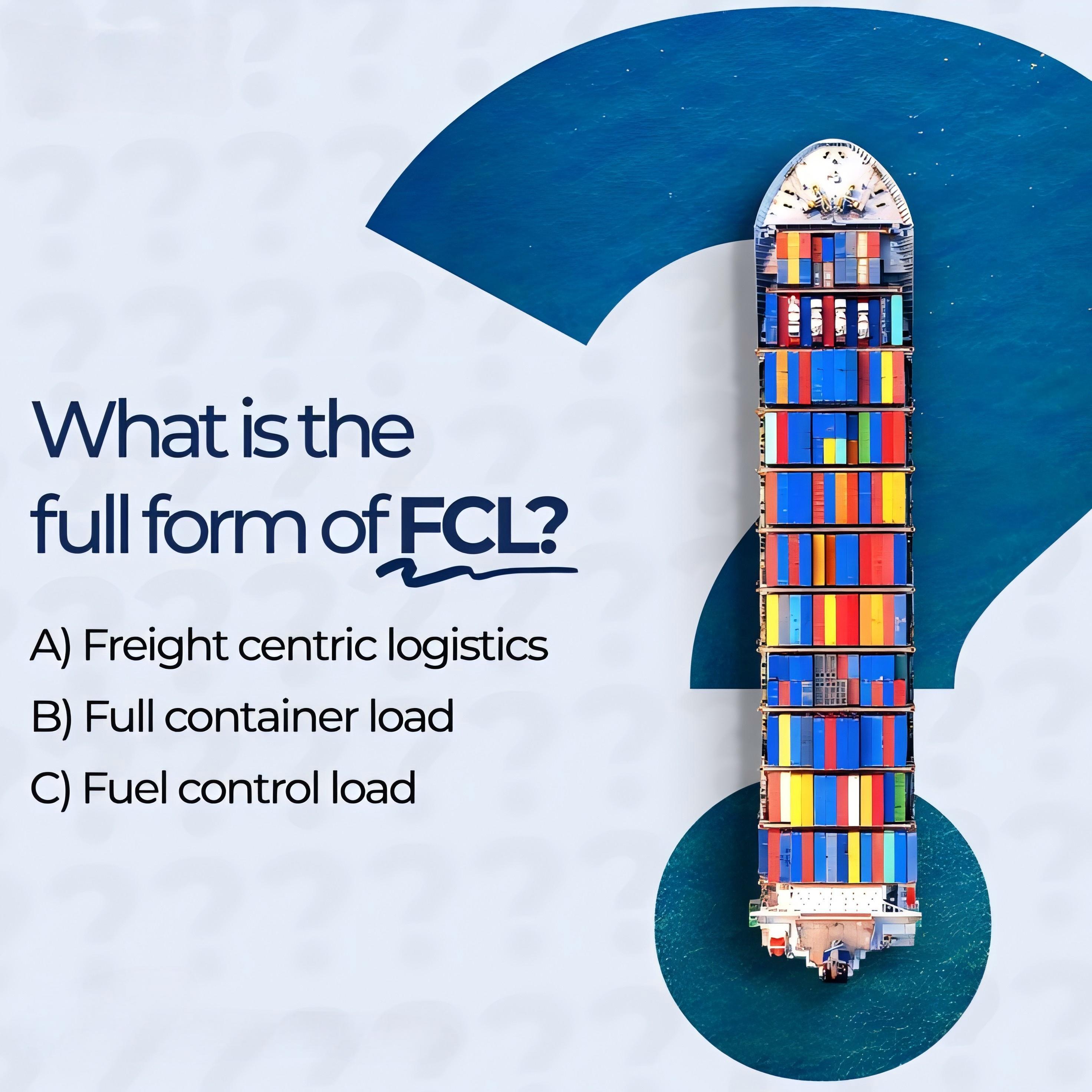
Why Are 40GP FCL Containers Scarce?
Several factors contribute to the ongoing container shortage. Firstly, port congestion worldwide ties up containers for longer periods, preventing their timely return to origin ports. Secondly, the uneven distribution of containers means many are stuck in demand-heavy regions, rather than being repositioned to manufacturing hubs like China.
Furthermore, unforeseen events, such as labor shortages at ports or geopolitical incidents, can exacerbate these existing issues. Consequently, this creates a ripple effect across the entire supply chain, making the procurement of a 40GP FCL container for furniture increasingly difficult for importers.
Impact on Furniture Imports to Spain
For furniture importers shipping from China to Spain, the 40GP FCL container shortage translates directly into higher shipping costs and unpredictable delivery schedules. Therefore, businesses must often absorb these additional expenses or pass them on to consumers, impacting market competitiveness. Additionally, longer transit times can delay product launches and disrupt inventory management.
Indeed, the challenge extends beyond just cost; it also affects the reliability of the supply chain. Consequently, furniture retailers in Spain face potential stockouts, missed sales opportunities, and damage to customer relationships. Finding a robust 40GP FCL container shortage solution for furniture from China to Spain is therefore paramount for business continuity.
Strategic Solutions for 40GP FCL Container Shortage
Navigating a 40GP FCL container shortage requires a multi-faceted approach, combining innovative logistics strategies with strong partnerships. By exploring various shipping methods and optimizing existing processes, importers can mitigate the impact of container scarcity. Therefore, adaptability and foresight are crucial in today’s volatile shipping environment.
Ultimately, the goal is to ensure the continuous flow of furniture from China to Spain while managing costs and timelines effectively. This involves considering alternatives to traditional FCL shipments and leveraging expert freight forwarding services. Furthermore, a proactive stance can transform potential disruptions into opportunities for supply chain optimization.
Leveraging LCL and Consolidated Shipments
When a dedicated 40GP FCL container is unavailable, Less than Container Load (LCL) shipping becomes a viable alternative. With LCL, your furniture shares container space with other cargo, significantly reducing the pressure to secure a full container. This method is particularly cost-effective for smaller volumes that do not fill an entire 40GP FCL.
Moreover, consolidating shipments from multiple suppliers into a single LCL or FCL container can optimize space and reduce per-unit shipping costs. A reliable freight forwarder can expertly manage this consolidation, ensuring efficient cargo handling and customs clearance. Consider sea freight LCL options for greater flexibility.
Exploring Alternative Container Types
While 40GP FCL containers are standard for furniture due to their volume, exploring other container types can offer a temporary solution during shortages. For example, 20GP containers might be suitable for smaller batches or denser furniture items. Alternatively, 40HQ (High Cube) containers, offering extra vertical space, could be more readily available.
Additionally, open-top or flat-rack containers can accommodate oversized furniture that might not fit conventional containers. However, these specialized containers may come with different handling requirements and pricing structures. Therefore, a careful assessment of cargo dimensions and availability is essential before making a choice.
Optimizing Booking and Planning
Securing container space during a shortage demands early booking and flexible scheduling. Planning shipments well in advance, sometimes weeks or even months ahead, can significantly improve your chances of obtaining a 40GP FCL container. Additionally, maintaining open communication with your suppliers and freight forwarder is crucial for real-time adjustments.
Furthermore, consider building buffer times into your delivery schedule to account for potential delays. Working with an experienced customs brokerage partner can also streamline documentation and clearance processes, thereby minimizing dwell times at ports. This proactive approach helps mitigate the impact of unexpected disruptions.
How Does Sea Freight Compare to Other Shipping Options?
While sea freight remains the most economical option for large-volume furniture shipments from China to Spain, understanding its alternatives is crucial during a 40GP FCL container shortage. Each method offers distinct advantages and disadvantages concerning cost, transit time, and cargo suitability. Therefore, selecting the right mode depends on your specific priorities and urgent needs.
Indeed, a comprehensive comparison helps businesses make informed decisions, especially when traditional sea freight options are constrained. This section explores the primary alternatives and their typical applications for furniture imports. Ultimately, flexibility in choosing transport modes can be a powerful solution.
| Shipping Method | Cost Range (40GP/40HQ Equivalent) | Transit Time (China to Spain) | Best For | Limitations |
|---|---|---|---|---|
| Sea Freight (FCL) | $2,800 – $4,200 | 28 – 35 days | Large volume, heavy, non-urgent furniture | Long transit times, susceptible to port congestion |
| Sea Freight (LCL) | $50 – $80 per CBM (for <15 CBM) | 35 – 45 days | Smaller shipments, flexible volumes, cost-sensitive | Longer transit than FCL, more handling, higher risk of damage |
| Rail Freight | $8,000 – $12,000 | 18 – 25 days | Medium-volume, time-sensitive, high-value furniture | Higher cost than sea, limited terminal access, capacity constraints |
| Air Freight | $15,000 – $25,000 (for equivalent volume) | 5 – 7 days | Urgent, high-value, small-volume furniture samples | Extremely high cost, volume/weight restrictions, environmental impact |
Implementing Hybrid and Flexible Logistics Strategies
In times of 40GP FCL container shortage, adopting hybrid and flexible logistics strategies can provide a competitive edge. These approaches combine different transport modes or services to balance speed, cost, and reliability. Consequently, they offer adaptable solutions tailored to specific shipment needs and market conditions.
Furthermore, leveraging a network of logistics partners enables greater agility in responding to unforeseen challenges. Ultimately, a diversified strategy minimizes reliance on a single shipping method, thereby enhancing supply chain resilience. This proactive planning is essential for sustained success.
Sea-Air Combinations for Speed
For furniture shipments that require a faster transit time than pure sea freight but are too costly for direct air freight, a sea-air combination can be ideal. This method typically involves shipping goods by sea to a transit hub (e.g., Dubai or Singapore), then transferring them to air freight for the final leg to Spain. Accordingly, this reduces overall transit time significantly compared to sea-only routes.
However, this hybrid approach does incur higher costs than conventional sea freight, although it is still more economical than full air freight. It is particularly suitable for urgent orders or seasonal collections where speed to market is critical. Therefore, careful planning and coordination with an experienced forwarder are necessary to execute this strategy effectively.
Door-to-Door Service for Seamless Delivery
During a container shortage, managing multiple logistics providers can become complex and time-consuming. Opting for a comprehensive door-to-door service simplifies the entire shipping process, from your supplier’s factory in China to your warehouse in Spain. This integrated solution handles all aspects, including pickup, international transport, customs clearance, and final delivery.
Moreover, a single point of contact reduces administrative burden and potential communication breakdowns. This service ensures a smoother, more predictable delivery schedule, which is invaluable when facing external disruptions like container shortages. Ultimately, it allows you to focus on your core business while experts manage the logistics complexities.
Real-World Case Studies: Navigating Container Shortages
Examining real-world examples illustrates how businesses have successfully navigated the 40GP FCL container shortage when importing furniture from China to Spain. These case studies highlight practical applications of the strategies discussed, offering valuable insights into problem-solving. Indeed, learning from actual scenarios can help inform your own logistics decisions.
These examples demonstrate the importance of flexibility, strategic partnerships, and a willingness to explore alternative solutions. They underscore that even in challenging market conditions, efficient and cost-effective shipping remains achievable. Therefore, proactive planning is always key.
Case Study 1: Furniture Importer from Foshan to Valencia
A medium-sized furniture importer in Valencia faced severe delays due to a 40GP FCL container shortage for their regular shipments from Foshan. Their usual transit time was 30 days, but new bookings showed 60-day waits. They needed to find a solution to maintain inventory levels for an upcoming sales event.
| Detail | Description |
|---|---|
| Route | Foshan, China Valencia, Spain |
| Cargo | Wooden dining tables and chairs, 50 CBM, 8,000 kg |
| Container | Two 20GP containers (instead of one 40GP) |
| Shipping Details | Carrier: MSC, Port of Loading: Nansha, Port of Discharge: Valencia, Route Type: Direct |
| Cost Breakdown | Ocean Freight: $5,600 (2x $2,800 for 20GP), Origin Charges: $600, Destination Charges: $500, Customs & Duties (estimated): $1,200, Total Landed Cost: $7,900 |
| Timeline | Booking to Loading: 7 days, Sea Transit: 32 days, Customs Clearance: 3 days, Total Door-to-Door: 42 days |
| Key Insight | Opting for two 20GP containers instead of a single 40GP FCL container, which was scarce, allowed for faster booking and a manageable increase in cost. This kept their supply chain moving. Note: Based on Q3 2024 market rates. |
Case Study 2: Multiple Supplier Consolidation to Barcelona
A Barcelona-based retailer sourced various furniture components from three different factories in Zhejiang province. The combined volume was 25 CBM, too small for a cost-effective 40GP FCL but too large for a single LCL without significant delays. They sought an efficient consolidation solution.
| Detail | Description |
|---|---|
| Route | Ningbo (Zhejiang), China Barcelona, Spain |
| Cargo | Flat-pack cabinets, upholstery, and accessories, 25 CBM, 4,500 kg |
| Container | LCL (consolidated) |
| Shipping Details | Carrier: COSCO (via major forwarder), Port of Loading: Ningbo, Port of Discharge: Barcelona, Route Type: Transshipment via Singapore |
| Cost Breakdown | Ocean Freight: $1,750 (25 CBM x $70/CBM), Origin Charges: $350, Destination Charges: $400, Customs & Duties (estimated): $700, Total Landed Cost: $3,200 |
| Timeline | Booking to Consolidation: 10 days, Sea Transit: 38 days, Customs Clearance: 5 days, Total Door-to-Door: 55 days |
| Key Insight | Consolidating multiple smaller shipments into LCL under one forwarder reduced overall freight costs and simplified logistics, despite a slightly longer transit time. This was a crucial 40GP FCL container shortage solution for furniture from China to Spain. Note: Typical rates as of early 2025. |
Case Study 3: Urgent Shipment via Hybrid Solution to Madrid
A high-end furniture boutique in Madrid needed a limited batch of bespoke designer chairs from Shenzhen urgently for a new showroom opening. A 40GP FCL was unavailable, and pure air freight was prohibitively expensive. They required a balance of speed and cost.
| Detail | Description |
|---|---|
| Route | Shenzhen, China Madrid, Spain |
| Cargo | Designer chairs, 12 CBM, 1,500 kg |
| Container | LCL Sea-Air Hybrid |
| Shipping Details | Carrier: Maersk (sea), Emirates SkyCargo (air), Port of Loading: Yantian, Sea Port of Discharge: Dubai, Air Port of Discharge: Madrid, Route Type: Sea-Air via Dubai |
| Cost Breakdown | Sea Leg: $800, Air Leg: $3,500, Origin Charges: $200, Destination Charges: $300, Customs & Duties (estimated): $500, Total Landed Cost: $5,300 |
| Timeline | Booking to Loading: 5 days, Sea Transit (to Dubai): 10 days, Air Transit (Dubai to Madrid): 3 days, Customs Clearance: 2 days, Total Door-to-Door: 20 days |
| Key Insight | A sea-air hybrid solution significantly cut down transit time compared to full sea freight, at a fraction of the cost of full air freight. This strategic move ensured the furniture arrived on time for the critical showroom opening. Note: Freight rates are subject to change based on fuel costs, carrier capacity, and seasonal demand. Contact us for a current quote tailored to your specific shipment. |
Cost-Saving Measures and Supply Chain Resilience
Beyond finding immediate solutions for the 40GP FCL container shortage, implementing long-term cost-saving measures and building supply chain resilience is paramount. This proactive approach helps businesses weather future disruptions and maintain profitability. Therefore, continuous evaluation of logistics processes is essential.
Ultimately, a robust supply chain is one that can adapt to changing market conditions and unforeseen challenges. This involves strategic planning, diversification, and strong relationships with logistics partners. These measures will secure your furniture imports from China to Spain.
Negotiating Freight Rates and Contracts
While spot rates can be high during shortages, establishing long-term contracts with freight forwarders can provide more stable and predictable pricing. Furthermore, consider negotiating volume commitments in exchange for better rates, especially if you have consistent shipping needs. This strategy helps mitigate the volatility of the market.
Additionally, explore different Incoterms (International Commercial Terms) with your suppliers to see if shifting responsibilities can lead to cost efficiencies. For instance, moving from FOB to EXW might give you more control over freight selection and negotiation. Market data suggests that strategic contract negotiation can yield significant savings over time.
Diversifying Sourcing Locations
Over-reliance on a single sourcing country or region can amplify the impact of localized disruptions, including container shortages. Diversifying your furniture suppliers across different regions or countries can spread risk and offer alternative shipping routes when one becomes problematic. This strategy enhances overall supply chain resilience.
Moreover, exploring new markets might also lead to competitive pricing and innovative product designs. Although this requires initial investment in supplier vetting and logistics setup, the long-term benefits of a diversified sourcing strategy are substantial. This approach provides flexibility during a 40GP FCL container shortage.
Building Strong Forwarder Partnerships
A strong relationship with a reputable freight forwarder is invaluable, especially during challenging times like a 40GP FCL container shortage. An experienced partner can offer priority access to container space, provide expert advice on alternative routes, and manage complex documentation. Therefore, choose a forwarder with a proven track record for reliability and transparency.
Furthermore, a trusted partner can proactively communicate potential issues and offer contingency plans, ensuring your furniture shipments remain on track. Indeed, their industry insights and network can be critical in navigating market fluctuations and securing optimal logistics solutions. Ultimately, this partnership is a cornerstone of an efficient supply chain.

Which Option Should You Choose for Your Furniture Shipment?
Deciding on the best shipping solution for your furniture from China to Spain during a 40GP FCL container shortage depends on several key factors. Evaluating your priorities, such as budget, speed, and cargo characteristics, will guide you towards the most appropriate strategy. Therefore, a clear understanding of your business needs is essential.
Ultimately, there is no one-size-fits-all answer; the optimal choice will vary based on the specific circumstances of each shipment. This decision framework helps you weigh the trade-offs and select the most effective logistics approach. Consequently, you can make informed choices even in a challenging market.
Prioritizing Budget
If cost-efficiency is your primary concern, and you have flexible delivery timelines, traditional sea freight remains the most economical option. Even during a 40GP FCL container shortage, LCL sea freight offers significant cost savings for smaller volumes. Furthermore, consider consolidating multiple orders to achieve better rates.
Moreover, booking well in advance and being open to slightly longer transit times can help secure more favorable freight rates. Always request detailed quotes that break down all charges, including origin, destination, and customs fees, to avoid hidden costs. This careful planning ensures budget adherence.
Prioritizing Speed
When speed to market is critical, especially for seasonal items or urgent stock replenishment, air freight or a sea-air hybrid solution is advisable. While these options are more expensive, they drastically reduce transit times, allowing you to respond quickly to market demand. Therefore, calculate the potential revenue gain against the increased shipping cost.
For slightly less urgent but still time-sensitive shipments, rail freight offers a good balance between speed and cost compared to sea freight. However, ensure your destination in Spain is well-connected to rail terminals. Always balance urgency with the overall logistics trends and current freight rates.
Considering Cargo Volume and Type
The volume and nature of your furniture greatly influence the best shipping method. For instance, very large, non-stackable items might still necessitate a full container, even if it’s a 20GP or 40HQ instead of a 40GP FCL. Conversely, small, high-value items are often better suited for LCL or even air freight.
Furthermore, fragile or uniquely shaped furniture may require specialized packaging and handling, which can impact container choice and overall shipping costs. Always discuss cargo handling requirements with your freight forwarder to ensure safe transit. This detailed assessment prevents damage and unexpected expenses.
Market Intelligence and Future Outlook
Staying informed about current market conditions, such as port congestion, fuel surcharges, and carrier capacity, is vital. As of Q1 2025, freight rates from China to Europe have stabilized after recent Red Sea disruptions, but volatility remains. Therefore, regularly consult with your logistics partner for the latest insights.
Additionally, anticipate seasonal patterns; rates typically increase 15-25% during August-October peak season. Planning around these periods or locking in rates beforehand can be a smart move. Proactive monitoring of logistics trends helps in making timely and cost-effective shipping decisions for your furniture imports.
Conclusion: Navigating the 40GP FCL Container Shortage with Expertise
The ongoing 40GP FCL container shortage presents significant hurdles for furniture importers, yet effective strategies exist to overcome these challenges. By exploring alternatives like LCL, optimizing container types, and adopting hybrid shipping models, businesses can maintain robust supply chains. Furthermore, strong partnerships with experienced freight forwarders are invaluable for navigating market complexities.
Ultimately, a proactive, flexible, and well-informed approach is crucial for securing efficient and cost-effective furniture shipments from China to Spain. Leveraging expert guidance and embracing diverse logistics solutions will ensure your business continues to thrive despite global disruptions. This comprehensive strategy is your best 40GP FCL container shortage solution for furniture from China to Spain.
Ready to streamline your logistics?
Are you struggling with the 40GP FCL container shortage for your furniture shipments from China to Spain? Our expert team is ready to provide tailored solutions and competitive quotes. Contact us today to optimize your logistics and ensure seamless delivery.
Request Quote