

Air Freight Routes China: Navigating Global Shipping for Speed
In today’s fast-paced global economy, efficient logistics are paramount for businesses importing from Asia. Understanding the best air freight routes from China is crucial for timely and cost-effective delivery of goods. This comprehensive guide will illuminate the complexities of air cargo, helping you streamline your supply chain with expertise from China Top Freight.
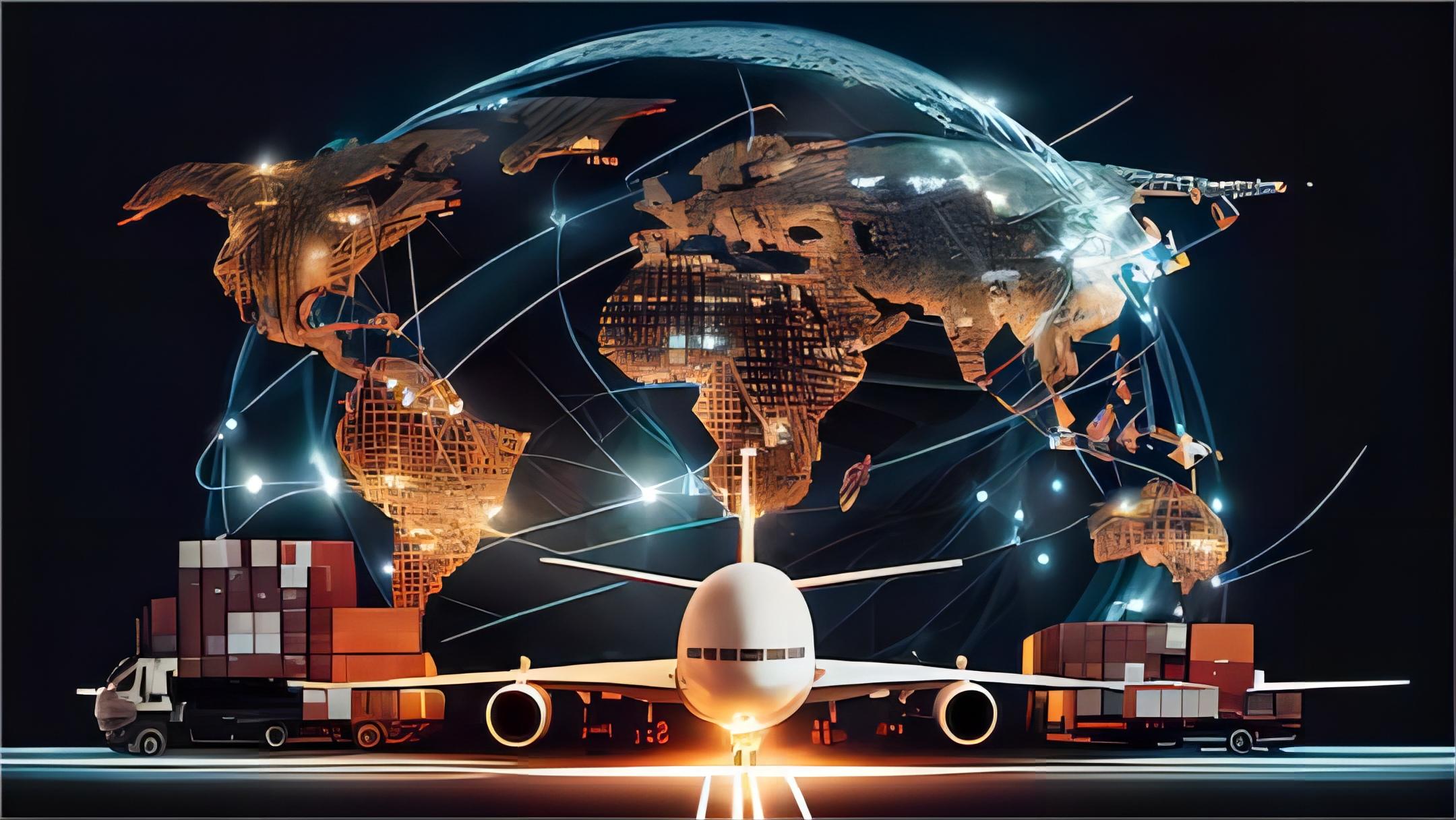
Why Choose Air Freight for Shipments from China?
Choosing air freight from China offers unparalleled speed, a critical advantage for time-sensitive goods or urgent inventory replenishment. It significantly reduces transit times compared to ocean shipping, ensuring products reach their destination swiftly. Moreover, air cargo typically involves less handling, which can lower the risk of damage for delicate or high-value items.
Furthermore, air freight provides enhanced security and reliability. Airports have stringent security protocols, minimizing theft and loss. This method is ideal for goods with short shelf lives, seasonal products, or items where market demand fluctuates rapidly. Ultimately, air freight ensures your supply chain remains agile and responsive to market changes.
Consequently, businesses often choose air freight for its ability to meet tight deadlines and maintain a competitive edge. It is a premium service that prioritizes speed and security above all else. This makes it an indispensable tool for many modern import strategies.
Key Air Freight Routes from China to Global Destinations
China’s vast network of international airports forms the backbone of its global air freight operations. Major hubs like Shanghai (PVG), Beijing (PEK), Guangzhou (CAN), and Shenzhen (SZX) serve as primary gateways. These airports connect to virtually every major economic center worldwide, facilitating rapid cargo movement.
Predominantly, the busiest air freight routes from China extend to North America and Europe. For instance, flights from PVG or SZX frequently head to Los Angeles (LAX), Chicago (ORD), and New York (JFK) in the USA, as well as Toronto (YYZ) and Vancouver (YVR) in Canada. These routes support a massive volume of goods, including electronics, e-commerce products, and urgent manufacturing components.
Similarly, European destinations like Frankfurt (FRA), Amsterdam (AMS), London (LHR), and Paris (CDG) are major recipients of Chinese air cargo. These routes are crucial for industries such as fashion, automotive parts, and high-tech machinery. Additionally, significant routes serve Australia (SYD, MEL) and other Asian hubs like Singapore (SIN) and Tokyo (NRT), supporting diverse import needs. Understanding these critical arteries helps in planning efficient air freight strategies.
Indeed, the choice of departure airport in China often depends on the origin of the goods and the destination. For example, Shenzhen is a key hub for electronics manufactured in the Pearl River Delta, while Shanghai handles a broader range of goods from eastern China. Selecting the optimal departure point can significantly impact transit times and freight rates.
Understanding Air Freight Transit Times and Costs
Air freight transit times from China are remarkably fast, typically ranging from 3 to 10 days, depending on the destination and service type. Direct flights to major hubs can deliver cargo in as little as 3-5 days. However, routes involving transshipments or less frequent services might take slightly longer, sometimes up to 7-10 days. Factors like customs clearance at the destination also influence the overall delivery schedule.
Conversely, the cost of air freight is generally higher than sea or rail shipping, reflecting its speed and efficiency. Prices are usually calculated based on chargeable weight, which is the greater of the actual gross weight or the volumetric weight. Volumetric weight considers the space a package occupies, often calculated as (Length x Width x Height in cm) / 6000 or 5000.
Many variables influence air freight rates. These include fuel surcharges, security fees, terminal handling charges at both origin and destination, and any special handling requirements for dangerous or oversized goods. Market demand, airline capacity, and seasonal peaks, such as the period leading up to major holidays like Chinese New Year or Christmas, can also cause significant fluctuations in shipping costs. Always obtain a current quote for accurate pricing.
Note: Freight rates are subject to change based on fuel costs, carrier capacity, and seasonal demand. Contact us for a current quote tailored to your specific shipment.

Navigating Customs and Documentation for Air Cargo
Successful air freight from China requires meticulous attention to customs procedures and documentation. Proper preparation ensures smooth clearance and avoids costly delays at both origin and destination. A complete set of accurate documents is essential for every international shipment.
Key documents typically include the Commercial Invoice, Packing List, Air Waybill (AWB), and often a Certificate of Origin. The Commercial Invoice details the goods, their value, and terms of sale, while the Packing List itemizes contents. The AWB acts as a contract between the shipper and carrier, and a receipt for goods. Furthermore, specific goods may require additional licenses, permits, or certifications, such as CITES for endangered species or FCC/CE marks for electronics.
Engaging a reliable customs brokerage service is highly recommended. Experienced brokers can navigate complex regulations, ensure compliance, and expedite the clearance process. They can also advise on duties, taxes, and any specific import restrictions that apply to your goods or destination country. This expertise is invaluable for avoiding unexpected issues and maintaining your delivery schedule.
Indeed, understanding Incoterms (International Commercial Terms) is also vital, as they define the responsibilities and risks between buyer and seller. Correctly applying Incoterms impacts who pays for what part of the journey, including insurance and customs duties. Proper planning significantly streamlines the import/export process.
How Does Air Freight Compare to Other Shipping Options?
While air freight offers speed, it is crucial to compare it against other viable shipping methods to determine the most suitable option for your specific needs. Understanding the trade-offs in cost, transit time, and capacity helps in making informed logistics decisions. Each mode has distinct advantages depending on cargo type and urgency.
For instance, sea freight is the most economical choice for large volumes and heavy goods, albeit with much longer transit times. Rail freight, on the other hand, offers a balance of cost and speed for shipments between China and Europe, being faster than sea but slower than air. Express services are even faster than standard air freight for small, urgent parcels.
Choosing the right method depends on various factors including budget, time constraints, cargo volume, and the nature of the goods. A hybrid approach, such as sea-air combinations, can also be a strategic solution for certain routes. This comparison table highlights the key differences.
Ultimately, the decision framework should align with your business priorities. Consider these factors carefully to optimize your supply chain.
| Shipping Method | Cost Range (per kg/CBM) | Transit Time (China to Europe/USA) | Best For | Limitations |
|---|---|---|---|---|
| Air Freight | $4.00 – $10.00/kg (chargeable weight) | 3-10 days | Urgent, High-Value, Small Volume | Highest Cost, Volume/Weight Restrictions |
| Sea Freight (FCL) | $0.05 – $0.15/kg (based on 40HQ) | 28-45 days | Large Volume, Heavy, Non-Urgent | Slowest, Port Congestion Risk |
| Sea Freight (LCL) | $0.10 – $0.25/kg (based on CBM) | 35-50 days | Medium Volume, Cost-Sensitive | Slower than FCL, Consolidation Delays |
| Rail Freight | $0.50 – $1.50/kg | 18-25 days | Medium Volume, China-Europe, Balanced Cost/Speed | Limited Routes, Not for all destinations |
| Express Service | $6.00 – $15.00/kg | 2-5 days | Small Parcels, Documents, Samples | Very High Cost for Larger Shipments |

Which Option Should You Choose?
Your choice of shipping method should align directly with your business priorities. If speed is paramount, particularly for high-value or time-sensitive goods, air freight is the clear winner. This is often the case for electronics, pharmaceuticals, or fashion items with short market windows.
Conversely, if budget is your primary concern and transit time is flexible, sea freight is typically the most cost-effective solution for bulkier or heavier shipments. For a balance between speed and cost, especially for shipments between China and Europe, rail freight offers a compelling middle ground. Always evaluate your specific cargo type and volume thresholds.
For small, urgent packages, an express service provides door-to-door delivery within a few days, often with integrated customs clearance. Hybrid solutions, like sea-air, can also offer a strategic compromise, using sea for the initial long haul and air for the final leg to expedite delivery without incurring full air freight costs. Each scenario demands a tailored approach.
Optimizing Your Air Freight Strategy: Tips for Efficiency
To maximize the benefits of air freight from China, strategic planning and optimization are essential. One key strategy involves consolidating multiple smaller shipments into a single larger one. This can significantly reduce per-unit costs, as airlines often offer better rates for higher volumes. Working with a freight forwarder who specializes in consolidation can be highly advantageous.
Another effective tip is to carefully plan your shipping schedule, taking into account peak seasons and major holidays. Shipping during off-peak times can often result in lower freight rates and faster processing. Additionally, accurately declaring your cargo and preparing all necessary documentation in advance will prevent customs delays, ensuring a smoother journey for your goods.
Considering a door to door service package can also streamline your logistics. This comprehensive solution handles everything from pickup at the supplier’s factory to final delivery at your warehouse, including all customs procedures and local transportation. It simplifies the process for importers, reducing administrative burden and potential complications. This approach is particularly beneficial for businesses seeking a hassle-free experience.
Finally, exploring hybrid solutions such as sea-air transport can be a smart move for certain routes and urgency levels. This combines the cost-effectiveness of sea freight for the initial leg and the speed of air freight for the final leg, offering a balanced approach. It is a flexible option when full air freight is too expensive but sea freight is too slow.
Real-World Air Freight Scenarios from China
Examining actual case studies provides practical insights into how businesses leverage air freight routes from China for diverse needs. These examples demonstrate the flexibility and critical role of air cargo in various supply chains, from urgent deliveries to high-value goods. Each scenario highlights specific challenges and effective solutions.
These real-world examples illustrate the strategic decisions involved in choosing air freight. They underscore the importance of balancing speed, cost, and specific cargo requirements. Understanding these scenarios can help you make more informed decisions for your own import operations from China.
Case Study 1: High-Value Electronics to Europe
A European electronics distributor needed to quickly replenish stock of a popular smartphone model ahead of a major sales event. The delay in sea freight would mean missing the critical sales window, resulting in significant lost revenue. Air freight was the only viable option to meet the tight deadline.
| Detail | Description |
|---|---|
| Route | Shenzhen, China (SZX) -> Frankfurt, Germany (FRA) |
| Cargo | Smartphones, 3 CBM, 450 kg |
| Service Type | Standard Air Cargo (Consolidated) |
| Shipping Details | Major carrier, Port of Loading: SZX, Port of Discharge: FRA, Route Type: Direct flight |
| Cost Breakdown (Based on Q4 2024 rates) | Air Freight: $2,700 (6.00/kg chargeable), Origin Charges: $250, Destination Charges: $300, Customs & Duties (estimated): $1,200, Total Landed Cost: $4,450 |
| Timeline | Booking to Loading: 2 days, Air Transit: 3 days, Customs Clearance: 1 day, Total Door-to-Door: 6 days |
| Key Insight | Air freight ensured product availability for a critical sales event, minimizing potential losses. Expedited customs clearance was crucial. |
Case Study 2: Urgent Fashion Goods to North America
A US-based fashion retailer faced an unexpected surge in demand for a new clothing line. Their regular sea freight shipment was still weeks away, threatening stockouts. They opted for air freight to quickly restock key items and capitalize on the market trend, securing additional sales.
The retailer also utilized an Amazon FBA prep service at origin to ensure goods were ready for direct fulfillment upon arrival, further reducing delays.
| Detail | Description |
|---|---|
| Route | Guangzhou, China (CAN) -> Los Angeles, USA (LAX) |
| Cargo | Seasonal Apparel, 5 CBM, 600 kg |
| Service Type | Express Air Cargo |
| Shipping Details | Major carrier, Port of Loading: CAN, Port of Discharge: LAX, Route Type: Direct flight |
| Cost Breakdown (Based on Q1 2025 rates) | Air Freight: $4,500 (7.50/kg chargeable), Origin Charges: $300, Destination Charges: $400, Customs & Duties (estimated): $1,500, Total Landed Cost: $6,700 |
| Timeline | Booking to Loading: 1 day, Air Transit: 2 days, Customs Clearance: 1 day, Total Door-to-Door: 4 days |
| Key Insight | Rapid air freight allowed the retailer to meet sudden market demand, converting potential stockouts into sales opportunities. The express service ensured minimal transit time. |
Case Study 3: Specialized Components to Australia
An Australian manufacturing company required a critical machine component for its production line, which had unexpectedly broken down. The component was unique and not readily available locally. Air freight was chosen to minimize downtime and avoid significant production losses.
The urgency of the situation necessitated the fastest possible route, making air cargo the only viable solution despite the higher cost. The focus was on getting the factory operational again without delay.
| Detail | Description |
|---|---|
| Route | Shanghai, China (PVG) -> Sydney, Australia (SYD) |
| Cargo | Industrial Machine Parts, 1 CBM, 150 kg |
| Service Type | Standard Air Cargo |
| Shipping Details | Major carrier, Port of Loading: PVG, Port of Discharge: SYD, Route Type: Direct flight |
| Cost Breakdown (Based on Q1 2025 rates) | Air Freight: $900 (6.00/kg chargeable), Origin Charges: $150, Destination Charges: $200, Customs & Duties (estimated): $400, Total Landed Cost: $1,650 |
| Timeline | Booking to Loading: 2 days, Air Transit: 4 days, Customs Clearance: 1 day, Total Door-to-Door: 7 days |
| Key Insight | Air freight prevented prolonged factory downtime, saving the company from substantial production losses. Speed outweighed cost for this critical component. |
Conclusion: Mastering Air Freight Routes China for Global Success
Mastering air freight routes from China is key to achieving speed, reliability, and competitive advantage in the global market. While it represents a higher investment than other shipping methods, the benefits of reduced transit times and enhanced security are invaluable for time-sensitive or high-value cargo. Strategic planning, understanding key routes, and meticulous documentation are crucial.
By leveraging expert freight forwarders and optimizing your logistics strategy, you can ensure your goods move efficiently from China to any global destination. The insights into air freight routes China provided here empower businesses to make informed decisions, ultimately strengthening their supply chain and responsiveness. Choose air freight when speed and reliability cannot be compromised.
Need a tailored shipping solution?
Ready to optimize your supply chain with efficient air freight routes from China? Contact us today for a personalized quote and expert guidance. Our team is prepared to help you navigate the complexities of international shipping and ensure your cargo arrives swiftly and securely.