

40GP FCL Best Route for Furniture from China to Netherlands Guide
Shipping large volumes of furniture from China to the Netherlands demands careful planning and execution. Identifying the 40GP FCL best route for furniture from China to Netherlands is crucial for cost-effectiveness and timely delivery. Without a strategic approach, importers often face unexpected delays and inflated shipping costs. This comprehensive guide, brought to you by China Top Freight, outlines optimal strategies and considerations to streamline your logistics and ensure your furniture arrives safely and efficiently.

Understanding 40GP FCL Shipping for Furniture
When importing furniture from China to the Netherlands, selecting the correct container type is paramount. A 40GP FCL, or 40-foot General Purpose Full Container Load, offers significant advantages. It provides ample space for large volumes, making it ideal for furniture businesses.
What is a 40GP FCL Container?
A 40GP container measures approximately 40 feet long, 8 feet wide, and 8 feet 6 inches high. It offers a substantial capacity, typically around 67.7 cubic meters (CBM). This size is perfect for bulk furniture shipments, ensuring your goods travel securely and exclusively.
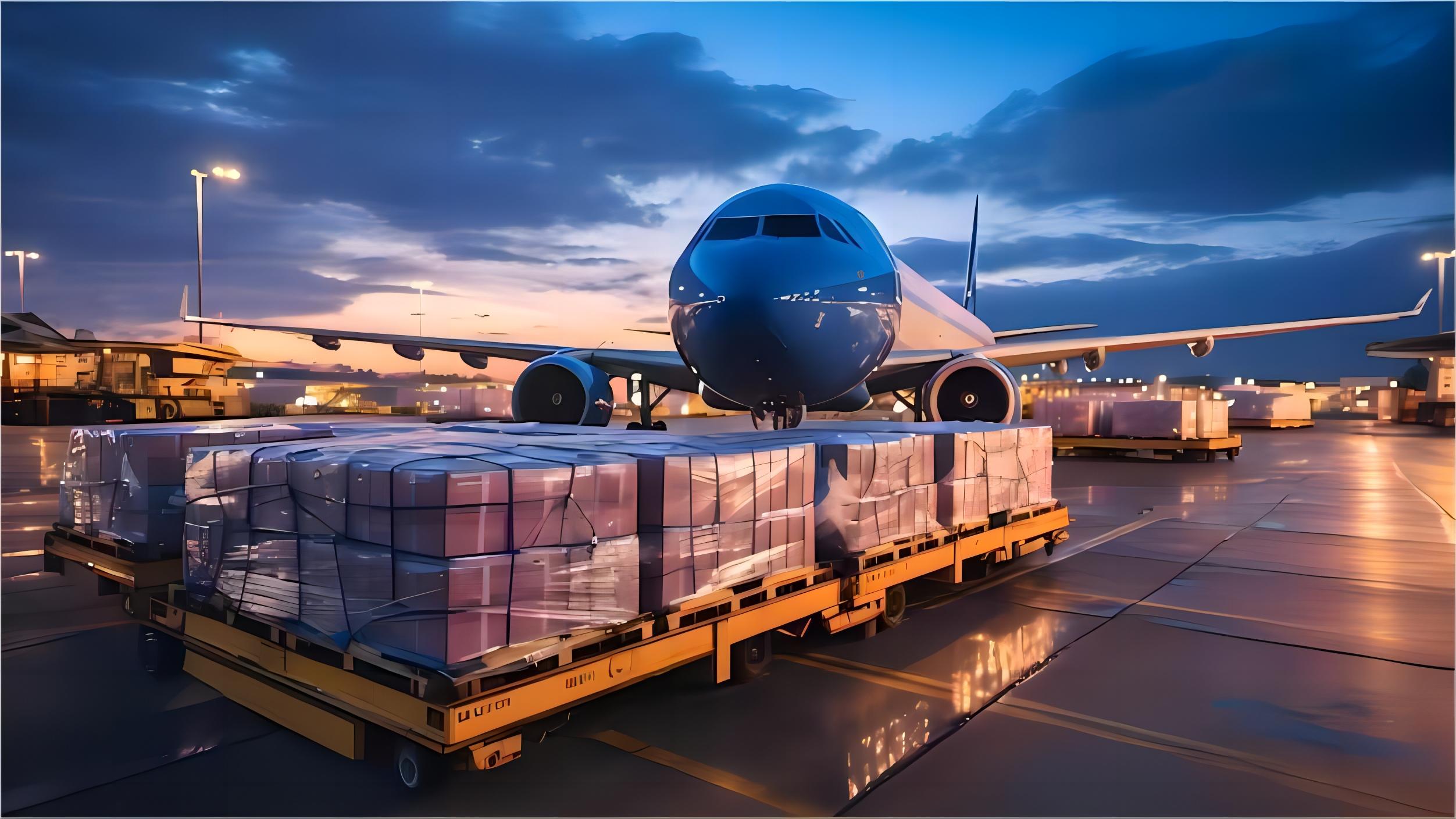
Choosing FCL means your cargo occupies the entire container. This minimizes handling and reduces the risk of damage or misplacement. It is a dedicated solution for your valuable furniture items.
Why Choose FCL for Furniture Imports?
FCL shipping offers superior security and faster transit times compared to Less than Container Load (LCL). Your furniture is not consolidated with other shippers’ goods, preventing potential delays or damages. This direct approach streamlines the delivery schedule.
Moreover, FCL often becomes more cost-effective for larger volumes. Once your shipment exceeds 15-20 CBM, a full container load typically presents better freight rates per cubic meter. This optimizes your overall shipping costs.
Key Considerations for China-Netherlands Furniture Shipping
Successfully shipping furniture requires attention to several critical factors. From route selection to customs procedures, each element impacts your supply chain efficiency. Understanding these considerations helps in planning your 40GP FCL best route for furniture from China to Netherlands.
Route Optimization: Major Ports and Transit Times
The journey from China to the Netherlands primarily involves ocean freight. Major Chinese ports like Shanghai, Ningbo, Shenzhen, and Qingdao are key departure points. These ports offer extensive connections and frequent sailings to Europe.
In the Netherlands, Rotterdam is the dominant port of entry. It is Europe’s largest port and a central hub for onward distribution across the continent. Direct routes typically offer faster transit times, minimizing delays.
Generally, sea transit from China to Rotterdam ranges from 28 to 35 days. However, factors like carrier schedules, transshipment points, and seasonal demand can influence the exact duration. Planning ahead is always advisable for your furniture imports.
Navigating Shipping Costs and Freight Rates
Shipping costs for a 40GP FCL from China to the Netherlands can vary significantly. These rates depend on factors such as the origin port, destination port, carrier, and current market conditions. Fuel surcharges and peak season adjustments also play a role.
As of Q1 2025, typical freight rates for a 40GP container from China to Europe range from $2,800-$3,800. This estimate excludes origin charges, destination charges, and duties. Always obtain a detailed quote for accurate budgeting.
Note: Freight rates are subject to change based on fuel costs, carrier capacity, and seasonal demand. Contact us for a current quote tailored to your specific shipment.
Customs Clearance and Documentation in the Netherlands
Efficient customs clearance is vital for avoiding delays and penalties. Proper documentation is essential for importing furniture into the Netherlands. This includes commercial invoices, packing lists, bills of lading, and certificates of origin.
Furthermore, furniture may be subject to specific import duties and VAT in the Netherlands. Understanding the Harmonized System (HS) codes for your furniture products is crucial. An experienced customs brokerage service can navigate these complexities seamlessly. They ensure compliance and expedite the process, preventing unforeseen issues.
How Does Sea Freight Compare to Other Shipping Options?
While sea freight is the most common method for large furniture shipments, other options exist. Understanding the trade-offs between speed, cost, and capacity is essential. This comparison helps you select the optimal logistics solution for your needs.
| Shipping Method | Cost Range (40GP FCL) | Transit Time | Best For | Limitations |
|---|---|---|---|---|
| Sea Freight | $2,800 – $4,200 | 28 – 35 days | High volume, non-urgent, cost-effective | Long transit time, port congestion risk |
| Rail Freight | $6,000 – $9,000 | 18 – 22 days | Medium volume, balanced speed/cost, inland regions | Higher cost than sea, limited routes, transshipment needed |
| Air Freight | $15,000 – $25,000 (LCL) | 3 – 7 days | Urgent, high-value samples, low volume | Prohibitively expensive for FCL furniture, weight/volume restrictions |
Sea Freight: The Primary Choice for Bulk Furniture
For a 40GP FCL furniture shipment from China to the Netherlands, sea freight is usually the most economical option. It offers immense capacity for large, heavy, and bulky items like furniture. Transit times are longer, typically 28-35 days.
Despite the longer duration, the cost-effectiveness per unit makes it ideal for non-urgent, high-volume imports. This method forms the backbone of the global furniture supply chain. It is the preferred choice for many businesses shipping to Europe.
Air Freight: For Urgent and High-Value Shipments
If speed is your absolute priority, air freight offers significantly faster transit, usually 3-7 days. However, this comes at a premium cost, often 5-10 times more expensive than sea freight for the same volume. It is generally unsuitable for a full 40GP container of furniture due to volume and weight restrictions.
Air freight is best reserved for samples, urgent small orders, or high-value, low-volume items. It is not a practical solution for the 40GP FCL best route for furniture from China to Netherlands. Consider this for emergency stock replenishment only.
Rail Freight: A Balanced Alternative
Rail freight from China to Europe has emerged as a viable option. It offers a balance between sea and air freight in terms of speed and cost. Transit times typically range from 18-22 days to major European hubs like Duisburg or Warsaw, then onward by truck to the Netherlands.
While faster than sea freight, rail can be more expensive and has specific route limitations. However, it provides a good alternative for businesses seeking quicker delivery than ocean liners without the high cost of air freight. It is a growing segment of the China-Europe trade lanes.
Hybrid Solutions
For specific scenarios, hybrid solutions might be considered. For example, a sea-air combination involves shipping by sea to a hub like Dubai, then by air to the Netherlands. This can reduce overall transit time compared to pure sea freight, but at an increased cost.
Another approach is sea-rail, leveraging the strengths of both modes. For instance, using sea freight to a Central Asian port, then rail to Europe. However, these complex routes require meticulous planning and coordination with an experienced freight forwarder.

Choosing the Right Shipping Route: Ports and Carriers
Selecting the optimal shipping route is paramount for efficiency and cost. The choice of origin and destination ports, along with a reliable carrier, significantly impacts your logistics. This decision directly influences transit time and overall shipping costs.
Major Chinese Ports for Furniture Exports
China boasts several world-class ports ideal for furniture exports. Shanghai, Ningbo, and Shenzhen are among the busiest, offering frequent sailings and advanced infrastructure. Guangzhou and Qingdao are also strong contenders, particularly for specific manufacturing regions.
The choice of port often depends on your supplier’s location. Selecting a port closer to your factory minimizes inland transportation costs and reduces domestic transit time. This contributes to a more efficient supply chain.
Key European Ports for Netherlands Imports
For imports into the Netherlands, Rotterdam remains the primary gateway. Its strategic location and extensive rail, road, and inland waterway connections facilitate efficient distribution. Other nearby European ports like Antwerp (Belgium) or Hamburg (Germany) could be alternatives, but typically involve additional overland transport to the Netherlands.
Direct services to Rotterdam are usually preferred for the 40GP FCL best route for furniture from China to Netherlands. This minimizes transshipment risks and speeds up delivery. Evaluate the final destination of your furniture within the Netherlands to determine the most logical port choice.
Carrier Selection and Service Levels
Numerous international shipping carriers operate on the China-Europe route, including MSC, Maersk, COSCO, and CMA CGM. Each carrier offers varying service levels, transit times, and pricing. Assessing their reliability and schedule adherence is crucial for furniture imports.
Some carriers specialize in certain routes or offer premium services. Partnering with a freight forwarder who has strong relationships with multiple carriers can provide flexibility and better rates. They can navigate the complexities of carrier selection on your behalf.
Optimizing Your Supply Chain and Logistics
Beyond just shipping, a holistic approach to your supply chain ensures seamless furniture delivery. Effective logistics management encompasses various services designed to enhance efficiency and reduce risks. This comprehensive strategy safeguards your investment.
Door-to-Door Service: Convenience and Efficiency
A door-to-door service simplifies the entire shipping process. It covers everything from pickup at the supplier’s factory in China to final delivery at your warehouse in the Netherlands. This comprehensive solution minimizes your administrative burden.
Furthermore, it consolidates all logistics under one provider, offering greater transparency and accountability. This single point of contact simplifies communication and problem-solving. It is an excellent option for businesses seeking a hassle-free import experience.
Cargo Insurance: Protecting Your Investment
Given the value and fragility of furniture, cargo insurance is highly recommended. It protects your shipment against unforeseen events like damage, loss, or theft during transit. While rare, accidents can occur, making insurance a vital safeguard.
Various insurance policies are available, covering different levels of risk. Discuss your options with your freight forwarder to ensure adequate coverage for your specific furniture products. This offers peace of mind throughout the shipping journey.
Warehouse and Distribution Solutions
Upon arrival in the Netherlands, efficient warehousing and distribution are key. Many freight forwarders offer these services, including temporary storage, inventory management, and last-mile delivery. This can further streamline your supply chain.
Utilizing a distribution hub near Rotterdam allows for quick onward transport to customers or retail outlets. This optimizes your delivery schedule and reduces lead times for your furniture products. Consider these services for a truly end-to-end solution.
Real-World Scenarios: Case Studies
Examining actual shipping examples provides valuable insights into practical logistics challenges and solutions. These case studies highlight effective strategies for the 40GP FCL best route for furniture from China to Netherlands. They showcase how different factors influence outcomes and help in planning future shipments.
Case Study 1: Large Volume Furniture Retailer
This case illustrates a typical large-scale furniture import, emphasizing cost-efficiency during peak season. The retailer prioritized consistent supply over marginal speed gains. Careful planning and carrier negotiation were key to success, even amidst higher demand.
Based on Q3 2024 market rates, the chosen strategy effectively managed freight rates.
| Detail | Description |
|---|---|
| Route | Foshan, China -> Rotterdam, Netherlands |
| Cargo | Assorted wooden and upholstered furniture, 65 CBM, 10,000 kg |
| Container | 40HQ (High Cube) |
| Shipping Details | |
| Carrier/Service | COSCO |
| Port of Loading | Nansha, Guangzhou |
| Port of Discharge | Rotterdam |
| Route Type | Direct |
| Cost Breakdown (Estimated) | |
| Ocean Freight | $3,850 |
| Origin Charges (THC, documentation) | $420 |
| Destination Charges | $550 |
| Customs & Duties (estimated) | $1,200 (based on cargo value) |
| Total Landed Cost | $6,020 |
| Timeline | |
| Booking to Loading | 7 days |
| Sea Transit | 32 days |
| Customs Clearance | 3 days |
| Total Door-to-Door | 45 days |
| Key Insight | Booking well in advance during peak season secured a competitive rate and ensured container availability despite market volatility. |
Case Study 2: Niche Furniture Brand with Specific Requirements
This brand imported high-end, delicate furniture requiring extra care and a slightly faster transit. They opted for a premium carrier service with less transshipment. The focus was on minimizing handling and ensuring product integrity upon arrival.
Typical rates as of early 2025 reflect this service level.
| Detail | Description |
|---|---|
| Route | Shanghai, China -> Rotterdam, Netherlands |
| Cargo | Designer metal and glass furniture, 58 CBM, 8,500 kg |
| Container | 40GP |
| Shipping Details | |
| Carrier/Service | Maersk (premium service) |
| Port of Loading | Shanghai |
| Port of Discharge | Rotterdam |
| Route Type | Direct |
| Cost Breakdown (Estimated) | |
| Ocean Freight | $4,100 |
| Origin Charges (THC, documentation) | $450 |
| Destination Charges | $600 |
| Customs & Duties (estimated) | $1,500 (based on cargo value) |
| Total Landed Cost | $6,650 |
| Timeline | |
| Booking to Loading | 5 days |
| Sea Transit | 29 days |
| Customs Clearance | 2 days |
| Total Door-to-Door | 40 days |
| Key Insight | Paying a slight premium for a direct, reliable carrier reduced transit risk and ensured delicate cargo arrived in pristine condition, critical for brand reputation. |
Case Study 3: Overcoming Peak Season Challenges
This scenario involved a furniture importer facing urgent demand during the Q4 peak season. To mitigate potential delays, a combination of early booking and flexible port choice was employed. This proactive strategy helped navigate port congestion effectively.
Market data suggests Q4 rates were 20% higher, making strategic planning even more critical.
| Detail | Description |
|---|---|
| Route | Xiamen, China -> Rotterdam, Netherlands |
| Cargo | Flat-pack office furniture, 62 CBM, 9,500 kg |
| Container | 40GP |
| Shipping Details | |
| Carrier/Service | MSC |
| Port of Loading | Xiamen |
| Port of Discharge | Rotterdam |
| Route Type | Transshipment via Singapore |
| Cost Breakdown (Estimated) | |
| Ocean Freight | $3,950 |
| Origin Charges (THC, documentation) | $400 |
| Destination Charges | $500 |
| Customs & Duties (estimated) | $1,100 (based on cargo value) |
| Total Landed Cost | $5,950 |
| Timeline | |
| Booking to Loading | 8 days |
| Sea Transit | 35 days (due to transshipment and peak season) |
| Customs Clearance | 4 days (slight delay due to volume) |
| Total Door-to-Door | 49 days |
| Key Insight | Choosing a less congested alternative port (Xiamen instead of Shanghai) and accepting a transshipment route helped secure space and a reasonable rate during peak season, albeit with slightly longer transit time. |
Cost-Saving Strategies and Trade-offs for Furniture Imports
Optimizing your shipping budget for furniture imports requires smart strategies and an understanding of trade-offs. While aiming for the lowest cost, it is important not to compromise on reliability or cargo safety. Balancing these factors is key to successful logistics.
Consolidation and Planning
Consolidating multiple orders into a single 40GP FCL shipment maximizes container utilization. This approach spreads fixed costs across more goods, reducing the per-unit shipping cost. Proper inventory management and forecasting are crucial for effective consolidation.
Furthermore, planning shipments well in advance helps avoid last-minute rush charges. Booking early, especially during peak seasons, can secure better rates and ensure container availability. This proactive approach significantly impacts your freight rates.
Negotiating Rates
Working with an experienced freight forwarder provides leverage in negotiating better rates with carriers. Forwarders handle large volumes of cargo, giving them access to preferential pricing. Their expertise can uncover hidden cost efficiencies.
Always request detailed quotes and compare different service offerings. Understanding what is included in the quoted price prevents unexpected charges later. This transparency is vital for managing your shipping costs effectively.
Understanding Incoterms
Incoterms define the responsibilities and liabilities of buyers and sellers in international trade. Choosing the right Incoterm, such as FOB (Free On Board) or EXW (Ex Works), impacts who pays for which part of the journey. This directly affects your total landed cost.
For instance, FOB places more responsibility on the buyer for main carriage, but often gives them more control over carrier selection and cost. Carefully review your Incoterms with suppliers to optimize your shipping arrangements and manage import/export responsibilities.
Which Option Should You Choose for Your Furniture Shipment?
Deciding on the ideal shipping strategy depends heavily on your business priorities. Consider your budget, urgency, and the specific characteristics of your furniture cargo. A tailored approach ensures the most efficient and cost-effective delivery.
Budget Priority
If minimizing shipping costs is your primary concern, FCL sea freight is almost always the best option. Focus on securing competitive ocean freight rates and optimizing container loading. Consider slightly longer transit times for significant savings.
Speed Priority
For urgent furniture shipments, rail freight offers a faster alternative to sea freight at a higher cost. Air freight is an option only for very small, high-value, or emergency components, not typically for a 40GP FCL. Balance speed with the financial implications.
Cargo Type Considerations
Delicate or high-value furniture benefits from dedicated FCL containers to minimize handling and damage risk. Fragile items may also warrant enhanced packing and potentially a premium carrier service. Ensure proper cargo handling procedures are in place.
Volume Thresholds for Switching Methods
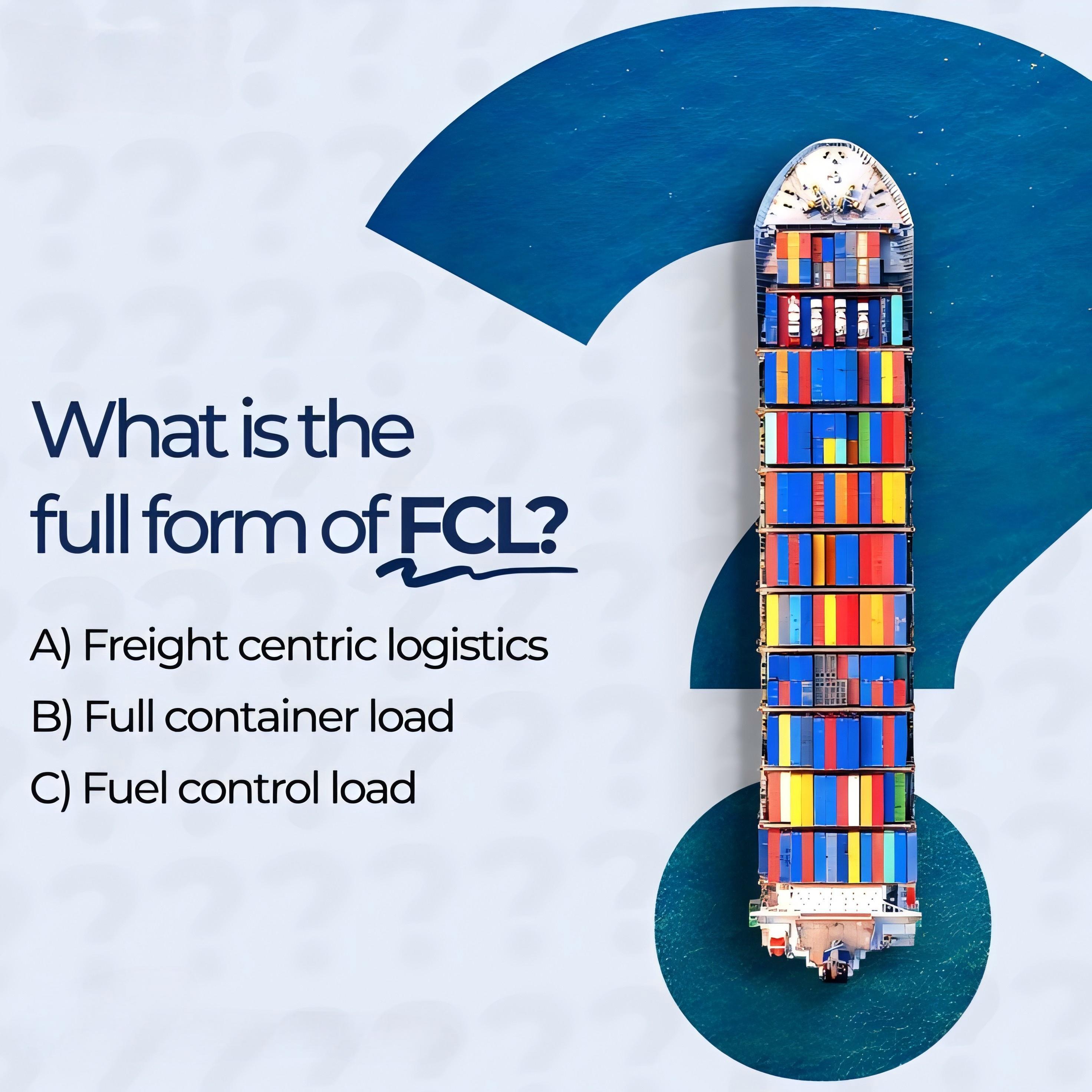
For furniture shipments exceeding 15-20 CBM, FCL sea freight becomes more economical than LCL. If your volume is consistently below this, LCL might be suitable, but comes with higher risk of damage and longer transit times. Always calculate the cost per CBM for clarity.
Market Trends and Future Outlook for China-Netherlands Shipping
The global logistics landscape is constantly evolving, impacting shipping routes and rates. Staying informed about market trends is essential for strategic planning. Current conditions and future projections influence the 40GP FCL best route for furniture from China to Netherlands.
Current Market Conditions
As of Q1 2025, freight rates from China to Europe have seen some stabilization after previous disruptions like the Red Sea incidents. However, geopolitical events and fuel price fluctuations can still introduce volatility. Port congestion remains a periodic challenge at major hubs.
Industry benchmarks indicate a cautious optimism, but capacity management by carriers is ongoing. This impacts both availability and pricing for FCL containers. Therefore, flexible planning remains crucial for furniture importers.
Seasonal Patterns and Peak Seasons
Shipping demand typically increases during specific periods, leading to higher rates and potential delays. The pre-Chinese New Year rush and the Q3-Q4 peak season (August-October) are notable examples. Rates can increase by 15-25% during these times.
Planning your furniture imports to avoid these peak periods, or booking significantly in advance, can mitigate cost increases and ensure timely delivery. Understanding these seasonal patterns is vital for effective supply chain management.
Conclusion: Securing Your Optimal Furniture Shipping Route
Choosing the 40GP FCL best route for furniture from China to Netherlands involves careful consideration of cost, speed, and reliability. Sea freight remains the most practical and economical choice for bulk furniture. However, understanding alternative methods like rail and hybrid solutions can provide flexibility for specific needs.
Effective planning, carrier selection, and diligent customs management are paramount. By partnering with an experienced logistics provider, you can navigate complexities, optimize your supply chain, and ensure your furniture arrives efficiently and safely. Always prioritize detailed quotes and proactive communication for successful international shipping.
Ready to streamline your logistics?
Ready to optimize your furniture imports from China to the Netherlands? Navigating the 40GP FCL best route for furniture from China to Netherlands can be complex, but our experts are here to help. Contact us today for a personalized quote and streamline your shipping process.
Request Quote