Fast Rail Freight from Shenzhen to Canada: Your Guide to Efficient Shipping
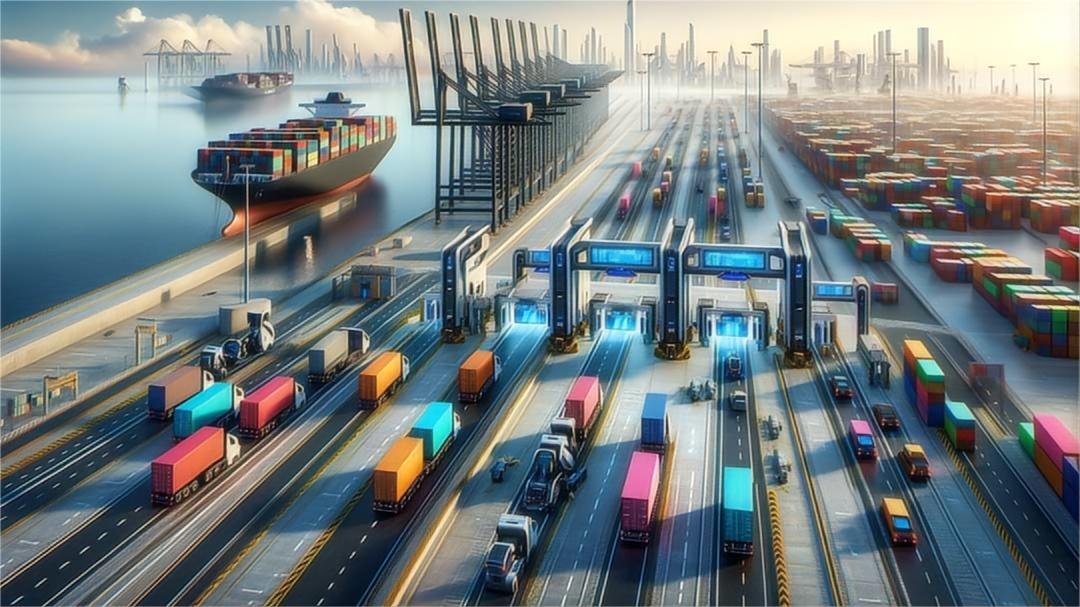
Navigating international logistics between Asia and North America presents unique challenges, especially when balancing speed and cost. Businesses importing goods from Shenzhen to Canada frequently seek optimized shipping solutions to gain a competitive edge. This guide explores how ‘fast rail freight’ strategies, often involving multimodal approaches, can significantly enhance your supply chain efficiency and delivery schedules. For comprehensive freight forwarding services, visit China Top Freight.
What Does ‘Fast Rail Freight from Shenzhen to Canada’ Entail?
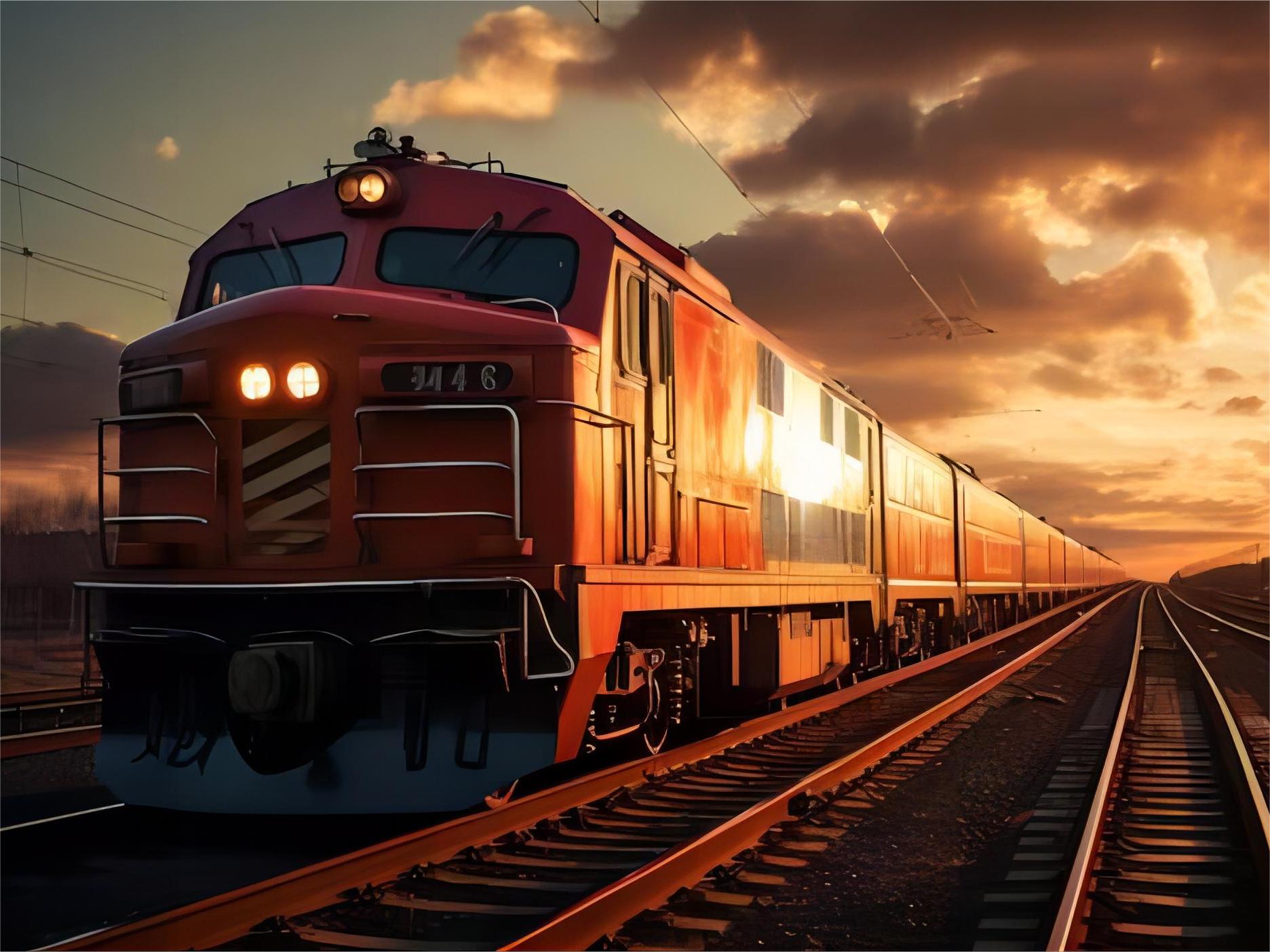
Direct rail links between Shenzhen, China, and Canada do not exist; however, the concept of ‘fast rail freight’ for this route typically refers to a sophisticated multimodal strategy. This approach combines the speed of rail across the Eurasian landmass with efficient sea or air transport for the trans-oceanic leg. Essentially, goods travel by rail from China to European ports, then by ocean vessel to Canada.
Consequently, this method offers a compelling middle ground between the high cost of air freight and the longer transit times of traditional sea freight. It leverages the efficiency of the New Silk Road rail network, providing a quicker alternative than all-ocean routes. Understanding these combined logistics is crucial for optimizing your import processes.
Why Consider Multimodal Rail-Sea for Your Shipments?
Considering multimodal rail-sea options provides several distinct advantages for businesses. Firstly, it significantly reduces overall transit times compared to traditional ocean freight, often cutting weeks off the journey. This speed is critical for time-sensitive goods or reacting quickly to market demands.
Furthermore, this hybrid solution offers a more cost-effective alternative to air freight, making it suitable for larger volumes that would be prohibitively expensive by air. It balances speed and budget, providing a flexible option for diverse cargo types. Many businesses find this an ideal solution for their supply chain needs.
Moreover, the environmental footprint of rail transport is generally lower than air freight, aligning with growing sustainability goals. This makes it an attractive choice for eco-conscious companies seeking greener logistics solutions. Therefore, evaluating these benefits is essential for strategic planning.
How Does Rail-Sea Transit Time Compare for Shenzhen to Canada?
Transit times for rail-sea routes from Shenzhen to Canada are generally shorter than all-ocean freight but longer than air freight. Typically, the rail leg from China to Europe takes about 15-20 days. Subsequently, the ocean leg from Europe to Canada adds another 15-25 days, depending on the specific ports and services.
Overall, you can expect total transit times to range from 30-45 days, door-to-door. This represents a considerable improvement over the 35-50 days often seen with direct ocean freight from China to Canada. Therefore, planning and selecting the right carrier are paramount for predictable delivery schedules.
| Shipping Method | Estimated Transit Time (Shenzhen to Canada) | Cost Efficiency | Best For |
|---|---|---|---|
| Air Freight | 5-8 days | High Cost | Urgent, High-Value, Small Volume |
| Rail-Sea Multimodal | 30-45 days | Medium Cost | Time-Sensitive, Medium-Large Volume |
| Ocean Freight (All-Water) | 35-50 days | Lowest Cost | Large Volume, Non-Urgent, Bulk Cargo |
What are the Key Steps and Considerations for Multimodal Rail Freight?
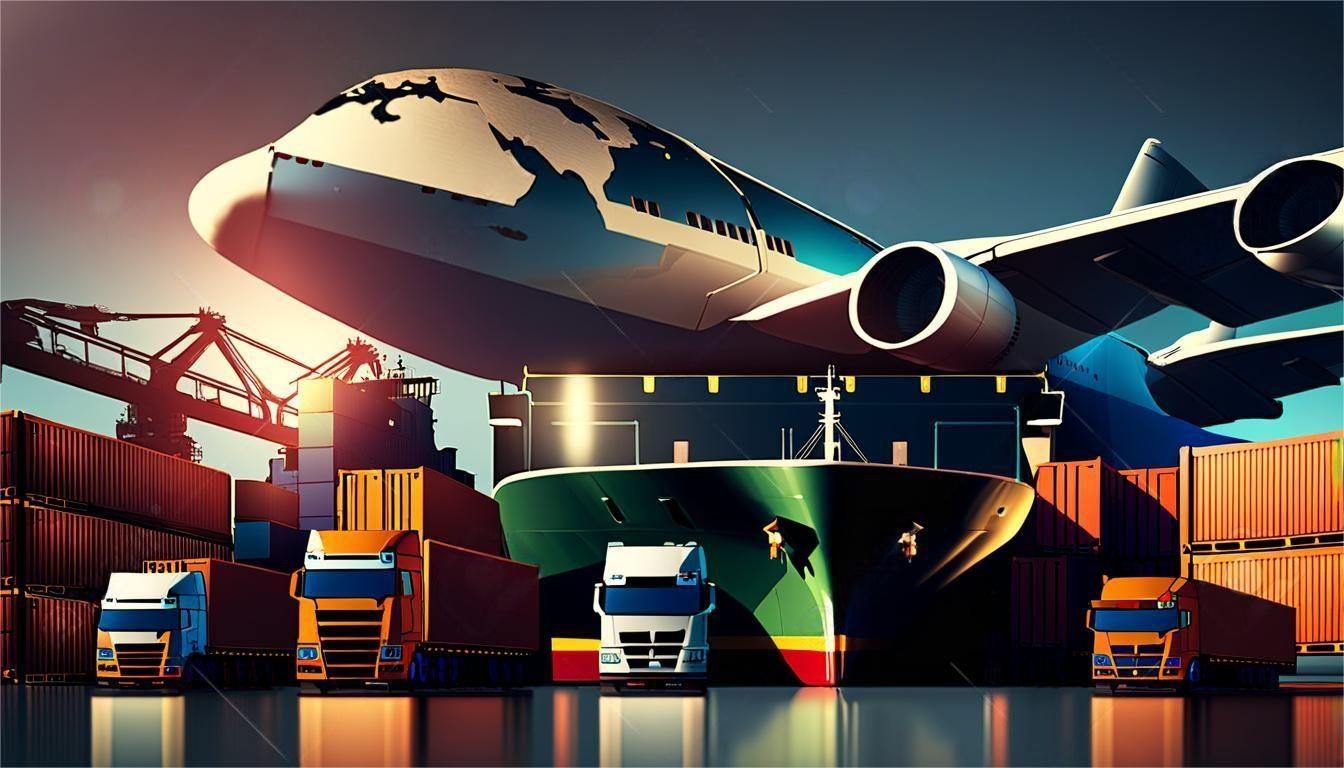
Successfully implementing a rail-sea freight strategy involves several critical steps and considerations. Initially, cargo is transported from Shenzhen to a major rail hub in China, such as Chengdu or Xi’an. From there, it moves by block train across the Eurasian land bridge to a European port like Hamburg or Duisburg.
Upon arrival in Europe, the cargo undergoes transshipment, being loaded onto an ocean vessel bound for Canada. This process requires meticulous coordination between rail operators, port authorities, and ocean carriers. Consequently, choosing an experienced freight forwarder is vital for seamless execution.
Furthermore, customs clearance procedures are required at both origin and destination, and sometimes at intermediate points. Efficient customs brokerage ensures smooth transitions and avoids unnecessary delays. Therefore, proper documentation and compliance are non-negotiable.
Consider the type of cargo you are shipping; not all goods are suitable for rail-sea. Hazardous materials or extremely fragile items may require specialized handling. Moreover, the volume and weight of your shipment will influence container choices, whether sea freight FCL or LCL, impacting both cost and transit time.
How Does This Option Compare to Other Shipping Options?
When evaluating shipping options from Shenzhen to Canada, comparing multimodal rail-sea to traditional air and sea freight is essential. Each method offers distinct advantages and disadvantages regarding cost, speed, and capacity. Your choice ultimately depends on your specific business needs and priorities.
Air freight, for instance, offers unparalleled speed but at a significantly higher cost, making it ideal for urgent or high-value shipments. Conversely, direct ocean freight is the most economical for large volumes but involves the longest transit times. Rail-sea aims to bridge this gap, offering a balanced approach.
Indeed, understanding these trade-offs helps businesses make informed decisions that optimize their supply chain performance. For instance, if you require faster delivery than sea freight but cannot justify air freight costs, rail-sea becomes a compelling alternative. This strategic decision can greatly impact overall operational efficiency.
| Shipping Method | Cost Range (per 40HQ/equivalent) | Transit Time (Shenzhen to Canada) | Best For | Limitations |
|---|---|---|---|---|
| Air Freight | $15,000 – $25,000+ | 5-8 days | Urgent, High-Value, Small/Medium Parcels | Very High Cost, Weight/Volume Restrictions |
| Rail-Sea Multimodal | $6,000 – $10,000 | 30-45 days | Time-Sensitive, Mid-High Value, General Cargo | Multimodal Complexity, Fewer Direct Routes |
| Ocean Freight (FCL) | $3,500 – $6,000 | 35-50 days | Large Volume, Non-Urgent, Cost-Sensitive | Long Transit Times, Port Congestion Risk |
| Ocean Freight (LCL) | $80-120/CBM | 40-55 days | Smaller Shipments, Cost-Sensitive | Longer Transit, Potential Delays |
Which Option Should You Choose for Your Cargo?
Selecting the right shipping method from Shenzhen to Canada involves a careful assessment of various factors. Your decision framework should prioritize budget, speed, and cargo characteristics. Each scenario has an optimal solution that maximizes efficiency and minimizes costs.
If budget is your primary concern and time is not critical, traditional sea freight remains the most economical choice for large volumes. However, for shipments where speed is paramount, especially for high-value or time-sensitive goods, air freight offers the fastest delivery. This often comes with a premium price tag.
For those seeking a balance, the rail-sea multimodal option provides a compelling alternative, offering faster transit than pure sea freight at a fraction of air freight costs. This is particularly suitable for medium-sized shipments that benefit from quicker delivery without the highest expense. Consider your inventory turnover and customer expectations.
Cargo type also plays a significant role. Perishable goods or those with short shelf lives might necessitate air freight, while durable, non-urgent items are well-suited for sea or rail-sea. Volume thresholds also influence decisions; for instance, less than container load (LCL) options are best for smaller cargo, while full container load (FCL) is for larger quantities. For streamlined delivery to warehouses, consider Amazon FBA services.
As a result, a detailed analysis of your specific import/export needs will guide you toward the most appropriate shipping strategy. Consulting with logistics experts can further refine this decision-making process. They can provide tailored advice based on current logistics trends and freight rates.
Real-World Scenarios: Optimizing Shipments to Canada
Understanding how these strategies play out in real-world scenarios can illuminate their practical benefits. Below are examples demonstrating different approaches to shipping from Shenzhen to Canada, highlighting costs, transit times, and key insights. These case studies reflect typical rates as of early 2025.
Case Study 1: Mid-Value Electronics via Rail-Sea
This scenario illustrates the effectiveness of the rail-sea multimodal approach for mid-value electronics requiring a balance of speed and cost efficiency. The client needed to replenish stock faster than standard sea freight allowed but couldn’t justify air freight expenses.
| Detail | Value |
|---|---|
| Route | Shenzhen, China -> Toronto, Canada |
| Cargo | Consumer Electronics, 25 CBM, 4,500 kg |
| Container | LCL 25 CBM |
| Shipping Method | Rail-Sea Multimodal |
| Carrier/Service | Major rail operator (China-Europe), Hapag-Lloyd (Europe-Canada) |
| Port of Loading | Shenzhen (via Chengdu rail terminal) |
| Port of Discharge | Montreal, Canada (via Hamburg, Germany) |
| Route Type | Rail (China-Europe) -> Sea (Europe-Canada) |
| Ocean Freight (Estimated) | $4,200 |
| Origin Charges (Estimated) | $750 |
| Destination Charges (Estimated) | $600 |
| Customs & Duties (Estimated) | $800 |
| Total Landed Cost (Estimated) | $6,350 |
| Booking to Loading | 5 days |
| Rail Transit | 18 days |
| Sea Transit | 22 days |
| Customs Clearance | 3 days |
| Total Door-to-Door | 48 days |
| Key Insight | Achieved faster delivery than all-water, significantly cheaper than air freight. Ideal for inventory optimization. |
Case Study 2: Urgent Fashion Apparel via Air Freight
For a fast-fashion retailer, speed is paramount to capitalize on trends. This case highlights how air freight is indispensable for urgent shipments, despite its higher cost. The goal was rapid market entry for seasonal collections.
| Detail | Value |
|---|---|
| Route | Shenzhen, China -> Vancouver, Canada |
| Cargo | Seasonal Apparel, 10 CBM, 1,500 kg |
| Container | Air Cargo (ULD) |
| Shipping Method | Air Freight |
| Carrier/Service | Cathay Pacific Cargo |
| Port of Loading | Shenzhen Bao’an International Airport (SZX) |
| Port of Discharge | Vancouver International Airport (YVR) |
| Route Type | Direct Air Cargo |
| Air Freight (Estimated) | $12,000 |
| Origin Charges (Estimated) | $450 |
| Destination Charges (Estimated) | $300 |
| Customs & Duties (Estimated) | $500 |
| Total Landed Cost (Estimated) | $13,250 |
| Booking to Loading | 2 days |
| Air Transit | 3 days |
| Customs Clearance | 1 day |
| Total Door-to-Door | 6 days |
| Key Insight | Enabled quick market response for time-sensitive fashion goods. Cost justified by sales velocity. |
Case Study 3: Bulk Raw Materials via Ocean Freight
This example demonstrates the cost-effectiveness of traditional ocean freight for bulk, non-urgent raw materials. The client prioritized minimal shipping costs for large quantities of goods with long lead times.
| Detail | Value |
|---|---|
| Route | Shenzhen, China -> Montreal, Canada |
| Cargo | Industrial Components, 1 x 40HQ |
| Container | 40HQ |
| Shipping Method | Ocean Freight (FCL) |
| Carrier/Service | COSCO |
| Port of Loading | Yantian Port, Shenzhen |
| Port of Discharge | Port of Montreal |
| Route Type | All-Water, Transshipment via Busan |
| Ocean Freight (Estimated) | $4,800 |
| Origin Charges (Estimated) | $900 |
| Destination Charges (Estimated) | $700 |
| Customs & Duties (Estimated) | $1,000 |
| Total Landed Cost (Estimated) | $7,400 |
| Booking to Loading | 7 days |
| Sea Transit | 38 days |
| Customs Clearance | 4 days |
| Total Door-to-Door | 49 days |
| Key Insight | Most cost-effective for large, heavy, non-urgent cargo. Required longer lead time planning. |
Navigating Customs, Regulations, and Documentation
International shipping, especially from China to North America, involves complex customs and regulatory requirements. Understanding these aspects is crucial to prevent delays and ensure compliance. Proper documentation is the backbone of smooth international trade operations.
Key documents typically include the commercial invoice, packing list, bill of lading (for sea freight) or air waybill (for air freight), and a certificate of origin. Additionally, specific goods may require import permits, licenses, or compliance certificates. For example, electronics may need safety standard certifications.
Canadian customs officials scrutinize imported goods for tariffs, taxes, and adherence to national standards. Therefore, accurate commodity classification (HS codes) and valuation are paramount to calculating duties and taxes correctly. Mistakes can lead to penalties or significant delays.
Working with an experienced freight forwarder can significantly simplify this process. They possess the expertise to handle all necessary paperwork, liaise with customs authorities, and ensure your shipment meets all legal requirements. This proactive approach minimizes risks and streamlines your supply chain. We also offer door to door services for your convenience.
Cost-Saving Strategies and Trade-Offs in Freight Shipping
Optimizing shipping costs from Shenzhen to Canada involves strategic choices and understanding various trade-offs. While speed often comes at a premium, there are ways to manage expenses without compromising efficiency too much. Proactive planning is a cornerstone of cost reduction.
One effective strategy is consolidating smaller shipments into larger ones, either through LCL or FCL, depending on total volume. This reduces per-unit shipping costs significantly. Additionally, choosing off-peak seasons for shipping can often yield lower freight rates, as demand is typically lower.
Another approach involves leveraging hybrid solutions like the rail-sea option, which provides a balance between cost and speed. While not as fast as air, it’s considerably quicker than traditional ocean freight and more affordable than flying. This makes it a smart compromise for many businesses.
Furthermore, negotiating freight rates with multiple carriers or using a freight forwarder with strong carrier relationships can secure better pricing. Understanding the full scope of charges, including origin, destination, and customs fees, helps in budgeting accurately. For urgent, smaller packages, consider an express service.
Conclusion: Streamlining Your Shenzhen to Canada Supply Chain
Ultimately, navigating the complexities of international freight from Shenzhen to Canada requires a strategic approach. While direct fast rail freight is not an option, multimodal rail-sea solutions offer a compelling blend of speed and cost-efficiency. This hybrid method provides a vital alternative to traditional air and sea freight, catering to diverse business needs.
By carefully evaluating your cargo, budget, and time constraints, you can select the most suitable shipping strategy. Partnering with a knowledgeable freight forwarder ensures seamless execution, from customs compliance to efficient transit. Consequently, optimizing your logistics for fast rail freight from Shenzhen to Canada can give your business a significant competitive advantage.
Need a tailored shipping solution?
Ready to optimize your supply chain with fast rail freight from Shenzhen to Canada? Contact our experts today for a personalized quote and discover how our tailored solutions can benefit your business. We are here to help you navigate complex international logistics efficiently.