

China Airlines Freighter Schedule: Your Guide to Air Cargo
Understanding the China Airlines freighter schedule is crucial for businesses aiming for efficient and timely air cargo delivery from China. This comprehensive guide delves into the intricacies of air freight logistics, offering valuable insights to streamline your supply chain. For personalized support in navigating these complexities, explore the expert services at China Top Freight.
Understanding China Airlines Freighter Operations
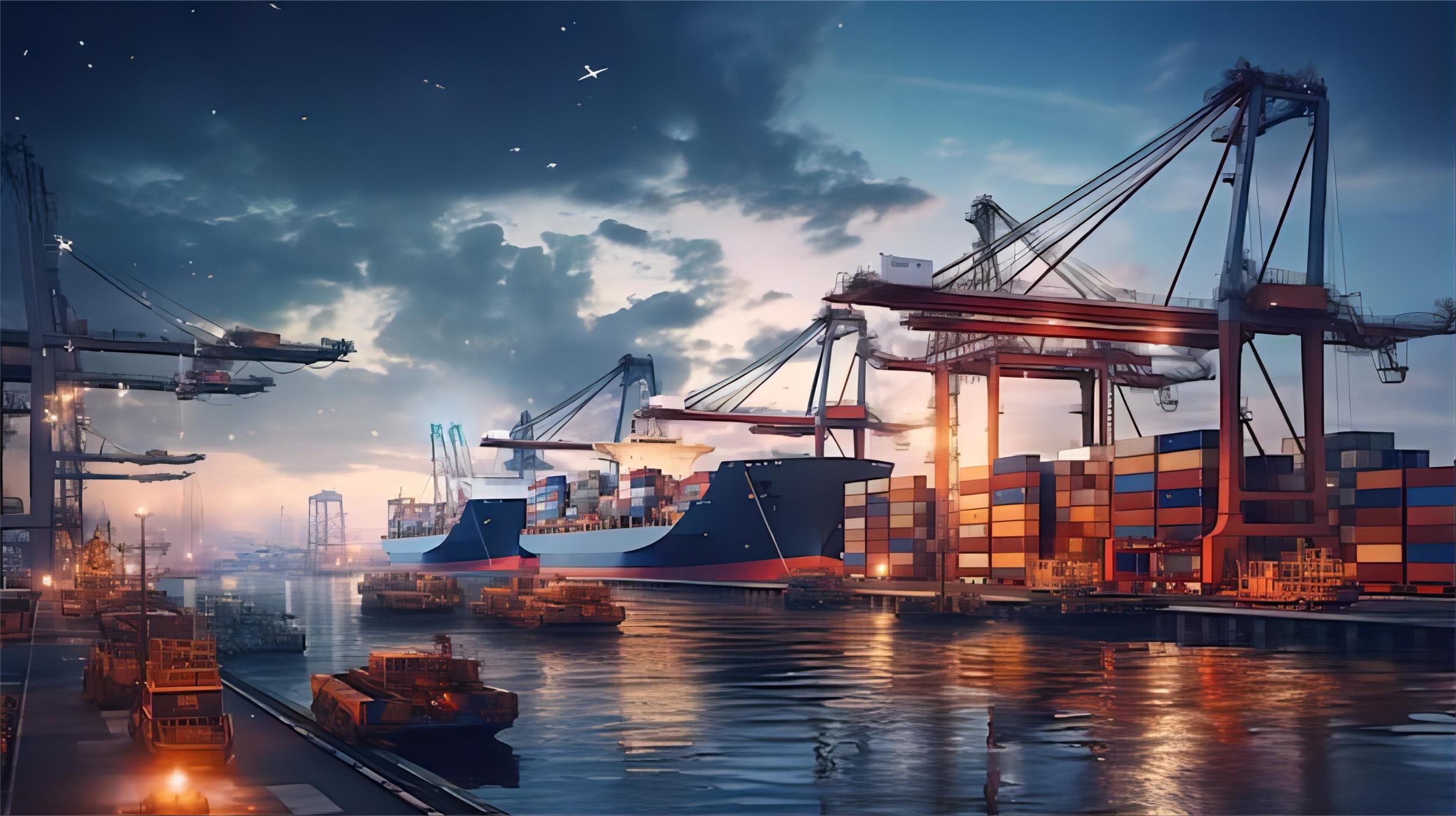
China Airlines, a prominent carrier, operates an extensive network of freighter services connecting major industrial hubs in China with destinations worldwide. Their dedicated cargo fleet is essential for businesses requiring fast and reliable transportation of goods. Consequently, understanding their operational scope and schedule patterns is vital for effective logistics planning.
Specifically, these freighter schedules are designed to meet the demands of various industries, including high-tech, e-commerce, and pharmaceuticals. They offer regular services to key markets, ensuring that time-sensitive cargo reaches its destination promptly. Moreover, seasonal adjustments and market demands frequently influence these schedules, requiring shippers to stay informed.
Key Factors Influencing China Airlines Freighter Schedules
Several critical factors dictate the dynamism of the China Airlines freighter schedule. Firstly, global demand for air cargo significantly impacts flight frequency and available capacity. Peak seasons, such as pre-holiday periods, invariably lead to increased demand and potentially higher rates.
Furthermore, operational considerations like aircraft maintenance, crew availability, and airport slot restrictions play a substantial role. Weather conditions, particularly during adverse seasons, can also cause delays and schedule adjustments. Therefore, flexibility and proactive communication with your freight forwarder are paramount for successful air cargo management. Indeed, geopolitical events or trade policies can also introduce unforeseen changes to established routes and transit times.
Optimizing Your Air Freight Strategy from China
Developing an optimized air freight strategy from China involves more than simply booking a flight; it requires careful planning and execution. Consider your cargo’s urgency, value, and dimensions to select the most appropriate service. For instance, high-value or perishable goods often necessitate specialized handling and faster transit times.
Additionally, leveraging technology for real-time tracking and visibility is crucial for managing expectations and mitigating potential disruptions. Many forwarders offer advanced systems to monitor your shipment’s progress from origin to destination. Without a doubt, an efficient strategy minimizes delays and reduces overall shipping costs, thereby improving your supply chain’s resilience.
Choosing the Right Air Freight Service for Your Needs
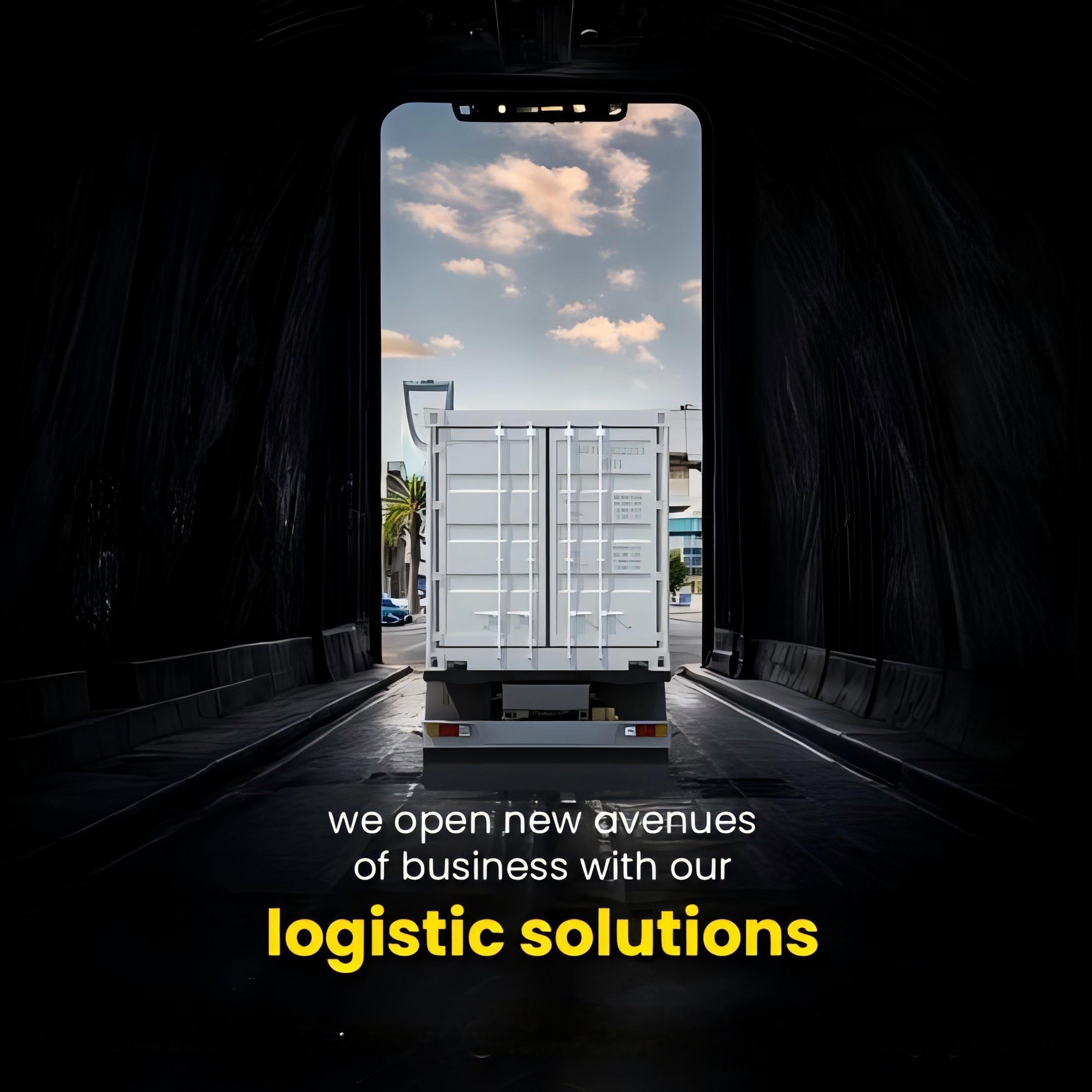
Selecting the correct air freight service largely depends on your specific requirements and budget. Generally, options range from standard air cargo to expedited or express service solutions. Each tier offers different transit times and price points.
For urgent shipments, express services guarantee the fastest delivery, often with door-to-door convenience. However, they come at a premium. Conversely, standard air freight provides a balance between speed and cost-effectiveness for less time-critical goods. Always compare transit time, freight rates, and service inclusions before making a decision. Furthermore, consider the cargo handling capabilities of the airline and forwarder to ensure your goods are treated appropriately.
Navigating Customs and Documentation for Air Shipments
Smooth customs clearance is a cornerstone of efficient international air freight. In fact, incomplete or incorrect documentation is a primary cause of delays and additional costs. Therefore, meticulous preparation of all required paperwork is non-negotiable.
Key documents typically include the commercial invoice, packing list, air waybill (AWB), and any necessary permits or licenses. Engaging a professional customs brokerage service can significantly simplify this complex process. They possess the expertise to ensure compliance with both export and import regulations, thereby avoiding costly penalties. Indeed, understanding the specific requirements for your destination country is paramount for a seamless import/export experience.
| Document Type | Purpose | Key Details |
|---|---|---|
| Commercial Invoice | Proof of sale, customs valuation | Seller/Buyer info, description, value, Incoterms |
| Packing List | Details of cargo contents | Number of packages, weight, dimensions, contents per package |
| Air Waybill (AWB) | Contract of carriage, receipt | Shipper/Consignee, origin/destination, flight details, cargo description |
| Export License | Permit to export controlled goods | Required for specific product categories |
| Import Permit | Permit to import controlled goods | Required by destination country for certain items |
| Certificate of Origin | Proves country of manufacture | May be required for preferential duties |
How Does Air Freight Compare to Other Shipping Options?
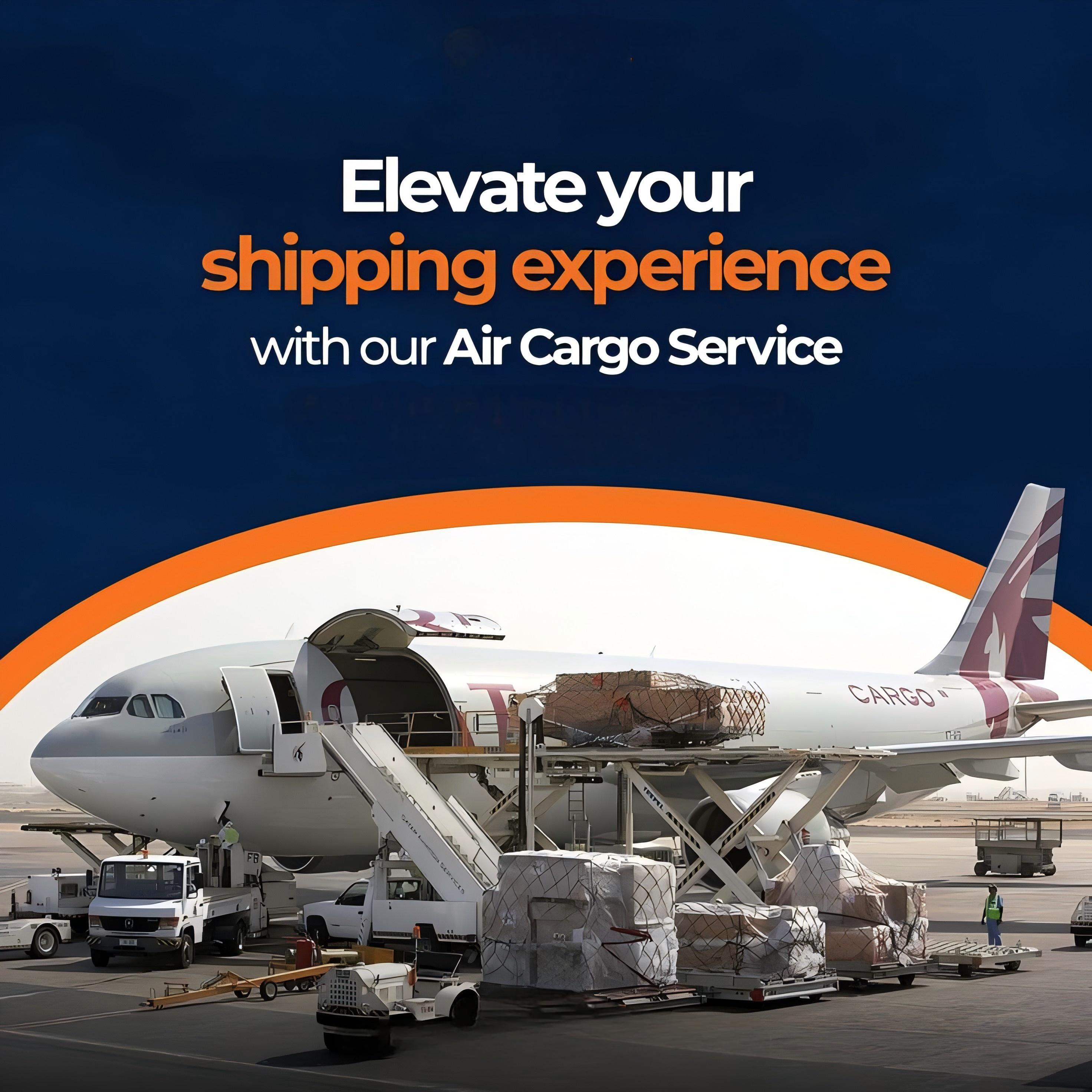
When planning your supply chain from China, it’s essential to compare air freight with other viable shipping methods like sea freight and, where applicable, rail freight. Each mode offers distinct advantages and disadvantages concerning cost, speed, and capacity. For example, while air freight is unparalleled in speed, its cost per kilogram is significantly higher than ocean shipping.
Consider the following comparison to help determine the best fit for your specific cargo and business needs. As a result, informed decisions can lead to substantial savings and improved delivery schedules. Furthermore, hybrid solutions like sea-air combinations can offer a balance, utilizing sea freight for the main leg and air freight for the final, time-critical segment.
| Shipping Method | Cost Range | Transit Time (China to Europe/USA) | Best For | Limitations |
|---|---|---|---|---|
| Air Freight | High (e.g., $4-8/kg) | 3-7 days | Urgent, high-value, perishable goods, e-commerce | High cost, limited volume/weight capacity, fuel surcharges |
| Sea Freight | Low (e.g., $0.1-0.3/kg) | 25-45 days | Bulky, heavy, non-urgent goods, large volumes (FCL/LCL) | Slow, port congestion, longer lead times |
| Rail Freight | Medium (e.g., $1-2/kg) | 15-25 days | Limited routes, large volume to Europe/Central Asia | Not suitable for all destinations (e.g., Australia, North America) |
| Express Courier | Very High | 1-3 days | Small, urgent parcels, documents, samples | Very high cost, strict weight/size limits |
Which Shipping Option Should You Choose?
Deciding on the optimal shipping method for your goods from China requires a clear understanding of your priorities. Ultimately, the choice hinges on balancing speed, cost, and the specific characteristics of your cargo. Therefore, a structured decision-making process is highly recommended.
If budget is your primary concern, sea freight is almost always the most economical option, especially for large volumes. Conversely, if speed is paramount, air freight or express courier services are indispensable. For cargo types like hazardous materials or oversized goods, special regulations and equipment might dictate the viable shipping methods. Furthermore, volume thresholds often determine whether Full Container Load (FCL) or Less than Container Load (LCL) sea freight, or indeed air freight, is more cost-effective. Consider the total landed cost, including duties and insurance, not just the freight rate.
Real-World Scenarios: Case Studies in Air Freight from China
Examining real-world case studies provides practical insights into the application of China Airlines freighter schedules and broader air freight strategies. These examples highlight how businesses navigate challenges and achieve their logistics goals. Based on current market rates and typical scenarios, these illustrate common shipping experiences.
Case Study 1: Urgent Electronics Shipment to Europe
A tech company needed to rush a batch of new consumer electronics from Shenzhen, China, to Frankfurt, Germany, to meet a critical product launch deadline. Speed was the absolute priority over cost.
| Metric | Value |
|---|---|
| Route | Shenzhen (SZX) Frankfurt (FRA), Germany |
| Cargo | Consumer Electronics, 2 CBM, 450 kg |
| Shipping Method | Air Freight (Direct, China Airlines Freighter) |
| Carrier/Service | China Airlines Cargo (CI) |
| Port of Loading | Shenzhen Bao’an International Airport |
| Port of Discharge | Frankfurt Airport |
| Air Freight Cost (Estimated) | $2,250 – $3,600 (Q1 2025 rates, $5-8/kg) |
| Origin Charges | $150 |
| Destination Charges | $200 |
| Customs & Duties (estimated) | $450 |
| Total Landed Cost (Estimated) | $3,050 – $4,400 |
| Booking to Loading | 1 day |
| Air Transit | 2 days |
| Customs Clearance | 1 day |
| Total Door-to-Door | 4-5 days |
| Key Insight | Direct air freight ensured product launch on time, justifying the higher cost. Proactive customs documentation was vital. |
Case Study 2: Medical Supplies to North America
A pharmaceutical distributor required temperature-controlled medical supplies shipped from Shanghai, China, to Los Angeles, USA, with strict handling requirements and a moderate urgency.
| Metric | Value |
|---|---|
| Route | Shanghai (PVG) Los Angeles (LAX), USA |
| Cargo | Temperature-controlled Medical Supplies, 5 CBM, 800 kg |
| Shipping Method | Air Freight (Priority, China Airlines Freighter) |
| Carrier/Service | Major carrier (e.g., China Airlines Cargo, Cathay Pacific Cargo) |
| Port of Loading | Shanghai Pudong International Airport |
| Port of Discharge | Los Angeles International Airport |
| Air Freight Cost (Estimated) | $4,000 – $6,400 (Q1 2025 rates, $5-8/kg) |
| Origin Charges | $200 |
| Destination Charges | $300 |
| Customs & Duties (estimated) | $800 |
| Total Landed Cost (Estimated) | $5,300 – $7,700 |
| Booking to Loading | 2 days |
| Air Transit | 3 days |
| Customs Clearance | 2 days |
| Total Door-to-Door | 7-8 days |
| Key Insight | Specialized handling for temperature-sensitive cargo was critical. Advanced booking helped secure capacity and better rates. |
Case Study 3: E-commerce Goods to Australia
An e-commerce business needed consistent, fast delivery of fashion accessories from Guangzhou, China, to Sydney, Australia, to maintain competitive inventory levels.
| Metric | Value |
|---|---|
| Route | Guangzhou (CAN) Sydney (SYD), Australia |
| Cargo | Fashion Accessories, 1.5 CBM, 250 kg |
| Shipping Method | Air Freight (Consolidated) |
| Carrier/Service | Major carrier (e.g., China Airlines Cargo, Qantas Freight) |
| Port of Loading | Guangzhou Baiyun International Airport |
| Port of Discharge | Sydney Airport |
| Air Freight Cost (Estimated) | $1,250 – $2,000 (Q1 2025 rates, $5-8/kg) |
| Origin Charges | $100 |
| Destination Charges | $150 |
| Customs & Duties (estimated) | $250 |
| Total Landed Cost (Estimated) | $1,750 – $2,500 |
| Booking to Loading | 2 days |
| Air Transit | 4 days |
| Customs Clearance | 1 day |
| Total Door-to-Door | 7-8 days |
| Key Insight | Consolidated air freight provided a balance of speed and cost for regular e-commerce shipments, supporting inventory turns. |

Conclusion: Mastering Your China Airlines Freighter Schedule and Beyond
In summary, effectively managing your air cargo from China, particularly with carriers like China Airlines, demands a thorough understanding of schedules, services, and associated logistics. By carefully considering factors such as transit time, cost, and cargo specifics, businesses can make informed decisions. Consequently, this leads to a more robust and efficient supply chain.
Furthermore, leveraging expert freight forwarding services can significantly simplify the complexities of international shipping. Ultimately, mastering the China Airlines freighter schedule and other air freight options is key to maintaining a competitive edge in today’s global marketplace. We are here to help you optimize every step of your import/export journey.
Need a tailored shipping solution?
Ready to streamline your air cargo operations or explore the best shipping solutions from China? Do not hesitate to reach out to our logistics experts. We can help you navigate the China Airlines freighter schedule and other complex shipping requirements. Contact us today for a tailored quote and professional consultation.