

China Shipping Freight: Your Ultimate Guide to Importing Success
Navigating the complexities of China shipping freight can be a significant challenge for businesses worldwide. From fluctuating costs to intricate customs regulations and varying transit times, importers often face numerous hurdles. This comprehensive guide aims to demystify the process, offering clear insights and practical strategies to ensure your goods arrive safely, on time, and within budget.

Understanding China Shipping Freight: Key Considerations
Shipping goods from China involves a complex interplay of factors, each impacting your overall logistics strategy. Therefore, understanding these elements is crucial for successful international trade. Moreover, careful planning can significantly mitigate potential risks and optimize your supply chain.
Crucially, factors like the type of goods, their volume, urgency, and destination all influence the choice of shipping method. Additionally, current market conditions, including freight rates and carrier availability, play a vital role. Consequently, staying informed about global logistics trends is essential for making informed decisions.
What are the Primary Shipping Methods from China?
Choosing the right shipping method from China is paramount for balancing speed, cost, and reliability. Different options cater to various business needs and cargo types. Therefore, assessing your specific requirements carefully is the first step.
Indeed, each mode of transport has distinct advantages and disadvantages. Furthermore, understanding these differences helps you make strategic decisions about your door to door delivery process. Here, we outline the primary methods available.
| Shipping Method | Cost Range (per kg) | Transit Time | Best For | Limitations |
|---|---|---|---|---|
| Sea Freight (LCL) | $0.05 – $0.20 | 20 – 45 days | Large volumes, heavy goods, non-urgent | Slow, port-to-port only (typically) |
| Sea Freight (FCL) | $0.03 – $0.15 | 15 – 40 days | Full container loads, bulk goods | Requires large volume, port congestion risk |
| Air Freight | $4.00 – $8.00 | 3 – 8 days | Urgent, high-value, perishable goods | High cost, weight/size restrictions |
| Rail Freight | $0.50 – $1.50 | 15 – 25 days | China-Europe routes, balanced speed/cost | Limited geographical reach, specific routes |
| Express Shipping | $8.00 – $15.00 | 2 – 5 days | Small parcels, samples, urgent documents | Very high cost, not for commercial volumes |
Sea Freight: The Cost-Effective Solution
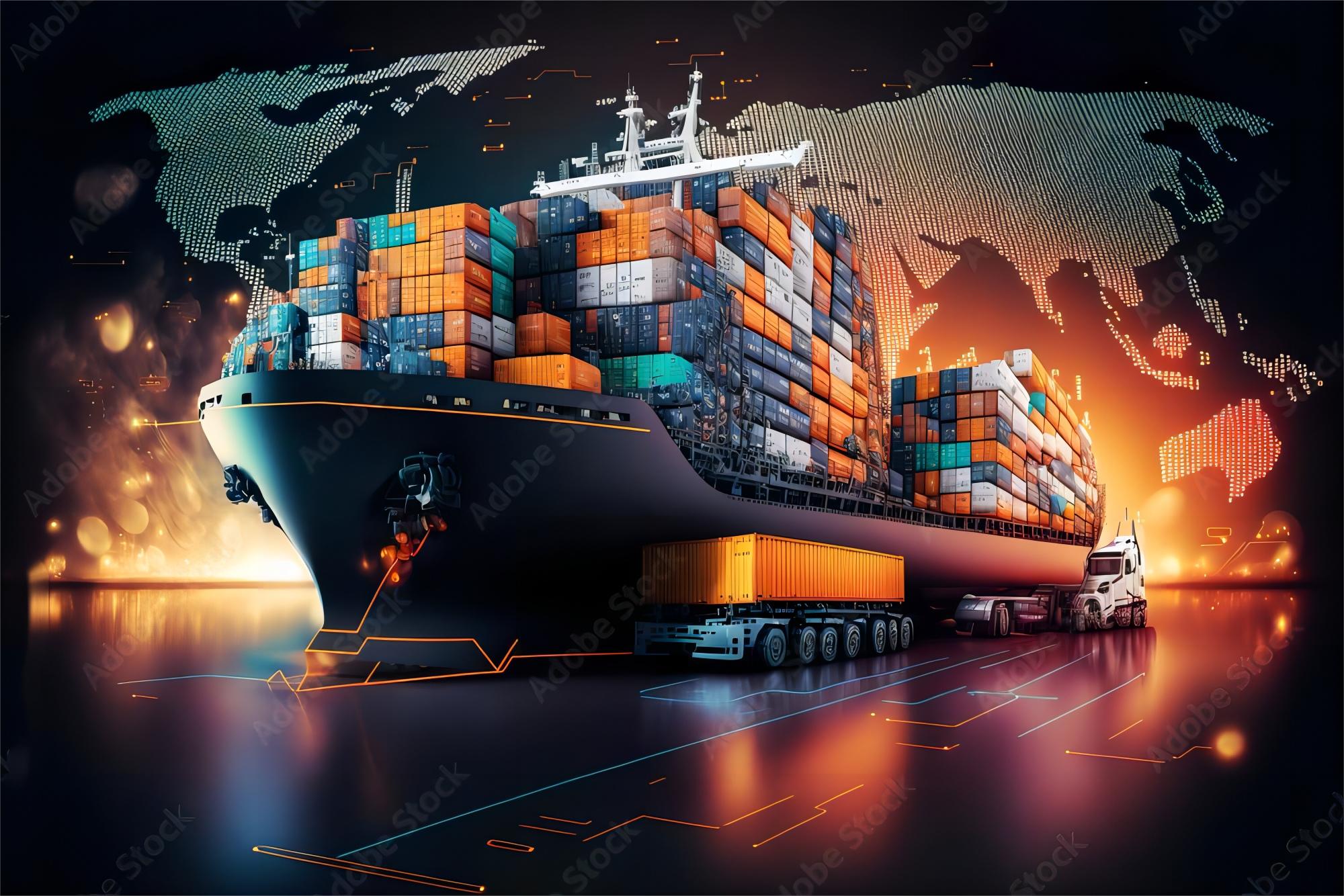
Undoubtedly, sea freight remains the most popular option for large volume, non-urgent shipments. It offers the lowest cost per unit, making it ideal for bulk goods and heavy cargo. However, transit times are considerably longer compared to other methods.
Typically, sea freight involves either Full Container Load (FCL) or Less than Container Load (LCL) options. FCL is suitable when your goods fill an entire container, offering better security and faster transit within the sea leg. Conversely, LCL is cost-effective for smaller shipments, as you share container space with other importers.
Air Freight: Speed and Efficiency for Urgent Cargo
For time-sensitive or high-value goods, air freight provides unparalleled speed. Although significantly more expensive than sea freight, it drastically reduces transit times, often delivering goods within days. This method is crucial for perishable items or urgent product launches.
Moreover, air freight offers increased security and reliability, with less risk of damage or theft. However, it is limited by cargo size and weight restrictions. Therefore, careful consideration of your budget and urgency is vital when opting for air transport.
Rail Freight: A Growing Alternative for Eurasia
Significantly, rail freight has emerged as a viable middle-ground option, especially for shipments between China and Europe. It offers faster transit times than sea freight and is more economical than air freight. Consequently, it presents an attractive alternative for many businesses.
This method leverages the extensive rail network connecting China to various European destinations. Furthermore, rail freight is often more environmentally friendly than air or sea transport. However, its geographical reach is specific, making it unsuitable for routes like China to Australia or the Americas.
Express Shipping: Fast Delivery for Small Parcels
For small packages, samples, or urgent documents, express service by carriers like DHL, UPS, or FedEx is the fastest option. It offers door-to-door delivery within a few days, complete with tracking and simplified customs procedures. However, the cost per kilogram is the highest among all methods.
Typically, express shipping is not suitable for commercial volumes due to its high cost. Nevertheless, for critical, low-volume shipments, its speed and convenience are unmatched. Therefore, it serves a specific niche in the China shipping freight landscape.
How Does China Shipping Freight Compare to Other Shipping Options?
When planning your shipping from China to Europe or any other continent, comparing options is essential. Different scenarios call for different solutions, balancing cost-efficiency with speed and reliability. Below, we analyze key comparisons and alternative strategies.
For example, choosing between FCL and LCL for sea freight significantly impacts costs and transit. Furthermore, considering hybrid solutions can offer a strategic advantage. As a result, understanding these trade-offs empowers better logistics decisions.
FCL vs. LCL: Optimizing Container Use
Deciding between FCL (Full Container Load) and LCL (Less than Container Load) is a fundamental choice in sea freight. For instance, if your shipment exceeds 15 CBM, FCL generally becomes more cost-effective. This is because you pay a flat rate for the entire container, regardless of whether it’s completely full.
Conversely, for shipments under 15 CBM, LCL is often the more economical choice. You only pay for the space your cargo occupies within a shared container. However, LCL shipments may experience slightly longer transit times due to consolidation and deconsolidation processes at ports.
Sea Freight vs. Air Freight: Speed vs. Savings
The most common dilemma is balancing the cost savings of sea freight against the speed of air freight. While sea freight costs might be $2,800-3,800 for a 40GP container to Europe, air freight for a similar volume could easily reach $15,000-25,000. However, air freight delivers in 5-7 days versus 30-40 days by sea.
Therefore, if your product has a high-profit margin, short shelf life, or urgent market demand, air freight justifies the higher expense. Otherwise, sea freight offers substantial savings for a more relaxed delivery schedule. Moreover, consider the impact on inventory holding costs.
Direct vs. Transshipment Routes
Direct shipping routes offer faster transit times and reduced handling, which can minimize the risk of damage. However, they often come with a 10-15% higher freight cost. For example, a direct route from Shanghai to Hamburg might take 28 days.
In contrast, transshipment routes, often via hubs like Singapore or Port Klang, can save money but add 5-7 days to the transit time. Consequently, if your schedule allows for a few extra days, transshipment can be a viable cost-saving strategy. This is especially true for routes to North America or Australia.
Hybrid Solutions: Combining Modes for Optimal Efficiency
Sometimes, a single shipping method isn’t the most efficient. Hybrid solutions, such as Sea-Air or Rail-Sea combinations, can offer a balanced approach. For instance, goods might be shipped by sea from China to Dubai, then air-freighted to Europe.
This strategy can significantly cut down overall transit time compared to pure sea freight, while still being more economical than pure air freight. Furthermore, it provides flexibility, allowing businesses to adapt to changing supply chain dynamics and market demands. Consequently, exploring these options can unlock new efficiencies.
Navigating Customs and Documentation for China Imports
Customs clearance is a critical, yet often complex, part of the China shipping freight process. Proper documentation and adherence to regulations are essential to avoid delays and penalties. Therefore, understanding the requirements beforehand is crucial for smooth operations.
Indeed, working with an experienced customs brokerage service can streamline this phase significantly. They ensure all paperwork is accurate and compliant with both Chinese export and destination country import laws. This proactive approach saves time and reduces stress.
Essential Documents for Import
A range of documents is required for successful customs clearance. These typically include the commercial invoice, packing list, bill of lading (for sea freight) or air waybill (for air freight), and a certificate of origin. Moreover, specific goods may require additional permits or licenses.
For instance, certain electronics or food products have particular import regulations. Consequently, verifying all necessary documentation well in advance of shipment is paramount. Incomplete or incorrect paperwork is a leading cause of customs delays.
| Document | Purpose | Key Detail |
|---|---|---|
| Commercial Invoice | Details of goods, value, seller/buyer | Used for customs valuation and duties |
| Packing List | Itemized list of contents, weights, dimensions | Helps customs verify cargo and quantity |
| Bill of Lading (B/L) / Air Waybill (AWB) | Contract of carriage, title to goods | Proof of shipment and ownership transfer |
| Certificate of Origin | Confirms country of manufacture | May qualify for preferential tariffs under trade agreements |
| Import License/Permit | Required for controlled goods | Ensures compliance with specific import regulations |
Understanding Duties and Taxes
Import duties and taxes are levied by the destination country and are calculated based on the Harmonized System (HS) code of your goods. These costs can significantly impact the total landed cost of your products. Therefore, accurate classification is vital.
Additionally, value-added tax (VAT) or Goods and Services Tax (GST) may apply. Consequently, it is important to factor these charges into your pricing strategy. Consulting with a customs expert can provide clarity on these financial obligations.
Optimizing Transit Times and Costs for Your China Shipping Freight
Effective supply chain management hinges on optimizing both transit times and shipping costs from China. Striking the right balance requires strategic planning and flexibility. Furthermore, being aware of market dynamics can provide a competitive edge.
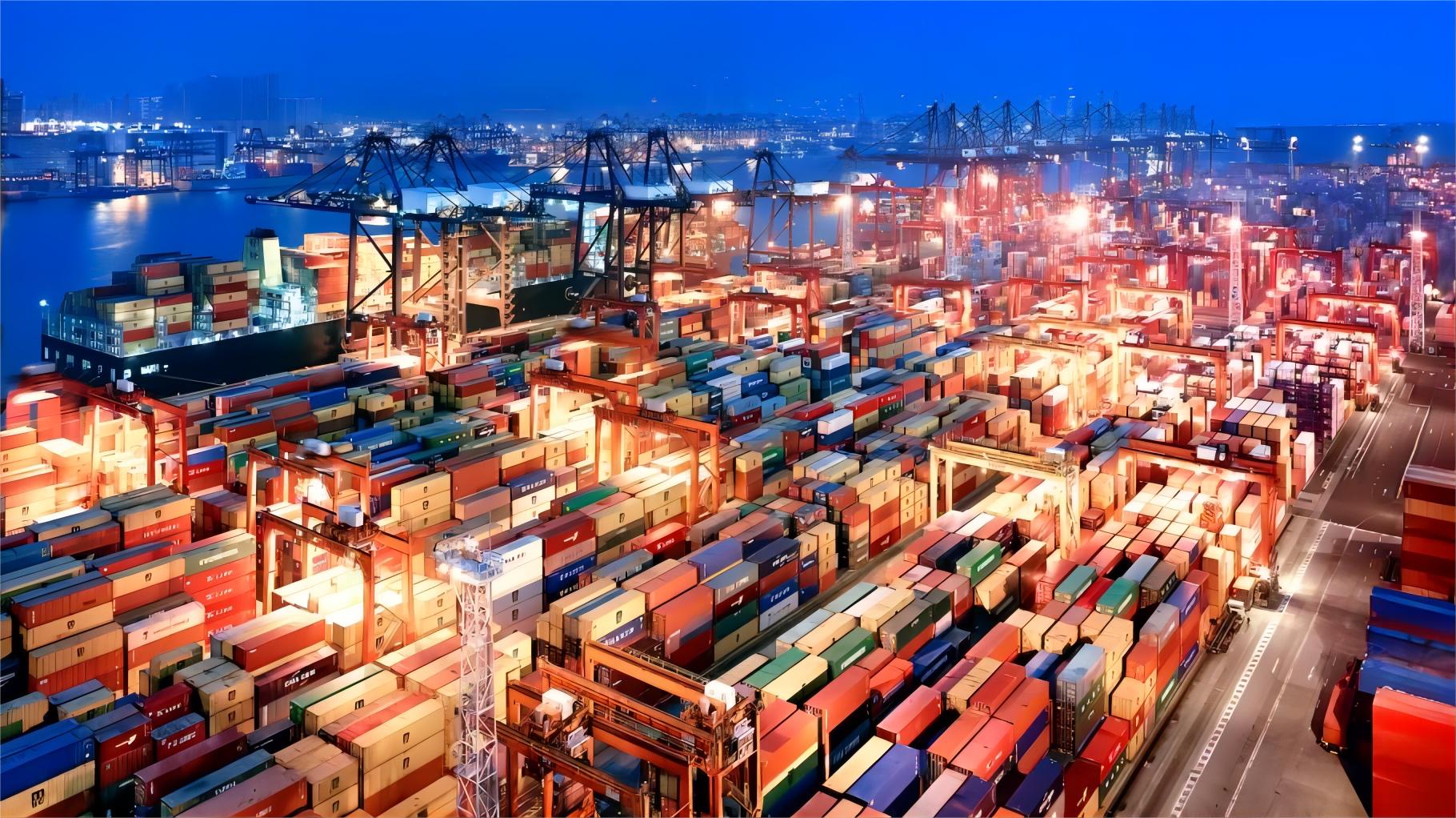
Ultimately, the goal is to achieve reliable delivery schedules without incurring excessive expenses. Consequently, various strategies can be employed to refine your logistics operations. For instance, consolidating shipments can lead to significant savings.
Consolidation and Deconsolidation Strategies
For businesses with multiple suppliers in China, consolidating goods into a single shipment can dramatically reduce costs. Instead of paying for several small LCL shipments, combining them into one FCL or larger LCL shipment is more economical. This approach minimizes per-unit shipping costs.
Similarly, efficient deconsolidation at the destination port ensures goods are quickly sorted and distributed. Working with a freight forwarder who offers robust warehousing and distribution services can optimize this final leg of the journey. Thus, overall efficiency is improved.
Leveraging Technology and Data Analytics
Modern logistics increasingly relies on technology to enhance efficiency. Utilizing advanced tracking systems provides real-time visibility into your shipments, allowing for proactive problem-solving. Indeed, data analytics can help identify bottlenecks and predict future market trends.
For example, analyzing historical freight rates and transit times can inform better decision-making for future orders. Consequently, embracing digital tools is no longer an option but a necessity for competitive China shipping freight. These tools empower better forecasting and inventory management.
Seasonal Considerations and Peak Times
China’s shipping industry experiences significant seasonal fluctuations, largely influenced by holidays and peak shopping seasons. For instance, rates typically increase 15-25% during August-October for the Q4 peak season leading up to Black Friday and Christmas. Chinese New Year also causes factory closures and shipping delays.
Planning your shipments to avoid these peak periods, if possible, can lead to substantial cost savings. If shipping during peak times is unavoidable, booking well in advance is crucial to secure space and more favorable freight rates. Therefore, proactive scheduling is key.
Which China Shipping Freight Option is Right for You? A Decision Framework
Choosing the ideal China shipping freight method requires a careful evaluation of your specific business needs. There is no one-size-fits-all solution; instead, the best option depends on various factors. Consequently, a structured decision framework can guide your choices.
Consider your priorities, cargo characteristics, and budget constraints to make an informed decision. This approach helps ensure that your logistics strategy aligns perfectly with your overall business objectives. Furthermore, flexibility in your approach is often beneficial.
Budget Priority: Cost-Effectiveness
If minimizing costs is your primary concern, sea freight, particularly LCL for smaller volumes or FCL for larger, is generally the most economical choice. It offers the lowest cost per unit, making it suitable for businesses with ample lead time. However, be prepared for longer transit times.
For instance, consider sea freight for non-perishable goods with predictable demand. This allows for bulk purchasing and reduced per-unit shipping expenses. Furthermore, exploring transshipment routes can offer additional savings, albeit with slightly extended delivery schedules.
Speed Priority: Rapid Delivery
When speed is of the essence, air freight or express shipping are your go-to options. For urgent, high-value, or time-sensitive products, the faster transit times justify the higher cost. This is crucial for product launches, emergency stock, or perishable items.
For example, if you need components for a production line immediately, air freight ensures minimal downtime. Express shipping is ideal for samples or critical documents that require delivery within days. Therefore, assess the cost of delay against the shipping cost.
Cargo Type and Volume Considerations
The nature of your cargo heavily influences the suitable shipping method. Heavy, bulky, or hazardous materials are often best transported via sea freight due to capacity and safety regulations. Conversely, delicate or high-value electronics might benefit more from the controlled environment of air freight.
Moreover, the volume of your shipment dictates container choices. Small parcels will use express services, while medium volumes might opt for LCL. Large, consistent volumes are perfectly suited for FCL, offering dedicated space and potentially faster processing. Amazon FBA sellers often have specific needs here.
Real-World Scenarios: Case Studies in China Shipping Freight
Examining real-world examples helps illustrate the practical application of different China shipping freight strategies. These case studies highlight how various factors influence the choice of method, costs, and timelines. Consequently, they offer valuable insights for your own importing needs.
Based on Q3 2024 market rates, these scenarios demonstrate typical challenges and solutions encountered by importers. They emphasize the importance of detailed planning and selecting the right logistics partner. Hence, understanding these situations can refine your approach.
Case Study 1: Large Volume, Cost-Conscious Importer (China to UK)
| Detail | Description |
|---|---|
| Route | Ningbo, China -> Felixstowe, UK |
| Cargo | Furniture components, 25 CBM, 8,000 kg |
| Container | 1 x 40GP (effectively LCL pricing for space used) |
| Shipping Details | Carrier: Major carrier; Port of Loading: Ningbo; Port of Discharge: Felixstowe; Route Type: Direct |
| Cost Breakdown | Ocean Freight: $3,800; Origin Charges (THC, documentation): $450; Destination Charges: $550; Customs & Duties (estimated): $1,200; Total Landed Cost: $6,000 |
| Timeline | Booking to Loading: 7 days; Sea Transit: 32 days; Customs Clearance: 3 days; Total Door-to-Port: 42 days |
| Key Insight | Opting for a 40GP container, even if not entirely full, was more cost-effective than multiple LCL shipments due to volume. Direct route minimized transit time within budget. Typical rates as of early 2025. |
Case Study 2: E-commerce Seller Needing Balanced Approach (China to USA West Coast)
| Detail | Description |
|---|---|
| Route | Shenzhen, China -> Los Angeles, USA |
| Cargo | Consumer electronics accessories, 8 CBM, 1,200 kg |
| Container | LCL 8 CBM |
| Shipping Details | Carrier: Major carrier; Port of Loading: Shenzhen; Port of Discharge: Los Angeles; Route Type: Direct |
| Cost Breakdown | Ocean Freight: $800; Origin Charges (THC, documentation): $280; Destination Charges: $350; Customs & Duties (estimated): $500; Total Landed Cost: $1,930 |
| Timeline | Booking to Loading: 5 days; Sea Transit: 16 days; Customs Clearance: 2 days; Total Door-to-Port: 23 days |
| Key Insight | LCL was ideal for this medium-sized shipment, balancing cost and a relatively quick transit to the USA West Coast. This strategy supported regular inventory replenishment for an online store. Based on Q4 2024 market rates. |

Case Study 3: Urgent, High-Value Components (China to Germany)
| Detail | Description |
|---|---|
| Route | Shanghai, China -> Frankfurt, Germany |
| Cargo | Automotive spare parts, 1.5 CBM, 250 kg |
| Container | Air Freight |
| Shipping Details | Carrier: Major airline; Airport of Departure: Shanghai Pudong (PVG); Airport of Arrival: Frankfurt (FRA); Route Type: Direct air cargo |
| Cost Breakdown | Air Freight: $1,750; Origin Charges (handling, documentation): $180; Destination Charges: $120; Customs & Duties (estimated): $300; Total Landed Cost: $2,350 |
| Timeline | Booking to Loading: 2 days; Air Transit: 3 days; Customs Clearance: 1 day; Total Door-to-Airport: 6 days |
| Key Insight | Despite higher costs, air freight was essential to prevent production line stoppage, demonstrating its value for critical, time-sensitive components. Rates reflective of Q1 2025 stability after Red Sea disruptions. |
Choosing a Reliable China Freight Forwarder
Selecting the right freight forwarder is arguably the most critical decision in managing your China shipping freight. A competent partner can navigate complexities, optimize routes, and handle unforeseen issues. Therefore, their expertise is invaluable.
Indeed, a good freight forwarder acts as an extension of your supply chain team, offering transparency and proactive communication. Consequently, thorough vetting is crucial to ensure a smooth and efficient importing process.
What to Look for in a Freight Forwarder
Consider experience, particularly with your specific cargo type and destination. Look for strong networks in both China and your destination country. Furthermore, transparent pricing without hidden fees is essential. Always request a detailed quote.
Reputation and customer service are also paramount. Read reviews, ask for references, and assess their communication responsiveness. Ultimately, a reliable partner offers peace of mind and efficient service for your global logistics needs.
Services Offered by Top Freight Forwarders
Beyond basic transportation, leading freight forwarders offer a suite of value-added services. These include warehousing, consolidation, customs clearance, cargo insurance, and last-mile delivery. Such comprehensive services simplify your entire import process.
For example, a forwarder capable of managing Amazon FBA prep and delivery can be a game-changer for e-commerce businesses. Consequently, choosing a partner with a broad service portfolio can save you time and administrative effort.
Market Insights: Current Trends in China Shipping Freight
The China shipping freight landscape is dynamic, constantly influenced by global economic shifts, geopolitical events, and technological advancements. Staying informed about current trends is vital for adapting your logistics strategy. For instance, recent disruptions have reshaped many routes.
As of Q1 2025, freight rates from China to Europe have stabilized after the 2024 Red Sea disruptions, though some surcharges remain. Furthermore, there’s a growing emphasis on sustainable shipping practices. Consequently, importers should prepare for evolving regulations and opportunities.
Impact of Global Events
Global events, such as port congestion, labor disputes, and regional conflicts, can significantly impact shipping schedules and costs. For example, the Red Sea crisis led to longer transit times and increased fuel surcharges for routes to Europe. Moreover, these events highlight the need for flexible supply chains.
Therefore, having contingency plans and working with a forwarder who can quickly adapt to changing circumstances is crucial. Market data suggests that agility is a key competitive advantage in today’s unpredictable environment. This proactive approach minimizes potential disruptions.
Sustainability in Logistics
There’s a growing demand for more environmentally friendly shipping solutions. Carriers are investing in greener fuels and more efficient vessels, while rail freight is gaining popularity due to its lower carbon footprint. Indeed, this trend is influencing carrier choices.
Businesses are increasingly prioritizing sustainability in their supply chains, seeking partners who align with these values. Consequently, inquiring about eco-friendly options can not only benefit the planet but also enhance your brand’s reputation. This is becoming a significant factor in logistics trends.
Conclusion: Mastering Your China Shipping Freight Strategy
Ultimately, successful China shipping freight hinges on informed decision-making, strategic planning, and partnering with experienced logistics providers. By understanding the various shipping methods, navigating customs complexities, and staying abreast of market trends, businesses can significantly enhance their import operations.
Indeed, whether prioritizing cost, speed, or a balance of both, a tailored approach is essential. Partnering with a reliable freight forwarder like China Top Freight ensures your goods move efficiently and securely, contributing to your overall business success. Let us help you streamline your supply chain.
Need a tailored shipping solution?
Ready to optimize your China shipping freight operations? Contact our experts today for a personalized consultation and a competitive quote. We are committed to providing seamless and efficient logistics solutions tailored to your unique business needs. Get started with China Top Freight.