

Open Top FCL insurance for solar panels from China to Houston
Shipping high-value renewable energy components across the ocean requires a robust strategy for risk management and logistics. When you work with China Top Freight, you gain access to expert handling for complex cargo. Securing comprehensive Open Top FCL insurance for solar panels from China to Houston is the most effective way to protect your business against unforeseen transit damages. This guide explores the nuances of specialized container shipping and why adequate coverage is essential for your supply chain.
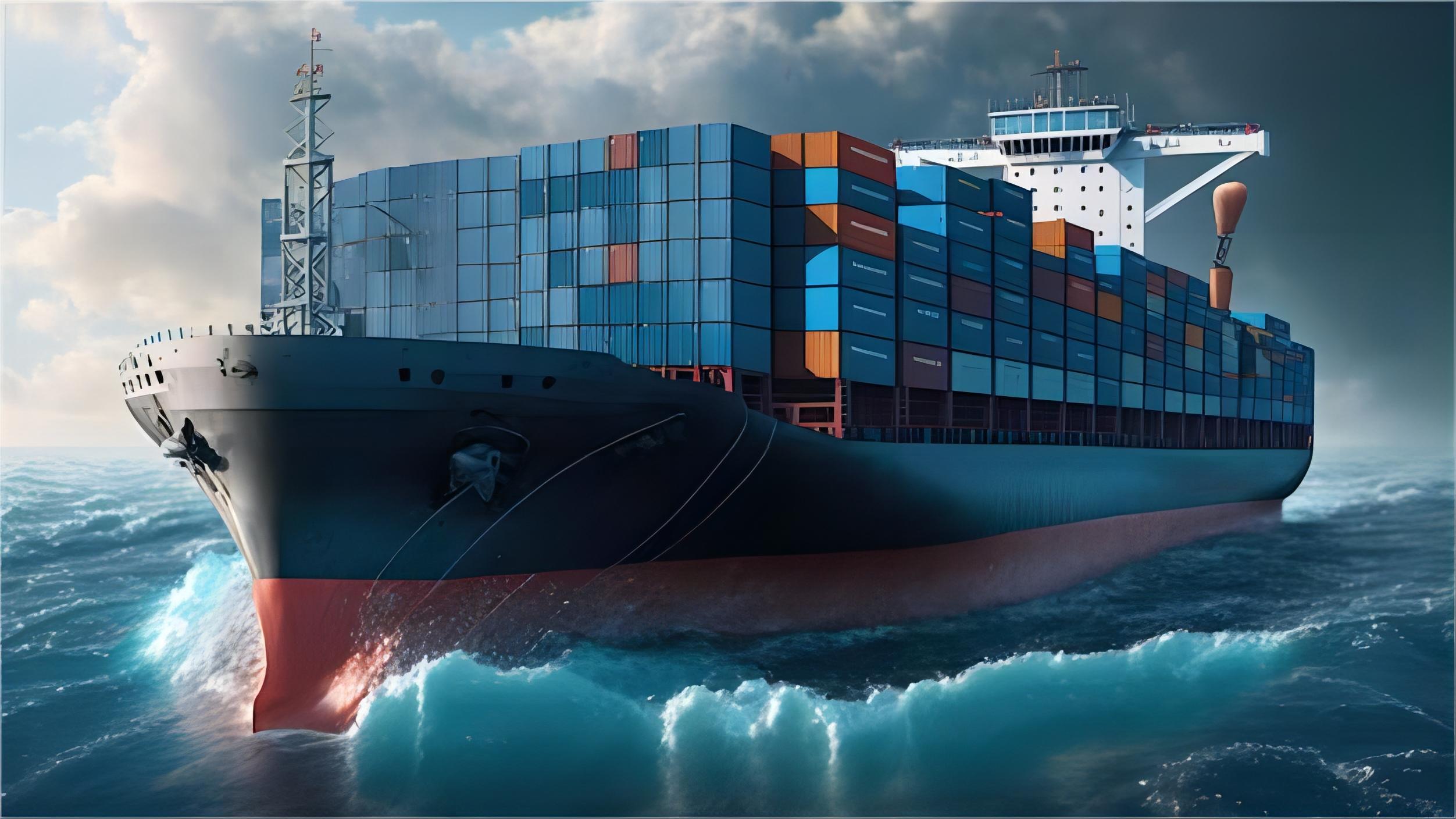
What is Open Top FCL insurance for solar panels from China to Houston?
Specifically designed for oversized cargo, open top containers allow for overhead loading of bulky items like photovoltaic modules. Consequently, this method is preferred for large-scale solar projects that require crane-assisted loading processes.
Insurance for these shipments provides a financial safety net against theft, weather damage, or structural accidents during the long voyage. Therefore, understanding the policy details is crucial for any importer targeting the Texas renewable market.
Moreover, the policy typically covers the full invoice value plus freight costs and a small percentage for incidental losses. Indeed, having this coverage ensures that your capital remains protected even if a maritime disaster occurs.
Why Solar Panels Require Specialized Open Top Containers
Solar modules are notoriously fragile and often come in dimensions that exceed standard container door heights. Additionally, using sea freight with open top equipment allows for easier access by industrial cranes.
Furthermore, these containers provide the necessary flexibility for vertical loading, which prevents the panels from being tilted or stressed. As a result, the physical integrity of the silicon cells is maintained throughout the journey.
Nevertheless, the open nature of these containers, even when covered by a heavy-duty tarpaulin, introduces unique risks. This is why specialized insurance is not just an option but a mandatory requirement for serious importers.
How Does Open Top FCL Compare to Other Shipping Options?
Choosing the right shipping method involves balancing speed, cost, and the physical requirements of the solar equipment. While standard containers are cheaper, they often cannot accommodate the specialized racking used for industrial solar arrays.
In contrast, air freight offers unmatched speed but comes at a price point that is often prohibitive for large-scale energy projects. Meanwhile, sea-based solutions remain the backbone of the global solar supply chain due to their massive capacity.
To summarize the differences, we have provided a detailed comparison of the most common methods used for this specific trade lane.
| Shipping Method | Cost Range | Transit Time | Best For |
|---|---|---|---|
| Open Top FCL | $3,500 – $5,500 | 30-35 Days | Oversized/Top-load |
| Standard FCL | $2,800 – $4,200 | 30-35 Days | Uniform Pallets |
| LCL Shipping | $150 – $300/CBM | 35-45 Days | Small Batches |
| Air Freight | $5.00 – $9.00/kg | 5-8 Days | Urgent Samples |
The Importance of Marine Insurance for North American Imports
Navigating the waters toward North America exposes cargo to various environmental stressors and handling risks. Specifically, the route from China to Houston involves navigating through the Panama Canal or around the Cape of Good Hope.
Consequently, these long voyages increase the probability of cargo shifting or moisture damage. Insurance policies tailored for solar panels account for these specific maritime hazards and provide peace of mind for the stakeholder.
Additionally, most Houston-based lenders require proof of comprehensive insurance before releasing funds for renewable energy projects. Without a doubt, securing your policy early in the process facilitates smoother financial approvals.
Customs and Documentation for Houston Port Arrivals
Efficiently managing customs brokerage is essential to avoid costly demurrage fees at the Port of Houston. Indeed, solar panels are subject to specific trade regulations and potential anti-dumping duties that must be declared accurately.
Therefore, your insurance policy should be listed among the essential documents, alongside the Bill of Lading and Commercial Invoice. For instance, having clear documentation speeds up the inspection process by US Customs and Border Protection.
Meanwhile, working with an experienced forwarder ensures that all paperwork reflects the specialized nature of open top cargo. Accordingly, this proactive approach minimizes the risk of delays that could affect your project timeline.
| Document Name | Purpose | Required By | Importance |
|---|---|---|---|
| Insurance Cert | Risk Coverage | Bank/Customs | Critical |
| Commercial Invoice | Valuation | US Customs | Mandatory |
| Packing List | Cargo Details | Port Authority | High |
| Cert of Origin | Duty Calculation | US Customs | Essential |
Case Study 1: Large Scale Utility Solar Farm
Route: Shanghai, China to Houston, USA. Cargo: 500kW Photovoltaic Modules, 120 CBM. Container: 3 x 40HQ Open Top. Shipping Details: Direct sea transit via the Panama Canal using a major carrier.
Cost Breakdown: Ocean Freight $14,500, Insurance $850, Customs Duties $4,200. Total Landed Cost: $19,550. Timeline: 4 days for loading, 32 days sea transit, 3 days customs clearance. Total: 39 days door-to-door.
Key Insight: Using open top containers reduced loading time by 40 percent compared to standard units. Furthermore, the insurance policy covered a minor incident where a tarpaulin was damaged during a storm, protecting the panels from saltwater exposure.
Case Study 2: Commercial Solar Racking System
Route: Ningbo, China to Houston, USA. Cargo: Aluminum Racking and Frames, 45 CBM. Container: 1 x 40GP Open Top. Shipping Details: Transshipment via Busan to optimize freight rates during peak season.
Cost Breakdown: Ocean Freight $4,100, Port Charges $600, Insurance $320. Total Landed Cost: $5,020. Timeline: 6 days booking, 35 days transit, 2 days clearance. Total: 43 days door-to-door.
Key Insight: Strategic insurance placement allowed the importer to save on total costs while maintaining full protection. Despite the transshipment, the cargo arrived in Houston without any structural damage or loss.
Which Option Should You Choose? Decision Framework
Determining whether you need door to door service or port-to-port delivery depends on your local infrastructure. If your Houston facility lacks specialized unloading equipment, a full-service delivery model is highly recommended.
Budget priority: Recommend standard FCL if dimensions allow, as it reduces freight costs by 15-20 percent. Speed priority: Recommend air freight for urgent replacements, though it is significantly more expensive.
Cargo type considerations: For oversized solar modules, Open Top FCL is the only viable choice for safety. Volume thresholds: For shipments exceeding 15 CBM, FCL is almost always more economical than LCL.
Cost-Saving Strategies for Solar Logistics
Planning your shipment during the off-peak season can lead to substantial savings on freight rates. For example, avoiding the pre-Lunar New Year rush can save you up to $1,000 per container.
Additionally, consolidating multiple orders into a single Open Top FCL shipment reduces the per-unit cost of insurance and customs fees. Moreover, negotiating a long-term contract with a freight forwarder provides more stable pricing in a volatile market.
Finally, always verify the current fuel surcharges and port congestion levels in Houston before booking. Consequently, being well-informed allows you to make adjustments that protect your bottom line.
Final Thoughts on Solar Shipping Security
To summarize, successfully importing solar panels requires a blend of specialized equipment and comprehensive financial protection. Open Top FCL insurance for solar panels from China to Houston provides the necessary security to navigate the complexities of global trade.
By understanding the costs, transit times, and documentation requirements, you can build a more resilient supply chain. Remember that the cheapest option is rarely the safest when dealing with fragile high-tech components.
Ultimately, partnering with a reliable freight forwarder and choosing the right insurance policy will ensure your solar project stays on track and within budget.

Ready to streamline your logistics?
Protect your renewable energy investment today by securing professional Open Top FCL insurance for solar panels from China to Houston. Our team of logistics experts is ready to provide a tailored quote that meets your specific project needs and ensures a safe transit. Contact China Top Freight now to streamline your international shipping process and minimize risk.
Request Quote