

China to Philippines Sea Freight: Your Ultimate Shipping Guide
Shipping goods from China to the Philippines can seem complex, yet understanding the nuances of China Top Freight simplifies the process. This guide outlines everything for China to Philippines sea freight, ensuring efficient and cost-effective cargo arrival. Indeed, navigating international logistics requires expertise, and we aim to simplify your supply chain challenges. Consequently, we cover transit times, costs, customs, and optimal shipping strategies.
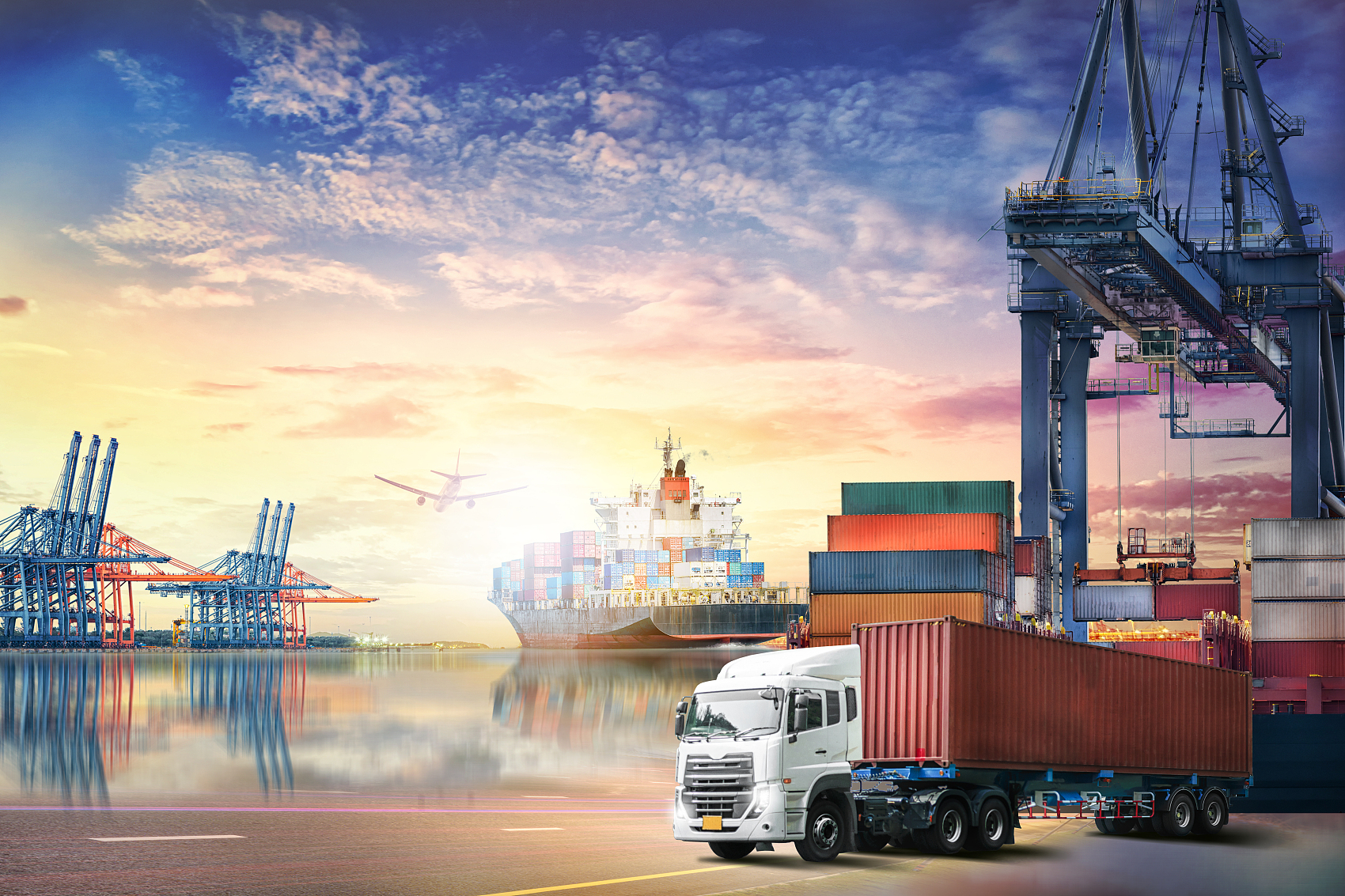
What is China to Philippines Sea Freight and What Influences Its Cost?
Sea freight transports goods via cargo ships, offering a cost-effective solution for large volumes. It is the most common method for commercial shipments between China and the Philippines, vital for global trade.
This method suits bulk cargo and non-perishable items, providing significant cost savings over air transport. Businesses minimizing shipping costs from China to Philippines often prefer sea freight for regular supply chain needs.
Several variables impact shipping costs, including cargo volume/weight, chosen method (FCL or LCL), and specific ports. Additionally, current market freight rates China to Philippines fluctuate based on demand and capacity.
Fuel surcharges, terminal handling (THC), and local delivery fees also contribute. Furthermore, seasonal peaks, such as before Chinese New Year, can drive up prices. Therefore, understanding these components is crucial for budget planning.
| Cost Component | Description |
|---|---|
| Ocean Freight | Base cost for sea transport. |
| Terminal Handling (THC) | Cargo handling at port terminals. |
| Documentation Fees | Processing paperwork. |
| Customs Clearance | Broker services, duties, taxes. |
| Inland Transportation | Moving goods. |
| Insurance | Protection against loss/damage. |
How Long Does China to Philippines Sea Freight Take?
Transit time China to Philippines sea freight typically ranges from 3 to 10 days for direct routes. However, this varies based on origin port in China and destination port in the Philippines.
Vessel speed, weather, and port congestion affect delivery schedule. Moreover, transshipment routes, involving cargo transfer, extend total transit time. Therefore, planning ahead is essential to avoid delays.
| Origin Port (China) | Destination Port (Philippines) | Average Transit Time (Days) |
|---|---|---|
| Shanghai | Manila | 4-7 |
| Shenzhen | Manila | 3-6 |
| Ningbo | Cebu | 5-8 |
| Guangzhou | Davao | 6-9 |
What are the Customs Requirements for Shipping from China to Philippines?
Importing goods into the Philippines requires adherence to specific customs procedures. Importers need a valid Import Clearance Certificate and accurate documentation. Consequently, navigating these rules can be complex without expert assistance.
Key documents include Commercial Invoice, Packing List, Bill of Lading, and Certificate of Origin. Furthermore, certain products may require special permits from Philippine government agencies; for example, food needs FDA approval.
Proper customs brokerage is vital to prevent delays and penalties. A knowledgeable broker ensures compliance with Philippine import duties from China and tax regulations. Indeed, this streamlines the customs clearance process for imports Philippines.
FCL vs. LCL: Which Shipping Method is Best for Your Cargo?
When shipping from China to the Philippines, choose between Full Container Load (FCL) or Less than Container Load (LCL). FCL means your goods occupy an entire container exclusively, offering greater control and faster transit.
Conversely, LCL involves sharing container space with other shippers, economical for smaller shipments. However, LCL shipments often have longer transit times due to consolidation and deconsolidation processes.
The decision between FCL and LCL shipping China Philippines depends on cargo volume, budget, and urgency. If your shipment exceeds 15 CBM, FCL is cost-effective. Conversely, for smaller volumes, LCL provides a flexible solution.
How Does China to Philippines Sea Freight Compare to Other Logistics Solutions?
While sea freight is crucial for China-Philippines trade, other methods like air freight and express service offer distinct advantages. Understanding these alternatives helps in making informed logistics decisions, as each presents trade-offs in speed, cost, and capacity.
For urgent or high-value goods, air freight provides unparalleled speed (3-7 days). However, this comes at a significantly higher cost, often 5-10 times that of sea freight. Therefore, air freight is reserved for time-sensitive shipments.
For very small, urgent packages, an express service offers door-to-door delivery in 2-5 days. This premium service is ideal for samples or documents. In contrast, sea freight remains the most economical for bulk cargo.
| Shipping Method | Cost Range (per kg) | Transit Time | Best For | Limitations |
|---|---|---|---|---|
| Sea Freight (LCL) | $0.15 – $0.35 | 8-15 days | Large, non-urgent. | Slower, delays. |
| Sea Freight (FCL) | $0.05 – $0.15 | 4-10 days | Large volume, secure. | High minimum cost. |
| Air Freight | $4.00 – $8.00 | 3-7 days | Urgent, high-value. | High cost, restrictions. |
| Express Service | $7.00 – $15.00 | 2-5 days | Very small, urgent. | Very high cost, strict limits. |
Practical Examples: China to Philippines Sea Cargo Rates and Transit
Examining real-world case studies offers valuable insights into China to Philippines sea freight. These examples highlight typical costs, transit times, and potential challenges, helping businesses plan import/export operations effectively.
Case Study 1: Small Business Importing Textiles (LCL)
This scenario illustrates a common LCL shipment for a small e-commerce business. The primary goal was cost-efficiency over speed, making LCL ideal for textiles shipping China to Philippines.
| Field | Value |
|---|---|
| Route | Guangzhou, China Manila, Philippines |
| Cargo | Textiles, 8 CBM, 1200 kg |
| Container | LCL 8 CBM |
| Carrier/Service | Major carrier |
| Port of Loading | Nansha, Guangzhou |
| Port of Discharge | Manila MICT |
| Route Type | Direct |
| Ocean Freight | $800 (Q3 2024) |
| Origin Charges | $150 |
| Destination Charges | $250 |
| Customs & Duties | $300 |
| Total Landed Cost | $1500 |
| Booking to Loading | 4 days |
| Sea Transit | 6 days |
| Customs Clearance | 3 days |
| Total Door-to-Door | 13 days |
| Key Insight | LCL saved costs; communication ensured smooth customs. |
Case Study 2: Medium Enterprise Importing Electronics (FCL)
This case demonstrates an FCL shipment for a medium-sized enterprise requiring secure and timely delivery of sensitive electronics components. Security and direct transit were priorities for this valuable cargo.
| Field | Value |
|---|---|
| Route | Shenzhen, China Cebu, Philippines |
| Cargo | Electronics, 28 CBM, 10,000 kg |
| Container | 40GP |
| Carrier/Service | COSCO |
| Port of Loading | Yantian, Shenzhen |
| Port of Discharge | Cebu Port |
| Route Type | Direct |
| Ocean Freight | $1800 (Early 2025) |
| Origin Charges | $200 |
| Destination Charges | $350 |
| Customs & Duties | $700 |
| Total Landed Cost | $3050 |
| Booking to Loading | 3 days |
| Sea Transit | 5 days |
| Customs Clearance | 2 days |
| Total Door-to-Door | 10 days |
| Key Insight | FCL offered better security, faster transit for high-value electronics. |
Case Study 3: Large Importer of Raw Materials (Multiple FCLs)
This example showcases a large-volume FCL shipment, involving multiple containers, where minimizing per-unit cost was paramount. Focus was on optimizing freight rates and maximizing container capacity for raw materials.
| Field | Value |
|---|---|
| Route | Qingdao, China Subic Bay, Philippines |
| Cargo | Plastic pellets, 65 CBM, 25,000 kg |
| Container | 2x 40HQ |
| Carrier/Service | Maersk |
| Port of Loading | Qingdao |
| Port of Discharge | Subic Bay |
| Route Type | Transshipment via Hong Kong |
| Ocean Freight | $5600 (Q1 2025) |
| Origin Charges | $400 |
| Destination Charges | $700 |
| Customs & Duties | $1200 |
| Total Landed Cost | $7900 |
| Booking to Loading | 5 days |
| Sea Transit | 12 days |
| Customs Clearance | 4 days |
| Total Door-to-Door | 21 days |
| Key Insight | Transshipment offered competitive rates; strategic planning mitigated delays. |
How to Optimize Your China to Philippines Sea Freight Supply Chain?
Efficient supply chain management is crucial for successful import/export between China and the Philippines. This involves strategic planning, carrier selection, and effective communication. Furthermore, leveraging technology can enhance visibility and control over shipments.
Consider consolidating small orders into larger LCL or FCL shipments for better freight rates. Additionally, exploring a comprehensive door-to-door service can simplify logistics, handling everything from pickup to final delivery. This integrated approach reduces complexity.
Proactive risk management, including cargo insurance and contingency planning for port congestion or customs delays, is also vital. Ultimately, partnering with an experienced freight forwarder who understands China to Philippines sea freight provides invaluable support and expertise.
Which China to Philippines Shipping Option is Right for Your Business?
Choosing the optimal shipping method from China to the Philippines depends on your business priorities and cargo characteristics. A clear framework helps weigh trade-offs between cost, speed, and reliability. This ensures you select the most suitable logistics solution.
**Budget Priority**: If minimizing shipping costs from China to Philippines is your primary concern, and delivery time is flexible, sea freight (LCL/FCL) is the most economical choice. It offers the best value for bulk and heavy goods.
**Speed Priority**: If urgent delivery is paramount for high-value or time-sensitive goods, air freight is superior despite higher cost. For very small, critical items, an express service provides the fastest door-to-door solution.
**Cargo Type Considerations**: Fragile items or those needing specific temperature control might benefit from FCL sea freight with specialized containers, offering better protection. Hazardous materials also have specific regulations influencing method selection.
**Volume Thresholds**: For shipments under 15 CBM, LCL sea freight is typically more cost-efficient than FCL. However, once cargo approaches or exceeds 15 CBM, an FCL container often becomes more economical per cubic meter, offering better freight rates.
Final Thoughts on Mastering China to Philippines Sea Freight
Navigating the complexities of China to Philippines sea freight requires careful planning and a thorough understanding of various factors. From choosing between FCL and LCL to managing customs regulations and optimizing transit times, each element plays a critical role. Consequently, informed decision-making leads to more efficient and cost-effective shipping.
By leveraging expert freight forwarding services, businesses can overcome logistical challenges and ensure a smooth supply chain. Ultimately, mastering China to Philippines sea freight is key to enhancing your import/export capabilities and achieving your commercial goals.
Get Your Shipping Quote Today
Ready to streamline your China to Philippines sea freight operations? Contact China Top Freight today for a personalized quote and expert guidance on how to ship from China to Philippines. We are committed to providing reliable, cost-effective shipping solutions tailored to your unique business needs, ensuring seamless import/export processes.
Request Quote