

Demurrage Prevention for FCL Shipping from China to Ireland
Full Container Load (FCL) shipping from China to Ireland presents significant opportunities, however, it also carries the risk of costly demurrage charges. These fees can quickly erode profit margins if not properly managed, impacting your overall China Top Freight logistics budget. Understanding the causes of demurrage and implementing proactive strategies is essential for a smooth and cost-effective import process.
What Exactly Are Demurrage and Detention Charges?
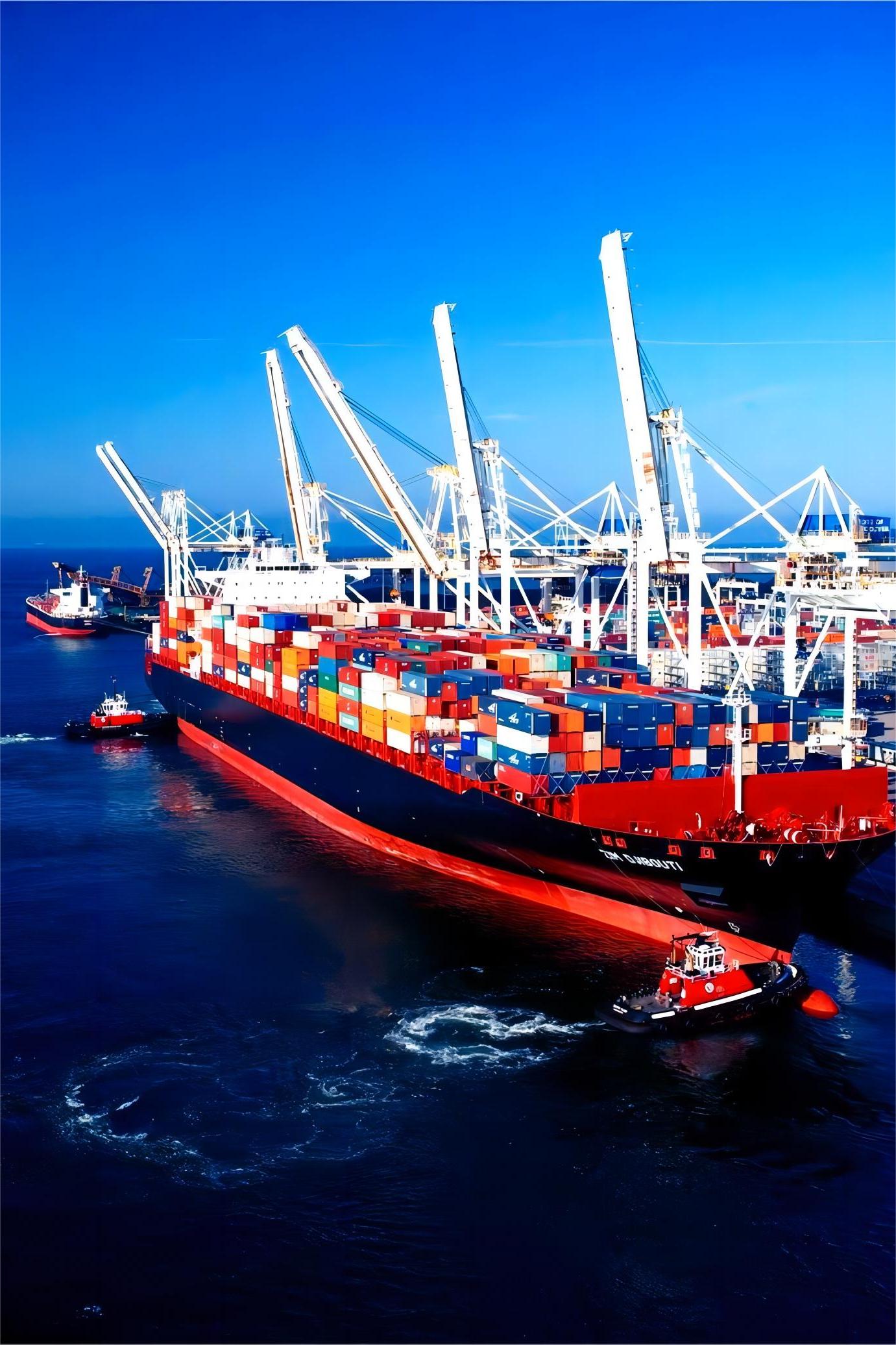
Demurrage and detention are distinct but often confused fees levied by shipping lines for exceeding agreed-upon free time. Understanding the difference is the first step in effective demurrage prevention for FCL shipping from China to Ireland.
Specifically, demurrage applies when cargo remains at the port terminal beyond the allotted free days. This typically covers the period from vessel arrival until the container is picked up from the port. Conversely, detention charges occur when the consignee holds the container outside the port, for unpacking, beyond the free time specified by the carrier. Both can significantly inflate shipping costs.
Why Are Demurrage Fees So Prevalent on the China-Ireland Route?
Several factors contribute to the prevalence of demurrage charges for FCL shipments arriving in Ireland from China. Firstly, the long transit times mean there’s ample opportunity for delays to occur along the shipping route. Secondly, port congestion at major European hubs or Irish ports can cause unforeseen backlogs, directly impacting delivery schedules.
Furthermore, complex customs clearance procedures and inadequate documentation often lead to containers being held at the port. Importers might also face challenges with trucking availability or warehouse space, preventing timely container pickup. These issues collectively highlight the need for robust efficient logistics solutions FCL Ireland planning.
Key Strategies for Demurrage Prevention for FCL Shipping from China to Ireland
Proactive planning and meticulous execution are paramount to avoiding demurrage and detention fees. Implementing a comprehensive strategy that addresses each stage of the shipping process can save substantial costs. This involves careful coordination with all parties involved in your supply chain.
Therefore, consider these actionable steps to mitigate risks and ensure smooth FCL operations. Each element plays a vital role in keeping your cargo moving efficiently from origin to destination.
Optimize Documentation and Customs Pre-Clearance
Accurate and complete documentation is crucial for swift customs processing. Ensure all paperwork, including commercial invoices, packing lists, bills of lading, and certificates of origin, is prepared correctly and submitted in advance. Utilizing customs brokerage services can significantly expedite this process.
Moreover, exploring pre-clearance options with Irish customs allows for duties and taxes to be settled before the vessel even arrives. This proactive approach minimizes delays at the port, directly contributing to reducing port storage fees Ireland and achieving effective demurrage prevention for FCL shipping from China to Ireland.
Negotiate Extended Free Time with Carriers
Many shipping lines offer a standard 3-5 days of free time for both demurrage and detention. However, for regular or high-volume shippers, it is often possible to negotiate extended free days directly with the carrier. This provides a crucial buffer against unforeseen delays.
Hence, always discuss your specific needs with your freight forwarder or carrier before booking. An extra 2-3 days of free time can make a significant difference, especially when dealing with potential port congestion or a busy warehouse schedule. This is a key aspect of how to avoid demurrage charges China to Ireland.
Streamline Your Inland Transportation
Efficient inland transportation from the port of discharge to your final warehouse is critical. Confirm trucking availability and schedule pickups well in advance of the container’s arrival. Any delay in arranging transport can quickly lead to demurrage.
Moreover, using door-to-door services offered by freight forwarders. These services manage the entire logistics chain, including inland haulage, thereby reducing your administrative burden and ensuring timely delivery. This integrated approach is vital for optimizing supply chain China-Ireland efficiency.
Monitor Shipments Closely and Communicate Proactively
Utilize tracking tools provided by carriers or freight forwarders to monitor your FCL shipment’s progress in real-time. Stay informed about vessel schedules, potential delays, and estimated arrival times. This vigilance allows for quick adjustments to your plans.
Consequently, maintain open and constant communication with your freight forwarder, customs broker, and warehousing team. Promptly relay any changes or issues to all relevant parties to ensure everyone is prepared for the container’s arrival and subsequent handling. This minimizes surprises that could lead to unexpected fees.

How Does FCL Shipping Compare to Other Options for China to Ireland?
Choosing the right shipping method is fundamental to managing costs and transit times effectively. While FCL is ideal for larger volumes, understanding its position relative to other options is crucial for cost-effective FCL shipping strategies and overall logistics planning. Ireland is an island nation, meaning direct rail freight from China is not possible, though combined rail-sea options to mainland Europe then onward shipping can be considered.
Therefore, let’s compare FCL sea freight with other viable alternatives for shipping from China to Ireland, considering factors like freight rates, speed, and cargo type. This comparison will help you make an informed decision for your specific import needs.
| Shipping Method | Cost Range (40HQ est.) | Transit Time (Days) | Best For | Limitations |
|---|---|---|---|---|
| FCL Sea Freight | $3,500 – $5,500 | 30 – 40 | Large volumes, non-urgent goods, best per CBM cost | Long transit time, potential for demurrage/detention |
| LCL Sea Freight | $150 – $250 per CBM | 35 – 45 | Smaller volumes (under 15 CBM), cost-effective for less than full container | Longer transit, more handling, potential for delays |
| Air Freight | $8,000 – $15,000 (for comparable volume) | 5 – 8 | Urgent, high-value, perishable goods, small shipments | Very high cost, strict weight/size limits, higher carbon footprint |
| Rail-Sea Combined (to Europe then sea to Ireland) | $5,000 – $8,000 | 25 – 35 | Medium urgency, heavy/bulky goods, balance of cost/speed | Multiple transshipments, complex coordination, limited routes |
Which Option Should You Choose for Your Ireland Imports?
Selecting the optimal shipping method depends heavily on your specific business priorities and cargo characteristics. A thoughtful evaluation ensures you balance shipping costs with speed and reliability. Consider these decision criteria when planning your import/export operations.
Ultimately, the goal is to find a solution that minimizes overall landed cost while meeting your delivery deadlines. This strategic choice is integral to effective managing transit times for FCL shipments and avoiding unexpected expenses.
Budget Priority
If cost is your primary concern, FCL sea freight generally offers the most economical per-unit cost for large volumes. For smaller shipments, LCL sea freight provides a cost-effective alternative. Always compare total landed costs, including potential demurrage, for an accurate picture.
Speed Priority
For urgent shipments, air freight is unrivaled in speed, delivering goods in days rather than weeks. However, this comes at a significantly higher price. A hybrid rail-sea option can offer a middle-ground solution for moderate urgency.
Cargo Type Considerations
Heavy, bulky, or non-perishable goods are well-suited for FCL sea freight. Perishable items, high-value electronics, or time-sensitive fashion goods often necessitate air freight due to their specific handling and delivery requirements. Hazardous materials also have specific shipping regulations that influence method choice.
Volume Thresholds for Switching Methods
Generally, if your shipment exceeds 15-20 CBM, FCL becomes more economical than LCL. For volumes requiring more than 2-3 standard pallets, FCL is almost always the better choice. Below this, LCL or even air freight for very small, urgent parcels might be more appropriate.
Real-World Case Studies in Demurrage Prevention
Examining actual shipping scenarios provides valuable insights into how effective strategies translate into tangible savings. These case studies highlight the importance of meticulous planning and robust communication in preventing demurrage. They demonstrate practical applications of pre-clearance for Irish customs FCL and other preventative measures.
Based on Q3 2024 market rates, these examples illustrate typical challenges and successful outcomes for FCL shipments from China to Ireland. Note: Freight rates are subject to change based on fuel costs, carrier capacity, and seasonal demand. Contact us for a current quote tailored to your specific shipment.
Case Study 1: Electronics Importer to Dublin
| Detail | Description |
|---|---|
| Route | Shanghai, China to Dublin, Ireland |
| Cargo | Consumer electronics, 60 CBM, 12,000 kg |
| Container | 1 x 40HQ |
| Shipping Details | |
| – Carrier/Service | COSCO |
| – Port of Loading | Shanghai |
| – Port of Discharge | Dublin |
| – Route Type | Transshipment via Rotterdam |
| Cost Breakdown (Estimated) | |
| – Ocean Freight | $3,800 |
| – Origin Charges (THC, documentation) | $450 |
| – Destination Charges (Port, Handling) | $700 |
| – Customs & Duties (estimated) | $1,500 |
| – Total Landed Cost (excl. demurrage) | $6,450 |
| Timeline | |
| – Booking to Loading | 5 days |
| – Sea Transit | 35 days |
| – Customs Clearance | 2 days (pre-cleared) |
| – Total Door-to-Door | 40 days |
| Key Insight | Early document submission and pre-arranged inland transport avoided 3 days of potential demurrage, saving approximately $450. The importer also negotiated 7 days free time for demurrage. |
Case Study 2: Apparel Retailer to Cork
| Detail | Description |
|---|---|
| Route | Ningbo, China to Cork, Ireland |
| Cargo | Seasonal apparel, 28 CBM, 6,000 kg |
| Container | 1 x 20GP |
| Shipping Details | |
| – Carrier/Service | Maersk |
| – Port of Loading | Ningbo |
| – Port of Discharge | Cork |
| – Route Type | Transshipment via Felixstowe |
| Cost Breakdown (Estimated) | |
| – Ocean Freight | $2,500 |
| – Origin Charges (THC, documentation) | $380 |
| – Destination Charges (Port, Handling) | $600 |
| – Customs & Duties (estimated) | $900 |
| – Total Landed Cost (excl. demurrage) | $4,380 |
| Timeline | |
| – Booking to Loading | 4 days |
| – Sea Transit | 38 days |
| – Customs Clearance | 3 days (standard) |
| – Total Door-to-Door | 45 days |
| Key Insight | Close monitoring of vessel schedule and immediate pickup upon arrival, despite a 2-day port delay at Felixstowe, prevented demurrage. Freight forwarder provided daily updates. |
Case Study 3: Furniture Wholesaler to Shannon
| Detail | Description |
|---|---|
| Route | Qingdao, China to Shannon, Ireland |
| Cargo | Flat-pack furniture, 68 CBM, 10,000 kg |
| Container | 1 x 40HQ |
| Shipping Details | |
| – Carrier/Service | MSC |
| – Port of Loading | Qingdao |
| – Port of Discharge | Shannon (via Dublin port then road) |
| – Route Type | Transshipment via Antwerp |
| Cost Breakdown (Estimated) | |
| – Ocean Freight | $4,200 |
| – Origin Charges (THC, documentation) | $500 |
| – Destination Charges (Port, Handling, Road to Shannon) | $1,100 |
| – Customs & Duties (estimated) | $1,800 |
| – Total Landed Cost (excl. demurrage) | $7,600 |
| Timeline | |
| – Booking to Loading | 6 days |
| – Sea Transit | 40 days |
| – Customs Clearance | 2 days (pre-cleared) |
| – Total Door-to-Door | 48 days |
| Key Insight | Leveraged Amazon FBA logistics expertise for efficient inland transport and pre-booking of warehouse slots, which ensured immediate container devanning, thus avoiding any detention charges. |
Navigating Market Conditions and Logistics Trends
The global shipping landscape is dynamic, with various factors influencing freight rates and transit times. As of Q1 2025, freight rates from China to Europe have seen some stabilization after the volatility caused by 2024 Red Sea disruptions, however, regional port congestion can still be a concern. Understanding these logistics trends is vital for effective planning and demurrage prevention for FCL shipping from China to Ireland.
Additionally, seasonal patterns significantly impact shipping capacity and pricing. Rates typically increase 15-25% during August-October peak season leading up to holidays. Planning ahead and booking early during these periods can mitigate higher costs and secure space. Consider also the ongoing development of digital platforms for cargo handling and tracking, which offer enhanced visibility.

Achieve Seamless FCL Shipping to Ireland
Effectively managing FCL shipments from China to Ireland requires a strategic approach focused on proactive planning and diligent execution. By prioritizing accurate documentation, negotiating free time, streamlining inland logistics, and maintaining constant communication, businesses can significantly reduce their exposure to demurrage and detention fees. These measures are essential for robust <span class=”keyword”>demurrage prevention for FCL shipping from China to Ireland</span>.
Indeed, partnering with an experienced freight forwarder who understands the nuances of the China-Ireland trade lane is invaluable. Such a partner can navigate customs complexities, secure favorable terms, and ensure your cargo moves efficiently, ultimately protecting your profit margins and enhancing your <span class=”semantic”>supply chain</span> resilience.
Get Your Shipping Quote Today
Ready to optimize your FCL shipments and prevent costly demurrage charges? Contact China Top Freight today for expert guidance and a personalized quote tailored to your specific shipping needs from China to Ireland. Our team is here to help streamline your logistics.
Request Quote