

40HQ FCL Insurance for Hardware Tools: China to Germany Guide
Shipping a 40HQ FCL of hardware tools from China to Germany involves complex logistics and inherent risks. Protecting your valuable cargo against unforeseen events is paramount for any importer. Therefore, understanding comprehensive insurance options is not just an advantage, but a necessity for peace of mind and financial security. China Top Freight offers tailored solutions to safeguard your investment from origin to destination.
✦What is 40HQ FCL Shipping for Hardware Tools?
A 40HQ FCL, or 40-foot High Cube Full Container Load, represents a dedicated container for your goods. This shipping method is particularly beneficial for businesses importing substantial volumes of hardware tools from China to Germany. Utilizing a full container ensures your products are not mixed with other shippers’ cargo, thereby reducing handling and potential damage.
Choosing FCL offers numerous advantages, especially for fragile or high-value items like specialized hardware. Indeed, it provides greater security and often a more predictable transit schedule compared to Less than Container Load (LCL) options. Consequently, it streamlines your supply chain and minimizes logistical complexities.
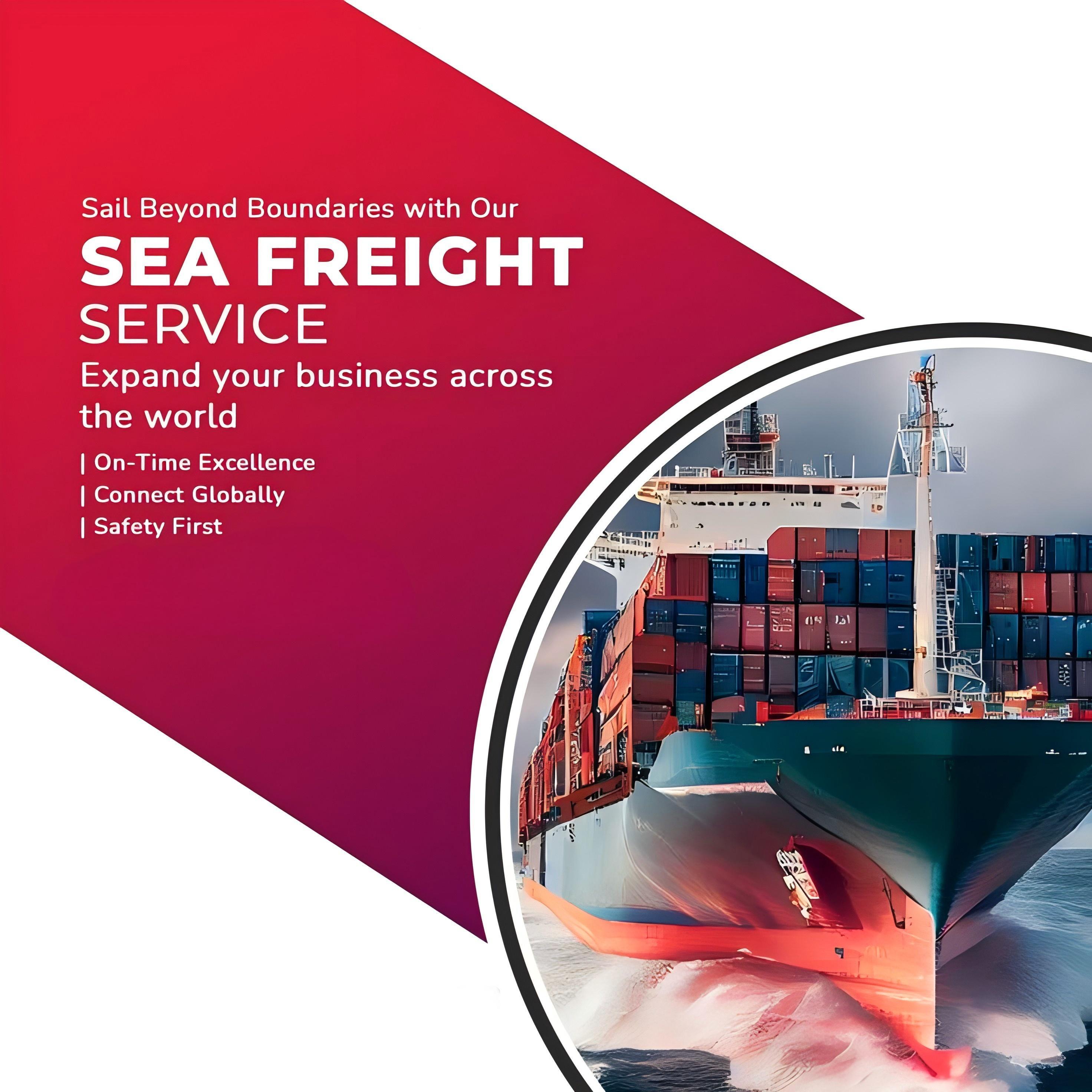
Why is Insurance Crucial for Your 40HQ FCL Hardware Tools?
Despite robust packaging and careful handling, international shipping carries inherent risks. Your 40HQ FCL hardware tools face potential damage, loss, or theft during transit from China to Germany. Consequently, marine cargo insurance acts as a critical safety net, protecting your financial investment.
Consider, for instance, events like adverse weather, vessel accidents, or port delays that can impact your shipment. Without adequate insurance, any loss or damage could result in significant financial setbacks for your business. Therefore, comprehensive coverage is essential for mitigating these unpredictable import/export risks and ensuring business continuity.
Understanding Types of Cargo Insurance Coverage for Tools
When insuring your 40HQ FCL hardware tools, various coverage options are available. Primarily, the choice depends on the specific risks you wish to cover and the value of your cargo. Most importantly, selecting the right policy is key to robust risk management.
For example, ‘All-Risk’ coverage, often based on Institute Cargo Clauses A, provides the broadest protection. This policy covers most physical loss or damage from external causes, excluding specific exclusions like inherent vice or war. Alternatively, ‘Named Perils’ policies (Clauses B or C) cover only specified events, such as fire or collision. For valuable hardware tools, an All-Risk policy is generally recommended to ensure maximum protection during sea freight.

Factors Influencing 40HQ FCL Insurance Costs from China to Germany
The cost of insuring your 40HQ FCL hardware tools varies based on several factors. Firstly, the total declared value of your goods is a primary determinant. Higher value shipments naturally incur higher premiums. Additionally, the specific type of hardware tools can influence rates, especially if they are fragile or specialized.
Moreover, the chosen shipping route from China to Germany and the carrier’s reputation play a role. Packaging quality, the deductible amount, and the extent of coverage (e.g., All-Risk vs. Named Perils) also impact the final premium. Obtaining a detailed quote that considers all these elements is crucial for accurate budgeting of your shipping costs.
Navigating the Claims Process for Damaged Hardware Shipments
In the unfortunate event of damage or loss to your 40HQ FCL hardware tools, a clear claims process is vital. Prompt action is crucial; therefore, notify your insurer or freight forwarder immediately upon discovering any issues. Documenting the damage with photographs and detailed descriptions is an essential first step.
Subsequently, you will need to provide various documents, including the bill of lading, commercial invoice, packing list, and claim form. Your insurer will then assess the claim based on your policy terms. Understanding this procedure beforehand can significantly streamline the process and improve your chances of a successful claim, minimizing disruptions to your delivery schedule.
Essential Steps for a Smooth 40HQ FCL Shipment of Hardware Tools
Ensuring a seamless 40HQ FCL shipment of hardware tools from China to Germany requires meticulous planning. Firstly, proper packaging is non-negotiable to protect items during transit. Consequently, sturdy crates, adequate cushioning, and moisture protection are paramount for sensitive equipment.
Secondly, accurate and complete documentation is critical for customs clearance. This includes commercial invoices, packing lists, certificates of origin, and any required product certifications for import into Germany. Engaging a knowledgeable customs brokerage service can prevent costly delays and ensure compliance with German import regulations. Furthermore, selecting a reputable freight forwarder who specializes in the China-Europe trade route is equally important for successful cargo handling.
How Does 40HQ FCL Compare to Other Shipping Options for Hardware?
When importing hardware tools from China to Germany, several shipping methods are available, each with distinct trade-offs. Choosing the right option depends on your cargo volume, urgency, and budget priorities. Understanding these alternatives is crucial for optimizing your logistics strategy.
For instance, while a 40HQ FCL is ideal for large volumes, smaller shipments might benefit from other solutions. Conversely, extremely time-sensitive deliveries necessitate faster, albeit more expensive, methods. Therefore, a comprehensive comparison helps in making informed decisions about your import/export strategy.
| Shipping Method | Cost Range (40HQ/Equivalent) | Transit Time (China-Germany) | Best For | Limitations |
|---|---|---|---|---|
| 40HQ FCL Sea Freight | $3,000 – $4,200 | 28-35 days | Large volumes, cost-efficiency, security | Slowest transit |
| LCL Sea Freight | $80 – $150 per CBM | 35-45 days | Smaller volumes (under 15 CBM), budget-friendly | More handling, longer transit, potential delays |
| Rail Freight | $8,000 – $12,000 | 16-20 days | Medium urgency, balanced cost/speed, specific routes | Capacity limits, less flexible routes, higher cost than sea |
| Air Freight | $15,000 – $25,000+ | 5-7 days | Urgent, high-value, small volume shipments | Highest cost, environmental impact, volume restrictions |

Which Option Should You Choose?
Your decision framework should prioritize your business needs. If budget is your primary concern and you have large volumes of hardware tools, FCL sea freight is typically the most economical option. However, for urgent, high-value, or smaller critical components, air freight might be justified. Hybrid solutions can also offer flexibility.
Consider your cargo type carefully. Delicate or high-value items might warrant FCL for reduced handling, even if volume is slightly less than a full container. Always evaluate the cost-benefit of speed versus expense, including the impact of potential delays on your operations. This ensures an optimized delivery schedule for your specific hardware imports.
Real-World Scenarios: Securing Your Hardware Tools with Insurance
Examining actual shipment cases helps illustrate the importance of robust insurance and strategic logistics planning for 40HQ FCL hardware tools from China to Germany. These examples highlight diverse situations and the impact of informed decisions on successful delivery. They underscore the value of proactive risk management in international trade.
Case Study 1: Power Tools from Shenzhen to Hamburg
This shipment of power tools required a direct, secure route to minimize handling. Comprehensive insurance was a critical component, covering the entire journey to mitigate risks for these high-value items. The strategic choice of a direct carrier ensured efficiency.
| Detail | Value |
|---|---|
| Route | Shenzhen, China -> Hamburg, Germany |
| Cargo | Power tools, 65 CBM, 15,000 kg |
| Container | 40HQ |
| Carrier/Service | Maersk |
| Port of Loading | Shenzhen |
| Port of Discharge | Hamburg |
| Route Type | Direct |
| Ocean Freight | $3,800 |
| Origin Charges (THC, documentation) | $450 |
| Destination Charges | $550 |
| Customs & Duties (estimated) | $1,200 |
| Total Landed Cost (excluding cargo value duties) | $6,000 |
| Booking to Loading | 5 days |
| Sea Transit | 30 days |
| Customs Clearance | 3 days |
| Total Door-to-Door | 38 days |
| Key Insight | Direct route ensured minimal handling, crucial for delicate power tools. Insurance mitigated transit risks effectively. Based on Q3 2024 market rates. |

Case Study 2: Hand Tools from Ningbo to Bremerhaven via Transshipment
For this shipment of hand tools, a transshipment route offered cost savings, albeit with a longer transit time. Robust insurance was therefore essential to cover the extended journey and additional handling points. This approach balanced budget considerations with necessary protection for shipping to Europe.
| Detail | Value |
|---|---|
| Route | Ningbo, China -> Bremerhaven, Germany |
| Cargo | Hand tools and accessories, 68 CBM, 18,000 kg |
| Container | 40HQ |
| Carrier/Service | COSCO |
| Port of Loading | Ningbo |
| Port of Discharge | Bremerhaven |
| Route Type | Transshipment via Singapore |
| Ocean Freight | $3,200 |
| Origin Charges (THC, documentation) | $400 |
| Destination Charges | $500 |
| Customs & Duties (estimated) | $1,000 |
| Total Landed Cost (excluding cargo value duties) | $5,100 |
| Booking to Loading | 7 days |
| Sea Transit | 35 days |
| Customs Clearance | 4 days |
| Total Door-to-Door | 46 days |
| Key Insight | Opting for transshipment offered cost savings, but extended transit time required robust insurance for the longer journey. Typical rates as of early 2025. |
Case Study 3: Specialized Industrial Tools via Multimodal Route
This scenario involved specialized industrial tools, demanding a balance between speed and cost. A multimodal sea-rail solution was chosen, combining efficiency with a broader geographical reach. Comprehensive insurance was paramount, covering all legs of the journey, including rail transit within Europe, to protect these valuable hardware shipments.
| Detail | Value |
|---|---|
| Route | Shanghai, China -> Rotterdam, Netherlands (then rail to Germany) |
| Cargo | Specialized industrial tools, 60 CBM, 16,000 kg |
| Container | 40HQ |
| Carrier/Service | MSC (Sea) / European Rail (Land) |
| Port of Loading | Shanghai |
| Port of Discharge | Rotterdam |
| Route Type | Sea to Rail (multimodal) |
| Ocean Freight | $3,600 |
| Origin Charges (THC, documentation) | $420 |
| Destination Charges (Rotterdam) | $500 |
| Inland Rail to Germany | $800 |
| Customs & Duties (estimated) | $1,500 |
| Total Landed Cost (excluding cargo value duties) | $6,820 |
| Booking to Loading | 6 days |
| Sea Transit | 28 days |
| Rail Transit | 5 days |
| Customs Clearance | 3 days |
| Total Door-to-Door | 42 days |
| Key Insight | Multimodal solution balanced speed and cost, but required comprehensive insurance covering multiple transport legs, protecting valuable hardware shipments. Based on current market rates, Q1 2025. |
Market Insights and Future Trends for China-Germany Shipping
The landscape of international shipping, particularly from China to Germany, is constantly evolving. As of Q1 2025, freight rates from China to Europe have stabilized somewhat after the significant disruptions observed in 2024, partly due to Red Sea rerouting. However, vigilance remains essential as geopolitical events can quickly impact logistics trends.
Industry data suggests that seasonal patterns continue to influence freight rates, with increases of 15-25% typically observed during the August-October peak season. Moreover, port congestion and carrier capacity can lead to fluctuations in transit times. Therefore, securing your 40HQ FCL insurance for hardware tools early and remaining flexible with your shipping schedule are crucial strategies for effective supply chain management. Note: Freight rates are subject to change based on fuel costs, carrier capacity, and seasonal demand. Contact us for a current quote tailored to your specific shipment.
Conclusion: Safeguarding Your Hardware Tool Imports
In conclusion, importing 40HQ FCL hardware tools from China to Germany demands careful consideration of logistics and, most importantly, comprehensive insurance. Understanding the types of coverage, cost factors, and claims processes is vital for protecting your investment. Furthermore, choosing the right shipping method and a reliable freight partner ensures a smooth and secure delivery.
Indeed, proactive risk management through robust insurance and strategic planning offers peace of mind and financial security. Therefore, prioritize safeguarding your hardware tools against unforeseen events throughout their international journey. Secure your supply chain and ensure your business thrives in the competitive import market.