

Reefer FCL Insurance for Toys: China to California Shipping Guide
Navigating the complexities of international shipping, especially for sensitive products like toys, demands careful consideration of every detail. When importing a full container load (FCL) of toys that require specific temperature or humidity controls from China to California, securing appropriate Reefer FCL insurance is not just an option, but a critical necessity for safeguarding your investment. This guide explores the essentials of protecting your valuable cargo.

Understanding Reefer FCL Shipping for Toys from China
Reefer FCL, or refrigerated full container load, refers to shipping an entire container that is equipped with refrigeration units. This method is crucial for transporting goods sensitive to temperature fluctuations, humidity, or even light exposure. For many types of toys, particularly those with electronic components, delicate materials, or specific storage requirements, reefer containers offer essential protection.
Choosing FCL means your cargo occupies the entire container, providing better security and direct transit. Consequently, this minimizes handling and potential damage compared to less-than-container-load (LCL) shipments. Moreover, it offers greater control over the shipping schedule and reduces the risk of contamination from other goods. Therefore, it is often the preferred choice for high-value or large-volume toy imports.
Why Specialized Insurance is Crucial for Toy Imports to California
Importing toys from China to California involves numerous risks, ranging from physical damage and theft to temperature excursions and customs delays. Without adequate insurance, any unforeseen incident could lead to significant financial losses for your business. Indeed, the value of a full container load of toys can be substantial, making comprehensive coverage indispensable.
Furthermore, standard carrier liability is often insufficient to cover the full value of your goods. Carriers typically limit their liability based on weight or package count, which rarely equates to the actual retail or manufacturing cost of toys. Therefore, investing in specialized cargo insurance tailored for reefer FCL shipments is a smart business decision, protecting against common shipping perils.
This type of insurance specifically addresses risks associated with temperature-controlled shipping. For instance, it covers malfunctions of the refrigeration unit, power outages, or improper temperature settings during transit. Such failures could render an entire shipment of sensitive toys unsellable, highlighting the importance of robust protection.
Key Insurance Coverage for Reefer FCL Toy Shipments
Securing the right insurance policy is paramount for mitigating risks when importing toys. Generally, several types of coverage are available, but a comprehensive ‘All-Risk’ policy is usually recommended for high-value or delicate toy shipments. This policy offers the broadest protection, covering loss or damage from external causes, subject to exclusions.
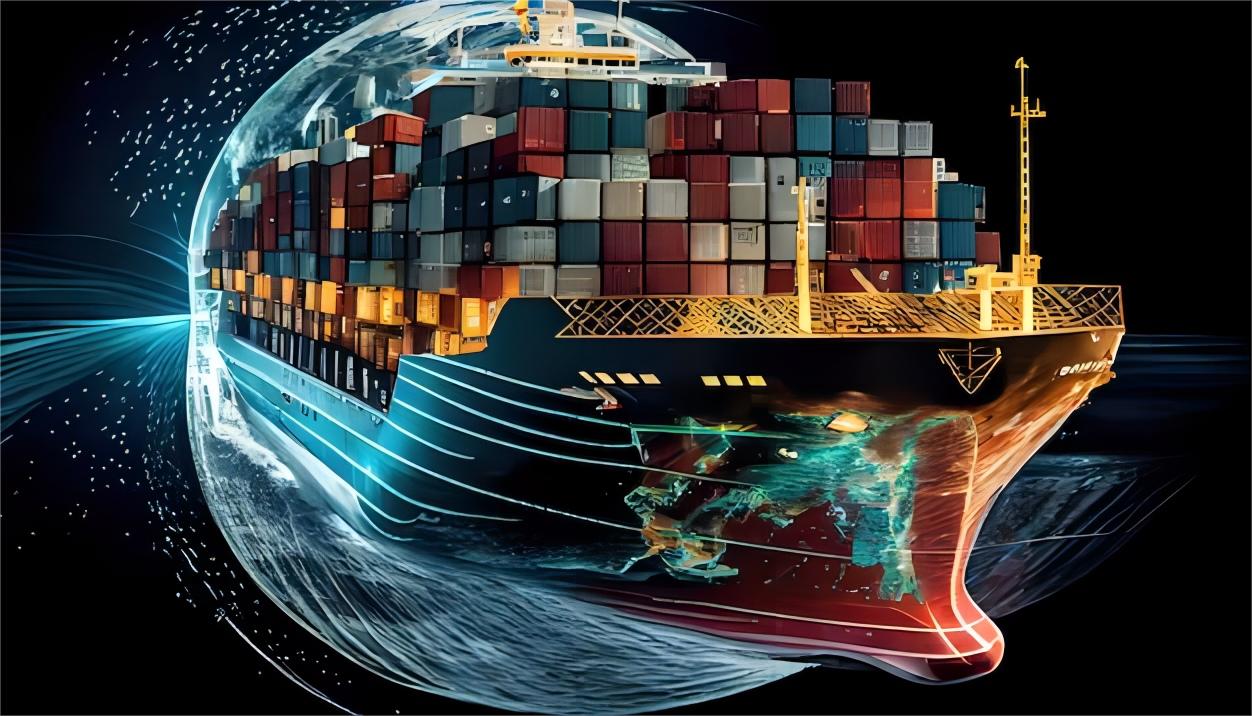
Specifically, consider coverage for temperature deviation and refrigeration malfunction. This crucial clause protects against losses directly resulting from a reefer unit’s failure to maintain the specified temperature range. Moreover, coverage for ‘general average’ is also vital, as it protects you from sharing costs if a voluntary sacrifice of cargo is made to save the vessel. Additionally, ensure the policy covers theft, pilferage, non-delivery, and physical damage due to accidents or rough handling.
Discussing your specific cargo details with an experienced freight forwarder or insurance broker is advisable. They can help tailor a policy that addresses the unique vulnerabilities of your toy products, ensuring adequate protection from origin to final destination. Therefore, obtaining a detailed quote and understanding policy exclusions are essential steps.
Understanding Incoterms and Their Impact on Insurance
Incoterms (International Commercial Terms) define the responsibilities of buyers and sellers for the delivery of goods under sales contracts. They dictate when risk transfers from seller to buyer, directly influencing who is responsible for obtaining insurance. For example, under CIF (Cost, Insurance and Freight), the seller arranges and pays for insurance up to the named port of destination. However, the buyer might still need additional coverage.
Conversely, under EXW (Ex Works) or FOB (Free On Board), the buyer typically assumes more risk earlier in the journey. Consequently, they are responsible for arranging comprehensive insurance from the point of origin. Understanding these terms is vital for determining your insurance obligations and avoiding coverage gaps for your customs brokerage and cargo. Always clarify Incoterms with your supplier to ensure proper risk allocation.
Navigating Regulations and Customs for Toy Imports to California
Importing toys into the United States, particularly through California ports, involves stringent regulations enforced by various agencies. The Consumer Product Safety Commission (CPSC) sets safety standards, requiring toys to be lead-free, phthalate-free, and to meet specific testing requirements. Furthermore, California has its own additional environmental and safety standards, such as Proposition 65, which may apply to certain toy materials. Compliance is non-negotiable, therefore, meticulous documentation is crucial.
Proper customs clearance is essential to avoid delays and penalties. You will need a commercial invoice, packing list, bill of lading, and potentially a CPSC certificate of conformity. Moreover, accurate Harmonized System (HS) codes are vital for correct duty assessment. A skilled door-to-door freight forwarder can assist with these complex procedures, ensuring your toys comply with all import regulations. Without proper documentation, your shipment could face significant delays or even seizure, impacting your delivery schedule and profitability.
How Does Reefer FCL Compare to Other Shipping Options?
When shipping toys from China to California, several methods are available, each with distinct advantages and disadvantages. Reefer FCL is ideal for temperature-sensitive, high-volume, or high-value toy imports. However, other options might suit different types of cargo or budget constraints. Understanding these alternatives helps in making informed logistics decisions for your supply chain.
For urgent, smaller shipments of high-value toys, air freight offers unparalleled speed, typically delivering within 5-7 days. Nevertheless, its cost is significantly higher than sea freight. On the other hand, standard dry FCL sea freight is suitable for non-sensitive, durable toys, offering cost-effectiveness but lacking temperature control. LCL (Less than Container Load) is an option for smaller volumes, but it involves more handling and longer transit times.
Consider your priorities: speed, cost, cargo sensitivity, and volume. This decision framework helps in selecting the most appropriate shipping method. For instance, if preserving the integrity of electronic toys or delicate collectibles is paramount, reefer FCL is often the superior choice despite its higher cost compared to dry containers.
| Shipping Method | Cost Range (40HQ/CBM) | Transit Time (Days) | Best For | Limitations |
|---|---|---|---|---|
| Reefer FCL Sea Freight | $3,500 – $5,500 (40HQ) | 14-20 | Temperature-sensitive, high-volume toys | Higher cost, specific equipment needed |
| Dry FCL Sea Freight | $2,800 – $3,800 (40HQ) | 14-20 | Durable, non-sensitive, high-volume toys | No temperature control, longer transit |
| LCL Sea Freight | $50 – $80 (per CBM) | 20-30 | Small volume, non-urgent, durable toys | More handling, longer transit, less control |
| Air Freight | $5 – $10 (per kg) | 5-7 | Urgent, high-value, small volume toys | Very high cost, volume/weight restrictions |
Cost Factors and Pricing for Reefer FCL from China to California
The total cost of shipping Reefer FCL from China to California involves several components. These include ocean freight rates, which fluctuate based on fuel costs, carrier capacity, and peak seasons. Furthermore, origin charges (like terminal handling, documentation, and drayage) and destination charges (port fees, customs clearance, and delivery to your warehouse) contribute significantly to the overall expense. Additionally, the cost of specialized reefer equipment adds a premium over standard dry containers.
Fuel surcharges (BAF/EBS) and peak season surcharges (PSS) can also impact pricing, especially during busy periods like before Chinese New Year or the Q4 holiday rush. Moreover, consider potential demurrage and detention charges if your container is not cleared and returned promptly. Consequently, obtaining a detailed, all-inclusive quote from a reputable freight forwarder is essential to understand the true cost of your sea freight shipment. This transparency helps in effective budget planning and risk management for toy imports.
Note: Freight rates are subject to change based on fuel costs, carrier capacity, and seasonal demand. Contact us for a current quote tailored to your specific shipment.
Which Option Should You Choose?
Deciding on the best shipping method depends entirely on your specific needs and priorities. If budget is your primary concern and your toys are not temperature-sensitive, standard dry FCL or LCL sea freight is the most economical choice. However, be prepared for longer transit times and less control over your shipment’s environment.
If speed is critical, especially for new product launches or urgent restocks, air freight is the clear winner, despite its higher cost. For high-value, delicate, or temperature-sensitive toys, Reefer FCL sea freight offers the best balance of protection and cost-effectiveness compared to air freight. It ensures your cargo arrives in optimal condition, preserving product quality and customer satisfaction.
Ultimately, the ideal solution often involves a blend of strategies. For example, you might use air freight for initial samples or urgent small orders, and then switch to Reefer FCL for bulk production. A comprehensive logistics partner like China Top Freight can help you navigate these choices.
Real-World Scenarios: Protecting Your Toy Shipments
Understanding how Reefer FCL insurance works in practice can highlight its immense value. Here are a few examples illustrating common challenges and the importance of robust coverage when shipping delicate toys from China to California.
Case Study 1: Electronic Learning Toys
| Detail | Description |
|---|---|
| Route | Ningbo, China Los Angeles, USA |
| Cargo | Educational electronic toys, 60 CBM, 15,000 kg |
| Container | 1 x 40HQ Reefer |
| Shipping Details | Carrier: Major carrier, Port of Loading: Ningbo, Port of Discharge: Los Angeles, Route Type: Direct |
| Cost Breakdown | Ocean Freight: $4,200, Origin Charges: $750, Destination Charges: $600, Customs & Duties (estimated): $1,500, Total Landed Cost: $7,050 |
| Timeline | Booking to Loading: 5 days, Sea Transit: 16 days, Customs Clearance: 3 days, Total Door-to-Door: 24 days |
| Key Insight | During transit, a power surge caused the reefer unit to briefly malfunction, leading to a temperature spike. The specialized Reefer FCL insurance covered the partial damage to sensitive circuits, preventing a total loss. Based on Q3 2024 market rates. |
Case Study 2: Collectible Vinyl Figures
| Detail | Description |
|---|---|
| Route | Shanghai, China Long Beach, USA |
| Cargo | Limited edition collectible vinyl figures, 65 CBM, 12,000 kg |
| Container | 1 x 40HQ Reefer |
| Shipping Details | Carrier: Major carrier, Port of Loading: Shanghai, Port of Discharge: Long Beach, Route Type: Direct |
| Cost Breakdown | Ocean Freight: $4,500, Origin Charges: $800, Destination Charges: $700, Customs & Duties (estimated): $2,000, Total Landed Cost: $8,000 |
| Timeline | Booking to Loading: 7 days, Sea Transit: 18 days, Customs Clearance: 4 days, Total Door-to-Door: 29 days |
| Key Insight | A container was temporarily misrouted, extending transit by a few days. The reefer unit maintained optimal conditions, but the delay was covered under an extended transit clause in the insurance, mitigating financial impact from delayed market entry. Typical rates as of early 2025. |
Case Study 3: High-End Wooden Puzzles
| Detail | Description |
|---|---|
| Route | Shenzhen, China Oakland, USA |
| Cargo | Premium wooden educational puzzles, 58 CBM, 10,000 kg |
| Container | 1 x 40HQ Reefer |
| Shipping Details | Carrier: Major carrier, Port of Loading: Shenzhen, Port of Discharge: Oakland, Route Type: Direct |
| Cost Breakdown | Ocean Freight: $3,900, Origin Charges: $700, Destination Charges: $650, Customs & Duties (estimated): $1,200, Total Landed Cost: $6,450 |
| Timeline | Booking to Loading: 6 days, Sea Transit: 17 days, Customs Clearance: 3 days, Total Door-to-Door: 26 days |
| Key Insight | Due to unexpected port congestion at Oakland, the container was held for an extra week. While the reefer unit functioned perfectly, the delay caused a breach of contract with a retailer. The ‘contingent delay’ clause in the insurance helped cover penalties. Market data suggests these rates for Q1 2025. |
Choosing the Right Freight Forwarder for Your Toy Imports
Selecting a reliable freight forwarder is as crucial as choosing the right insurance. An experienced forwarder specializing in reefer shipments and imports to California understands the nuances of cold chain logistics and regulatory compliance. They can offer invaluable guidance on optimal routes, carrier selection, and customs procedures, ensuring a smooth process. Therefore, look for a partner with a proven track record in handling sensitive cargo.
Furthermore, a good freight forwarder will help you navigate the complexities of documentation, provide real-time tracking, and offer solutions for unexpected challenges. They can also assist with Amazon FBA requirements if your toys are destined for Amazon warehouses. Their expertise can significantly reduce your administrative burden and minimize the risk of costly errors. Without a doubt, a strong partnership with a logistics expert is key to successful toy imports.
Ensuring Safe Passage for Your Toys with Reefer FCL Insurance
In conclusion, importing toys, especially those requiring temperature control, from China to California is a complex endeavor that demands meticulous planning and robust protection. Reefer FCL shipping provides the necessary environmental control, while specialized insurance offers financial security against a myriad of risks. From understanding Incoterms to navigating customs regulations, every step is critical.
By partnering with an experienced freight forwarder and investing in comprehensive Reefer FCL insurance for toys from China to California, businesses can significantly mitigate potential losses and ensure their delicate cargo reaches its destination in pristine condition. This proactive approach safeguards your investment, maintains your supply chain integrity, and ultimately, protects your brand’s reputation.
Start Your Shipment
Ready to protect your valuable toy imports with comprehensive Reefer FCL insurance from China to California? Contact our experts today for a personalized quote and tailored logistics solutions. We ensure your cargo arrives safely and on schedule. Learn more at China Top Freight.
Request Quote