FCL Shipping China to Italy: Your Ultimate Guide
Navigating international logistics, particularly for large volumes, can be challenging. For businesses importing significant goods, FCL shipping from China to Italy offers a reliable and cost-effective solution. This comprehensive guide, brought to you by China Top Freight, simplifies the process, clarifying every crucial step.
✦
What is FCL Shipping and Why Choose it for China to Italy?
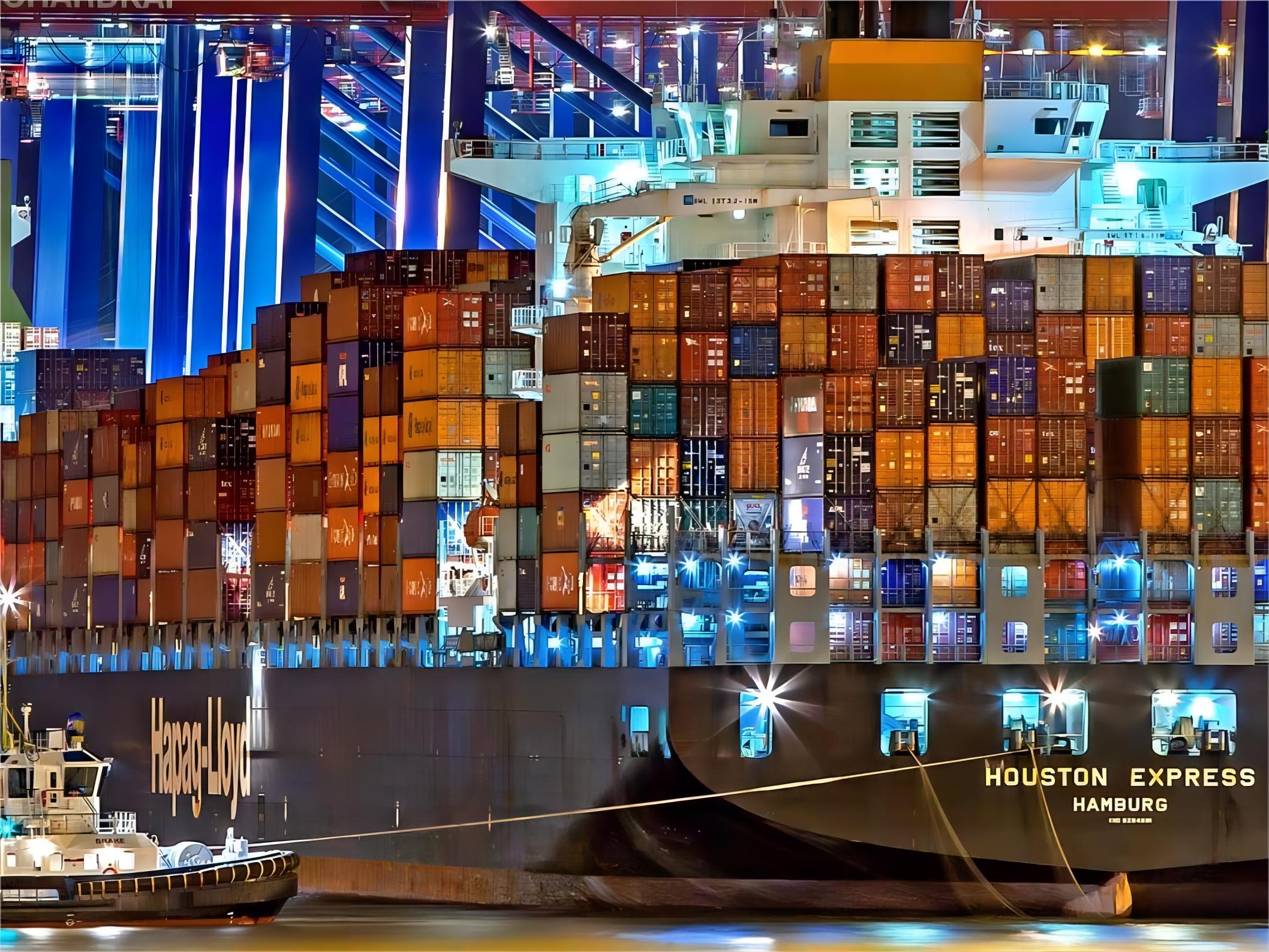
FCL, or Full Container Load, means your cargo occupies an entire container, either 20GP, 40GP, or 40HQ. Your goods are not consolidated with other shippers’ items, ensuring exclusive use of the space. This method is ideal for substantial shipments.
Choosing FCL shipping from China to Italy offers numerous advantages for high-volume or sensitive goods. It significantly reduces handling, minimizing damage or loss risks. Moreover, FCL typically provides faster transit times than LCL, avoiding consolidation delays.

Furthermore, FCL provides greater security and control over your shipment. The container is sealed at origin and remains sealed until destination. This method is often more economical per cubic meter for larger shipments, making it a preferred choice for many importers.
Understanding FCL Shipping Costs from China to Italy
FCL shipping costs from China to Italy depend on several factors. These include container size, specific ports of loading and discharge, and current market conditions. Fuel surcharges, seasonal demand, and carrier capacity also influence pricing fluctuations.
Typically, a 20GP container from major Chinese ports to Italy might range from $1,800 to $2,500. A 40GP container usually costs $2,800-$3,800, while a 40HQ could be $3,000-$4,200. These figures, as of early 2025, are subject to change.
Beyond base ocean freight, various surcharges and fees apply. These include Terminal Handling Charges (THC) at both ends, documentation fees, and customs clearance. Local transport in China and Italy, plus cargo insurance, add to the total landed cost.
Therefore, obtaining a detailed quote from a reliable freight forwarder is essential for accurate budgeting. Factors like port congestion or unexpected surcharges can impact your final invoice. Always request a breakdown of all potential costs for transparency.
| Container Type | Typical Ocean Freight Cost (USD) | Estimated Transit Time (Days) | Best For |
|---|---|---|---|
| 20GP (20ft General Purpose) | $1,800 – $2,500 | 28 – 35 | Smaller, heavier goods; up to 28 CBM |
| 40GP (40ft General Purpose) | $2,800 – $3,800 | 28 – 35 | Larger, lighter goods; up to 58 CBM |
| 40HQ (40ft High Cube) | $3,000 – $4,200 | 28 – 35 | Bulky, light goods; maximum volume up to 68 CBM |

FCL Transit Times and Routes from China to Italy
Transit time for FCL shipping from China to Italy typically ranges from 28 to 35 days for direct services. This varies by specific loading port in China and destination port in Italy. Major Chinese ports offer more frequent sailings.
Key Italian ports like Genoa, Livorno, and Naples are crucial entry points for goods from Asia. Direct routes are generally faster. Transshipment through hubs like Singapore or Port Klang may add 5-7 days to the total journey, impacting your delivery schedule.
Several factors can influence these transit times. Peak shipping seasons, holidays, and Q4 can lead to port congestion and vessel delays. Weather, customs inspections, or carrier capacity issues may also extend expected delivery. Planning ahead is advisable.
For urgent shipments, air freight offers speed, despite higher costs. However, ocean freight remains standard for FCL due to cost-effectiveness and capacity. Monitoring your shipment’s progress with your freight forwarder provides valuable updates, ensuring timely arrivals.
Essential Documents and Customs Clearance for Italy Imports
Successful FCL shipping from China to Italy demands accurate and complete documentation. Proper paperwork ensures smooth customs clearance and avoids unnecessary delays or penalties. Therefore, meticulous preparation is non-negotiable for all importers.
Key documents include the Commercial Invoice, detailing goods and value, and the Packing List, providing inventory and dimensions. A Bill of Lading (B/L) serves as a contract of carriage and title to the goods, crucial for release.
Other crucial documents might involve a Certificate of Origin, proving manufacturing location, and an Insurance Certificate. Depending on product type, specific licenses or permits may be required, especially for regulated items like electronics or food products.
Customs clearance in Italy involves submitting documents to the Italian Customs Agency and paying duties/VAT. Engaging a professional customs brokerage service streamlines this process. Their expertise navigates complex regulations, preventing errors and accelerating goods release.
| Document | Purpose | Issued By | Notes |
|---|---|---|---|
| Commercial Invoice | Details goods, value, terms of sale | Seller/Exporter | Crucial for customs valuation |
| Packing List | Itemized list of contents, weights, dimensions | Seller/Exporter | Aids in cargo verification |
| Bill of Lading (B/L) | Contract of carriage, title to goods | Carrier/Forwarder | Essential for cargo release |
| Certificate of Origin | Proof of country of manufacture | Chamber of Commerce | May impact duties under trade agreements |
| Customs Declaration | Formal declaration of imported goods | Importer/Broker | Submitted to Italian Customs Agency |
How Does FCL Shipping Compare to Other Shipping Options?
Understanding FCL shipping relative to other methods is vital for informed decision-making. Importers weigh FCL against LCL, air freight, and sometimes rail freight. Each option presents distinct trade-offs in cost, speed, and suitability for specific scenarios.
LCL suits smaller shipments not filling a container but involves more handling and longer transit. Air freight offers unparalleled speed but at significantly higher cost, ideal for urgent, high-value, low-volume goods. Rail freight, while an option for Europe, is less direct or cost-effective for Italian FCL volumes.
Considering these alternatives helps optimize your logistics strategy. A hybrid solution, combining FCL for bulk items and express service for samples, balances cost and speed. Evaluating your specific needs against each method’s strengths is crucial for efficiency.
Note: Freight rates are subject to change based on fuel costs, carrier capacity, and seasonal demand. Contact us for a current quote tailored to your specific shipment.
| Shipping Method | Cost Range (China-Italy) | Transit Time (Days) | Best For | Limitations |
|---|---|---|---|---|
| FCL Sea Freight | $1,800 – $4,200 per container | 28 – 35 | Large volumes, cost-efficiency, security | Slower than air/rail |
| LCL Sea Freight | $50 – $120 per CBM | 35 – 45 | Smaller shipments (under 15 CBM), budget-conscious | Longer transit, more handling |
| Air Freight | $5 – $10 per kg | 3 – 7 | Urgent, high-value, perishable goods | High cost, volume/weight restrictions |
| Rail Freight | $6,000 – $10,000 per container | 18 – 25 | Time-sensitive, medium-volume, landlocked regions | Limited direct routes to Italy, costlier than sea |
Which FCL Shipping Option Should You Choose?
Selecting the optimal FCL shipping strategy requires careful consideration of several key criteria. Your decision should align with business priorities, whether emphasizing budget, speed, or specific cargo requirements. Understanding these trade-offs is fundamental for an efficient supply chain.
If budget is primary, FCL sea freight is the most economical choice for large, non-time-sensitive shipments. Its lower per-unit cost makes it ideal. Conversely, if speed is paramount and margins allow, air freight is the undisputed winner, despite volume limitations.
Cargo type also plays a significant role. Fragile or high-value goods benefit from FCL’s reduced handling. Perishable items necessitate faster transit, often via air. For shipments over 15 CBM, FCL generally offers better value than LCL, especially for door to door solutions.
Consider hybrid solutions for enhanced flexibility. Ship bulk via FCL and urgent portions via air freight. This balances cost-efficiency with speed for critical components. Ultimately, a strategic blend of methods optimizes overall logistics performance and delivery schedule.
Real-World FCL Shipping Scenarios: China to Italy
Examining actual case studies provides practical insights into FCL shipping operations. These examples highlight typical costs, transit times, and potential challenges. They offer a realistic perspective for importers, based on Q3 2024 market rates.
Case Study 1: Furniture Import for a Retailer
This case highlights a smooth FCL operation for a furniture retailer, showcasing typical costs and transit times for a 40GP container.
| Detail | Value |
|---|---|
| Route | Shanghai, China Genoa, Italy |
| Cargo | Wooden furniture, 55 CBM, 8,000 kg |
| Container | 1 x 40GP |
| Shipping Details | Carrier: COSCO, Port of Loading: Shanghai, Port of Discharge: Genoa, Route Type: Direct |
| Ocean Freight | $3,200 |
| Origin Charges | $350 (THC, documentation) |
| Destination Charges | $400 (THC, DDC) |
| Customs & Duties (estimated) | $700 |
| Total Landed Cost | $4,650 |
| Booking to Loading | 5 days |
| Sea Transit | 30 days |
| Customs Clearance | 3 days |
| Total Door-to-Door | 38 days |
| Key Insight | Smooth process; direct route minimized transit time. Q3 rates were stable. |
Case Study 2: Machinery Components for Manufacturing
An example of industrial machinery parts import, this scenario demonstrates FCL shipping in a 20GP container and highlights potential minor delays.
| Detail | Value |
|---|---|
| Route | Ningbo, China Livorno, Italy |
| Cargo | Industrial machinery parts, 25 CBM, 12,000 kg |
| Container | 1 x 20GP |
| Shipping Details | Carrier: MSC, Port of Loading: Ningbo, Port of Discharge: Livorno, Route Type: Direct |
| Ocean Freight | $2,100 |
| Origin Charges | $300 (THC, documentation) |
| Destination Charges | $380 (THC, DDC) |
| Customs & Duties (estimated) | $550 |
| Total Landed Cost | $3,330 |
| Booking to Loading | 7 days |
| Sea Transit | 32 days |
| Customs Clearance | 4 days |
| Total Door-to-Door | 43 days |
| Key Insight | Heavier cargo required careful loading; slight delay due to port congestion at Livorno. |
Case Study 3: Seasonal Apparel Import
This seasonal apparel import illustrates a 40HQ shipment, including the impact of transshipment and peak season rates on the overall timeline and cost.
| Detail | Value |
|---|---|
| Route | Shenzhen, China Naples, Italy |
| Cargo | Textile and apparel, 60 CBM, 10,000 kg |
| Container | 1 x 40HQ |
| Shipping Details | Carrier: Maersk, Port of Loading: Shenzhen, Port of Discharge: Naples, Route Type: Transshipment via Port Said |
| Ocean Freight | $3,800 |
| Origin Charges | $360 (THC, documentation) |
| Destination Charges | $420 (THC, DDC) |
| Customs & Duties (estimated) | $850 |
| Total Landed Cost | $5,430 |
| Booking to Loading | 6 days |
| Sea Transit | 38 days |
| Customs Clearance | 3 days |
| Total Door-to-Door | 47 days |
| Key Insight | Transshipment added 5 days; Q4 peak season rates were 15% higher than off-peak. |
Optimizing Your FCL Supply Chain from China to Italy
Effective supply chain management is crucial for maximizing efficiency and minimizing costs in FCL shipping. Strategic planning and leveraging experienced partners significantly enhance import operations. Consider long-term partnerships with reliable freight forwarders.
Firstly, consolidate orders to ensure full container utilization. Shipping a partially empty container negates FCL’s cost benefits. Coordinating with suppliers to fill a 20GP, 40GP, or 40HQ container is a smart move, streamlining inventory management.
Secondly, negotiate favorable Incoterms with suppliers. FOB terms offer more control over carrier selection and freight rates. EXW places more responsibility on you but offers maximum control. Furthermore, consider cargo insurance for protection during transit.
Finally, utilize advanced tracking and communication tools. Real-time visibility into your shipment’s status helps proactively address potential delays. China Top Freight offers comprehensive sea freight and Amazon FBA support, ensuring seamless FCL shipping from China to Italy.
Seamless FCL Shipping from China to Italy
In conclusion, FCL shipping from China to Italy is a robust and efficient solution for businesses importing large volumes of goods. Understanding the intricacies of costs, transit times, documentation, and customs clearance is paramount for success. Moreover, comparing FCL with other shipping methods and optimizing your supply chain are crucial steps.
By partnering with an experienced and reliable freight forwarder, you can navigate these complexities with confidence. This ensures your cargo arrives safely, on time, and within budget. Ultimately, a well-managed FCL shipping strategy contributes significantly to your business’s profitability and operational efficiency.
Ready to streamline your FCL shipping from China to Italy? Our expert team provides personalized solutions and competitive quotes tailored to your specific cargo and timeline. Contact us today to discuss your logistics needs and ensure a seamless shipping experience.
Request Quote