

Reefer FCL Freight Rate for Textiles from China to Miami
Navigating the complexities of international shipping for temperature-sensitive goods like textiles requires careful planning and precise execution. Importers seeking a reliable reefer FCL freight rate for textiles from China to Miami often face challenges related to cost fluctuations, transit times, and specialized handling. This comprehensive guide, brought to you by China Top Freight, aims to demystify the process and provide actionable insights for securing optimal shipping solutions. We will explore key factors influencing costs and offer strategies for efficient logistics.
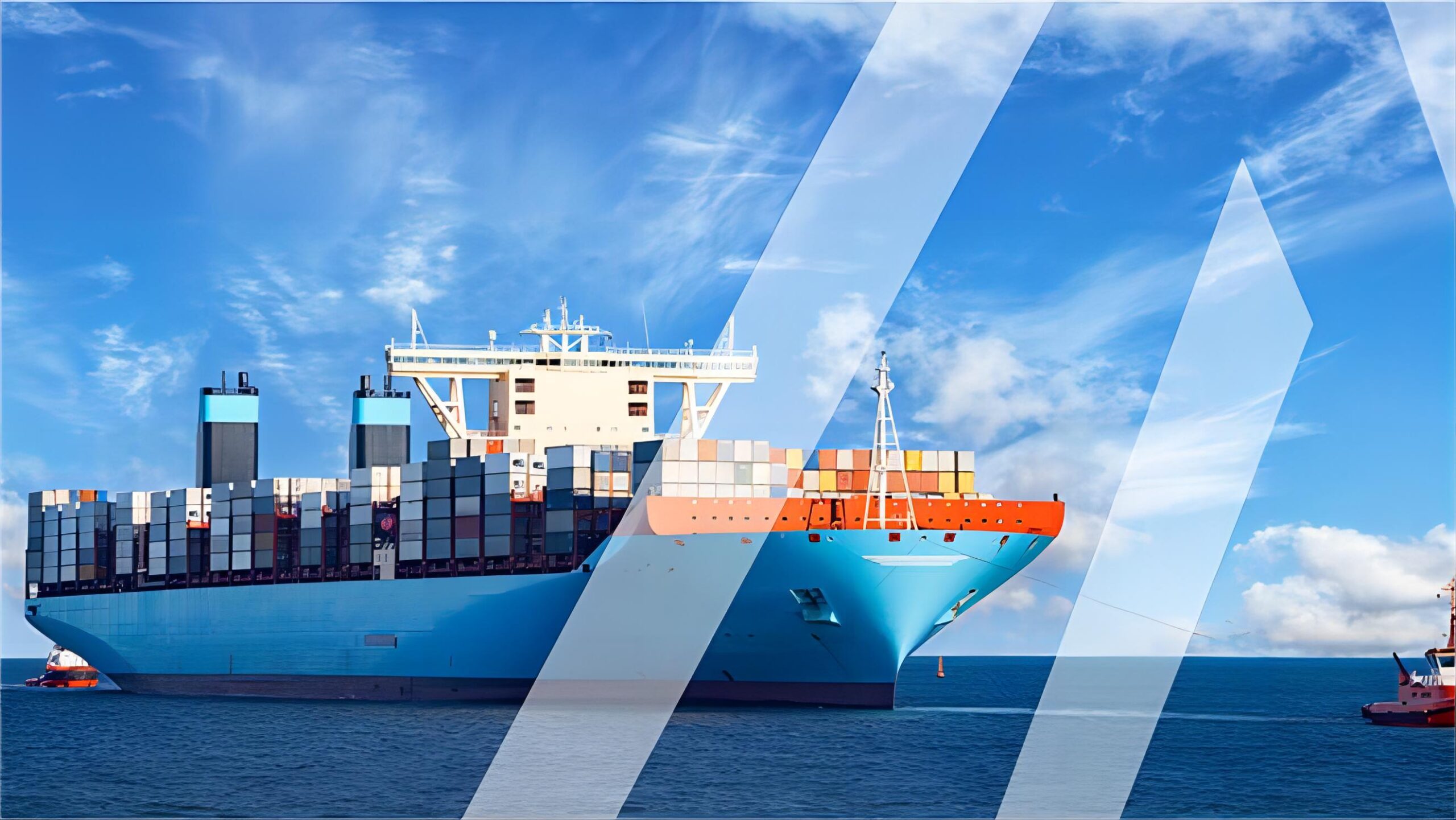
What is Reefer FCL Freight and Why is it Essential for Textiles?
Many textiles, particularly high-value or delicate fabrics, require specific temperature and humidity conditions during transit. Reefer, or refrigerated, containers maintain these precise environments, preventing damage from moisture, extreme heat, or cold. Therefore, choosing reefer FCL (Full Container Load) ensures your sensitive cargo remains protected throughout its journey.
FCL means your goods occupy an entire container, offering dedicated space and minimizing handling risks compared to shared shipments. This method is particularly beneficial for larger volumes, guaranteeing cargo integrity from origin to destination. Ultimately, it provides greater control over your textile supply chain.
What Factors Determine Your Reefer FCL Freight Rate for Textiles from China to Miami?
Several critical elements contribute to the overall reefer FCL freight rate for textiles from China to Miami. These include the origin port in China, the specific destination in Miami, and current market conditions. Furthermore, the type and size of the reefer container also play a significant role.
Seasonality heavily impacts shipping costs, with peak seasons like Chinese New Year and pre-holiday rushes often leading to higher rates. Fuel surcharges, port congestion, and carrier availability also cause fluctuations. Understanding these variables is crucial for effective budgeting and planning.
Additionally, the chosen shipping line’s reputation and service level can affect pricing. Some carriers offer premium services with faster transit times or better equipment, which typically come at a higher cost. It is advisable to compare multiple quotes to find the best value. Market data suggests rates can vary significantly.
Breaking Down the Costs: What’s Included in Your Reefer FCL Rate?
Beyond the base ocean freight, several other charges contribute to the total landed cost of your textile shipment. These typically include origin charges, destination charges, and customs duties. Understanding each component helps in transparent budgeting and avoiding unexpected expenses.
Origin charges cover terminal handling, documentation, and local transport in China. Conversely, destination charges in Miami involve terminal handling, drayage, and potential warehousing fees. Customs brokerage fees and import duties are also significant considerations for textile imports.
Furthermore, specialized services like pre-cooling, monitoring, and genset rental for power supply to the reefer container add to the overall expense. Always request a comprehensive quote to understand all potential costs. For streamlined imports, consider professional customs brokerage services.
| Cost Component | Description | Estimated Range (USD) |
|---|---|---|
| Ocean Freight (40HQ Reefer) | Port-to-port shipping | $4,500 – $6,500 |
| Origin Charges | THC, Documentation, Export Clear | $400 – $700 |
| Genset Rental | Power for reefer container | $150 – $250 |
| Destination Charges | THC, Drayage, ISF Filing | $800 – $1,200 |
| Customs Brokerage | Clearance fees in USA | $250 – $450 |
| Import Duties/Taxes | Based on HTS code, value | Varies (0-30% of value) |
| Total Estimated | Landed Cost (Excl. Duties) | $6,100 – $9,100 |
How Long Does Reefer FCL Take from China to Miami?
The transit time for a reefer FCL shipment from China to Miami typically ranges from 30 to 38 days. This duration primarily depends on the specific port of loading in China and the chosen shipping line’s schedule. Direct services usually offer faster transit times.
Major Chinese ports such as Shanghai, Ningbo, and Shenzhen are common departure points for textile cargo. Miami, as a key entry point to Florida and the Southeast, receives regular vessel calls. However, transshipment routes, though sometimes cheaper, can add several days to the journey.
Port congestion, adverse weather conditions, and customs processing times can all impact the final delivery schedule. Therefore, it is essential to build in buffer time when planning your textile supply chain. Timely door-to-door service can mitigate these potential delays effectively.
Real-World Examples: Reefer FCL Freight for Textiles to Miami
Examining real-world case studies provides practical insights into the complexities and costs associated with shipping temperature-sensitive textiles. These examples illustrate various scenarios and outcomes for reefer FCL freight from China to Miami, showcasing different strategies and challenges.
Based on Q3 2024 market rates, these cases highlight how factors like cargo type, routing, and carrier choice influence the total landed cost and transit time. They demonstrate the importance of meticulous planning for successful textile logistics.
Case Study 1: High-Value Silk Fabrics
This shipment prioritized speed and cargo integrity for delicate silk fabrics. Opting for a direct service minimized transit time and handling, ensuring the high-value textiles arrived in pristine condition, thus justifying the higher cost for specialized reefer FCL freight.
| Detail | Description |
|---|---|
| Route | Shanghai, China -> Miami, USA |
| Cargo | High-end silk fabrics, 25 CBM, 4,500 kg |
| Container | 40HQ Reefer |
| Carrier/Service | COSCO (Direct Service) |
| Port of Loading | Shanghai |
| Port of Discharge | Miami |
| Route Type | Direct |
| Ocean Freight | $5,800 |
| Origin Charges | $620 |
| Genset Rental | $200 |
| Destination Charges | $950 |
| Customs & Duties (estimated) | $1,800 |
| Total Landed Cost | $9,370 |
| Booking to Loading | 5 days |
| Sea Transit | 32 days |
| Customs Clearance | 3 days |
| Total Door-to-Door | 40 days |
Case Study 2: Bulk Cotton Apparel Blends
This client opted for a slightly longer transit time via transshipment to achieve a more competitive reefer FCL freight rate. Careful monitoring and communication were essential to manage potential delays at the transshipment port and ensure cargo integrity for the bulk apparel blends.
| Detail | Description |
|---|---|
| Route | Ningbo, China -> Miami, USA |
| Cargo | Bulk cotton apparel blends, 55 CBM, 10,000 kg |
| Container | 40HQ Reefer |
| Carrier/Service | MSC (Transshipment via Panama) |
| Port of Loading | Ningbo |
| Port of Discharge | Miami |
| Route Type | Transshipment via Balboa, Panama |
| Ocean Freight | $4,900 |
| Origin Charges | $580 |
| Genset Rental | $180 |
| Destination Charges | $1,100 |
| Customs & Duties (estimated) | $2,200 |
| Total Landed Cost | $8,960 |
| Booking to Loading | 7 days |
| Sea Transit | 36 days |
| Transshipment Delay | 4 days |
| Customs Clearance | 4 days |
| Total Door-to-Door | 51 days |
Case Study 3: Specialized Technical Fabrics
The client required strict temperature and humidity control for their high-tech fabrics. Paying a premium for a reliable direct carrier ensured product integrity, highlighting the value of specialized reefer FCL freight for sensitive textile cargo with critical performance characteristics.
| Detail | Description |
|---|---|
| Route | Shenzhen, China -> Miami, USA |
| Cargo | Specialized technical fabrics, 28 CBM, 6,000 kg |
| Container | 40HQ Reefer |
| Carrier/Service | Maersk (Direct Service) |
| Port of Loading | Shenzhen |
| Port of Discharge | Miami |
| Route Type | Direct |
| Ocean Freight | $6,100 |
| Origin Charges | $650 |
| Genset Rental | $210 |
| Destination Charges | $1,050 |
| Customs & Duties (estimated) | $2,500 |
| Total Landed Cost | $10,510 |
| Booking to Loading | 6 days |
| Sea Transit | 33 days |
| Customs Clearance | 3 days |
| Total Door-to-Door | 42 days |
How Does Reefer FCL Freight Compare to Other Shipping Options?
While reefer FCL is often ideal for temperature-sensitive textile imports, other shipping methods might be suitable depending on your priorities. Comparing these options helps in making an informed decision for your supply chain. Factors like cost, speed, and cargo volume are crucial considerations.
For instance, air freight offers unparalleled speed but comes at a significantly higher cost. Conversely, standard dry container FCL or LCL is cheaper but lacks temperature control, making it unsuitable for delicate textiles. Therefore, understanding the trade-offs is paramount for efficient logistics.
Consider your specific textile type and its sensitivity to environmental changes. A thorough analysis of your budget and delivery timeline will guide you to the most appropriate solution. Explore sea freight options for cost-effectiveness, especially for large volumes.
| Shipping Method | Cost Range (40HQ Equivalent) | Transit Time | Best For | Limitations |
|---|---|---|---|---|
| Reefer FCL Sea Freight | $4,500 – $6,500 | 30-38 days | Large volumes of temperature-sensitive textiles | Slower than air, requires specialized equipment |
| Air Cargo (Temperature-Controlled) | $15,000 – $25,000 | 5-8 days | Urgent, high-value, critical small shipments | Very high cost, volume/weight restrictions |
| LCL Sea Freight (Reefer Option) | $150 – $250 / CBM | 35-45 days | Smaller volumes of temperature-sensitive textiles | Slower, more handling, less control than FCL |
| Standard FCL Sea Freight | $3,500 – $5,000 | 30-38 days | Non-temperature-sensitive, bulk textiles | No temperature/humidity control, risk of damage |
Optimizing Your Reefer FCL Freight Rate: Alternative Strategies
Even when reefer FCL is necessary, there are ways to optimize your shipping strategy and potentially reduce costs. Planning ahead and leveraging a freight forwarder’s expertise are key for cost-effective logistics. Consider consolidating orders where possible to maximize container utilization.
One alternative approach involves utilizing transshipment routes if transit time is less critical for your textile cargo. While these routes might add a few days, they can sometimes offer a more competitive reefer FCL freight rate. Furthermore, exploring different carriers can reveal varying pricing structures and service levels.
For smaller, urgent textile samples or prototypes, express service or air cargo might be a viable alternative despite the higher unit cost. However, for bulk, temperature-sensitive textiles, FCL reefer remains the most balanced option considering cost and protection.
Another strategy involves careful inventory management to avoid last-minute, high-cost expedited shipments. Booking well in advance, especially during peak seasons, can lock in better rates. Maintaining strong relationships with suppliers also helps in planning and securing favorable terms.
Furthermore, understanding Incoterms is crucial for determining cost responsibility between buyer and seller. Choosing the right Incoterm can significantly impact your overall landed cost and reduce unexpected expenses. Always clarify these terms with your supplier for clarity. Rates typically increase 15-25% during August-October peak season.
Choosing Your Best Shipping Option for China-Miami Textiles
Deciding on the optimal shipping method for your textiles from China to Miami depends on a clear understanding of your priorities. A structured decision framework can guide this choice effectively. Consider budget, speed, and cargo characteristics as primary drivers.
If budget is your primary concern and you have large volumes of temperature-sensitive textiles, reefer FCL sea freight is typically the most cost-effective solution. However, be prepared for longer transit times. This method offers the best balance for bulk imports of delicate fabrics.
Alternatively, if speed is paramount for urgent orders or seasonal collections, temperature-controlled air cargo is the preferred option. This choice, however, comes with a substantial increase in shipping costs. Prioritize critical deliveries and high-value items accordingly.
For smaller volumes of temperature-sensitive goods, LCL reefer might offer a compromise between cost and specialized handling. Nevertheless, it involves more handling and potentially longer transit times than FCL. Evaluate your shipment size carefully before opting for LCL.
Cargo type considerations are also vital; delicate fabrics, natural fibers, or textiles requiring specific humidity levels necessitate reefer containers. Conversely, synthetic, durable materials might tolerate standard conditions if properly packaged. Always assess cargo sensitivity thoroughly. For comprehensive shipping to North America, consult experts.
Finally, volume thresholds play a role. If your shipment approaches 15-20 CBM, FCL generally becomes more economical than LCL, especially when considering the fixed costs involved. Beyond this volume, FCL offers better per-unit pricing and greater control.
Conclusion
In conclusion, securing an optimal reefer FCL freight rate for textiles from China to Miami involves understanding numerous variables, from market dynamics to specialized handling requirements. By carefully evaluating costs, transit times, and alternative shipping methods, importers can make informed decisions. Partnering with an experienced freight forwarder is crucial for navigating these complexities and ensuring the safe, efficient delivery of your temperature-sensitive textile cargo.
Need a tailored shipping solution?
Ready to secure a competitive reefer FCL freight rate for textiles from China to Miami? Our team of experts at China Top Freight specializes in temperature-controlled logistics and can provide tailored solutions. Contact us today for a personalized quote and ensure your valuable textile cargo arrives safely and efficiently.
