

Overland Freight China to Singapore: Your Complete Shipping Guide
Navigating freight from China to Singapore requires careful planning and expertise. Many businesses search for “overland freight” solutions; however, the most practical and efficient routes primarily involve sea and air transport due to geographical realities. This guide from China Top Freight provides comprehensive insights into optimizing your shipping strategy, ensuring timely and cost-effective delivery for your cargo. We will explore the best options for your China to Singapore freight needs.
What Are the Primary Freight Routes from China to Singapore?
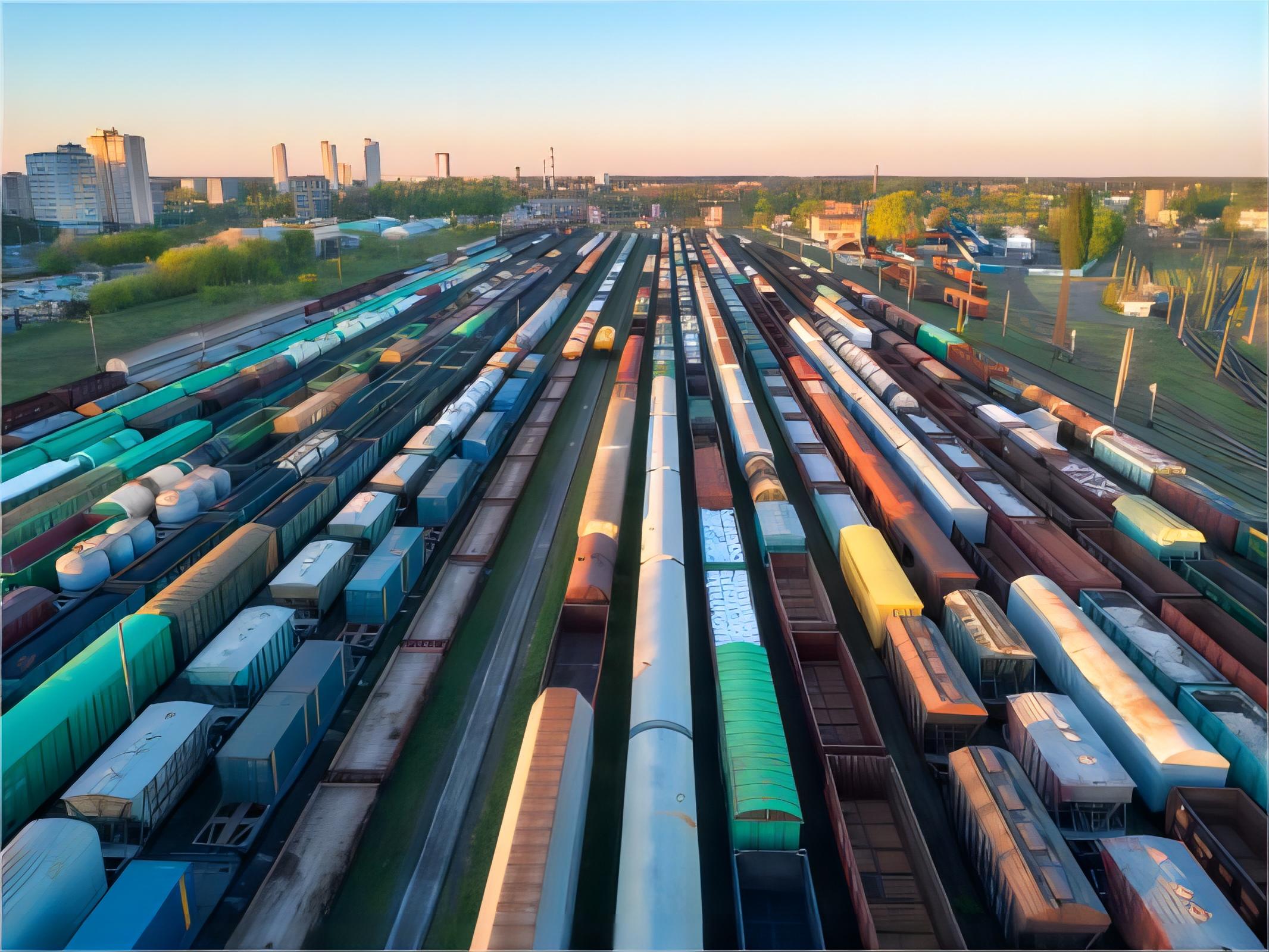
While the term “overland freight China to Singapore” is often searched, a direct overland route by road or rail for the entire journey is not standard. Singapore is an island nation, therefore, the primary modes of transport from mainland China involve either sea or air. These methods offer distinct advantages depending on your shipment’s urgency and budget.
Consequently, understanding the nuances of sea and air freight is crucial for effective logistics planning. Multimodal solutions, however, can integrate land transport within China or Southeast Asia before the main sea leg. This approach optimizes various stages of your supply chain.
Why Choose Sea Freight for Your China to Singapore Shipments?
Sea freight remains the most economical option for shipping goods from China to Singapore, especially for large volumes or heavy cargo. It offers significant cost savings compared to air freight, making it ideal for non-urgent shipments. Many businesses, therefore, prefer this method for bulk goods.
Moreover, sea freight accommodates various cargo types, including oversized items and hazardous materials, which might be restricted by air transport. You can choose between Full Container Load (FCL) or Less than Container Load (LCL) depending on your volume. Consequently, this flexibility makes it a popular choice.
Full Container Load (FCL) vs. Less than Container Load (LCL)
FCL involves shipping your goods in a dedicated container, typically 20-foot or 40-foot. This option provides greater security, faster transit, and reduced handling, as your cargo is not consolidated with others. Indeed, it’s best for shipments exceeding 15 CBM.
LCL, on the other hand, allows you to share container space with other shippers, paying only for the volume your cargo occupies. This is a cost-effective solution for smaller shipments that don’t fill an entire container. However, transit times can be longer due to consolidation and deconsolidation processes.
What Factors Influence Sea Freight Costs and Transit Times?
Several factors significantly impact sea freight costs and transit times from China to Singapore. These include the volume and weight of your cargo, the chosen port of loading in China, and the specific shipping line or carrier. Furthermore, seasonal demand and fuel surcharges can introduce fluctuations.
Transit times typically range from 7 to 15 days, depending on the directness of the route and potential transshipment points. Direct services from major Chinese ports like Shanghai or Shenzhen are generally faster. Port congestion, however, can cause unexpected delays.
| Port of Origin (China) | Port of Destination (Singapore) | Average Transit Time (Days) |
|---|---|---|
| Shanghai | Singapore | 9-12 |
| Ningbo | Singapore | 8-11 |
| Shenzhen | Singapore | 7-10 |
| Guangzhou | Singapore | 7-10 |
When is Air Freight the Best Option for China to Singapore?
Air freight offers the fastest shipping solution from China to Singapore, making it indispensable for urgent deliveries, high-value goods, or time-sensitive products. When speed is paramount, air cargo significantly reduces transit times compared to sea freight. Therefore, it is often chosen for perishable items or just-in-time inventory.
While considerably more expensive than sea freight, air transport provides enhanced security and reduced risk of damage. It is particularly suitable for smaller, lighter shipments where the cost per kilogram is justified by the speed. Additionally, express services can offer door-to-door delivery within days.
Air Freight Cost Factors
Air freight costs are primarily determined by the chargeable weight of your shipment, which is either the actual gross weight or the volumetric weight, whichever is greater. Other factors include the origin and destination airports, the airline chosen, and any additional services like customs clearance or pick-up/delivery.
Moreover, peak seasons and fuel surcharges can lead to fluctuating rates. Booking in advance and consolidating shipments where possible can help manage costs. Always compare rates from multiple carriers to secure the best deal for your time-critical cargo.
What Customs Requirements Apply to China to Singapore Shipments?
Navigating customs procedures is a critical aspect of shipping from China to Singapore. Both countries have specific import and export regulations that must be meticulously followed to avoid delays and penalties. Proper documentation is, therefore, essential for smooth clearance.
Singapore, as a major trade hub, has efficient customs processes, but importers must ensure all duties and taxes are paid correctly. Engaging an experienced customs broker can significantly streamline this complex process. Customs brokerage services are invaluable for compliance.
| Document Type | Purpose |
|---|---|
| Commercial Invoice | Details of goods, value, seller, buyer |
| Packing List | Contents of each package, weight, dimensions |
| Bill of Lading (Sea) / Air Waybill (Air) | Contract of carriage, title to goods |
| Certificate of Origin | Country where goods were manufactured |
| Export/Import Licenses | Required for certain regulated goods |
How Does Freight from China to Singapore Compare to Other Options?
Choosing the right shipping method for your China to Singapore route depends on a careful evaluation of cost, speed, cargo type, and reliability. There is no one-size-fits-all solution; consequently, a balanced approach often yields the best results. Consider these comparisons to inform your decision.
For instance, while sea freight offers the lowest cost, its longer transit time might not suit urgent inventory needs. Conversely, air freight provides unparalleled speed but comes with a premium price tag. Understanding these trade-offs is key to optimizing your supply chain.
| Shipping Method | Cost Range (per kg/CBM) | Transit Time | Best For | Limitations |
|---|---|---|---|---|
| Sea Freight (LCL) | $50-90/CBM | 7-15 days | Non-urgent, bulk, heavy, low-value goods | Slower, potential delays, more handling |
| Sea Freight (FCL) | $1,200-2,500/20GP | 7-12 days | Large volumes, dedicated container, better security | Still slower than air, requires full container |
| Air Freight (Standard) | $4-8/kg | 3-7 days | Urgent, high-value, perishable, smaller shipments | High cost, volumetric weight limits, less capacity for large/heavy |
| Express Service | $7-12/kg | 1-3 days | Very urgent, small parcels, samples, documents | Highest cost, strict size/weight limits |
Which Option Should You Choose?
Budget Priority: If minimizing shipping costs is your top concern for your overland freight China to Singapore, sea freight, particularly LCL for smaller volumes or FCL for larger ones, is generally the most economical choice. You can save significantly, albeit with longer transit times.
Speed Priority: For time-critical shipments, air freight or express service is indispensable. This is ideal for products with short shelf lives, urgent replacements, or tight production deadlines. The higher cost is often justified by rapid delivery.
Cargo Type Considerations: Oversized or heavy machinery, raw materials, and non-perishable bulk items are best suited for sea freight. However, delicate electronics, pharmaceuticals, or fashion items often benefit from the quicker, more secure transit of air freight.
Volume Thresholds: For shipments under 15 CBM, LCL sea freight offers excellent value. Once your cargo approaches or exceeds 15 CBM, upgrading to FCL often becomes more cost-effective. For very small, urgent parcels, express air freight is unbeatable.
Can Multimodal Solutions Optimize Your China to Singapore Freight?
Multimodal transport combines different modes of carriage under a single contract, offering a flexible and often efficient solution for “overland freight China to Singapore” challenges. This could involve truck or rail transport within China to a port, followed by sea freight to Singapore. Such approaches can balance speed and cost.
For example, you might use rail freight from inland China to a coastal port, then switch to sea freight. This hybrid approach can cut costs compared to pure air freight and reduce transit times versus pure sea freight from deeper inland origins. It requires careful coordination and planning.
Furthermore, door-to-door services simplify the entire logistics process. A single provider manages all aspects, from pickup at the supplier’s factory in China to final delivery at your warehouse in Singapore. This minimizes administrative burden and offers greater transparency.
Successful Freight Shipments from China to Singapore
Understanding real-world scenarios can illuminate the complexities and successful strategies involved in shipping from China to Singapore. These case studies highlight how different shipping methods are chosen based on specific business needs, cargo characteristics, and market conditions. They offer practical insights into optimizing your “overland freight China to Singapore” operations.
Based on Q3 2024 market rates, these examples demonstrate typical costs and transit times. They underscore the importance of selecting the right logistics partner to navigate potential challenges like port congestion or customs clearance efficiently.
Case Study 1: Urgent Electronics Components
A tech company in Singapore needed a critical batch of electronic components from Shenzhen, China, to meet a production deadline. Speed was the absolute priority, despite the higher cost.
The solution involved leveraging air freight with an express service, ensuring the components arrived well within the required timeframe and preventing costly production downtime. This illustrates how premium services can justify their expense.
| Field | Value |
|---|---|
| Route | Shenzhen, China -> Singapore |
| Cargo | Electronics Components, 0.5 CBM, 150 kg |
| Container | Air Cargo Pallet (LCL equivalent) |
| Shipping Details | Carrier/Service: Major airline (e.g., Singapore Airlines Cargo) |
| Port of Loading: Shenzhen Bao’an International Airport (SZX) | |
| Port of Discharge: Changi Airport (SIN) | |
| Route Type: Direct Air Freight | |
| Cost Breakdown | Air Freight: $900 ($6/kg) |
| Origin Charges (Handling, Documentation): $150 | |
| Destination Charges (Handling, Customs Clearance): $100 | |
| Customs & Duties (estimated): $50 (low value) | |
| Total Landed Cost: $1,200 | |
| Timeline | Booking to Loading: 1 day |
| Air Transit: 2 days | |
| Customs Clearance: 1 day | |
| Total Door-to-Door: 4 days | |
| Key Insight | Speed was paramount; air express prevented production line stoppage. |
Case Study 2: Bulk Textile Imports
A fashion retailer in Singapore regularly imports large quantities of textiles from a supplier in Ningbo, China. Cost-effectiveness and consistent supply were key, with a reasonable lead time.
FCL sea freight was chosen for its optimal balance of cost and capacity. Despite the longer transit time, the predictable schedule allowed for effective inventory management and significant savings.
| Field | Value |
|---|---|
| Route | Ningbo, China -> Singapore |
| Cargo | Textiles (fabric rolls), 25 CBM, 8,000 kg |
| Container | 20GP FCL |
| Shipping Details | Carrier/Service: Major carrier (e.g., COSCO) |
| Port of Loading: Ningbo-Zhoushan Port | |
| Port of Discharge: Port of Singapore | |
| Route Type: Direct Sea Freight | |
| Cost Breakdown | Ocean Freight: $1,800 (for 20GP) |
| Origin Charges (THC, documentation): $250 | |
| Destination Charges (THC, delivery): $300 | |
| Customs & Duties (estimated): $450 | |
| Total Landed Cost: $2,800 | |
| Timeline | Booking to Loading: 3 days |
| Sea Transit: 9 days | |
| Customs Clearance: 2 days | |
| Total Door-to-Door: 14 days | |
| Key Insight | FCL sea freight provided the best cost per unit for bulk, non-urgent goods. |
Case Study 3: Consolidated Small Goods from Multiple Suppliers
An e-commerce business in Singapore sourced small batches of various products from multiple suppliers across China (e.g., Guangzhou, Yiwu). They needed a cost-effective way to consolidate these smaller “overland freight China to Singapore” shipments into a single delivery.
The solution involved LCL sea freight consolidation. Goods were collected from different suppliers, consolidated at a warehouse in Guangzhou, and then shipped together. This significantly reduced individual shipping costs.
| Field | Value |
|---|---|
| Route | Guangzhou, China -> Singapore |
| Cargo | Mixed small goods (toys, gadgets, apparel), 8 CBM, 2,500 kg |
| Container | LCL (shared container space) |
| Shipping Details | Carrier/Service: Freight forwarder consolidation |
| Port of Loading: Guangzhou Port | |
| Port of Discharge: Port of Singapore | |
| Route Type: Consolidated LCL Sea Freight | |
| Cost Breakdown | Ocean Freight: $640 ($80/CBM) |
| Origin Charges (Collection, Consolidation, Documentation): $350 | |
| Destination Charges (Deconsolidation, Delivery): $280 | |
| Customs & Duties (estimated): $200 | |
| Total Landed Cost: $1,470 | |
| Timeline | Booking to Loading: 5 days (due to multiple pickups) |
| Sea Transit: 10 days | |
| Customs Clearance: 3 days | |
| Total Door-to-Door: 18 days | |
| Key Insight | LCL consolidation proved highly cost-effective for multiple small shipments. |
What Are the Current Market Trends Affecting China to Singapore Freight?
As of Q1 2025, freight rates from China to Singapore have largely stabilized following global supply chain disruptions. However, factors like geopolitical events, fuel price volatility, and port congestion can still influence pricing and transit times. Staying informed about these trends is crucial.
Industry average for this route indicates a continued demand for efficient logistics solutions. Market data suggests a growing preference for reliable carriers and comprehensive services, including Amazon FBA logistics, as e-commerce expands rapidly.
Seasonal patterns also play a role, with rates typically increasing 15-25% during August-October peak season leading up to holidays. Planning shipments outside these periods or booking well in advance can help mitigate higher costs.
Navigating Your China to Singapore Freight Successfully
In summary, while the concept of “overland freight China to Singapore” primarily translates to sea and air transport, understanding the nuances of each method is vital. Choosing between FCL, LCL, air cargo, or express services depends on your specific needs regarding cost, speed, and cargo characteristics. Effective planning and reliable logistics partners are paramount.
Ultimately, a well-executed freight strategy from China to Singapore can significantly enhance your supply chain efficiency and profitability. By carefully considering all options and leveraging expert services, businesses can overcome challenges and ensure smooth, timely delivery of goods.
Ready to streamline your logistics?
Ready to optimize your overland freight China to Singapore operations? Do not hesitate to contact China Top Freight for a tailored shipping solution. Our experts are prepared to provide a competitive quote and ensure your cargo reaches Singapore efficiently and reliably.
Request Quote