

Customs Clearance China to Australia: Your Guide to Smooth Imports
“Navigating customs clearance from China to Australia can seem complex, yet it is a crucial step for successful international trade. Importers often face challenges with documentation, duties, and ever-changing regulations. This comprehensive guide simplifies the process, ensuring your goods move smoothly from China to their Australian destination.”
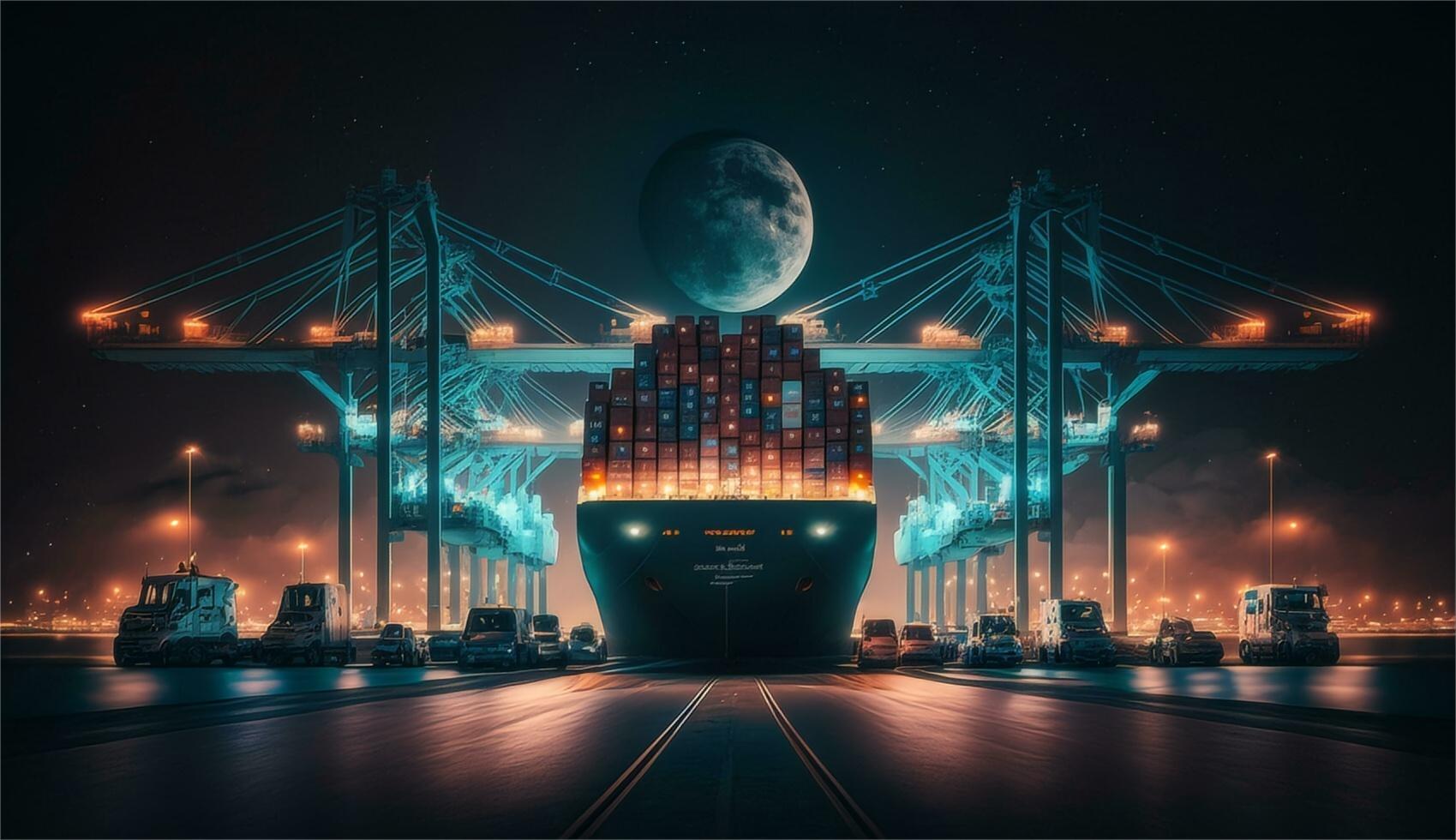
What is Customs Clearance for China to Australia Shipping?
❖Customs clearance is the mandatory process of obtaining permission from the Australian Border Force (ABF) to import goods. Essentially, it ensures that all incoming cargo complies with local laws, regulations, and tax obligations.
This procedure involves submitting accurate documentation, paying applicable duties and taxes, and adhering to specific import requirements. Consequently, smooth clearance prevents delays and potential penalties for your shipments.
Key Documents Required for Australian Imports from China
❖Proper documentation is paramount for efficient customs clearance. Missing or incorrect paperwork can lead to significant delays and storage fees. Therefore, preparing these documents meticulously is essential for every shipment.
Furthermore, Australian customs officials strictly review all submissions. Ensuring accuracy and completeness from the outset significantly streamlines the import process.
| Document Name | Purpose | Key Information |
|---|---|---|
| Commercial Invoice | Details of goods, value, and terms of sale. | Seller/Buyer details, HS Code, unit price, total value. |
| Packing List | Itemizes contents of each package/container. | Quantity, weight, dimensions, package marks. |
| Bill of Lading (B/L) / Air Waybill (AWB) | Contract of carriage and title to goods. | Consignor, consignee, notify party, port details, cargo description. |
| Certificate of Origin | Verifies country of manufacture. | Country of export, country of origin, product description. |
| Import Permit (if applicable) | Required for restricted goods. | Permit number, issuing authority, validity period. |
Navigating Australian Import Regulations and Duties
❖Australia has stringent import regulations, particularly concerning biosecurity and product standards. Understanding these rules is vital to avoid complications during customs brokerage.
Moreover, all imported goods are subject to Goods and Services Tax (GST) and potentially import duties. These financial obligations are calculated based on the value and classification of your cargo, impacting your overall shipping costs.
Specific items, such as food, plants, and certain electronics, face additional scrutiny. Therefore, checking the Australian Border Force and Department of Agriculture, Fisheries and Forestry websites for the latest requirements is always recommended.
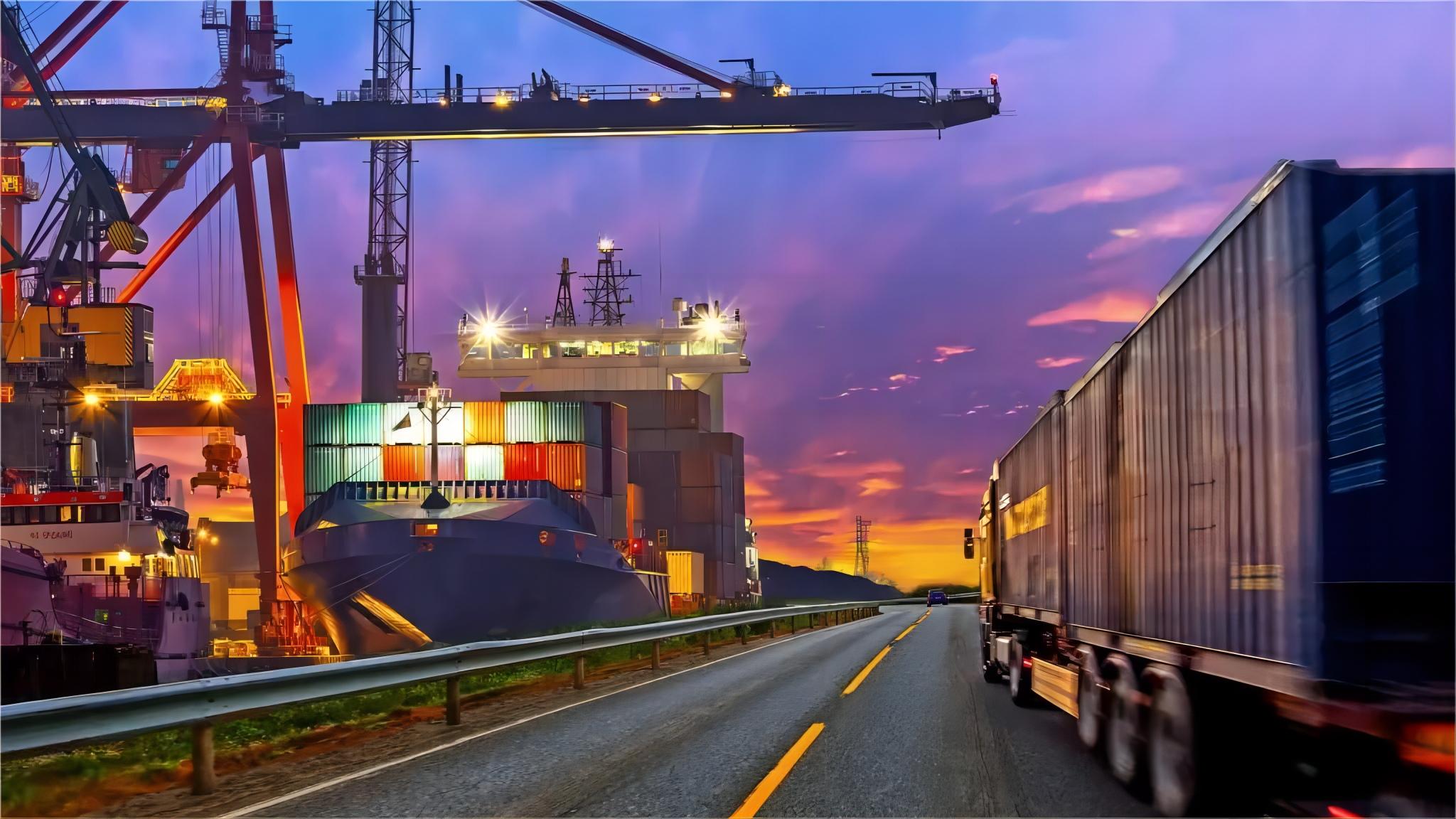
How Does Sea Freight Compare to Air Freight for China to Australia?
❖Choosing the right shipping method significantly impacts both cost and transit time for your imports. Consequently, importers must weigh the benefits of speed versus economy.
While sea freight is generally more economical for bulk goods, air freight offers unparalleled speed. Your decision depends heavily on your cargo’s characteristics and urgency.
Consider factors like cargo volume, desired delivery schedule, and budget when making this critical choice. Additionally, the type of goods might influence which method is suitable due to handling requirements.
| Shipping Method | Cost Range (40HQ/1000kg) | Transit Time | Best For | Limitations |
|---|---|---|---|---|
| Sea Freight (FCL) | $1,400-2,000 | 12-18 days | Large volumes, heavy cargo, non-urgent goods | Slower transit, port congestion risks |
| Sea Freight (LCL) | $50-80/CBM | 15-25 days | Smaller volumes (under 15 CBM), cost-sensitive | Longer transit due to consolidation, potential for damage |
| Air Freight | $5-10/kg | 3-7 days | Urgent, high-value, perishable goods, smaller shipments | High cost, weight/volume restrictions |
| Express Service | $8-15/kg | 2-5 days | Small parcels, e-commerce, time-critical documents | Highest cost, strict weight limits |
The Role of a Customs Broker in Streamlining Your Imports
❖Engaging a professional customs broker is a strategic decision for many businesses importing from China. These experts specialize in navigating complex customs regulations and procedures.
A customs broker ensures accurate documentation, proper classification of goods (HS Codes), and correct calculation of duties and taxes. Therefore, they minimize the risk of costly delays or non-compliance.
They act as your intermediary with the Australian Border Force, handling all necessary communications and submissions. This specialized support is invaluable for businesses without in-house customs expertise, particularly for Amazon FBA sellers facing strict delivery windows.
Common Challenges in China-Australia Customs Clearance
❖Importers frequently encounter several challenges that can complicate customs clearance. Overcoming these hurdles requires foresight and careful planning.

Incorrect classification of goods is a common issue, leading to incorrect duty assessments or even penalties. Furthermore, delays can arise from incomplete documentation or unexpected inspections by Australian authorities.
Staying updated on evolving import regulations and biosecurity requirements is also critical. These challenges highlight the need for robust preparation and, often, professional assistance to ensure a smooth process.
Case Studies: Successful Customs Clearance China to Australia
❖These examples illustrate typical scenarios and effective solutions for customs clearance from China to Australia. They highlight how meticulous planning and expert support lead to successful outcomes.
Based on typical rates as of early 2025, these case studies reflect current market conditions and challenges. Note: Freight rates are subject to change based on fuel costs, carrier capacity, and seasonal demand. Contact us for a current quote tailored to your specific shipment.
Case Study 1: E-commerce Apparel Shipment
This case involved an e-commerce business importing fashion apparel for a seasonal launch. Timely delivery was crucial for market competitiveness and avoiding stockouts.
| Detail | Value |
|---|---|
| Route | Guangzhou, China -> Melbourne, Australia |
| Cargo | Apparel (T-shirts, dresses), 8 CBM, 450 kg |
| Container | LCL 8 CBM |
| Carrier/Service | Major LCL consolidator |
| Port of Loading | Huangpu, Guangzhou |
| Port of Discharge | Melbourne Port |
| Route Type | Direct |
| Ocean Freight | $640 (8 CBM * $80/CBM) |
| Origin Charges | $180 |
| Destination Charges | $220 |
| Customs & Duties (estimated) | $350 |
| Total Landed Cost | $1390 |
| Booking to Loading | 5 days |
| Sea Transit | 18 days |
| Customs Clearance | 3 days |
| Total Door-to-Door | 26 days |
| Key Insight | Early booking and accurate HS codes prevented delays, ensuring goods arrived before peak sales season. |
Case Study 2: Industrial Machinery Import
A manufacturing company needed to import specialized machinery for a new production line. The equipment’s value and size demanded careful handling and precise customs declarations.
| Detail | Value |
|---|---|
| Route | Shanghai, China -> Sydney, Australia |
| Cargo | Heavy machinery, 25 CBM, 7,500 kg |
| Container | 20GP FCL |
| Carrier/Service | COSCO |
| Port of Loading | Shanghai |
| Port of Discharge | Port Botany, Sydney |
| Route Type | Direct |
| Ocean Freight | $1100 (mid-range for 20GP) |
| Origin Charges | $250 |
| Destination Charges | $300 |
| Customs & Duties (estimated) | $1800 (due to high value) |
| Total Landed Cost | $3450 |
| Booking to Loading | 7 days |
| Sea Transit | 14 days |
| Customs Clearance | 4 days (including inspection) |
| Total Door-to-Door | 25 days |
| Key Insight | Pre-clearance and engaging a specialized customs broker facilitated a smooth process despite a physical inspection requirement. |
Case Study 3: Bulk Consumer Electronics
A retailer imported a large volume of consumer electronics, requiring efficient logistics and strict adherence to safety standards. Managing this high-value cargo was a priority.
| Detail | Value |
|---|---|
| Route | Shenzhen, China -> Fremantle, Australia |
| Cargo | Consumer electronics, 60 CBM, 15,000 kg |
| Container | 40HQ FCL |
| Carrier/Service | Maersk |
| Port of Loading | Yantian, Shenzhen |
| Port of Discharge | Fremantle Port |
| Route Type | Transshipment via Singapore |
| Ocean Freight | $1700 (mid-range for 40HQ) |
| Origin Charges | $300 |
| Destination Charges | $350 |
| Customs & Duties (estimated) | $2500 (high value) |
| Total Landed Cost | $4850 |
| Booking to Loading | 6 days |
| Sea Transit | 20 days |
| Customs Clearance | 3 days |
| Total Door-to-Door | 32 days |
| Key Insight | Utilizing door to door service simplified logistics, while pre-lodging documents minimized port dwell time. |
Decision Framework: Which Customs Clearance Approach Suits You?
❖Choosing the best approach for customs clearance from China to Australia depends on several factors. Therefore, evaluating your specific needs is crucial for an efficient import process.
Consider your budget, time constraints, cargo type, and internal resources. This framework helps you decide between handling clearance yourself or using a professional service.
If you prioritize cost savings, self-management might seem appealing. However, if speed and compliance are paramount, professional assistance offers significant advantages.
Budget Priority
If budget is your primary concern, consider managing basic documentation in-house for straightforward shipments. However, weigh potential fines against savings.
For complex goods or high-value cargo, the cost of a customs broker often outweighs the risks of errors. Incorrect declarations can lead to substantial financial penalties.
Speed Priority
For urgent shipments, utilizing an experienced customs broker is highly recommended. They can expedite the process by pre-lodging documents and quickly resolving issues.
Additionally, opting for express service or air freight with professional customs support ensures the fastest possible transit and clearance times. This combination minimizes delays at every stage.
Cargo Type Considerations
Certain goods, like food products, pharmaceuticals, or regulated electronics, require specialized permits and inspections. For these, a broker with specific industry experience is invaluable.
Conversely, for general merchandise with clear HS codes, the process might be simpler. Nonetheless, maintaining accurate documentation remains critical for all cargo types.

Mastering Customs Clearance China to Australia
Effectively managing <a href=”https://chinatopfreight.com/services/customs-brokerage/”>customs clearance from China to Australia</a> is fundamental to successful international trade. It involves understanding complex regulations, preparing accurate documentation, and navigating duties and taxes.
By leveraging expert knowledge and strategic planning, businesses can minimize delays, reduce costs, and ensure compliance. Partnering with a reliable logistics provider like China Top Freight simplifies this intricate process. Therefore, focus on your business growth while we handle the complexities of your supply chain.
Ready to streamline your logistics?
Ready to streamline your imports? Contact China Top Freight today for expert assistance with customs clearance China to Australia. Our team ensures compliance and efficiency, providing you with peace of mind. Get a personalized quote for your next shipment.
Request Quote