

Air Cargo China to France: Your Ultimate Shipping Guide
Navigating international logistics can be complex, especially when shipping high-value or time-sensitive goods. For businesses importing from China, choosing the right freight method to France is crucial. This guide demystifies the process of air cargo China to France, ensuring your shipments arrive efficiently.

Why Choose Air Cargo from China to France?
Air cargo offers unparalleled speed and reliability for international shipments. This method is ideal for urgent deliveries or products with short shelf lives. Consequently, businesses often prioritize air freight for its rapid transit times.
Furthermore, air freight provides enhanced security for valuable or fragile goods. Airports have stringent security protocols, thereby reducing the risk of theft or damage. Therefore, many high-value items are best suited for air transport.
Considering the specific route, air freight from China to France typically completes transit within 3-7 days. This quick turnaround is vital for maintaining lean inventories and responding swiftly to market demands. Ultimately, it supports efficient supply chain management.
Key Factors Influencing Air Cargo Costs
Several elements determine the overall shipping costs for air cargo China to France. Primarily, the chargeable weight, which is either the gross weight or volumetric weight, impacts the base freight rate. Carriers charge based on whichever is greater.
Additionally, fuel surcharges, security fees, and terminal handling charges (THC) contribute significantly to the total. These variable costs can fluctuate based on market conditions and airline policies. Consequently, understanding these components is essential for accurate budgeting.
Moreover, customs duties, taxes, and destination charges must be factored in. These expenses are specific to the goods being imported and France’s import regulations. Therefore, obtaining a detailed quote that includes all potential fees is highly recommended.
| Cost Component | Description | Impact on Total |
|---|---|---|
| Air Freight Rate | Based on chargeable weight (gross or volumetric) | Primary cost driver |
| Fuel Surcharge (FSC) | Variable fee due to fluctuating fuel prices | Significant variable cost |
| Security Surcharge (SSC) | Mandatory fee for enhanced security measures | Standard fixed cost per shipment |
| Terminal Handling Charge (THC) | Fees for handling cargo at origin and destination airports | Airport operational cost |
| Customs Duties & Taxes | Import taxes and tariffs based on cargo value and type | Variable, destination-specific |
| Customs Brokerage Fee | Cost for professional customs clearance services | Ensures compliance and speed |
Understanding Transit Times and Routes
Typical transit times for air cargo from major Chinese hubs like Shanghai (PVG), Guangzhou (CAN), or Shenzhen (SZX) to French airports such as Paris Charles de Gaulle (CDG) or Lyon (LYS) range from 3 to 7 days. This timeframe includes flight duration and ground handling.
Direct flights naturally offer the fastest transit, minimizing layovers and potential delays. However, direct routes might sometimes incur higher costs. Conversely, indirect routes, while potentially more economical, can extend transit times by a few days due to transshipment.
Furthermore, factors like weather conditions, airline capacity, and peak season demand can influence actual delivery schedules. Therefore, it is prudent to factor in a buffer for unexpected events. Effective planning ensures timely delivery, mitigating supply chain disruptions.
Essential Documentation and Customs Clearance
Proper documentation is paramount for seamless air cargo China to France. Key documents include the Commercial Invoice, Packing List, and Air Waybill (AWB). Accurate and complete paperwork prevents customs delays.
Moreover, importers must possess an EORI (Economic Operators Registration and Identification) number for customs procedures in the EU. This unique identifier is mandatory for all import and export activities. Consequently, securing this beforehand is crucial.
Navigating French customs regulations can be complex, involving various tariffs and compliance checks. Engaging a reliable customs brokerage service is highly recommended. Professional brokers ensure all declarations are correct, expediting clearance and avoiding penalties.
| Document | Purpose | Importance |
|---|---|---|
| Commercial Invoice | Details goods, value, seller, buyer | Crucial for customs valuation and duties |
| Packing List | Itemizes contents, weights, dimensions | Aids in cargo inspection and handling |
| Air Waybill (AWB) | Contract between shipper and carrier, receipt for goods | Tracking and proof of carriage |
| EORI Number | EU identification number for economic operators | Mandatory for customs entry in France |
| Certificate of Origin | Proves goods’ country of manufacture | May qualify for preferential tariffs |
| Import License (if applicable) | Required for certain restricted goods | Ensures legal import of specific items |
How Does Air Cargo Compare to Other Shipping Options?
While air cargo excels in speed, it is generally the most expensive shipping method. For larger volumes or less urgent shipments, alternative options like sea freight or rail freight offer significant cost savings. Therefore, your choice depends on balancing speed, cost, and cargo type.
Consider sea freight for non-perishable, bulky goods with flexible delivery schedules. Sea shipments from China to France typically take 30-40 days, but offer substantially lower costs per unit. This method is ideal for maximizing budget efficiency.
Furthermore, rail freight presents a compelling middle-ground option. It is faster than sea freight (around 18-25 days) and more cost-effective than air freight. Rail is suitable for a wide range of goods, providing a balanced solution for many businesses.
Hybrid solutions, such as sea-air combinations, are also emerging. For instance, goods might travel by sea to a regional hub, then transfer to air for the final leg. This approach can optimize both transit time and freight rates, offering flexibility in complex supply chains.
| Shipping Method | Cost Range (per kg/CBM) | Transit Time (China to France) | Best For | Limitations |
|---|---|---|---|---|
| Air Freight | High ($4-8/kg) | 3-7 days | Urgent, high-value, perishable goods | Most expensive, volume/weight restrictions |
| Rail Freight | Medium ($1.5-3/kg) | 18-25 days | Mid-urgency, heavy, bulky goods | Limited routes, less flexible schedules |
| Sea Freight (FCL/LCL) | Low ($0.5-1.5/kg) | 30-40 days | Large volume, non-urgent, heavy goods | Slowest, potential port delays |
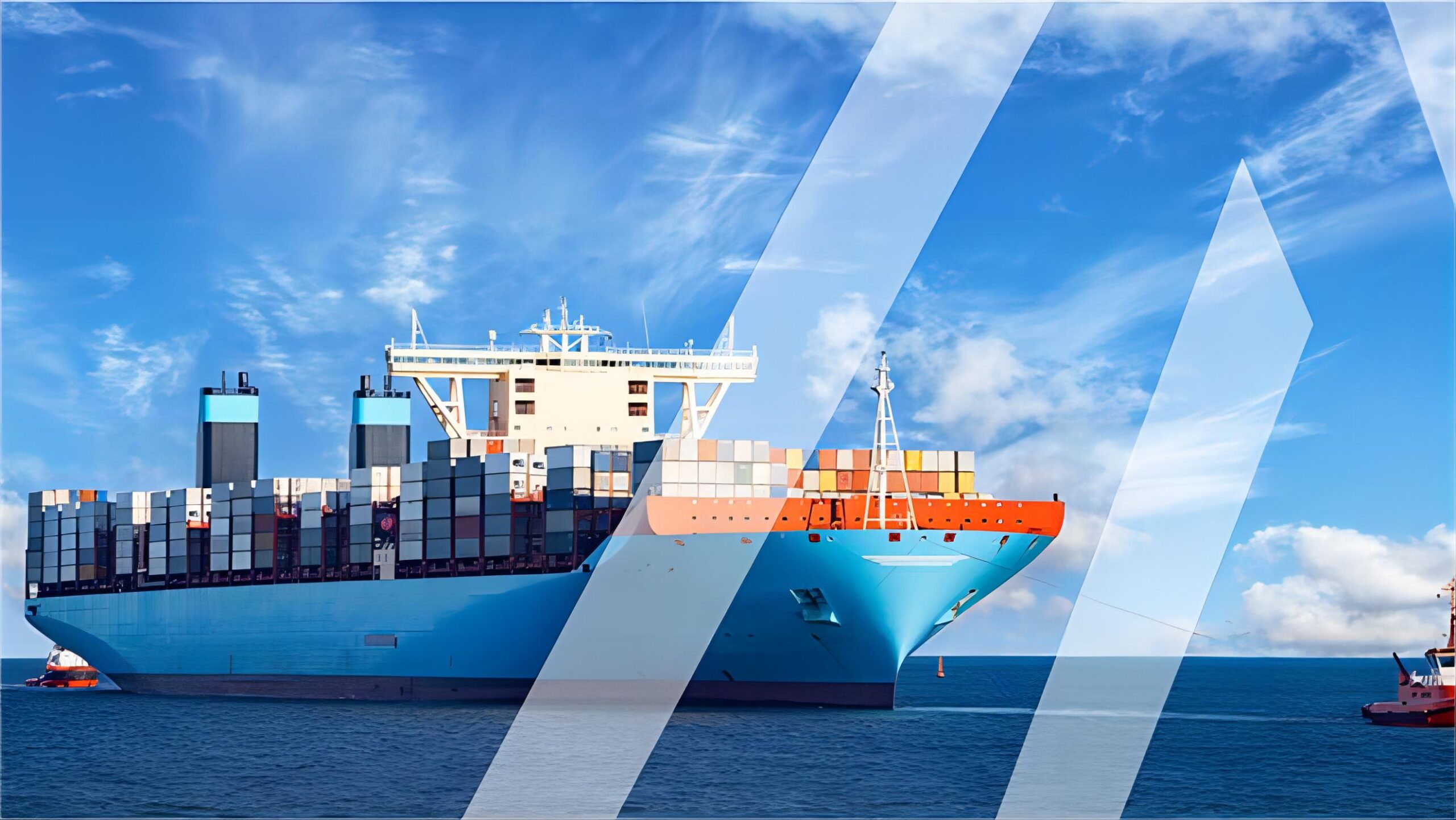
Alternative Shipping Strategies for China to France
Beyond standard air cargo, businesses can explore various strategies to optimize their supply chain. For extremely time-critical documents or small packages, an express service courier offers door-to-door delivery within 1-3 days. This premium option ensures the fastest possible transit.
Decision Framework: Which Option Should You Choose?
Your optimal shipping strategy hinges on several key criteria. If budget is your primary concern, sea freight or rail freight are generally more suitable. Conversely, when speed is paramount, air freight or express services are the clear choices. Cargo type also dictates the best method; fragile or high-value items benefit from air cargo’s security.
Furthermore, consider your shipment’s volume and weight. For small, lightweight parcels, express couriers are efficient. For larger consignments, air cargo is viable, but very large volumes might necessitate sea or rail options. Therefore, a comprehensive assessment of your specific needs is essential for selecting the most appropriate solution.

Real-World Air Cargo Scenarios: China to France
Understanding how air cargo works in practice helps businesses make informed decisions. These case studies illustrate typical scenarios for shipping goods via air freight from China to France. They highlight the balance between speed, cost, and specific cargo requirements.
Based on Q3 2024 market rates, these examples reflect common logistics challenges and solutions. Freight rates are subject to change due to fuel costs, carrier capacity, and seasonal demand. Always obtain a current quote tailored to your specific shipment.
Case Study 1: High-Value Electronics for Retail Launch
This scenario involved a French electronics retailer launching a new smartphone model. Timeliness was critical to meet the scheduled market release. Air cargo provided the necessary speed and security for these valuable products.
| Detail | Value |
|---|---|
| Route | Shenzhen, China -> Paris CDG, France |
| Cargo | Smartphones, 3 CBM, 450 kg |
| Container | Air Freight Pallet (ULD) |
| Shipping Details | Major carrier, Direct route |
| Cost Breakdown (Estimated) | |
| Air Freight | $2,700 |
| Origin Charges | $180 |
| Destination Charges | $220 |
| Customs & Duties (estimated) | $550 |
| Total Landed Cost | $3,650 |
| Timeline | |
| Booking to Loading | 2 days |
| Air Transit | 3 days |
| Customs Clearance | 1 day |
| Total Door-to-Airport | 6 days |
| Key Insight | Speed was prioritized to meet a critical product launch deadline, justifying the higher air freight cost. |
Case Study 2: Urgent Fashion Samples for Trade Show
A French fashion brand needed urgent fabric samples from a Chinese manufacturer for an upcoming trade show. Missing the show would mean lost opportunities. Air cargo was the only viable option due to the tight deadline.
| Detail | Value |
|---|---|
| Route | Guangzhou, China -> Lyon LYS, France |
| Cargo | Fabric Samples, 0.5 CBM, 80 kg |
| Container | Consolidated Air Cargo |
| Shipping Details | Express Air Freight, Transshipment via Dubai |
| Cost Breakdown (Estimated) | |
| Air Freight | $560 |
| Origin Charges | $90 |
| Destination Charges | $110 |
| Customs & Duties (estimated) | $120 |
| Total Landed Cost | $880 |
| Timeline | |
| Booking to Loading | 1 day |
| Air Transit | 4 days |
| Customs Clearance | 1 day |
| Total Door-to-Door | 6 days |
| Key Insight | Express air freight saved the trade show deadline, despite a slightly longer transit due to transshipment, offering a balance of speed and cost for small, urgent shipments. |
Case Study 3: E-commerce Goods for Seasonal Demand
An online retailer needed to replenish popular stock quickly for a seasonal sales event. Maintaining inventory levels was crucial for sales continuity. Air cargo facilitated quick replenishment, especially during peak sales periods.
| Detail | Value |
|---|---|
| Route | Ningbo, China -> Paris CDG, France |
| Cargo | Small Home Appliances, 5 CBM, 750 kg |
| Container | Air Freight Pallet (ULD) |
| Shipping Details | Major carrier, Direct route |
| Cost Breakdown (Estimated) | |
| Air Freight | $4,500 |
| Origin Charges | $250 |
| Destination Charges | $300 |
| Customs & Duties (estimated) | $900 |
| Total Landed Cost | $5,950 |
| Timeline | |
| Booking to Loading | 3 days |
| Air Transit | 4 days |
| Customs Clearance | 1 day |
| Total Door-to-Warehouse | 8 days |
| Key Insight | Strategic use of air cargo ensured fast stock replenishment for e-commerce, minimizing out-of-stock situations and leveraging rapid delivery for peak sales. |
Optimizing Your Air Cargo Shipments
To maximize efficiency and minimize costs, proper packaging is essential. Goods must be securely packed to withstand air transit, preventing damage and potential repacking fees. Therefore, investing in robust packaging materials is a wise decision.
Consider cargo consolidation, especially for smaller shipments. Combining multiple smaller consignments into one larger shipment can reduce per-unit costs. This strategy is particularly effective for businesses with varied product lines or multiple suppliers.
Furthermore, securing comprehensive cargo insurance is highly recommended. While air cargo is generally safe, unforeseen events can occur. Insurance provides financial protection against loss or damage, offering peace of mind throughout the shipping process. Always assess the value of your goods before shipping.
Market data suggests that freight rates from China to Europe have seen stabilization in early 2025 following the Red Sea disruptions of 2024. However, rates typically increase 15-25% during the August-October peak season. Monitoring these logistics trends helps in planning your shipments effectively. Note: Freight rates are subject to change based on fuel costs, carrier capacity, and seasonal demand. Contact us for a current quote tailored to your specific shipment.
Conclusion
Choosing the right approach for air cargo China to France is critical for business success. Air freight offers speed and security, vital for many types of goods. Understanding costs, transit times, and documentation is essential for smooth operations.
By leveraging expert services and considering alternative strategies, businesses can significantly enhance their supply chain efficiency. Partnering with a reliable freight forwarder ensures compliance and minimizes risks. Ultimately, strategic planning leads to successful international trade.

Get Your Shipping Quote Today
Ready to optimize your air cargo China to France shipments? Contact us today for a personalized quote and expert guidance. Our team is prepared to streamline your logistics and ensure timely, secure delivery.
Request Quote