

40HQ FCL Booking Process for Furniture: China to Netherlands
Importing furniture from China to the Netherlands requires a detailed understanding of international logistics. The China Top Freight team specializes in simplifying complex shipping routes. This comprehensive guide outlines the entire 40HQ FCL booking process for furniture from China to Netherlands, ensuring your valuable cargo arrives safely and efficiently. We will navigate key steps, cost considerations, and essential documentation to streamline your import journey.
What is 40HQ FCL Shipping for Furniture?
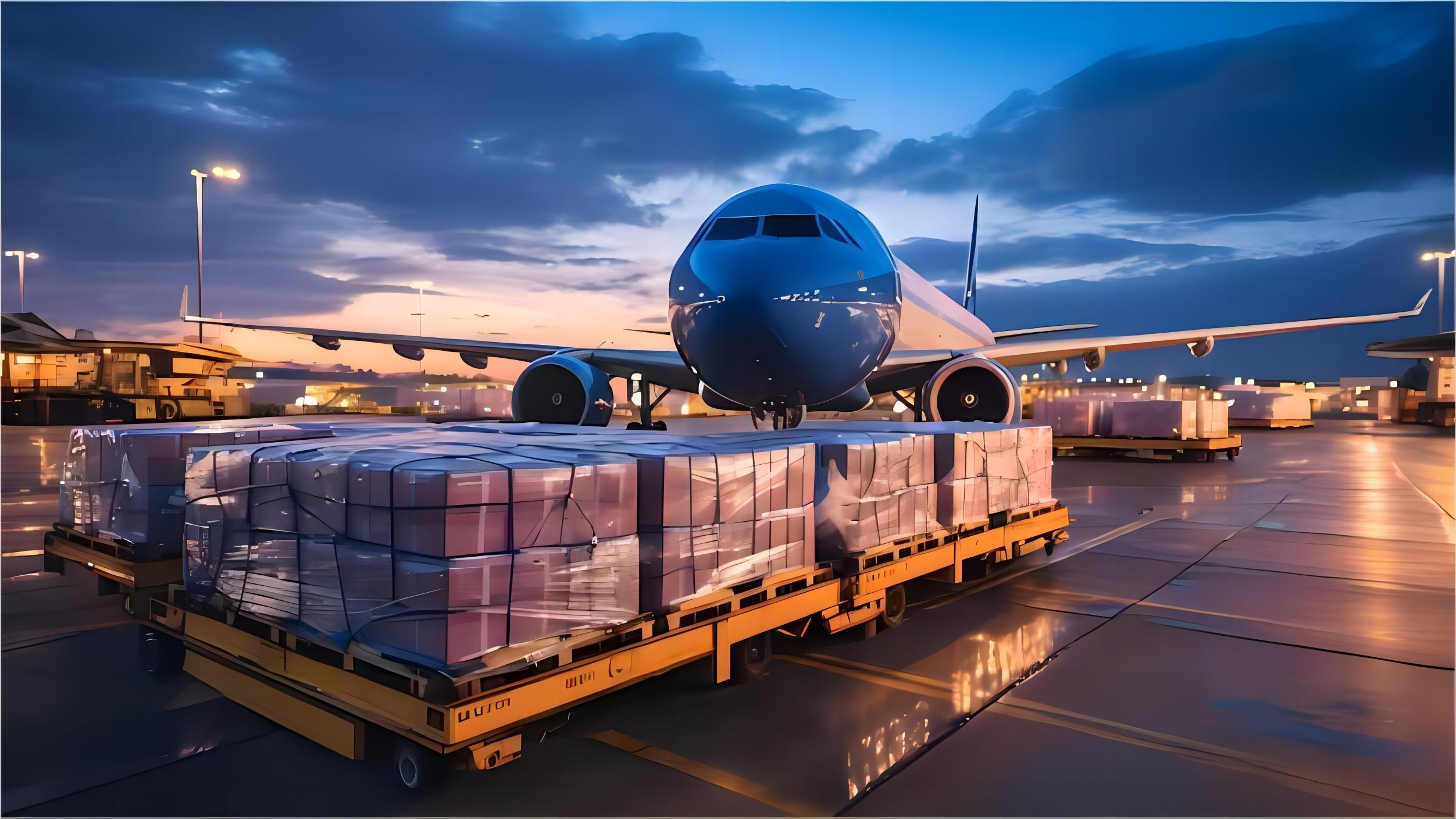
Full Container Load (FCL) shipping means your cargo occupies an entire container, dedicated solely to your goods. A 40HQ, or 40-foot High Cube container, is particularly popular for furniture. This container offers increased height compared to a standard 40-foot container, providing more cubic meters for bulky items.
Consequently, for businesses importing significant volumes of furniture, a 40HQ FCL offers unparalleled efficiency. It allows for optimized loading of various furniture pieces, from sofas and tables to cabinets and chairs. Moreover, using a dedicated container minimizes the risk of damage, as your items are not consolidated with other shippers’ goods.
Choosing FCL for your furniture imports to the Netherlands ensures that your entire consignment remains sealed from origin to destination. This method significantly enhances security and reduces handling time at intermediate ports. Therefore, it is a preferred choice for valuable and fragile furniture items, protecting your investment throughout the `supply chain`.
Why Choose 40HQ FCL for Importing Furniture to the Netherlands?
Selecting the right shipping method is crucial for a successful furniture import from China to Europe. The 40HQ FCL stands out as a highly advantageous option, especially when importing to the Netherlands. It offers a balance of cost-effectiveness and security, which is paramount for large or valuable furniture shipments.
Primarily, FCL shipping is generally more economical per cubic meter for larger volumes compared to Less than Container Load (LCL). Furthermore, your cargo benefits from reduced `cargo handling`, as it is loaded once at the factory or warehouse and unloaded only at its final destination. This direct transit minimizes potential damage and delays.
Additionally, a dedicated container provides superior protection against theft and contamination. When shipping furniture from China to the Netherlands, especially through busy ports like Rotterdam, having your own sealed container offers peace of mind. This approach also allows for a more predictable `delivery schedule` and faster `transit time` since there’s no need for consolidation or deconsolidation with other cargo. Learn more about shipping to Europe with our dedicated services.
Navigating the 40HQ FCL Booking Process: Step-by-Step
The 40HQ FCL booking process for furniture from China to Netherlands involves several critical stages. Understanding each step ensures a smooth and efficient import. A reputable freight forwarder will guide you through these phases, ensuring compliance and timely delivery.
Consequently, careful planning and communication with your supplier and logistics partner are essential. This proactive approach helps to mitigate potential issues, such as delays or unexpected costs. Let’s explore the detailed steps involved in this complex international shipping operation.
Step 1: Requesting a Comprehensive Quote
Initially, you must provide detailed information about your furniture shipment to your freight forwarder. This includes cargo dimensions, weight, volume, origin address in China, destination address in the Netherlands, and preferred Incoterms. Accurate details are vital for precise `freight rates`.
Moreover, specify any special handling requirements for your furniture, such as fragile items or specific packing instructions. Your forwarder will then provide a comprehensive quote, outlining all estimated `shipping costs`, including ocean freight, terminal handling charges, and local delivery fees. This initial step sets the financial groundwork for your import.
Step 2: Supplier Coordination and Cargo Preparation
Once the quote is accepted, coordinate closely with your Chinese furniture supplier. Ensure all furniture is properly packed for international sea freight. This often involves robust packaging materials like plywood crates, heavy-duty cartons, and protective foam to prevent damage during transit.
Furthermore, confirm that all cartons are correctly labeled with shipping marks, destination information, and handling instructions. The supplier should also provide a detailed packing list and commercial invoice. These documents are crucial for customs clearance and accurate cargo identification throughout the journey.
Step 3: Booking Confirmation and Essential Documentation
Upon confirmation, your freight forwarder books space on a vessel for your 40HQ container. They will then issue a booking confirmation, detailing the vessel name, voyage number, cut-off dates, and container pick-up schedule. This confirms your slot on the ship.
Subsequently, crucial shipping documents, such as the Bill of Lading (B/L), commercial invoice, and packing list, are prepared. The B/L acts as a contract of carriage, a receipt for the goods, and a document of title. These documents are indispensable for `customs` clearance in both China and the Netherlands.
Step 4: Inland Transportation and Port Loading in China
Following booking, an empty 40HQ container is dispatched to your supplier’s factory or a designated warehouse in China. The furniture is then professionally loaded and secured inside the container. Proper loading techniques are essential to maximize space and prevent shifting during transit.
After loading, the sealed container is transported by truck to the designated port of loading, such as Shanghai, Ningbo, or Shenzhen. Here, it undergoes final checks and is loaded onto the vessel. This stage represents the final departure from the Chinese `supply chain`.

Step 5: Ocean Transit and Real-time Tracking
The vessel embarks on its journey across the ocean towards the Netherlands, typically arriving at the Port of Rotterdam. The `transit time` for a 40HQ FCL from major Chinese ports to Rotterdam usually ranges from 28 to 35 days, depending on the specific route and carrier. Factors like port congestion can influence this.
During this phase, your freight forwarder will provide tracking updates, allowing you to monitor your shipment’s progress. This transparency helps you anticipate arrival and plan for subsequent logistics. You can often track the vessel’s position, ensuring you stay informed about your `shipping furniture from China`.
Step 6: Customs Clearance in the Netherlands
Upon arrival at the Port of Rotterdam, your 40HQ container undergoes `customs clearance Netherlands furniture` procedures. This involves submitting all required documentation to Dutch customs, including the B/L, commercial invoice, packing list, and any necessary permits or certificates. Engaging a professional customs brokerage service is highly recommended.
Furthermore, import duties and VAT must be paid. The specific rates depend on the type of furniture and its declared value. An EORI number is also mandatory for importing goods into the EU. Proper documentation and timely payment are crucial to avoid delays and storage fees at the port.
Step 7: Final Delivery to Your Doorstep
After successful customs clearance, the container is released from the port. It is then transported by truck to your final destination in the Netherlands. This could be your warehouse, retail store, or even directly to a customer, depending on your `door-to-door furniture shipping` arrangement.
Finally, the furniture is unloaded at your premises. It is essential to inspect the cargo for any visible damage before signing the delivery receipt. This final step completes the `40HQ FCL booking process for furniture from China to Netherlands`, bringing your goods directly to your facility.
How Does 40HQ FCL Compare to Other Shipping Options?
Understanding the alternatives to 40HQ FCL is vital for making informed logistics decisions for your `furniture import regulations EU` needs. Each shipping method offers distinct advantages and limitations, influencing `shipping costs`, transit times, and suitability for different cargo types. For instance, while FCL is ideal for large volumes, other options might better suit smaller or urgent shipments.
Therefore, comparing FCL with LCL, air freight, and rail freight helps businesses optimize their `international logistics for furniture`. This comparison ensures that you select the most efficient and cost-effective method for your specific requirements. Consider the trade-offs between speed, cost, and cargo security when making your choice.
| Shipping Method | Cost Range (China-NL) | Transit Time | Best For | Limitations |
|---|---|---|---|---|
| 40HQ FCL Sea Freight | $3,000-4,200 | 28-35 days | Large volume, heavy, non-urgent furniture | Long transit time, port-to-port focus |
| LCL Sea Freight | $50-80/CBM | 35-45 days | Small to medium volume furniture (under 15 CBM) | Longer transit, more handling, higher risk of damage |
| Air Freight | $5-10/kg | 5-7 days | Urgent, high-value, small volume furniture | Very high cost, volume/weight restrictions |
| Rail Freight | $8,000-12,000 (40GP) | 18-25 days | Time-sensitive, medium-large volume furniture | Limited routes, higher cost than sea, less flexible |
Which Option Should You Choose?
Your choice of shipping method ultimately depends on your specific priorities. If `budget priority` is paramount and you have a large volume of furniture (over 15 CBM), 40HQ FCL `sea freight for furniture import` is undoubtedly the most economical option. It offers the lowest cost per cubic meter.
Conversely, if `speed priority` is critical for urgent deliveries or high-value, low-volume items, air freight is unmatched, despite its higher cost. For a balance of speed and cost for non-urgent but time-sensitive cargo, especially to inland European destinations, rail freight can be a viable alternative.
Consider your `cargo type considerations` and `volume thresholds for switching methods`. Fragile or oversized furniture benefits from the dedicated space of FCL. For smaller, less urgent consignments, LCL might be suitable. Always consult with a freight forwarder for a tailored recommendation based on current market conditions and your unique requirements.
Understanding 40HQ FCL Shipping Costs China to Netherlands
The overall `40-foot high cube container shipping` cost from China to the Netherlands is a composite of several elements. These include the base ocean freight, origin charges, destination charges, and customs-related fees. Understanding each component is crucial for accurate budgeting and avoiding unexpected expenses.
Based on current market rates as of Q1 2025, a 40HQ FCL from China to the Netherlands typically ranges from $3,000 to $4,200 for ocean freight alone. However, this figure is subject to fluctuations due to fuel costs, carrier capacity, and seasonal demand. Origin charges often cover terminal handling, documentation, and local trucking in China, averaging $300-$600.
Similarly, destination charges in the Netherlands include terminal handling, port security, and local delivery, which can be $400-$800. Furthermore, `customs and duties` (including VAT) are calculated based on the furniture’s Harmonized System (HS) code and declared value. These can significantly impact the `total landed cost`, requiring careful estimation. Rates typically increase 15-25% during August-October peak season.

Real-World Scenarios: 40HQ FCL Furniture Shipments
Examining real-world examples helps illustrate the practical aspects of the `40HQ FCL booking process for furniture from China to Netherlands`. These case studies highlight typical challenges, costs, and timelines involved in importing various types of furniture. They provide a tangible understanding of `logistics trends` and operational realities.
These scenarios are based on Q3 2024 market rates, offering a realistic snapshot of recent shipping experiences. They demonstrate how different cargo types and specific needs influence the overall shipping strategy and outcomes.
Case Study 1: Large Volume Home Furniture
A Dutch retailer imported a large consignment of living room and bedroom furniture. The primary goal was cost-efficiency for a high-volume order.
Key Insight: Strategic planning and booking during off-peak season secured favorable rates, ensuring a profitable import despite the volume.
| Detail | Description | Value |
|---|---|---|
| Route | Foshan, China Rotterdam, Netherlands | |
| Cargo | Sofas, beds, wardrobes (flat-packed & assembled) | 65 CBM, 8,500 kg |
| Container | 40HQ | |
| Shipping Details | Carrier: COSCO, Port of Loading: Shenzhen, Port of Discharge: Rotterdam, Route Type: Direct | |
| Cost Breakdown | Ocean Freight: $3,800, Origin Charges: $550, Destination Charges: $700, Customs & Duties (estimated): $1,200 | Total Landed Cost: $6,250 |
| Timeline | Booking to Loading: 7 days, Sea Transit: 30 days, Customs Clearance: 3 days | Total Door-to-Door: 45 days |
Case Study 2: Office Furniture Project
An office design company in Amsterdam needed a full container of custom office desks and chairs for a new corporate fit-out. Timely delivery was important.
Key Insight: Pre-clearance arrangements with customs brokers and clear communication with the carrier helped expedite the post-arrival process, minimizing delays.
| Detail | Description | Value |
|---|---|---|
| Route | Shanghai, China Amsterdam, Netherlands | |
| Cargo | Office desks, ergonomic chairs, storage units | 60 CBM, 7,200 kg |
| Container | 40HQ | |
| Shipping Details | Carrier: Maersk, Port of Loading: Shanghai, Port of Discharge: Rotterdam, Route Type: Direct | |
| Cost Breakdown | Ocean Freight: $4,050, Origin Charges: $600, Destination Charges: $750, Customs & Duties (estimated): $1,100 | Total Landed Cost: $6,500 |
| Timeline | Booking to Loading: 10 days, Sea Transit: 32 days, Customs Clearance: 4 days | Total Door-to-Door: 48 days |
Case Study 3: Retail Furniture Batch
A boutique furniture store in Utrecht imported a mixed batch of high-end, bespoke furniture pieces. The priority was secure handling and efficient delivery to their showroom.
Key Insight: Opting for comprehensive `cargo insurance for furniture` and partnering with a forwarder known for careful handling was crucial for these delicate items.
| Detail | Description | Value |
|---|---|---|
| Route | Ningbo, China Utrecht, Netherlands | |
| Cargo | Antique reproductions, custom wooden tables, decorative items | 58 CBM, 6,800 kg |
| Container | 40HQ | |
| Shipping Details | Carrier: MSC, Port of Loading: Ningbo, Port of Discharge: Rotterdam, Route Type: Direct | |
| Cost Breakdown | Ocean Freight: $3,950, Origin Charges: $580, Destination Charges: $720, Customs & Duties (estimated): $1,350 | Total Landed Cost: $6,600 |
| Timeline | Booking to Loading: 8 days, Sea Transit: 31 days, Customs Clearance: 3 days | Total Door-to-Door: 46 days |
Optimizing Your Furniture Import Supply Chain
Ensuring a seamless `importing furniture to Netherlands` operation goes beyond just booking a container. Strategic optimization of your `supply chain management China-NL` can lead to significant cost savings and improved efficiency. This involves meticulous planning and leveraging expert knowledge.
Furthermore, consider investing in robust `packing requirements for FCL` to minimize transit damage. Professional packing, tailored to the specific dimensions and fragility of your furniture, is a small investment that yields significant returns. Always verify your supplier’s packing standards before shipment.
Finally, selecting a reliable `freight forwarder China to Netherlands` is paramount. A good forwarder offers not only competitive `freight rates` but also expert guidance on `furniture import regulations EU`, `cargo insurance`, and efficient `customs clearance`. Their expertise is invaluable in navigating the complexities of international trade.
Conclusion: Mastering Your Furniture Imports to the Netherlands
The `40HQ FCL booking process for furniture from China to Netherlands` is a multi-faceted operation requiring careful planning and execution. From initial quote requests to final door-to-door delivery, each step is critical for a successful import. Understanding the nuances of `shipping costs`, `transit time`, and `customs` procedures empowers you to make informed decisions.
By choosing the right shipping method, preparing comprehensive documentation, and partnering with an experienced freight forwarder, businesses can significantly optimize their furniture import `supply chain`. Ultimately, a well-managed process ensures your valuable furniture arrives safely, on time, and within budget, strengthening your position in the competitive European market.
Start Your Shipment
Ready to streamline your 40HQ FCL booking process for furniture from China to Netherlands? Our expert team is here to provide tailored solutions and competitive quotes for your unique shipping needs. Contact us today to discuss your next shipment and experience hassle-free international logistics.
Request Quote