

Machinery Sea Freight China to USA: Your Ultimate Guide
Shipping machinery from China to the USA involves complex logistics. Understanding machinery sea freight China to USA is essential for importing heavy equipment efficiently. This guide covers costs, transit times, and customs, ensuring a smooth supply chain.

Understanding Machinery Sea Freight China to USA
Ocean transport is primary for industrial machinery from China to the US. Machinery sea freight uses container ships or specialized vessels. It’s the most cost-effective choice for importing manufacturing, construction, or agricultural machinery.
Selecting the right shipping method is critical for project success. Cargo dimensions, weight, and delivery deadlines influence this. Understanding FCL versus LCL services is paramount for optimizing logistics.
Key Considerations for Importing Heavy Equipment
Importing heavy equipment requires close attention. Machinery type and size dictate container needs or specialized breakbulk shipping. Secure adequate insurance for high-value assets; it’s non-negotiable.
Compliance with Chinese export and US import laws, including tariffs, is crucial. This prevents costly delays. Partnering with an experienced freight forwarder specializing in sea freight can streamline this.
Understanding Machinery Sea Freight Costs
Machinery sea freight costs from China to the USA vary widely. Factors include cargo volume, weight, specific ports, and current market freight rates. Surcharges for fuel, port handling, and customs also impact costs.
As of early 2025, 40-foot container rates from China to USA West Coast range from $2,800-$3,800. East Coast rates typically fall between $4,500-$6,000. These figures are subject to change.
Note: Freight rates are subject to change based on fuel costs, carrier capacity, and seasonal demand. Contact us for a current quote tailored to your specific shipment.
Factors Influencing Shipping Costs
Many elements contribute to shipping costs. FCL versus LCL shipping directly impacts expenditure; FCL is more economical for larger volumes. Destination charges add to the total landed cost.
Incoterms define buyer and seller responsibilities for costs and risks. Understanding these terms is vital for accurate budgeting. Unforeseen port congestion or customs delays can introduce additional charges.
Optimizing Transit Times for Machinery Imports
Transit times for machinery sea freight from China to the USA depend on destination port and shipping line. West Coast shipments take 14-18 days. East Coast shipping typically requires 30-35 days.
These transit times represent sailing periods. Total delivery, especially for door-to-door services, includes origin handling, customs, and inland transport. Factor in an additional 1-2 weeks.
Expediting Your Machinery Shipments
While sea freight is slower, strategies optimize delivery. Direct shipping routes without transshipment ports save days. Accurate, prompt documentation helps prevent customs delays.
Pre-booking cargo space, especially during peak seasons, avoids rollovers. This ensures machinery departs as scheduled. Proactive communication with your freight forwarder manages expectations.
Essential Documentation and US Customs Clearance
Successful customs brokerage for machinery import requires meticulous documentation. Key papers include Commercial Invoice, Packing List, Bill of Lading, and Certificate of Origin. These provide crucial cargo details.
Depending on machinery type, supplementary permits may be required by US agencies. Agricultural machinery might need USDA approval. Ensure all paperwork is accurate and complete.
| Document Type | Purpose | Key Information |
|---|---|---|
| Commercial Invoice | Customs valuation, duties | Seller, buyer, product description, value, currency |
| Packing List | Cargo details, weight | Itemized list, dimensions, weight per package |
| Bill of Lading (BOL) | Contract of carriage | Shipper, consignee, carrier, ports, cargo details |
| Certificate of Origin | Country of manufacture | Proof of where goods were produced |
| Import License/Permit | Regulatory compliance | Specific agency approvals (e.g., EPA, FDA, USDA) |

Navigating US Customs Clearance for Industrial Equipment
Clearing US customs for industrial equipment is complex. Importers classify machinery using HTS codes to determine duties. Incorrect classification leads to penalties or delays.
The importer of record ensures compliance with US Customs and Border Protection (CBP) regulations. Engaging a reputable customs broker is highly recommended for timely release.
Comparing Sea Freight with Alternative Shipping Options
When importing machinery, businesses weigh sea freight, air freight, and multimodal solutions. Each method has distinct advantages and disadvantages regarding cost, speed, and cargo capacity. Understanding these is crucial.
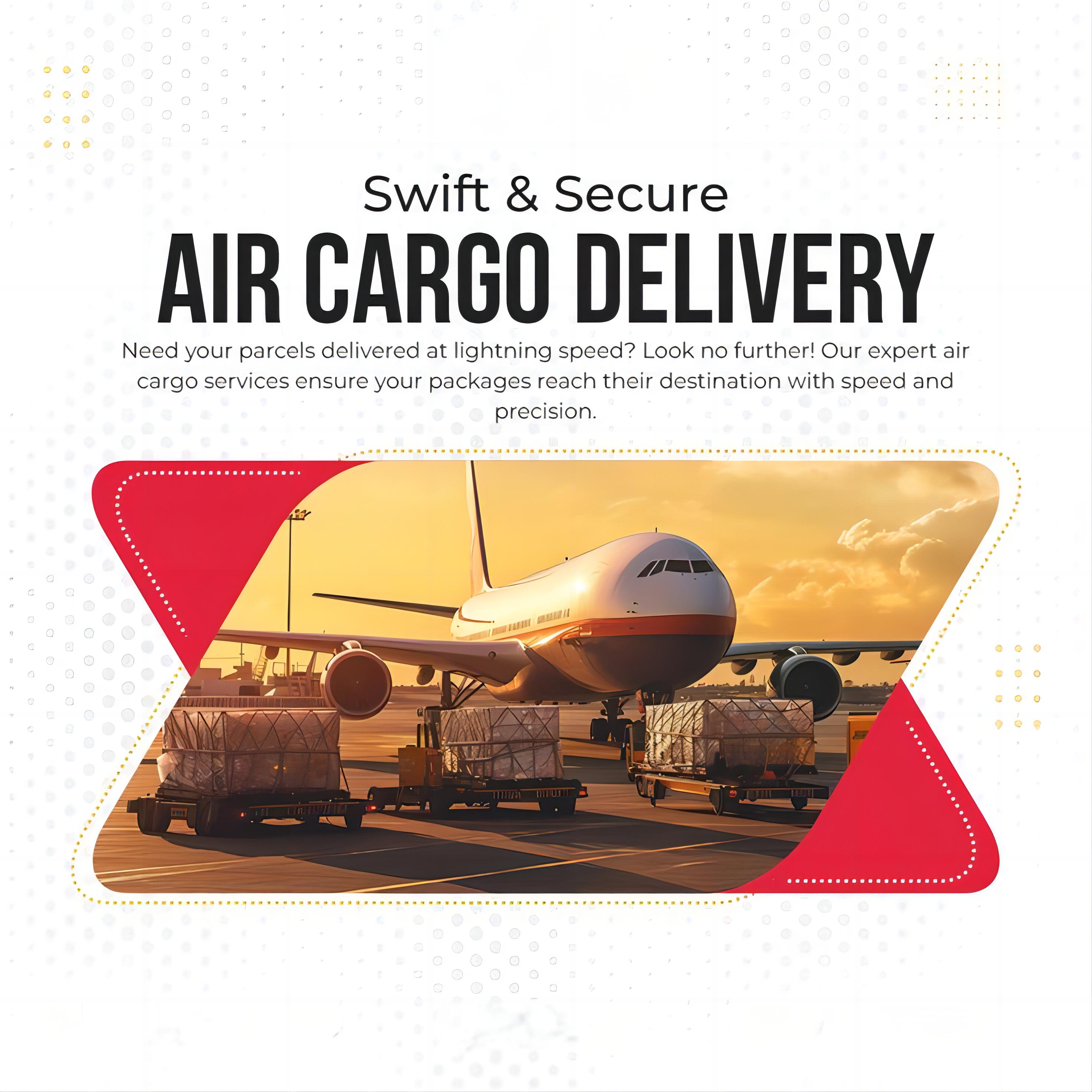
Air freight offers faster transit but at a higher cost, unsuitable for heavy machinery. Sea freight provides unparalleled capacity and cost-efficiency for bulk cargo.
| Shipping Method | Cost Range (40HQ) | Transit Time | Best For | Limitations |
|---|---|---|---|---|
| Sea Freight (FCL) | $2,800 – $6,000 | 14-35 days | Heavy, bulky, non-urgent cargo | Slowest transit, potential port delays |
| Air Freight (Cargo) | $15,000 – $30,000+ | 3-7 days | Urgent, high-value, smaller machinery | Very expensive, weight/size restrictions |
| Multimodal (Sea-Air) | $8,000 – $15,000 | 10-20 days | Moderately urgent, specific routes | Requires careful coordination, more handling |
Alternative Strategies and Hybrid Solutions
Alternative strategies or hybrid solutions can optimize results. Urgently needed critical components might ship via air, while the main unit travels by sea. This balances speed with cost-efficiency.
Different container types offer options for oversized machinery. Open-top containers, flat racks, or breakbulk shipping are available. These specialized solutions transport virtually any size of equipment.
Deciding Your Best Shipping Option for Machinery
Optimal shipping hinges on your priorities. If budget is primary and speed flexible, sea freight is most economical for machinery. It offers the best cost per unit for large volumes.
If speed is paramount for a deadline or critical part, air freight is viable despite higher cost. For a balance, a multimodal approach (sea and truck/rail) can be effective.
Decision Framework for Machinery Shipping
Consider these criteria when choosing. Budget priority suggests sea freight. Speed priority recommends air freight. Cargo type dictates FCL/LCL or specialized sea options.
For volume, FCL is efficient over 15 CBM; LCL suits smaller machinery. Obtain detailed quotes for all viable options. Compare total landed costs and transit times accurately.
Real-World Machinery Import Case Studies
Real-world examples illustrate successful strategies in machinery sea freight from China to USA. These cases highlight meticulous planning, expert coordination, and adaptability. They demonstrate a reliable freight partner’s value.
Scenarios reflect challenges like port congestion and customs nuances. Based on Q3 2024 market rates, these provide realistic insights into costs and timelines for machinery imports.
Case Study 1: Importing a CNC Machine
A US manufacturer imported a new CNC milling machine. FCL sea freight was cost-effective for this standard container-sized, heavy machine. The goal was safe, low-cost delivery.
| Detail | Description |
|---|---|
| Route | Shanghai, China -> Los Angeles, USA |
| Cargo | CNC Milling Machine, 28 CBM, 9,500 kg |
| Container | 1 x 40GP |
| Shipping Details | Major carrier, Port of Loading: Shanghai, Port of Discharge: Los Angeles, Route Type: Direct |
| Cost Breakdown | Ocean Freight: $3,200; Origin: $450; Destination: $550; Customs & Duties (est): $1,200; Total Landed: $5,400 |
| Timeline | Booking to Loading: 5 days; Sea Transit: 16 days; Customs Clearance: 3 days; Total Door-to-Door: 24 days |
| Key Insight | Efficient customs pre-clearance and a direct route minimized transit time and costs. |

Case Study 2: Shipping Oversized Agricultural Equipment
An agricultural distributor shipped a large combine harvester, exceeding container dimensions. Specialized breakbulk shipping was required. Careful planning for loading and securing was key.
| Detail | Description |
|---|---|
| Route | Ningbo, China -> Houston, USA |
| Cargo | Combine Harvester, 65 CBM, 15,000 kg (oversized) |
| Container | Breakbulk Cargo (RoRo vessel) |
| Shipping Details | Specialized carrier, Port of Loading: Ningbo, Port of Discharge: Houston, Route Type: Direct |
| Cost Breakdown | Ocean Freight: $11,500; Origin: $1,200; Destination: $1,500; Customs & Duties (est): $3,000; Total Landed: $17,200 |
| Timeline | Booking to Loading: 10 days; Sea Transit: 28 days; Customs Clearance: 4 days; Total Door-to-Door: 45 days |
| Key Insight | Expert project cargo handling and pre-shipment surveys were critical for safe transport. |
Case Study 3: Consolidating Multiple Small Machines (LCL)
A small business imported several smaller manufacturing machines from different Chinese suppliers. LCL consolidation proved economical. Coordinating pickups and consolidation was the main challenge.
| Detail | Description |
|---|---|
| Route | Shenzhen, China -> New York, USA |
| Cargo | 3 Small Mfg Machines, 12 CBM, 4,000 kg total |
| Container | LCL (Less than Container Load) |
| Shipping Details | Consolidator service, Port of Loading: Shenzhen, Port of Discharge: New York, Route Type: Transshipment via Busan |
| Cost Breakdown | Ocean Freight: $1,800 (per CBM); Origin: $300; Destination: $400; Customs & Duties (est): $800; Total Landed: $3,300 |
| Timeline | Booking to Loading: 7 days; Sea Transit: 32 days; Customs Clearance: 5 days; Total Door-to-Door: 48 days |
| Key Insight | LCL consolidation reduced costs for multiple smaller items, despite slightly longer transit. |
Optimizing Your Machinery Import Supply Chain
Optimizing your supply chain involves strategic planning, risk management, and leveraging technology. Effective planning ensures industrial equipment arrives on time and within budget.
Consider the entire logistics chain, from ex-factory pickup to final delivery. This comprehensive view identifies bottlenecks and opportunities. A well-structured plan minimizes delays and reduces costs.
Risk Management and Insurance for Heavy Equipment
Shipping high-value machinery carries risks: damage, loss, theft. Comprehensive cargo insurance is indispensable. This coverage protects your investment against unforeseen events.
Identifying risks like port congestion or customs holds allows proactive mitigation. A freight forwarder offering robust risk management provides peace of mind.
Leveraging Technology and Freight Forwarder Expertise
Modern logistics rely on technology for visibility and efficiency. Tracking systems provide real-time updates on machinery location and ETA. This transparency is vital for managing delivery schedules.
Partnering with an experienced freight forwarder like China Top Freight is invaluable. They navigate regulations, optimize routes, and handle specialized cargo. Their insights streamline your import process.
Seamless Machinery Sea Freight China to USA
Successfully importing machinery from China to the USA by sea demands a thorough understanding of costs, transit times, documentation, and alternative shipping options. From selecting the right container type to navigating complex customs procedures, each step is critical for a smooth delivery. By prioritizing careful planning and partnering with experienced logistics providers, businesses can effectively manage their machinery sea freight. Ultimately, this ensures their valuable equipment arrives safely and efficiently, bolstering their operational capabilities and supply chain resilience.
Ready to streamline your logistics?
Ready to streamline your machinery sea freight from China to USA? Contact our experts today for a personalized quote and discover how we can simplify your heavy equipment imports. We ensure efficient, reliable, and cost-effective logistics solutions tailored to your specific needs.
Request Quote