

40HQ FCL Container Shortage Solution for Auto Parts to Netherlands
The global supply chain frequently presents challenges, notably the persistent 40HQ FCL container shortage. For businesses importing auto parts from China to the Netherlands, this issue can severely disrupt operations and impact profitability. Fortunately, strategic planning and expert logistics partnerships can provide robust solutions to navigate these complexities. Explore how China Top Freight helps overcome these hurdles, ensuring your critical automotive components reach their destination efficiently.
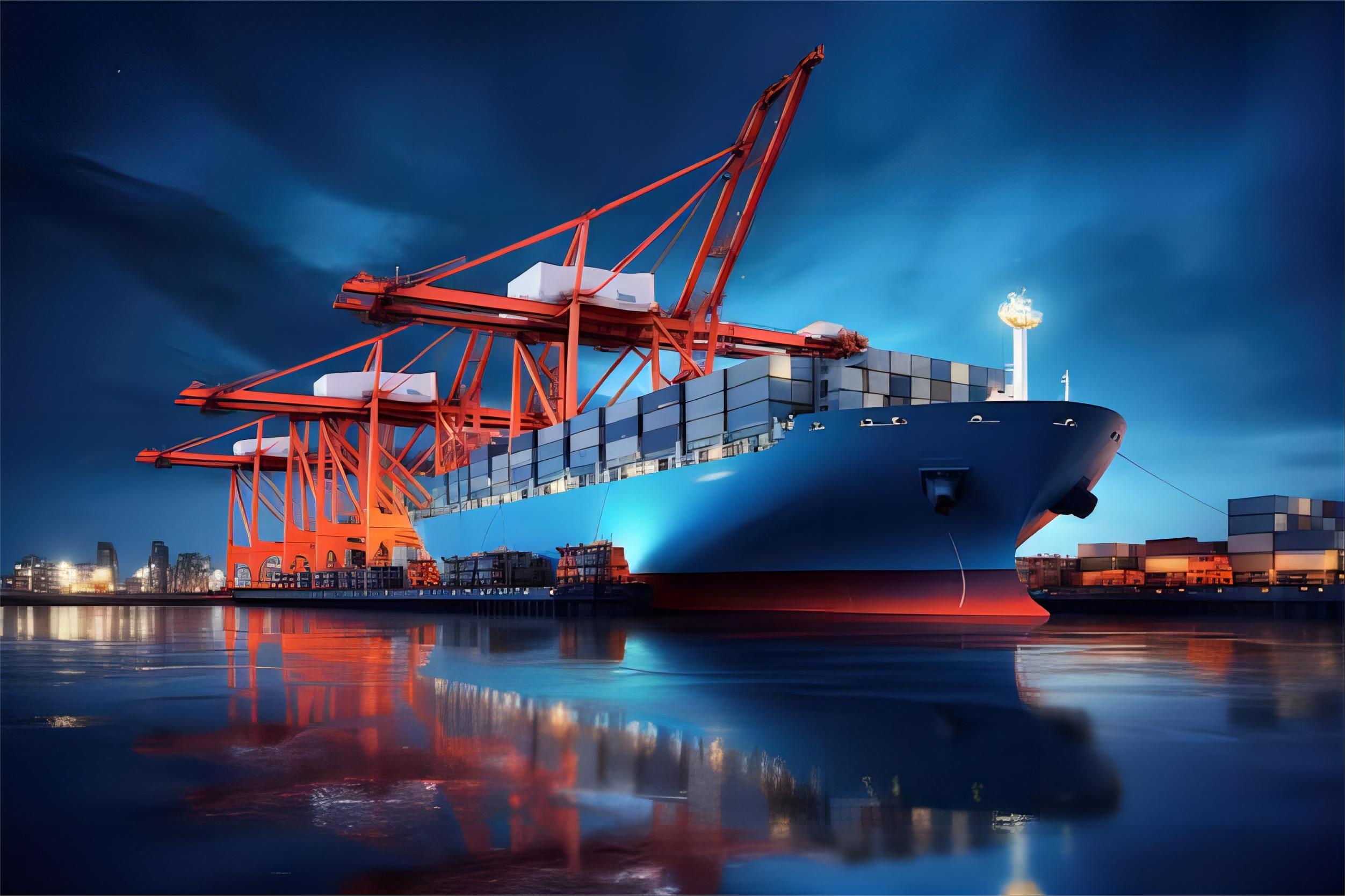
Why Does the 40HQ FCL Container Shortage Persist for Auto Parts?
Presently, the demand for 40HQ FCL containers often outstrips supply, particularly on key trade lanes from China to Europe. This scarcity is influenced by several factors, including fluctuating trade volumes and global economic shifts. Moreover, the automotive industry requires a constant flow of diverse components, making it particularly vulnerable to these supply chain disruptions.
Additionally, port congestion at major hubs exacerbates the problem, tying up containers for extended periods. Consequently, this reduces the overall availability of equipment for new shipments. Therefore, understanding these underlying causes is crucial for developing effective mitigation strategies for auto parts logistics.
What Are the Primary Challenges of Shipping Auto Parts to the Netherlands?
Shipping auto parts from China to the Netherlands involves navigating numerous complexities beyond just container availability. Businesses must contend with various operational and regulatory challenges. These factors collectively contribute to increased shipping costs and extended delivery schedules.
Indeed, a comprehensive understanding of these obstacles is vital for any importer. By anticipating potential issues, companies can proactively implement solutions to maintain a smooth and efficient supply chain for their automotive components.
High Demand and Limited Capacity
The automotive sector experiences consistent, high-volume demand for components, which places immense pressure on shipping capacity. Specifically, during peak seasons, securing a 40HQ FCL container becomes even more competitive. Ultimately, this leads to higher freight rates and potential booking delays.
Furthermore, carrier alliances often manage capacity strategically, which can sometimes limit options for specific routes or urgent shipments. Therefore, early planning and strong forwarder relationships are essential to overcome these capacity constraints.
Port Congestion and Delays
Major ports in both China and the Netherlands frequently face congestion, causing significant delays in vessel berthing and cargo handling. As a result, transit time estimates can become unreliable, impacting inventory management for auto parts. This unpredictability is a major concern for just-in-time supply chains.
Moreover, labor shortages and operational inefficiencies at ports can further prolong these delays. Consequently, importers must build in buffer time or consider alternative ports to mitigate the impact of such bottlenecks.
Rising Freight Rates and Surcharges
Global logistics trends, including increased fuel costs and geopolitical events, regularly push freight rates upwards. Furthermore, carriers often implement various surcharges for peak season, equipment imbalance, or emergency situations. These additional costs can significantly impact the total landed cost of auto parts.
Therefore, managing the budget effectively requires constant monitoring of market rates and strategic negotiation. Importers should also be aware of potential hidden fees that can arise during the shipping process.
Customs and Regulatory Hurdles
Navigating the customs procedures for importing auto parts into the Netherlands from China requires meticulous attention to detail. Incorrect documentation or non-compliance with regulations can lead to severe delays and penalties. Consequently, understanding specific product classifications and duty rates is paramount.
In addition, new environmental regulations and trade policies can introduce further complexities. Therefore, engaging expert customs brokerage services is often advisable to ensure smooth clearance and avoid unexpected issues.
Strategic Solutions for Securing 40HQ FCL Containers
Despite the challenges, several proactive strategies can help businesses secure 40HQ FCL containers for their auto parts shipments. Implementing these solutions can significantly improve supply chain resilience and reliability. Ultimately, this ensures a more predictable flow of goods from China to the Netherlands.
Moreover, adopting a flexible and informed approach is key to overcoming current market volatility. Companies that plan ahead and leverage expert knowledge typically fare better in competitive shipping environments.
Early Booking and Flexible Scheduling
One of the most effective ways to mitigate container shortages is to book your FCL shipments well in advance. Carriers prioritize bookings made with sufficient lead time, especially for high-demand routes. Furthermore, being flexible with your shipping dates can open up more options and potentially secure better rates.
Considerably, establishing a consistent shipping schedule with your freight forwarder can also lead to more favorable terms and guaranteed space. This proactive approach helps avoid last-minute scramble and associated premium charges.
Leveraging NVOCC Relationships
Non-Vessel Operating Common Carriers (NVOCCs) often have pre-allocated space and established contracts with multiple shipping lines. Working with an experienced NVOCC, like China Top Freight, can therefore provide access to capacity that might not be available directly to individual shippers. They can consolidate various shipments, ensuring efficient use of container space.
Additionally, NVOCCs possess deep market insights and can advise on optimal routes and carriers. Consequently, this expertise is invaluable when navigating complex logistics trends and securing competitive freight rates during periods of shortage.
Optimized Container Loading
Maximizing the utilization of every 40HQ FCL container is crucial, especially during shortages. Efficient packing and loading techniques can help fit more auto parts into each container, reducing the overall number of containers required. This optimization directly translates to cost savings and reduced reliance on scarce resources.
Furthermore, proper planning for cargo handling, including palletization and secure strapping, prevents damage during transit. Therefore, investing time in load planning can yield significant benefits in terms of efficiency and cargo integrity.
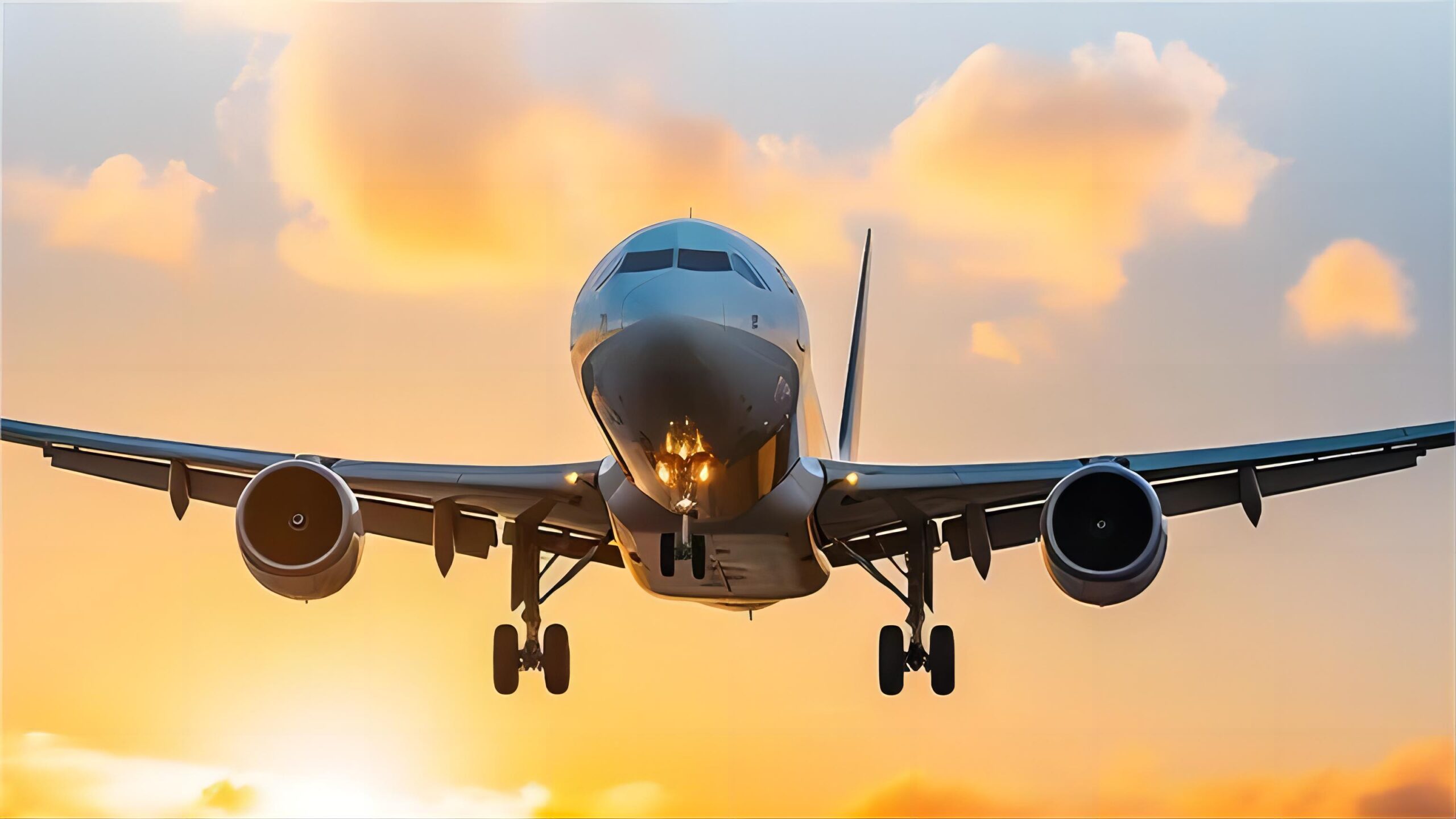
How Does FCL Compare to Other Shipping Options for Auto Parts?
While 40HQ FCL is often the preferred method for large volumes of auto parts, it is not always the only or best solution. Evaluating alternative shipping methods is essential, especially when facing container shortages or specific delivery requirements. Each option presents distinct advantages and limitations regarding cost, speed, and suitability for different cargo types.
Considering various logistics trends and your specific supply chain needs, a balanced approach might involve combining different transport modes. This comprehensive comparison helps in making informed decisions for your shipments from China to the Netherlands.
| Shipping Method | Cost Range (40HQ equivalent) | Transit Time | Best For | Limitations |
|---|---|---|---|---|
| FCL Sea Freight | $3,000 – $4,200 | 28 – 35 days | Large volume, non-urgent, cost-effective | Slow, prone to port congestion, container shortages |
| LCL Sea Freight | $50 – $80 per CBM | 35 – 45 days | Smaller volumes, flexible | Longer transit, more handling, potential for delays |
| Rail Freight | $8,000 – $12,000 | 15 – 20 days | Medium urgency, balance of cost/speed | Limited capacity, specific routes, not door-to-door directly |
| Air Freight | $15,000 – $25,000 | 5 – 7 days | Urgent, high-value, time-critical | Very high cost, volume/weight restrictions |
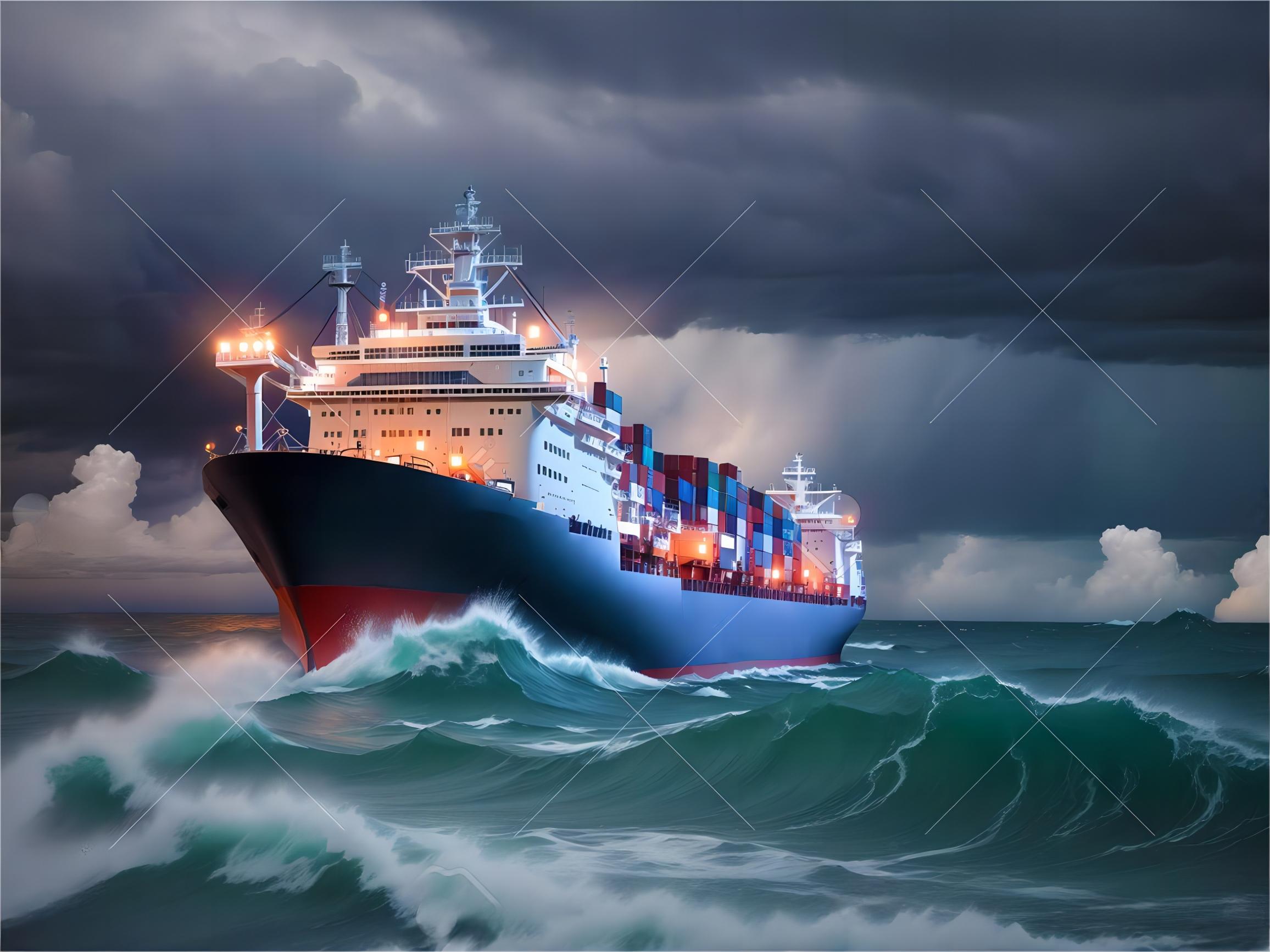
Considering LCL for Smaller Volumes
For shipments of auto parts that do not fill an entire 40HQ FCL container, Less than Container Load (LCL) shipping offers a viable alternative. With LCL, your cargo shares container space with other shippers’ goods, making it a cost-effective option for smaller volumes. However, LCL shipments typically involve more handling and can have longer transit times due to consolidation and deconsolidation processes.
Nevertheless, when FCL containers are scarce, LCL can be a practical solution to maintain a steady flow of essential auto parts. It helps avoid the high costs of shipping a partially empty FCL container.
Air Freight for Urgent Shipments
When speed is paramount for urgent auto parts deliveries, air freight is undeniably the fastest option. It significantly reduces transit time from weeks to mere days, ensuring critical components reach the Netherlands quickly. However, the premium for air freight is substantially higher than sea freight, making it suitable only for high-value, time-sensitive, or emergency shipments.
Despite the cost, air freight can prevent costly production line shutdowns or fulfill immediate customer demands. Therefore, it serves as an invaluable contingency plan during severe FCL shortages or unexpected supply chain disruptions.
Rail Freight as a Middle-Ground Solution
Rail freight offers a compelling balance between the speed of air freight and the cost-effectiveness of sea freight for shipments from China to Europe. The New Silk Road railway network provides a reliable and increasingly popular option for transporting auto parts. Transit times are generally much faster than ocean shipping, often taking 15-20 days.
Moreover, rail freight has a lower carbon footprint compared to air freight, appealing to environmentally conscious businesses. It serves as an excellent alternative during sea freight congestion or when a quicker, yet still affordable, option is needed.
Hybrid Solutions for Optimal Balance
In some scenarios, a hybrid approach, such as sea-air or rail-sea, can offer the best of both worlds. For example, shipping auto parts by sea to a hub like Dubai or Singapore, then air freighting them to the Netherlands, can save time compared to all-sea, while being less expensive than all-air. This strategy provides flexibility and can mitigate risks associated with single-mode transport.
Consequently, these intermodal solutions are particularly useful for complex supply chains or when balancing varying urgency levels of different auto parts. Consulting with a logistics expert can help design the most efficient hybrid route.
Which Option Should You Choose?
Your choice of shipping method for auto parts from China to the Netherlands depends heavily on your priorities. If budget is the primary concern and transit time is flexible, FCL or LCL sea freight is usually the most economical. Conversely, if speed is critical, air freight is the undisputed choice, despite its higher cost.
For a balance of speed and cost, rail freight presents a robust alternative. Furthermore, consider the cargo type; fragile or high-value components might benefit from air freight’s quicker handling, while bulky, durable items are ideal for sea or rail. Volume thresholds also play a role; FCL is best for large shipments (over 15-20 CBM), while LCL suits smaller consignments.
Cost-Saving Strategies and Trade-offs in Auto Parts Logistics
Optimizing logistics costs for auto parts from China to the Netherlands requires more than just choosing the cheapest shipping method. Strategic planning and understanding various trade-offs can lead to significant savings. Moreover, considering the total landed cost, rather than just freight rates, provides a more accurate picture of expenses.
Ultimately, a holistic approach to supply chain management is crucial. By exploring different strategies, businesses can reduce expenditure while maintaining efficiency and reliability in their auto parts import operations.
Consolidating Shipments
Consolidating multiple smaller orders into a single 40HQ FCL container can dramatically reduce per-unit shipping costs. Instead of sending several LCL shipments, combining them into one FCL maximizes container space and leverages economies of scale. This strategy is particularly effective for businesses with multiple suppliers in China.
Furthermore, consolidation reduces administrative overheads and streamlines customs clearance processes. Therefore, coordinating with suppliers and a reliable freight forwarder to manage consolidation points is a smart financial move.
Negotiating Long-Term Contracts
Establishing long-term contracts with carriers or freight forwarders can provide more stable and often preferential freight rates. These agreements offer a degree of protection against volatile market fluctuations and peak season surcharges. Consequently, they provide predictability in your shipping budget for auto parts.
Moreover, long-term partnerships often result in better service and guaranteed capacity, which is invaluable during container shortages. This commitment benefits both parties by fostering a reliable and efficient working relationship.
Understanding Incoterms
Properly understanding and applying Incoterms (International Commercial Terms) is vital for managing costs and responsibilities. Selecting the right Incoterm, such as FOB, CIF, or DDP, dictates who pays for what part of the journey and where risk transfers. This choice directly impacts your shipping costs and liability.
For instance, using DDP (Delivered Duty Paid) means the seller handles all costs and risks until delivery, simplifying the process for the buyer but potentially adding to the seller’s initial price. Conversely, FOB (Free On Board) shifts more responsibility to the buyer earlier, allowing more control over freight selection and costs. Understanding these nuances is key to optimizing your auto parts import strategy.
Real-World Scenarios: Overcoming Shipping Challenges
Examining actual case studies provides practical insights into how businesses successfully navigate the complexities of shipping auto parts from China to the Netherlands. These examples highlight the importance of strategic planning, flexibility, and a strong logistics partner. Ultimately, they demonstrate effective solutions for securing 40HQ FCL containers and managing supply chain demands.
Based on current market rates as of early 2025, freight costs from China to Europe for a 40HQ typically range from $3,000 to $4,200, with transit times around 28-35 days. Note: Freight rates are subject to change based on fuel costs, carrier capacity, and seasonal demand. Contact us for a current quote tailored to your specific shipment.
Case Study 1: Urgent Engine Components
| Detail | Description |
|---|---|
| Route | Shanghai, China -> Rotterdam, Netherlands |
| Cargo | Engine blocks & transmissions, 60 CBM, 15,000 kg |
| Container | 40HQ FCL |
| Shipping Details | Carrier: Maersk; Port of Loading: Shanghai; Port of Discharge: Rotterdam; Route Type: Direct |
| Cost Breakdown | Ocean Freight: $3,800; Origin Charges: $450; Destination Charges: $600; Customs & Duties (est): $700; Total Landed Cost: $5,550 |
| Timeline | Booking to Loading: 5 days; Sea Transit: 30 days; Customs Clearance: 3 days; Total Door-to-Door: 38 days |
| Key Insight | Proactive booking 4 weeks in advance secured critical space during a busy period, ensuring timely delivery of urgent automotive components. |
Case Study 2: Regular Auto Parts Shipment
| Detail | Description |
|---|---|
| Route | Ningbo, China -> Amsterdam, Netherlands |
| Cargo | Body panels, interior parts, 68 CBM, 12,000 kg |
| Container | 40HQ FCL |
| Shipping Details | Carrier: COSCO; Port of Loading: Ningbo; Port of Discharge: Rotterdam; Route Type: Transshipment via Singapore |
| Cost Breakdown | Ocean Freight: $3,200; Origin Charges: $400; Destination Charges: $550; Customs & Duties (est): $650; Total Landed Cost: $4,800 |
| Timeline | Booking to Loading: 7 days; Sea Transit: 35 days; Customs Clearance: 4 days; Total Door-to-Door: 46 days |
| Key Insight | Utilized a cost-effective transshipment route, accepting slightly longer transit for significant freight savings, ideal for regular, non-urgent stock replenishment. |
Case Study 3: Managing Peak Season Demand
| Detail | Description |
|---|---|
| Route | Shenzhen, China -> Rotterdam, Netherlands |
| Cargo | Electronic components & accessories, 65 CBM, 10,000 kg |
| Container | Primary: 40HQ FCL; Overflow: LCL 10 CBM |
| Shipping Details | Carrier: MSC; Port of Loading: Shenzhen; Port of Discharge: Rotterdam; Route Type: Direct (FCL), Consolidated (LCL) |
| Cost Breakdown | Ocean Freight (40HQ): $4,100; Ocean Freight (LCL): $750; Origin Charges: $500; Destination Charges: $700; Customs & Duties (est): $800; Total Landed Cost: $6,850 |
| Timeline | Booking to Loading: 10 days; Sea Transit: 32 days; Customs Clearance: 5 days; Total Door-to-Door: 47 days |
| Key Insight | A hybrid approach (FCL + LCL) successfully mitigated the impact of a full 40HQ FCL container shortage during Q4 peak season, ensuring all crucial auto parts arrived. |
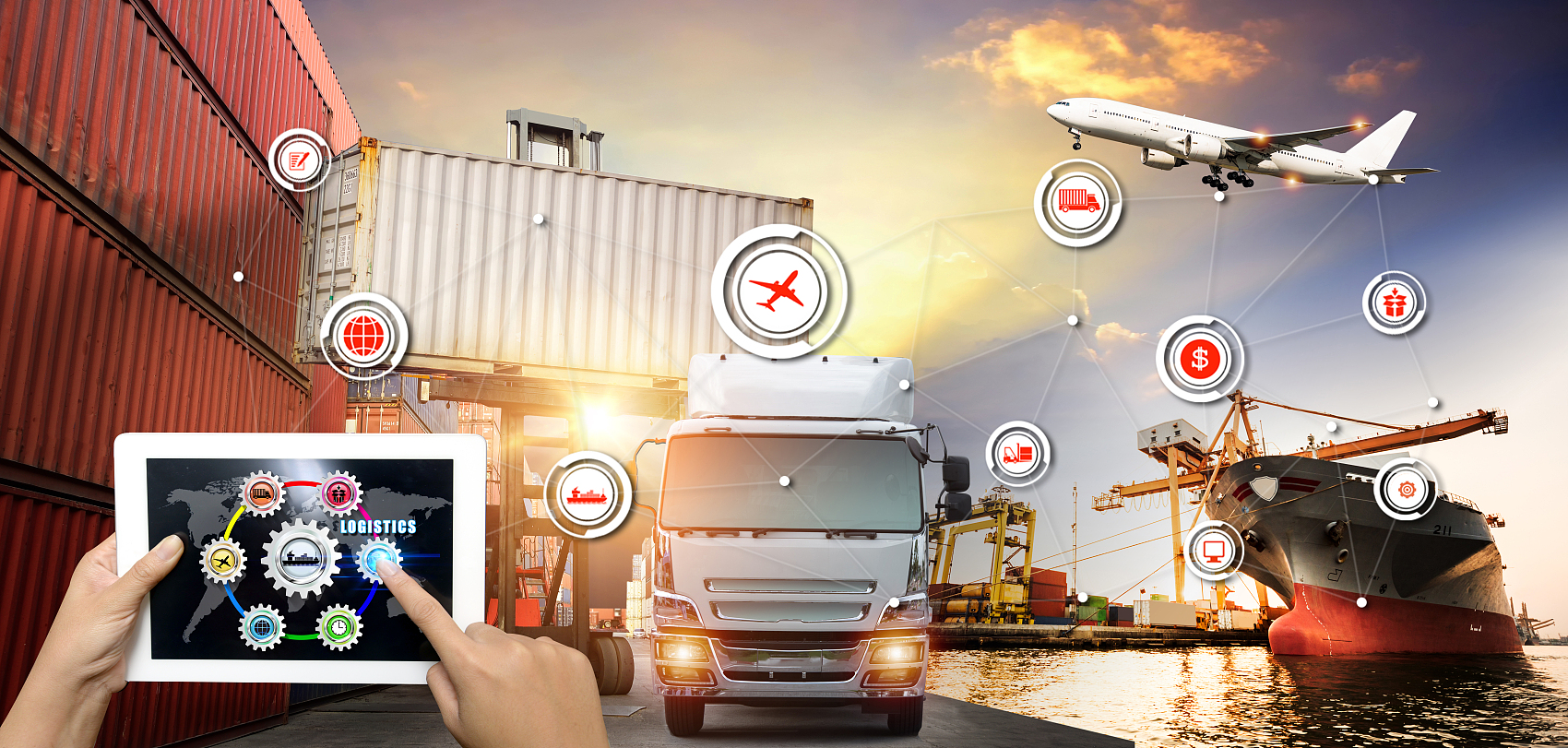
Partnering with a Reliable Freight Forwarder
Navigating the complexities of global shipping, especially with persistent 40HQ FCL container shortages, demands expertise. A seasoned freight forwarder acts as an indispensable partner, offering invaluable support and strategic guidance. They possess the industry connections and knowledge to anticipate challenges and implement effective solutions for your auto parts shipments.
Moreover, a reliable forwarder can provide end-to-end door to door logistics, simplifying the entire process from China to the Netherlands. This comprehensive service covers everything from origin pickup and documentation to customs clearance and final delivery. Consequently, partnering with an expert like China Top Freight streamlines your operations, allowing you to focus on your core business.
Conclusion
Effectively managing the 40HQ FCL container shortage for auto parts from China to the Netherlands requires a multi-faceted approach. By understanding the underlying causes, evaluating alternative shipping methods, and implementing strategic solutions, businesses can maintain a robust and resilient supply chain. Proactive planning, leveraging NVOCC relationships, and optimizing container loading are critical steps.
Ultimately, partnering with an experienced freight forwarder is paramount to navigating these challenges successfully. Their expertise and network can provide the stability and efficiency needed to ensure your auto parts reach their destination on time and within budget, even in a volatile market. Always seek current market rates and tailored solutions for your specific needs.
Need a tailored shipping solution?
Ready to overcome 40HQ FCL container shortages for your auto parts shipments from China to the Netherlands? Contact us today for a personalized quote and expert logistics advice. Let China Top Freight streamline your supply chain and ensure reliable delivery. Send your inquiry now to secure your next shipment.