

40GP FCL Demurrage Prevention for Solar Panels from China to Spain
Importing solar panels from China to Spain in 40GP FCL containers presents unique logistics challenges. Understanding and mitigating potential delays is crucial for cost control and project timelines. This guide explores robust strategies for efficient FCL shipping, specifically focusing on ’40GP FCL demurrage prevention for solar panels from China to Spain’. Ultimately, proactive planning can significantly reduce unexpected expenses and streamline your supply chain.
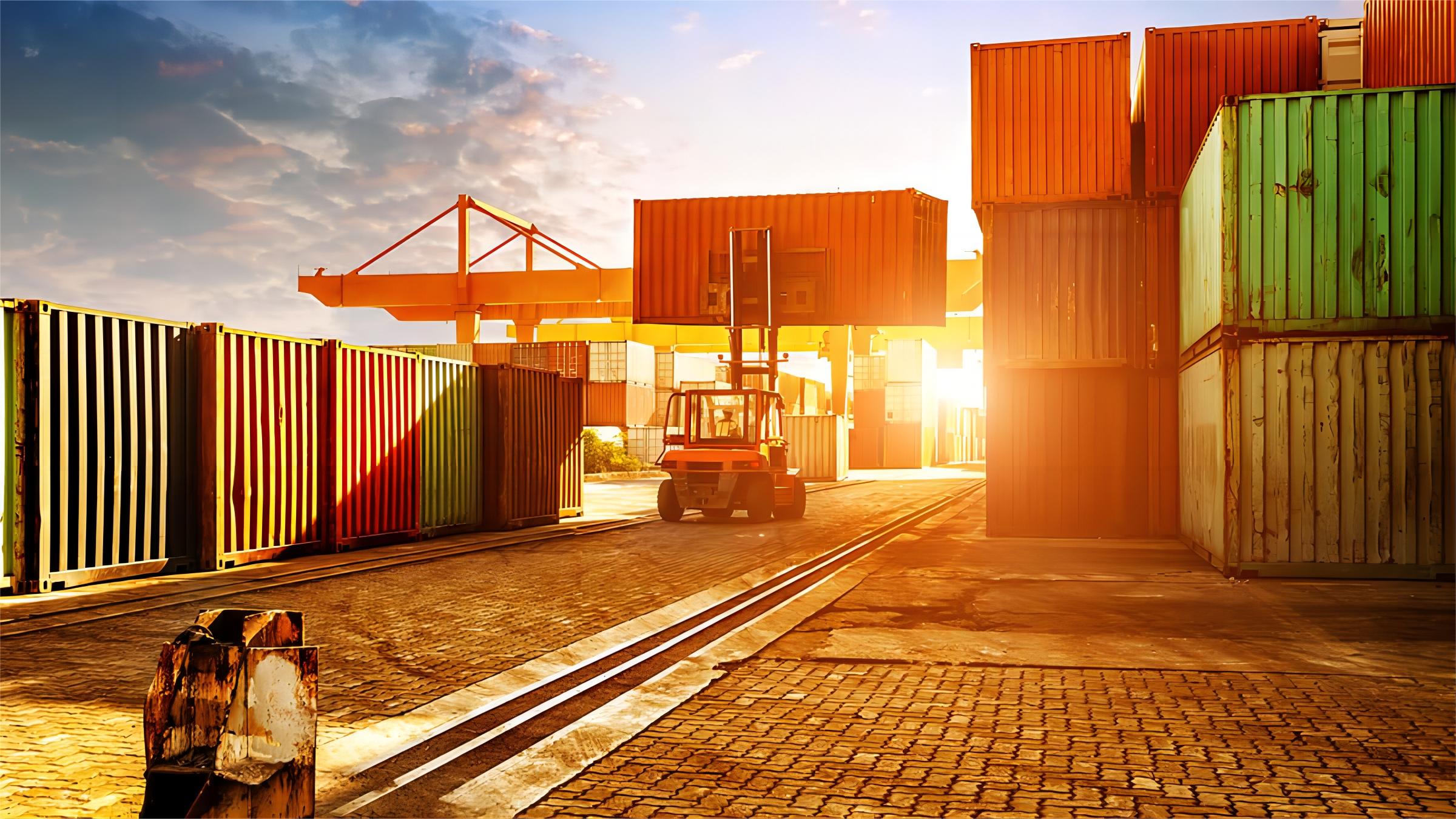
What is Demurrage and Why is it Critical for 40GP FCL Shipments?
Demurrage refers to the charges levied by the shipping line when a container remains at the port terminal beyond the allotted free days. For importers of solar panels, these charges can accumulate rapidly, significantly impacting overall shipping costs. Therefore, understanding these fees is the first step in effective management.
Conversely, detention charges apply if the consignee holds the container outside the port terminal beyond the free period. Both demurrage and detention are penalties for inefficient cargo handling, hence why preventing them is paramount for your ’40GP FCL demurrage prevention for solar panels from China to Spain’ strategy. Moreover, these charges highlight the need for precise logistics planning.
Proactive Strategies for 40GP FCL Demurrage Prevention
Effectively preventing demurrage requires a multi-faceted approach, encompassing planning, documentation, and timely execution. Focusing on these key areas can significantly reduce the risk of incurring unexpected costs. Furthermore, a well-coordinated strategy ensures smooth operations from origin to destination.

Accurate Documentation and Pre-Clearance
Firstly, ensuring all shipping documents, including the Bill of Lading, commercial invoice, packing list, and certificates of origin, are accurate and complete is non-negotiable. Errors or omissions can lead to significant customs delays, directly contributing to demurrage. Therefore, meticulous preparation is essential.
Secondly, leveraging pre-clearance procedures with Spanish customs authorities can drastically reduce waiting times at the port. Working with an experienced customs brokerage partner is highly recommended to navigate complex regulations. Consequently, this proactive step allows for faster cargo release upon arrival.
Optimizing Port Operations and Free Days
Negotiating extended free days with your shipping line can provide a crucial buffer against unforeseen delays. While standard free days range from 3-7, securing additional time, especially for high-volume shipments like solar panels, offers greater flexibility. Always discuss this possibility during your initial booking.
Additionally, coordinating with your trucking company and warehouse in Spain for immediate container pickup upon arrival is vital. Port congestion, particularly in major hubs like Valencia or Barcelona, can quickly erode free days. Therefore, a robust local logistics plan is indispensable for ’40GP FCL demurrage prevention for solar panels from China to Spain’.
Effective Communication and Collaboration
Maintaining open and constant communication with all parties involved – your supplier, freight forwarder, shipping line, and local logistics partners – is paramount. Regular updates on vessel schedules, potential delays, and customs status enable quick responses. Consequently, this collaborative approach minimizes surprises.
Furthermore, establishing clear communication protocols ensures that any issues are addressed promptly, preventing them from escalating into costly demurrage charges. For instance, immediate notification of a vessel delay allows for adjustments to inland transport. This proactive stance supports efficient supply chain management.
Choosing the Right Logistics Partner for Solar Panel Imports
Selecting a reputable and experienced freight forwarder is perhaps the most critical decision for successful solar panel imports. A proficient partner offers invaluable expertise in route optimization, carrier selection, and navigating customs complexities. Their guidance is essential for ’40GP FCL demurrage prevention for solar panels from China to Spain’.
Indeed, a good forwarder can secure competitive sea freight rates and extended free days, leveraging their industry relationships. They also manage critical documentation and provide real-time tracking, ensuring transparency throughout the shipping process. Therefore, choose a partner with a proven track record in handling similar cargo.

How Does FCL Sea Freight Compare to Other Shipping Options?
While FCL sea freight is the most common method for shipping large volumes of solar panels, understanding alternatives provides strategic flexibility. Different scenarios might warrant different approaches based on urgency, cost, and cargo volume. Therefore, a comparative analysis is beneficial.
Consider the unique requirements of your project when evaluating various shipping modes. Each method offers distinct advantages and limitations, influencing overall logistics and cost-efficiency. This careful evaluation is key to optimizing your supply chain.
| Shipping Method | Cost Range (40GP equivalent) | Transit Time (China to Spain) | Best For | Limitations |
|---|---|---|---|---|
| FCL Sea Freight | $2,800 – $4,200 | 28 – 35 days | Large volume, cost-effectiveness, heavy cargo | Long transit times, port congestion risk |
| LCL Sea Freight | $3,500 – $5,500 (per 40GP equivalent) | 35 – 45 days | Smaller shipments (under 15 CBM), flexibility | Higher cost per CBM, longer transit, consolidation delays |
| Rail Freight | $6,000 – $9,000 | 18 – 25 days | Faster than sea, less costly than air, consistent schedule | Limited capacity, specific rail terminals, potential transshipment |
| Air Freight | $15,000 – $25,000 | 5 – 7 days | Urgent, high-value, small volume shipments | Extremely high cost, limited by cargo weight/volume, carbon footprint |
Decision Framework: Which Shipping Option is Right for Your Solar Panels?
Choosing the optimal shipping method depends on a clear assessment of your priorities. Balancing cost, speed, and reliability is crucial for effective project management. This framework helps in making an informed decision for your solar panel imports.
Furthermore, consider the specific characteristics of your solar panel modules and the overall project timeline. Each factor plays a significant role in determining the most suitable logistics solution. Flexibility in planning can also yield considerable benefits.
Budget Priority
If cost-effectiveness is your primary concern, FCL sea freight remains the undisputed champion for solar panels. While transit times are longer, the per-unit shipping cost is significantly lower. Therefore, plan well in advance to leverage this economic advantage.
Speed Priority
For urgent components or critical project deadlines, rail freight offers a faster alternative to sea, or even air freight for smaller, high-value items. Air freight is reserved for emergency situations due to its prohibitive cost for large volumes. Consequently, assess urgency against budget constraints.
Cargo Type and Volume Considerations
Large, fragile solar panels are best suited for FCL containers, minimizing handling and potential damage. For smaller, less sensitive ancillary equipment, LCL or even express service might be viable. Therefore, match the method to the specific cargo characteristics. However, for the main solar panels, FCL is almost always preferred.
Hybrid Solutions and Trade-offs
Sometimes, a combination of methods, like sea-rail or even sea-air for specific components, can offer a balanced approach. While this adds complexity, it can optimize both cost and speed for different parts of a larger shipment. Consequently, explore these hybrid strategies with your freight forwarder. Such tailored approaches can enhance overall efficiency.

Real-World Scenarios: Preventing Demurrage in Solar Panel Shipments
Examining practical examples helps illustrate how effective strategies lead to successful ’40GP FCL demurrage prevention for solar panels from China to Spain’. These case studies highlight common challenges and the solutions implemented. Learning from these scenarios can inform your own logistics planning.
Case Study 1: Large-Scale Project in Valencia
| Detail | Description |
|---|---|
| Route | Shanghai, China to Valencia, Spain |
| Cargo | 5,000 monocrystalline solar panels, 120 CBM, 95,000 kg |
| Container | 5 x 40GP FCL |
| Shipping Details | Carrier: MSC, Port of Loading: Shanghai, Port of Discharge: Valencia, Route Type: Direct |
| Cost Breakdown (per 40GP, estimated Q1 2025) | Ocean Freight: $3,200, Origin Charges: $450, Destination Charges: $550, Customs & Duties (estimated): $800, Total Landed Cost: $5,000 |
| Timeline | Booking to Loading: 7 days, Sea Transit: 30 days, Customs Clearance: 2 days, Total Door-to-Door: 39 days |
| Key Insight | Pre-arranged door-to-door services with extended free days (10 days) and pre-cleared customs prevented demurrage despite minor port congestion. Timely communication with the trucking company was crucial. |
Case Study 2: Urgent Delivery to Southern Spain
| Detail | Description |
|---|---|
| Route | Ningbo, China to Algeciras, Spain |
| Cargo | 2,000 bifacial solar panels, 48 CBM, 38,000 kg |
| Container | 2 x 40GP FCL |
| Shipping Details | Carrier: COSCO, Port of Loading: Ningbo, Port of Discharge: Algeciras, Route Type: Transshipment via Singapore |
| Cost Breakdown (per 40GP, estimated Q4 2024) | Ocean Freight: $2,900, Origin Charges: $400, Destination Charges: $500, Customs & Duties (estimated): $750, Total Landed Cost: $4,550 |
| Timeline | Booking to Loading: 5 days, Sea Transit: 33 days, Customs Clearance: 3 days, Total Door-to-Door: 41 days |
| Key Insight | Despite transshipment, proactive documentation and close monitoring of the vessel’s progress prevented delays. The client opted for a slightly longer transit via transshipment to secure better rates, accepting the trade-off. However, a small portion of critical components was sent via rail freight to meet an earlier installation deadline. |
Navigating Market Trends and Seasonal Impacts
Freight rates and transit times are not static; they fluctuate significantly based on global economic conditions, geopolitical events, and seasonal demand. As of Q1 2025, freight rates from China to Europe have stabilized after the 2024 Red Sea disruptions, yet vigilance remains crucial. Therefore, staying informed is key.
Moreover, peak seasons, such as before Chinese New Year or during the August-October pre-holiday rush, typically see rates increase by 15-25% and port congestion worsen. Planning your shipments to avoid these periods, or budgeting for higher costs and longer lead times, is essential for ’40GP FCL demurrage prevention for solar panels from China to Spain’. Market data suggests flexibility can yield savings.
Note: Freight rates are subject to change based on fuel costs, carrier capacity, and seasonal demand. Contact us for a current quote tailored to your specific shipment.
Leveraging Technology for Enhanced Supply Chain Visibility
Modern logistics platforms offer advanced tracking and communication tools that provide real-time visibility into your shipment’s journey. From vessel position to customs status, these technologies empower importers to anticipate and react to potential delays. Consequently, better visibility directly aids in demurrage prevention.
Furthermore, digital solutions facilitate faster document exchange and streamline communication among all stakeholders. This technological integration minimizes manual errors and speeds up decision-making, contributing significantly to an optimized and resilient supply chain. Indeed, embracing technology is a strategic advantage.
Conclusion: Mastering 40GP FCL Demurrage Prevention for Solar Panels
Successfully importing solar panels from China to Spain requires meticulous planning and proactive management. By focusing on accurate documentation, optimizing port operations, and partnering with a reliable freight forwarder, businesses can significantly reduce the risk of demurrage. Ultimately, these strategies ensure cost-effective and timely delivery.
Furthermore, understanding market dynamics and leveraging technology further enhances supply chain resilience. Mastering ’40GP FCL demurrage prevention for solar panels from China to Spain’ is not just about avoiding fees; it’s about building a robust and predictable logistics framework for your renewable energy projects.
Get Your Shipping Quote Today
Are you ready to optimize your solar panel imports from China to Spain and effectively prevent demurrage charges? Contact our expert team today for a customized logistics solution tailored to your specific needs. Let us help you navigate the complexities of international shipping with confidence and efficiency.
Request Quote