China FCL Export Documentation to Germany: Your Complete Guide
Shipping Full Container Load (FCL) cargo from China to Germany involves a complex web of regulations and paperwork. Navigating China FCL export documentation to Germany effectively is crucial for ensuring smooth customs clearance and timely delivery. Without proper preparation, businesses often face costly delays and penalties. This comprehensive guide will simplify the process, helping you manage your international freight with confidence and efficiency. For reliable logistics solutions, visit China Top Freight.
What is FCL Shipping and Why Choose it for Germany?
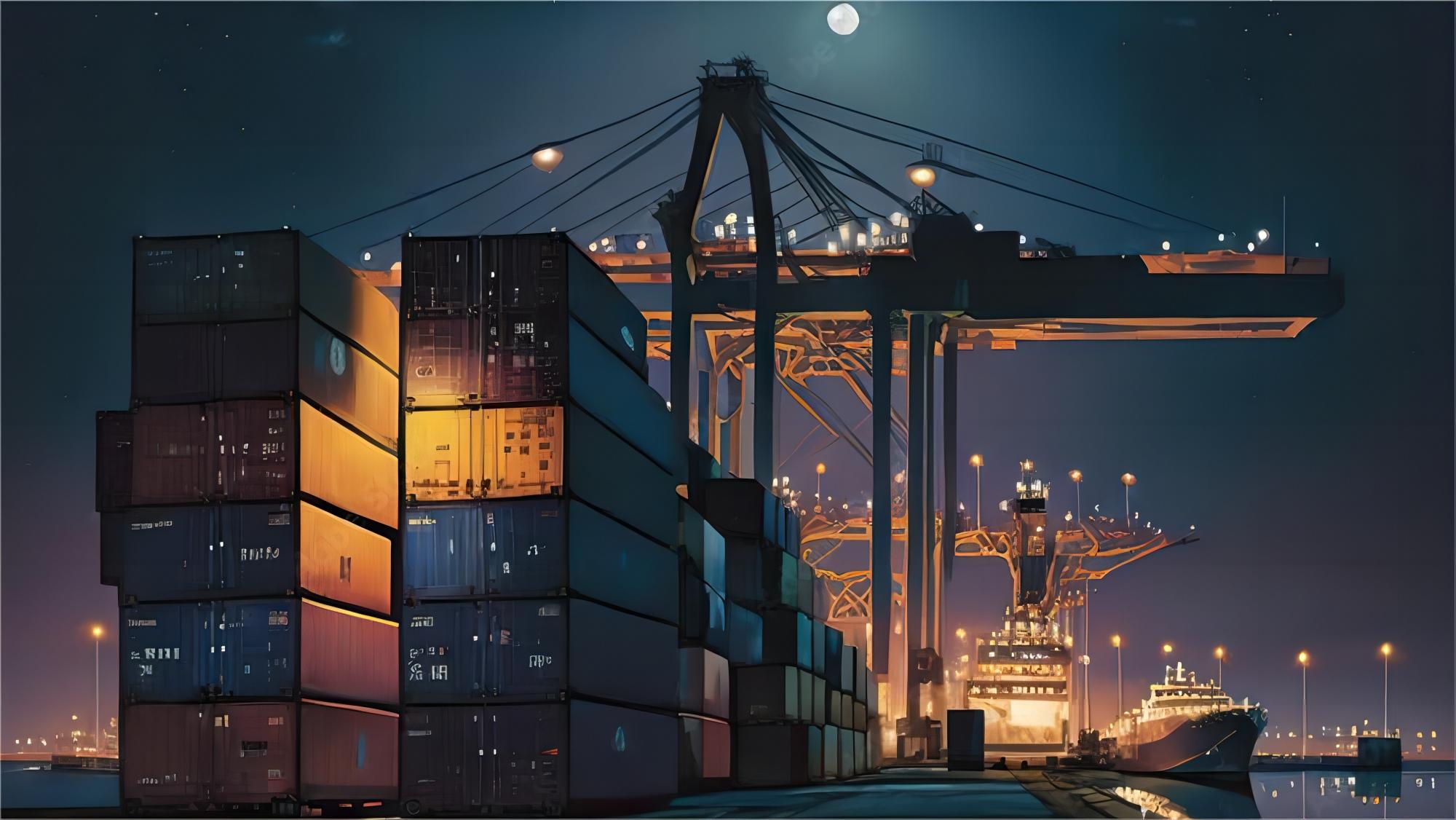
Full Container Load (FCL) shipping means your goods occupy an entire shipping container. This method is ideal for larger shipments that can fill a 20-foot or 40-foot container.
Choosing FCL offers several advantages for businesses importing from China to Germany. Notably, it provides greater security and reduces handling risks, as your cargo remains sealed from origin to destination.
Moreover, FCL often results in faster transit times compared to Less than Container Load (LCL) shipments. This is because there is no need for consolidation or deconsolidation with other cargo.
For bulk goods, high-value items, or time-sensitive products, FCL shipping presents a cost-effective and efficient solution. It ensures your supply chain remains robust and predictable.
Many German importers prefer FCL to maintain control over their delivery schedule and cargo integrity. Understanding China FCL export documentation to Germany is the first step.
Key Export Documentation Requirements from China
Proper documentation is the backbone of successful international trade. When exporting FCL from China to Germany, a series of precise documents are mandatory. These forms ensure compliance with both Chinese export and German import regulations.
Missing or incorrect paperwork can lead to significant delays, penalties, and even confiscation of goods. Therefore, meticulous preparation of each document is absolutely essential for smooth operations.
Commercial Invoice
The Commercial Invoice is arguably the most critical document. It provides a complete record of the transaction between the exporter and importer. This includes the goods’ description, quantity, unit price, and total value.
It must accurately reflect the Incoterms agreed upon, such as FOB or CIF. Furthermore, it serves as the basis for calculating customs duties and taxes in Germany.
Packing List
A detailed Packing List accompanies the commercial invoice. This document outlines the contents of each package within the FCL container. It specifies weight, dimensions, and the number of packages.
This information is crucial for customs officials during inspection. It also assists the importer in verifying the received cargo against the order. Accuracy here prevents disputes and speeds up cargo handling.
Bill of Lading (B/L)
The Bill of Lading is a legal document issued by the carrier to the shipper. It serves three primary functions: a contract of carriage, a receipt for goods, and a document of title. For sea freight, this is indispensable.
It details the type, quantity, and destination of the goods being shipped. The B/L is essential for taking possession of the cargo at the destination port in Germany. Without it, goods cannot be released.
Export Declaration
The Chinese Export Declaration is submitted to Chinese customs authorities. It provides details about the goods leaving China. This ensures compliance with Chinese export controls and statistics.
Your freight forwarder typically handles the submission of this document. However, the exporter is ultimately responsible for the accuracy of the information provided.
Certificate of Origin (COO)
A Certificate of Origin certifies where the goods were manufactured. This document is vital for determining preferential tariffs or duties under trade agreements between China and the EU. It affects the overall FCL shipping costs China Germany.
For exports to Germany, a Form A or a general Certificate of Origin might be required. This helps importers claim reduced tariffs, significantly impacting the final landed cost.
Other Specific Documents
Depending on the nature of the goods, additional documents may be required. These can include fumigation certificates for wooden packaging, health certificates for food products, or licenses for restricted items.
For certain electronics or machinery, compliance certificates like CE markings are mandatory for entry into the EU. Always verify specific requirements for your product category to ensure smooth customs brokerage.
German Import Documentation and Customs Clearance
Once your FCL shipment arrives in Germany, it must clear German customs. The German import documentation requirements largely mirror the export documents but are viewed from the importer’s perspective. Importers need accurate paperwork for efficient processing.
The German customs authority (Zoll) scrutinizes all incoming shipments. They verify compliance with EU regulations, product safety standards, and import duties. A smooth customs clearance process China to Germany FCL relies on preparedness.
EORI Number
All economic operators engaged in import or export activities within the EU must have an Economic Operators Registration and Identification (EORI) number. This unique identifier is mandatory for all customs declarations.
Without a valid EORI number, your goods cannot be cleared through German customs. Therefore, ensure your German consignee possesses this number well in advance of shipment arrival.
Customs Value Declaration
The importer must declare the customs value of the goods. This is typically based on the transaction value, plus any additional costs like freight and insurance if not already included in the invoice price. This affects the final FCL shipping costs China Germany.
Accurate valuation is critical for correct duty and VAT assessment. Misdeclaration can lead to fines and delays. German import regulations for Chinese goods are stringent in this regard.
Proof of Origin and Tariff Classification
As mentioned, the Certificate of Origin is crucial for tariff benefits. Additionally, goods must be correctly classified using the Harmonized System (HS) codes and the EU’s TARIC database.
Correct tariff codes for Germany imports ensure proper duty rates are applied. Incorrect classification can result in overpayment or underpayment of duties, leading to customs inquiries.
VAT and Duties
Importers are liable for Value Added Tax (VAT) and customs duties. The standard VAT rate in Germany is 19%, though reduced rates apply to certain goods. Duties vary significantly based on the product’s tariff code and origin.
These charges are calculated based on the declared customs value and must be paid before goods can be released. Understanding these financial obligations is key to managing overall FCL freight rates China to Germany.
The Role of a Reliable Freight Forwarder
Navigating the complexities of China FCL export documentation to Germany can be overwhelming for businesses. This is where a professional freight forwarder becomes an invaluable partner. They streamline the entire shipping process.
A good freight forwarder possesses in-depth knowledge of international shipping regulations, customs procedures, and documentation requirements. They act as an intermediary, coordinating all aspects of your shipment.
From booking cargo space with carriers to managing customs declarations, a freight forwarder handles the intricate details. This allows businesses to focus on their core operations, saving time and reducing stress.
They can advise on the best routes, optimize transit time FCL China to Germany, and help with cargo insurance. Moreover, they ensure all required documents are correctly prepared and submitted on time.
For comprehensive door-to-door service, a freight forwarder is indispensable. They connect your Chinese supplier to your German warehouse seamlessly, managing all logistics.
Streamlining Your Documentation Process
Efficient documentation management is critical for avoiding delays and ensuring compliance. Implementing best practices for FCL export documentation can significantly improve your supply chain efficiency. It minimizes potential pitfalls.
Digitalization plays a crucial role in modern logistics. Utilizing electronic document submission and cloud-based platforms can speed up processes and reduce errors. This also improves transparency and accessibility of information.
Furthermore, maintaining clear communication channels with your supplier, freight forwarder, and customs broker is paramount. Proactive information sharing prevents last-minute surprises. It ensures everyone is aligned.
Consider creating a standardized checklist for all your FCL shipments to Germany. This ensures no critical document is overlooked. Regular training for your team on Incoterms and customs regulations is also beneficial.
Finally, always keep copies of all submitted documents for record-keeping purposes. This provides a paper trail for audits or future reference. It’s a key aspect of effective supply chain management China to Europe.
Common Challenges and How to Avoid Them
Despite careful planning, challenges can arise during FCL shipping from China to Germany. Understanding these common pitfalls and implementing preventative measures is essential. It helps in avoiding delays in China to Germany FCL shipments.
One frequent issue is incomplete or inaccurate documentation. This often leads to customs holding goods for inspection. Double-checking all forms against a checklist before submission can mitigate this risk.
Another challenge is misclassification of goods. Incorrect tariff codes can result in higher duties or even fines. Consulting with customs experts or using reliable classification tools is advisable.
Unexpected delays at ports due to congestion or unforeseen events are also common. While some factors are uncontrollable, choosing reputable carriers and ports with lower congestion rates can help. Regular communication with your freight forwarder is vital.
Finally, changes in import regulations or trade policies can catch importers off guard. Staying informed through industry updates and your logistics partners is crucial. This proactive approach ensures continuous compliance.
How Does FCL Shipping Compare to Other Options?
Choosing the right shipping method is a strategic decision impacting cost, speed, and reliability. While FCL is excellent for large volumes, other options might suit different needs. It is important to evaluate all viable alternatives for the China to Germany route.
Understanding these comparisons helps businesses make informed decisions based on their specific cargo type, budget, and delivery schedule. Each method has distinct advantages and limitations.
| Shipping Method | Cost Range (40HQ China-Germany) | Transit Time | Best For | Limitations |
|---|---|---|---|---|
| FCL Sea Freight | $3,000-4,200 | 28-35 days | Large volumes, cost-sensitive, non-urgent goods | Slowest transit, port congestion risks |
| LCL Sea Freight | $50-80/CBM | 35-45 days | Small volumes (under 15 CBM), cost-sensitive | Slower, more handling, less security |
| Rail Freight | $8,000-12,000 | 15-20 days | Medium urgency, balance of cost/speed, certain cargo types | Less capacity than sea, route limitations |
| Air Freight | $15,000-25,000 | 5-7 days | Urgent, high-value, perishable goods, small volumes | Highest cost, capacity limits for very large items |
FCL vs. LCL: When to Choose Which
FCL (Full Container Load) is best for large volumes, typically over 15-20 CBM, offering dedicated container space, faster transit, and reduced handling. It’s the standard for significant commercial shipments.
LCL (Less than Container Load) is suitable for smaller shipments, usually under 15 CBM, where your goods share container space with others. While more economical for small volumes, it involves consolidation and deconsolidation, potentially increasing transit time and handling risk.
For instance, if your cargo is 10 CBM, LCL at $50-80/CBM might be more cost-effective than paying for an entire 20GP container. However, if you have 25 CBM, FCL becomes the more economical and efficient choice.
Sea Freight vs. Air Freight vs. Rail Freight
Sea freight, particularly FCL, is the most cost-effective option for large, non-urgent shipments from China to Germany. It offers significant capacity but has the longest transit times, typically 28-35 days.
Air freight is the fastest method, ideal for urgent, high-value, or perishable goods. It delivers in 5-7 days but comes with a substantially higher cost, making it unsuitable for bulk cargo.
Rail freight offers a middle ground in terms of both cost and transit time, usually 15-20 days. It’s an increasingly popular option for shipments to Europe, balancing speed and affordability for many goods.
For example, a 40HQ container via sea might cost $3,000-4,200, while the equivalent volume by air could be $15,000-25,000. Rail freight would fall somewhere in between, perhaps $8,000-12,000 for a similar volume.
The choice heavily depends on your budget, urgency, and cargo type. Each method has its place in a diversified supply chain strategy.
Hybrid Solutions and Cost-Saving Strategies
Hybrid solutions like sea-air or rail-sea combinations can offer flexibility. For example, shipping by sea to a European hub and then by air to Germany can accelerate delivery for time-sensitive components.
Cost-saving strategies include optimizing container loading to maximize space utilization. Negotiating favorable Incoterms with suppliers can also shift freight responsibility and costs.
Considering different port options in China and Germany can sometimes yield better rates or shorter transit times. For instance, shipping from a major port like Shanghai or Ningbo often provides more competitive FCL freight rates China to Germany.
Booking well in advance, especially during peak seasons, can help secure better rates and avoid premium surcharges. Flexibility in delivery dates can also lead to savings.
The trade-off often lies between cost and speed. Faster options inherently cost more. Businesses must weigh these factors against their specific logistical needs and customer expectations.
Which Option Should You Choose? (Decision Framework)
If budget is your primary priority and time is less critical, FCL sea freight is typically the most economical choice. This applies especially to bulk goods or lower-value products.
For speed-critical shipments, such as fashion items, electronics, or urgent spare parts, air freight is the clear winner, despite its higher cost. Consider express service for smaller, highly urgent parcels.
If you need a balance between cost and speed, rail freight offers an attractive alternative for many types of cargo. It’s often faster than sea but significantly cheaper than air.
Cargo type also plays a role. Perishables, hazardous materials, or oversized cargo might have specific method requirements. Always consult with a freight forwarder for tailored advice.
For smaller volumes (under 15 CBM), LCL sea freight or air cargo (if urgent) are more appropriate. Over 15-20 CBM, FCL becomes increasingly cost-effective. Amazon FBA shipments often benefit from FCL for inventory replenishment.
Real-World Case Studies: China to Germany FCL
Examining real-world scenarios provides practical insights into managing China FCL export documentation to Germany. These examples highlight the various factors influencing shipping success. They demonstrate how different industries navigate the complexities of international logistics.
These case studies, based on Q3 2024 market rates, illustrate typical challenges and effective solutions. They offer a glimpse into the diverse requirements for FCL shipments.
Note: Freight rates are subject to change based on fuel costs, carrier capacity, and seasonal demand. Contact us for a current quote tailored to your specific shipment.
Case Study 1: Electronics Manufacturer
| Detail | Description |
|---|---|
| Route | Shenzhen, China -> Hamburg, Germany |
| Cargo | Consumer electronics (smart home devices), 60 CBM, 15,000 kg |
| Container | 1 x 40HQ |
| Shipping Details | Carrier: COSCO, Port of Loading: Shenzhen, Port of Discharge: Hamburg, Route Type: Direct |
| Cost Breakdown | Ocean Freight: $3,800, Origin Charges: $450, Destination Charges: $550, Customs & Duties (estimated): $1,200, Total Landed Cost: $6,000 |
| Timeline | Booking to Loading: 5 days, Sea Transit: 28 days, Customs Clearance: 3 days, Total Door-to-Door: 36 days |
| Key Insight | Ensuring correct CE certifications and tariff codes was crucial for swift German customs clearance. Pre-clearance arrangements sped up delivery. |
Case Study 2: Auto Parts Supplier
| Detail | Description |
|---|---|
| Route | Ningbo, China -> Bremerhaven, Germany |
| Cargo | Automotive spare parts, 25 CBM, 8,000 kg |
| Container | 1 x 20GP |
| Shipping Details | Carrier: Maersk, Port of Loading: Ningbo, Port of Discharge: Bremerhaven, Route Type: Direct |
| Cost Breakdown | Ocean Freight: $2,200, Origin Charges: $380, Destination Charges: $480, Customs & Duties (estimated): $800, Total Landed Cost: $3,860 |
| Timeline | Booking to Loading: 7 days, Sea Transit: 32 days, Customs Clearance: 4 days, Total Door-to-Door: 43 days |
| Key Insight | Detailed packing lists and accurate product descriptions prevented delays. German import regulations for Chinese goods, especially auto parts, are stringent. |
Case Study 3: Furniture Importer
| Detail | Description |
|---|---|
| Route | Shanghai, China -> Rotterdam (via rail to Germany) |
| Cargo | Wooden furniture (flat-packed), 65 CBM, 18,000 kg |
| Container | 1 x 40HQ |
| Shipping Details | Carrier: COSCO (sea portion), Rail Operator (rail portion), Port of Loading: Shanghai, Port of Discharge: Rotterdam (sea), Final Destination: Stuttgart, Germany (rail), Route Type: Sea-Rail Hybrid |
| Cost Breakdown | Ocean Freight (Shanghai-Rotterdam): $3,500, Rail Freight (Rotterdam-Stuttgart): $4,500, Origin Charges: $500, Destination Charges: $600, Customs & Duties (estimated): $1,500, Total Landed Cost: $10,600 |
| Timeline | Booking to Loading: 6 days, Sea Transit: 25 days, Rail Transit: 5 days, Customs Clearance: 3 days, Total Door-to-Door: 39 days |
| Key Insight | This hybrid solution optimized transit time FCL China to Germany for bulky goods. Careful coordination of sea and rail legs was crucial. Fumigation certificates were also required. |
Conclusion: Mastering Your China FCL Export Documentation to Germany
Successfully shipping FCL cargo from China to Germany hinges on meticulous preparation and a deep understanding of documentation requirements. From commercial invoices to certificates of origin, every document plays a vital role in customs clearance and overall supply chain efficiency.
Partnering with an experienced freight forwarder significantly simplifies this intricate process. They provide the expertise needed to navigate both Chinese export and German import regulations effectively. This ensures your cargo reaches its destination without unnecessary delays or added costs.
By following best practices and staying informed, businesses can confidently manage their China FCL export documentation to Germany. This leads to a more predictable and cost-effective international shipping experience. Ultimately, it strengthens your global supply chain.
Ready to streamline your logistics?
Ready to streamline your FCL exports from China to Germany? Our expert team at China Top Freight is here to help you navigate complex documentation and ensure seamless delivery. Contact us today for a personalized quote and professional logistics support.