

40GP FCL Demurrage Prevention for Furniture from China to Spain
Shipping furniture in a 40GP FCL container from China to Spain presents significant logistical challenges. Unforeseen delays can quickly lead to expensive demurrage charges, impacting your profit margins. Understanding and implementing effective prevention strategies is crucial for smooth international trade. China Top Freight offers comprehensive solutions to navigate these complexities.

What Are Demurrage and Detention Charges in FCL Shipping?
Demurrage and detention are critical terms in international shipping, representing fees charged by carriers. These charges arise when containers are not moved within the allocated free time. Consequently, understanding these costs is vital for importers.
Demurrage applies when a full container remains at the port terminal beyond the free days. This typically covers the period from vessel arrival until the container is picked up for transport. Moreover, detention charges occur if the empty container is not returned to the carrier’s depot within the specified free time after unloading. Both can accumulate rapidly, thus increasing overall sea freight costs significantly.
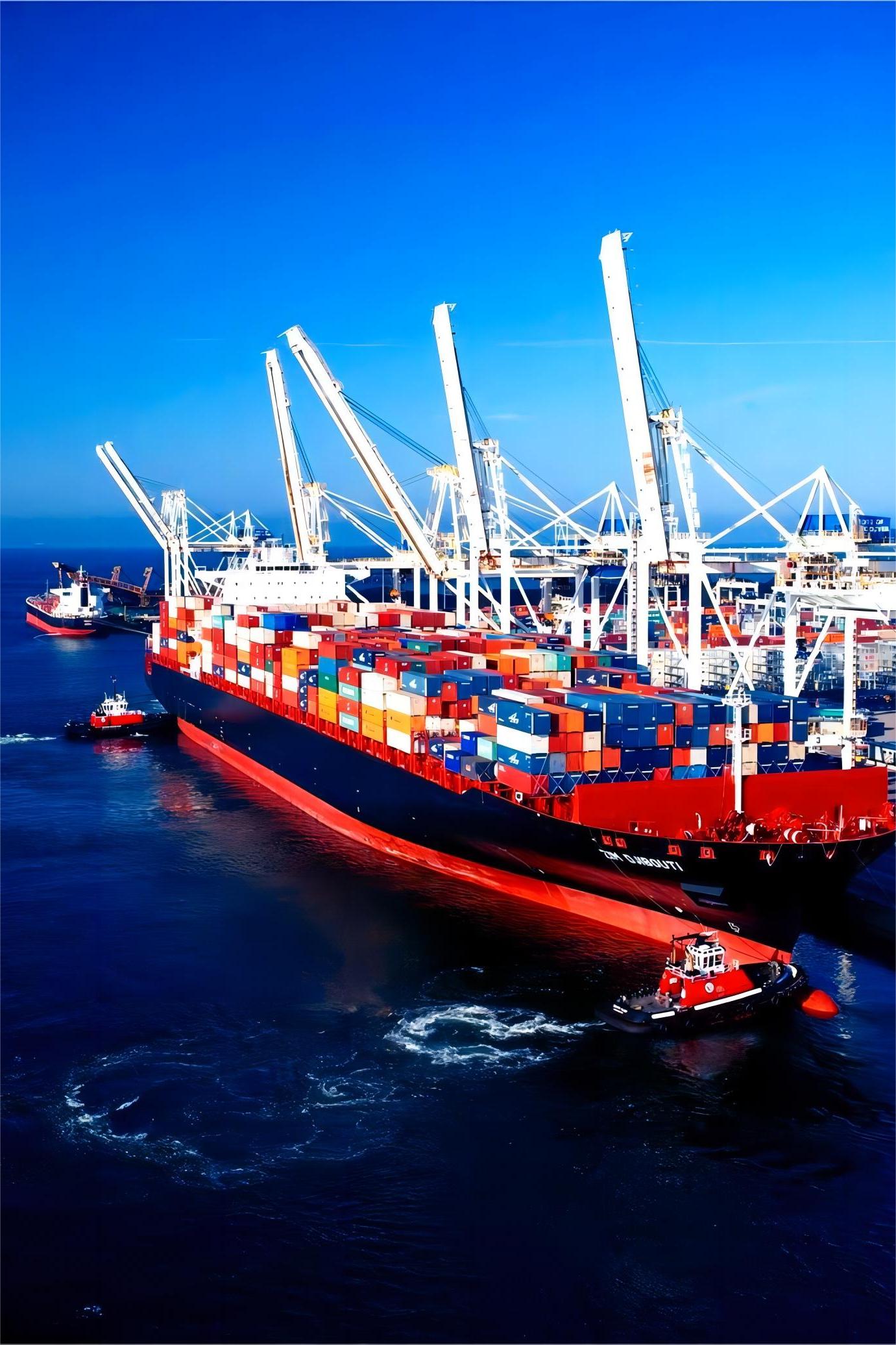
Why is Furniture from China to Spain Prone to Demurrage?
Furniture shipments, especially in 40GP FCL containers, often face unique challenges on the China to Spain route. These challenges heighten the risk of incurring demurrage fees. For instance, the sheer volume and often delicate nature of furniture require careful handling and specific storage conditions.

Furthermore, specific Spanish import regulations for furniture, including safety standards and material declarations, can lead to customs delays. Incorrect or incomplete documentation is a common culprit. Additionally, port congestion at major European hubs like Valencia or Barcelona can extend waiting times, making efficient customs brokerage essential.
Key Strategies for 40GP FCL Demurrage Prevention
Proactive planning and meticulous execution are paramount to preventing demurrage charges. Implementing a robust strategy covers various stages of your supply chain. This approach minimizes unexpected costs and ensures timely delivery of your furniture.
Indeed, effective communication with all parties involved, from suppliers to freight forwarders and customs brokers, forms the backbone of successful demurrage prevention. Consequently, a well-coordinated effort can significantly reduce risks.

Optimized Documentation and Customs Clearance
Accurate and complete documentation is perhaps the most critical factor. Errors on bills of lading, commercial invoices, or packing lists cause significant customs delays. Therefore, double-checking all paperwork before shipment departure is non-negotiable.
Moreover, engaging a reliable customs broker in Spain can expedite the clearance process. They possess expertise in local regulations and can pre-clear shipments or advise on necessary declarations. This proactive step can save days, directly impacting free time at the port.
Efficient Port Operations and Delivery Scheduling
Coordinating with your destination warehouse and trucking company is crucial for prompt container pickup. Ensure your receiving facility is prepared to unload the 40GP FCL container immediately upon arrival. Delays at this stage can quickly eat into free time.
Furthermore, consider door-to-door services. This comprehensive service streamlines the entire process, from origin pickup to final delivery, reducing coordination burdens. A single point of contact often leads to smoother transitions and fewer potential holdups.
Negotiating Extended Free Time
Depending on your shipping volume and relationship with the carrier, it may be possible to negotiate additional free days. This is particularly valuable for large-volume importers or during peak seasons. Always discuss this option with your freight forwarder.
However, extended free time usually comes at a premium or is reserved for loyal clients. Nevertheless, the potential savings from avoiding demurrage often outweigh the cost of these negotiated terms. It’s a strategic investment in predictable logistics.
Real-time Tracking and Communication
Utilize advanced tracking systems to monitor your shipment’s progress in real-time. Knowing the exact location and estimated arrival time allows for better planning and reaction to potential delays. This transparency is invaluable.
In addition, maintain open communication channels with your freight forwarder, supplier, and consignee. Promptly address any issues that arise, whether it’s a documentation discrepancy or a revised delivery schedule. Proactive communication minimizes surprises.
How Does Sea Freight Compare to Other Shipping Options?
While sea freight is the most common and cost-effective method for 40GP FCL furniture shipments, it’s essential to understand its alternatives. Different shipping methods offer varied trade-offs between cost, speed, and capacity. For example, furniture from China to Spain typically favors ocean transport.
Evaluating these options helps in making informed decisions, especially when specific project timelines or budget constraints arise. Each method has distinct advantages and limitations, influencing overall logistics trends and freight rates.
| Shipping Method | Cost Range (40GP FCL Equivalent) | Transit Time (China to Spain) | Best For | Limitations |
|---|---|---|---|---|
| Sea Freight (FCL) | $2,800 – $4,200 | 28 – 35 days | Large volumes, heavy goods, cost-effectiveness | Slowest transit, port congestion risks |
| Sea Freight (LCL) | $50 – $80 per CBM | 30 – 40 days | Smaller shipments (under 15 CBM), flexible volume | Higher per-unit cost than FCL, more handling, potential delays |
| Air Freight | $15,000 – $25,000 (approx. for similar volume) | 5 – 7 days | Urgent, high-value, low-volume goods | Very expensive, limited capacity for bulky furniture, higher carbon footprint |
| Rail Freight (Multimodal) | $8,000 – $12,000 | 18 – 25 days | Time-sensitive but not urgent, large volumes, balanced cost/speed | Limited direct routes to Spain, requires transshipment (e.g., via Germany), less flexible scheduling |
Which Shipping Option Should You Choose?
Selecting the optimal shipping method depends heavily on your specific business priorities. Consider your budget, the urgency of the shipment, and the nature of the furniture itself. Each factor plays a crucial role in the decision-making process.
Moreover, understanding these trade-offs ensures you choose a solution that aligns with your operational and financial goals. This strategic choice directly impacts your overall supply chain efficiency and cost management.
Budget Priority
If cost-effectiveness is your primary concern, sea freight via FCL is almost always the superior choice. The cost per unit dramatically decreases with larger volumes. This makes it ideal for bulk furniture imports from China to Spain.
Conversely, for smaller furniture shipments that don’t fill a 40GP, LCL sea freight offers a more economical solution than air freight. However, be mindful of the longer transit times and potential for additional handling.
Speed Priority
For urgent furniture orders or time-sensitive projects, air freight is the fastest option. It significantly reduces transit time, which can be critical for seasonal collections or fulfilling immediate market demand. However, be prepared for substantially higher shipping costs.
Alternatively, a multimodal rail solution offers a good balance of speed and cost, being faster than sea freight but more affordable than air. This could be considered for moderately urgent 40GP FCL shipments to Spain, despite the transshipment requirements.
Cargo Type and Volume Considerations
For bulky, heavy, or non-urgent furniture, 40GP FCL sea freight remains unmatched in capacity and cost efficiency. It’s the standard for large-scale furniture imports. This method minimizes handling, protecting delicate items.
However, if you have smaller batches of high-value, fragile, or bespoke furniture, LCL sea freight or even air freight might be considered. The choice depends on balancing the risk of damage with the urgency of delivery. This decision framework aids in optimizing your import/export strategy.
Real-World Demurrage Prevention: Case Studies
Examining real-world scenarios helps illustrate how effective strategies prevent costly demurrage. These examples highlight the importance of meticulous planning and robust logistics partnerships. Understanding these situations provides valuable insights for your own shipments.
Based on typical market rates and logistical challenges, these case studies demonstrate the impact of proactive measures. They underscore why attention to detail in every step of the shipping process is crucial for furniture imports.
Case Study 1: Proactive Customs Pre-Clearance
A Spanish furniture retailer frequently imports large volumes of upholstered sofas. They faced recurring demurrage due to complex material declarations and lengthy customs checks in Valencia. This led to significant financial strain and disrupted delivery schedules.
| Detail | Description |
|---|---|
| Route | Shanghai, China -> Valencia, Spain |
| Cargo | Upholstered Sofas, 65 CBM, 8,000 kg |
| Container | 40GP FCL |
| Shipping Details | Carrier: MSC, Port of Loading: Shanghai, Port of Discharge: Valencia, Route Type: Direct |
| Cost Breakdown (Typical Q4 2024) | Ocean Freight: $3,800, Origin Charges: $450, Destination Charges: $550, Customs & Duties (estimated): $1,200, Total Landed Cost: $6,000 |
| Timeline | Booking to Loading: 5 days, Sea Transit: 30 days, Customs Clearance: 2 days (after pre-clearance), Total Door-to-Door: 38 days |
| Key Insight | By engaging a local Spanish customs broker for pre-clearance of documentation and material certifications, clearance time was reduced from 5-7 days to 2 days. This saved an average of $200 per day in demurrage, totaling $600-$1000 per shipment. This strategy ensured timely delivery and predictable door-to-door service. |
Case Study 2: Expedited Port Pickup with Dedicated Transport
A designer furniture brand in Barcelona imported custom-made wooden tables and chairs. They experienced detention charges because their local trucking partner often faced delays at the port during peak season, causing containers to sit for too long.
| Detail | Description |
|---|---|
| Route | Ningbo, China -> Barcelona, Spain |
| Cargo | Wooden Tables & Chairs, 58 CBM, 7,500 kg |
| Container | 40GP FCL |
| Shipping Details | Carrier: COSCO, Port of Loading: Ningbo, Port of Discharge: Barcelona, Route Type: Transshipment via Singapore |
| Cost Breakdown (Typical Q1 2025) | Ocean Freight: $3,600, Origin Charges: $400, Destination Charges: $600, Customs & Duties (estimated): $1,100, Total Landed Cost: $5,700 |
| Timeline | Booking to Loading: 6 days, Sea Transit: 32 days, Customs Clearance: 3 days, Total Door-to-Door: 42 days |
| Key Insight | The brand switched to a logistics partner offering dedicated port collection and a guaranteed 24-hour pickup window. Despite a slightly higher local transport cost, this eliminated detention charges which previously amounted to $150-$250 per day after free time. This ensured a consistent delivery schedule and avoided unexpected cargo handling fees. Note: Freight rates are subject to change based on fuel costs, carrier capacity, and seasonal demand. Contact us for a current quote tailored to your specific shipment. |
Leveraging Technology for Demurrage Avoidance
Modern logistics relies heavily on technology to enhance visibility and efficiency. Implementing advanced digital tools can significantly aid in preventing demurrage. For example, predictive analytics can forecast potential delays based on historical data and current market conditions.
Furthermore, integrated supply chain platforms provide real-time updates on vessel movements, port congestion, and customs clearance status. This proactive information allows for timely interventions, preventing containers from sitting idle. Consequently, such tools are invaluable for managing complex international shipping.
The Role of a Reliable Freight Forwarder
Partnering with an experienced freight forwarder is perhaps the most effective demurrage prevention strategy. A reputable forwarder understands the intricacies of the China-Spain route. They possess the network and expertise to mitigate risks.
Indeed, a good freight forwarder will assist with documentation, negotiate better free time, and provide real-time tracking. They can also offer alternative solutions like express service or air freight if sea freight delays become unavoidable. This comprehensive support is invaluable for managing your supply chain efficiently.
Conclusion: Master Your 40GP FCL Demurrage Prevention Strategy
Effectively managing 40GP FCL demurrage for furniture from China to Spain requires a multi-faceted approach. From meticulous documentation to proactive communication and leveraging technology, every step contributes to a smooth operation. Ultimately, a strategic partnership with a knowledgeable freight forwarder is your best defense against unexpected costs.
By implementing these prevention strategies, you can protect your profit margins and ensure timely delivery of your valuable furniture. Focus on planning, precision, and partnership to achieve seamless international logistics.
Start Your Shipment
Are you looking to optimize your furniture imports and prevent costly demurrage charges? Our experts are ready to provide tailored solutions for your 40GP FCL shipments from China to Spain. Contact us today for a personalized quote and seamless logistics planning.
Request Quote