

Freight Forwarding China to Canada: Your Complete Shipping Guide
Importing goods from China to Canada can seem complex, yet with the right strategy, it becomes a streamlined process. This comprehensive guide will demystify the intricacies of freight forwarding China to Canada, offering valuable insights for businesses of all sizes. Learn how to optimize your supply chain and ensure your cargo reaches its destination efficiently. For expert assistance, consider China Top Freight.
What is Freight Forwarding from China to Canada?
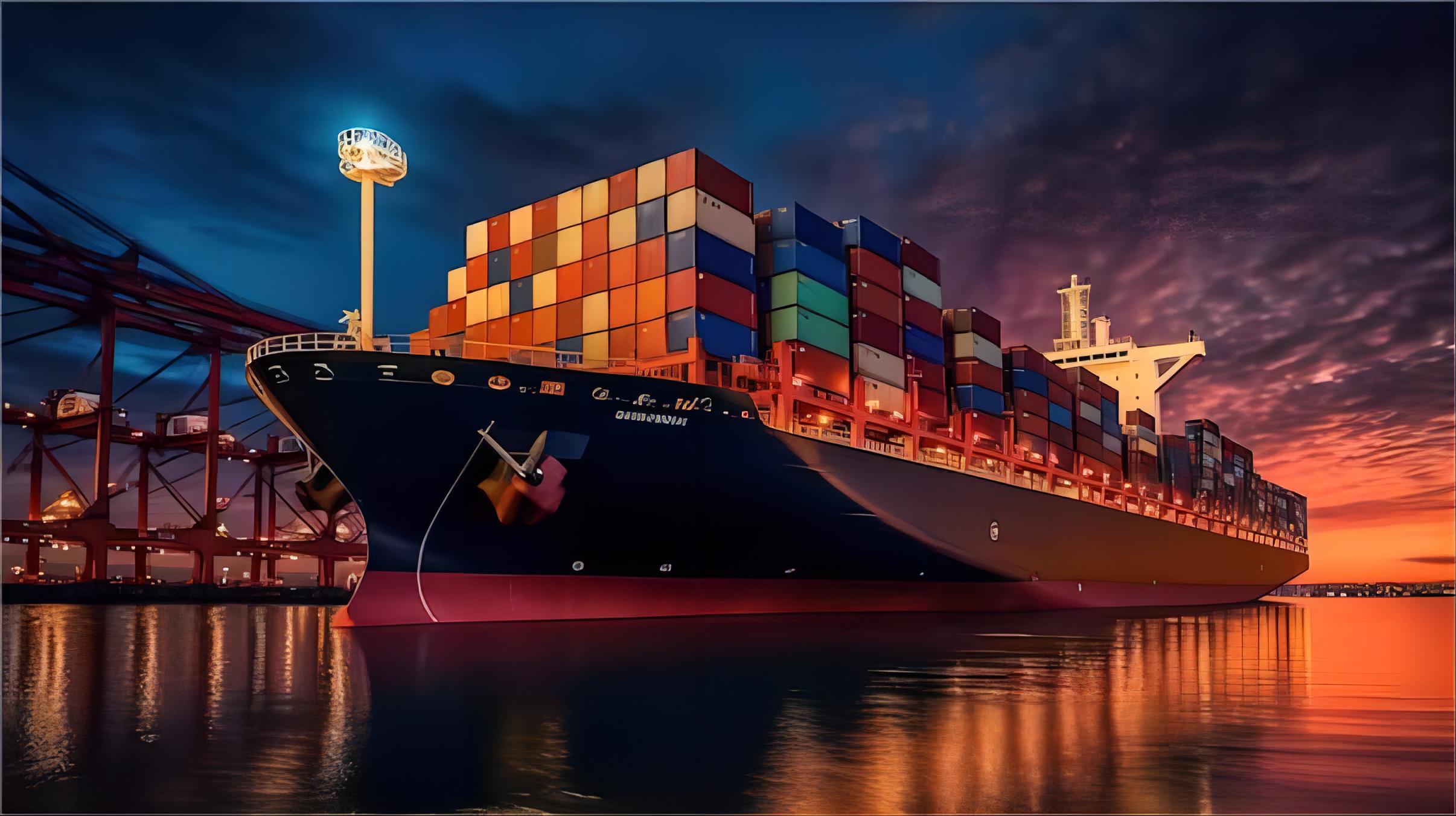
Freight forwarding involves orchestrating the entire logistics process for shipping goods from one country to another. Specifically, for freight forwarding China to Canada, it means managing everything from factory pickup in China to final delivery in Canada. This includes transportation, customs clearance, documentation, and storage.
Essentially, a freight forwarder acts as an intermediary between the shipper and various transportation services. They leverage their expertise and network to secure the best rates and routes, thereby minimizing shipping costs and transit times. Therefore, choosing a reliable forwarder is paramount for international trade.
Moreover, understanding the nuances of international shipping regulations is crucial. A professional freight forwarder ensures compliance with both Chinese export and Canadian import regulations, preventing costly delays or penalties. This expertise simplifies the complex journey of your cargo across continents.

Key Shipping Methods from China to Canada
Several shipping methods are available for transporting goods from China to Canada, each with distinct advantages and disadvantages. Your choice largely depends on factors like urgency, cargo volume, and budget. Consequently, evaluating these options carefully is essential for an effective supply chain.
Primarily, the main modes include sea freight and air freight. While rail freight is a viable option for some routes from China to Europe, it is not a direct or common solution for shipments extending to Canada. Therefore, focus typically remains on ocean and air transport.
Choosing the appropriate method significantly impacts your overall logistics strategy. For instance, time-sensitive goods demand faster options, whereas bulkier items might prioritize cost-effectiveness. Furthermore, specialized services like express shipping or Amazon FBA solutions cater to specific business needs.
How Does Sea Freight Compare to Other Shipping Options?
Sea freight remains the most cost-effective method for large volume shipments from China to Canada. However, it comes with longer transit times compared to air freight. Understanding these trade-offs is crucial for optimizing your shipping strategy and managing expectations.
Conversely, air freight offers significantly faster delivery, ideal for urgent or high-value goods. Nevertheless, the cost per kilogram is substantially higher, making it less suitable for bulk commodities. Therefore, a careful assessment of your cargo’s characteristics is necessary.
While direct rail freight from China to Canada is not standard, hybrid solutions sometimes incorporate rail within North America after sea shipment to a West Coast port. This can offer a balance between speed and cost for inland Canadian destinations. However, it adds complexity to the logistics chain.
| Shipping Method | Cost Range (per kg/CBM) | Transit Time | Best For | Limitations |
|---|---|---|---|---|
| Sea Freight (FCL) | Low ($0.05-$0.15/kg) | 25-40 days | Large, heavy, non-urgent cargo | Slow, port congestion risks |
| Sea Freight (LCL) | Moderate ($50-$80/CBM) | 30-50 days | Smaller volumes (under 15 CBM) | Slower than FCL, potential for delays |
| Air Freight | High ($4.50-$8.00/kg) | 5-10 days | Urgent, high-value, perishable goods | Expensive, weight/volume restrictions |
| Express Shipping | Very High ($8.00-$15.00/kg) | 2-5 days | Small, urgent parcels, samples | Very expensive, strict size/weight limits |
Understanding Shipping Costs and Transit Times
Shipping costs from China to Canada are influenced by numerous factors, including the shipping method, cargo volume, weight, and current market rates. Fuel surcharges, port fees, and customs duties also contribute significantly to the total landed cost. Therefore, obtaining a detailed quote is always advisable.
Generally, sea freight offers the most economical option for bulk goods. For example, a 40HQ container from Shanghai to Vancouver might cost between $3,000-$4,200, with transit times ranging from 25-35 days. Conversely, a less than container load (LCL) shipment will have different pricing structures, often per cubic meter, and slightly longer transit due to consolidation.
Conversely, air freight rates china to canada are considerably higher but provide much faster delivery. A typical air cargo shipment could cost $4.50-$8.00 per kilogram, with a transit time of 5-10 days. These rates are subject to change based on fuel costs, carrier capacity, and seasonal demand. Always contact us for a current quote tailored to your specific shipment.
Transit times vary based on the origin port in China, destination port in Canada, and the chosen service. Direct routes are faster than those involving transshipment. Moreover, seasonal peaks and port congestion can impact delivery schedules. Planning ahead is crucial for managing your supply chain effectively.
Navigating Customs and Documentation for Imports to Canada
Customs clearance china canada is a critical step in the freight forwarding process. Accurate documentation and adherence to Canadian import regulations are essential to avoid delays and penalties. A slight error can lead to significant headaches and additional costs, impacting your delivery schedule.
Key documents typically include the commercial invoice, packing list, bill of lading (for sea freight) or air waybill (for air freight), and a certificate of origin. Depending on the goods, additional permits or licenses might be required. For instance, certain food products or electronics have specific import regulations.
Working with an experienced customs brokerage service is highly recommended. They can prepare and submit all necessary declarations, calculate duties and taxes, and communicate with the Canada Border Services Agency (CBSA) on your behalf. This expertise ensures a smooth and compliant import process.
Furthermore, understanding Incoterms (International Commercial Terms) is vital. These terms define the responsibilities of buyers and sellers for the delivery of goods under sales contracts. They clarify who is responsible for paying and managing the shipment, insurance, documentation, and customs clearance. This knowledge prevents misunderstandings and disputes.
| Document Type | Purpose | Required For | Key Information |
|---|---|---|---|
| Commercial Invoice | Proof of sale, customs valuation | All shipments | Seller, buyer, goods description, value, currency |
| Packing List | Details contents of each package | All shipments | Number of packages, weight, dimensions, contents |
| Bill of Lading (B/L) | Contract of carriage, title to goods | Sea freight | Shipper, consignee, carrier, ports, cargo details |
| Air Waybill (AWB) | Contract of carriage, proof of receipt | Air freight | Shipper, consignee, carrier, airports, cargo details |
| Certificate of Origin | Verifies country of manufacture | Specific goods/trade agreements | Origin country, product description |
Real-World Case Studies: China to Canada Shipments
Examining actual shipping scenarios can provide valuable insights into the complexities and solutions in freight forwarding China to Canada. These examples illustrate how different factors influence method choice, costs, and timelines. They highlight the importance of adaptable logistics planning.
These case studies reflect typical rates as of early 2025, but actual freight rates are subject to change based on fuel costs, carrier capacity, and seasonal demand. We strongly recommend contacting us for a current quote tailored to your specific shipment. Market data suggests rates can fluctuate significantly.
Case Study 1: E-commerce Apparel via LCL Sea Freight
| Detail | Description |
|---|---|
| Route | Guangzhou, China -> Toronto, Canada |
| Cargo | Apparel, 8 CBM, 1500 kg |
| Container | LCL 8 CBM |
| Shipping Details | Major carrier, Port of Loading: Shenzhen, Port of Discharge: Montreal (transshipment to Toronto by rail) |
| Cost Breakdown (estimated) | Ocean Freight: $640 (8 CBM * $80/CBM), Origin Charges: $250, Destination Charges: $350, Customs & Duties (estimated): $400, Total Landed Cost: $1,640 |
| Timeline | Booking to Loading: 5 days, Sea Transit: 32 days, Rail Transit Canada: 4 days, Customs Clearance: 3 days, Total Door-to-Door: 44 days |
| Key Insight | LCL was cost-effective for smaller volume. Rail transshipment within Canada added a few days but avoided direct West Coast congestion. Amazon FBA services could further streamline final mile delivery. |
Case Study 2: Industrial Machinery via FCL Sea Freight
| Detail | Description |
|---|---|
| Route | Shanghai, China -> Vancouver, Canada |
| Cargo | Industrial parts, 25,000 kg |
| Container | 1 x 40GP |
| Shipping Details | COSCO, Port of Loading: Shanghai, Port of Discharge: Vancouver, Route Type: Direct |
| Cost Breakdown (estimated) | Ocean Freight: $3,500, Origin Charges: $450, Destination Charges: $600, Customs & Duties (estimated): $800, Total Landed Cost: $5,350 |
| Timeline | Booking to Loading: 7 days, Sea Transit: 18 days, Customs Clearance: 2 days, Total Door-to-Door: 27 days |
| Key Insight | Direct FCL route to a West Coast port offered optimal speed for sea freight. This facilitated quick onward distribution within Western Canada. Navigating import regulations Canada China for machinery required specific documentation. |
Case Study 3: Urgent Electronics via Air Freight
| Detail | Description |
|---|---|
| Route | Shenzhen, China -> Montreal, Canada |
| Cargo | High-value electronics, 500 kg, 3 CBM |
| Container | Air Cargo |
| Shipping Details | Cathay Pacific Cargo, Port of Loading: Shenzhen (SZX), Port of Discharge: Montreal (YUL), Route Type: Direct flight |
| Cost Breakdown (estimated) | Air Freight: $3,000 (500 kg * $6/kg), Origin Charges: $180, Destination Charges: $250, Customs & Duties (estimated): $350, Total Landed Cost: $3,780 |
| Timeline | Booking to Loading: 2 days, Air Transit: 3 days, Customs Clearance: 1 day, Total Door-to-Door: 8 days |
| Key Insight | When speed is paramount, air freight from China to Canada is the undisputed choice. The higher cost is justified by rapid delivery, crucial for fast-moving consumer electronics. Careful cargo handling and pre-clearance helped achieve the tight delivery schedule. |
Which Option Should You Choose for Shipping from China to Canada?
Deciding on the best shipping method for your freight forwarding China to Canada needs involves weighing several factors. Your budget, urgency, cargo type, and volume thresholds will dictate the most suitable approach. Consider these criteria to make an informed decision and optimize your supply chain management.
If budget is your primary priority, sea freight is almost always the most economical choice. It is ideal for non-urgent, heavy, or bulky goods where transit time is less critical. For example, furniture, construction materials, or large quantities of commodities benefit most from ocean shipping.
Conversely, if speed is paramount, air freight is the recommended option. This applies to high-value goods, perishable items, or time-sensitive components where delays could result in significant financial loss. Express shipping from China to Canada offers even faster delivery for smaller packages.
Cargo type also plays a significant role. Dangerous goods or oversized items have specific handling requirements that might limit shipping options. For e-commerce businesses needing reliable, predictable delivery to Canada, especially for fulfillment centers, a robust door-to-door shipping solution is often preferred, integrating sea or air with final mile delivery.
Tips for a Smooth Freight Forwarding Process
To ensure a seamless freight forwarding China to Canada experience, proactive planning and attention to detail are crucial. These tips can help you avoid common pitfalls and enhance the efficiency of your international shipments. A well-prepared shipment is a smooth shipment.
Firstly, always provide accurate and complete documentation. Incomplete or incorrect paperwork is a leading cause of customs delays. Double-check all details on your commercial invoice, packing list, and bill of lading before submission. This diligence saves time and prevents penalties.
Secondly, consider cargo insurance. While rare, accidents can happen, and insurance provides financial protection against loss or damage during transit. It’s a small investment for significant peace of mind, especially for high-value goods. Discuss options with your freight forwarder.
Furthermore, understand the Incoterms used in your contract with the supplier. These terms define responsibilities and costs between buyer and seller. Clarity on Incoterms prevents disputes and ensures you know exactly what costs you are liable for. This knowledge is fundamental for successful import/export operations.
Finally, communicate openly and frequently with your freight forwarder. Keep them informed of any changes or special requirements for your shipment. A good forwarder will provide regular updates and proactive solutions to potential issues. This collaborative approach fosters trust and efficiency in your supply chain.
Why Partner with a Reliable Freight Forwarder?
Engaging a reputable freight forwarder for your China to Canada shipments offers numerous benefits, transforming a potentially complex process into a manageable one. Their expertise and network are invaluable for navigating the global logistics landscape. This partnership is a strategic asset for any importing business.
A professional freight forwarder possesses in-depth knowledge of international shipping regulations, customs procedures, and optimal routes. They can negotiate better freight rates due to their volume, passing on cost savings to you. This expertise minimizes risks and optimizes your shipping costs from China to Canada.
Moreover, they handle all the logistical complexities, from booking cargo space and arranging pickups to managing documentation and customs clearance. This end-to-end service frees up your time and resources, allowing you to focus on your core business operations. They provide a single point of contact for your entire supply chain.
Ultimately, partnering with an experienced freight forwarder like China Top Freight ensures reliability and efficiency. They provide visibility into your shipment’s journey, offer proactive problem-solving, and ensure timely delivery. This partnership is crucial for maintaining a competitive edge in international trade and streamlining your import process.
Your Trusted Partner for Freight Forwarding China to Canada
Navigating the complexities of freight forwarding China to Canada requires expertise, careful planning, and a reliable logistics partner. By understanding the various shipping methods, managing costs, and mastering customs requirements, businesses can ensure efficient and timely delivery of goods.
Whether you choose sea freight for cost-effectiveness or air freight for speed, a professional freight forwarder is indispensable. They provide the necessary guidance and services to overcome logistical challenges, making your international trade operations smoother. Partnering with the right expert ensures your cargo reaches Canada without hassle.
Ultimately, successful freight forwarding from China to Canada hinges on informed decisions and strong partnerships. We are here to support your import needs every step of the way, offering tailored solutions and peace of mind. Let us be your guide in the intricate world of international shipping.
Ready to streamline your logistics?
Ready to streamline your freight forwarding China to Canada? Contact us today for a personalized quote and discover how our expert solutions can optimize your supply chain. We are committed to providing reliable and cost-effective shipping services tailored to your business needs.
Request Quote