

40HQ FCL Transit Time for Medical Equipment from China to Italy: A Comprehensive Guide
Shipping medical equipment from China to Italy demands precision, reliability, and an understanding of logistics complexities. For large volumes, the 40HQ FCL (Full Container Load) method is often the most cost-effective solution. This guide details the typical 40HQ FCL transit time for medical equipment from China to Italy, helping you plan your critical supply chain effectively.
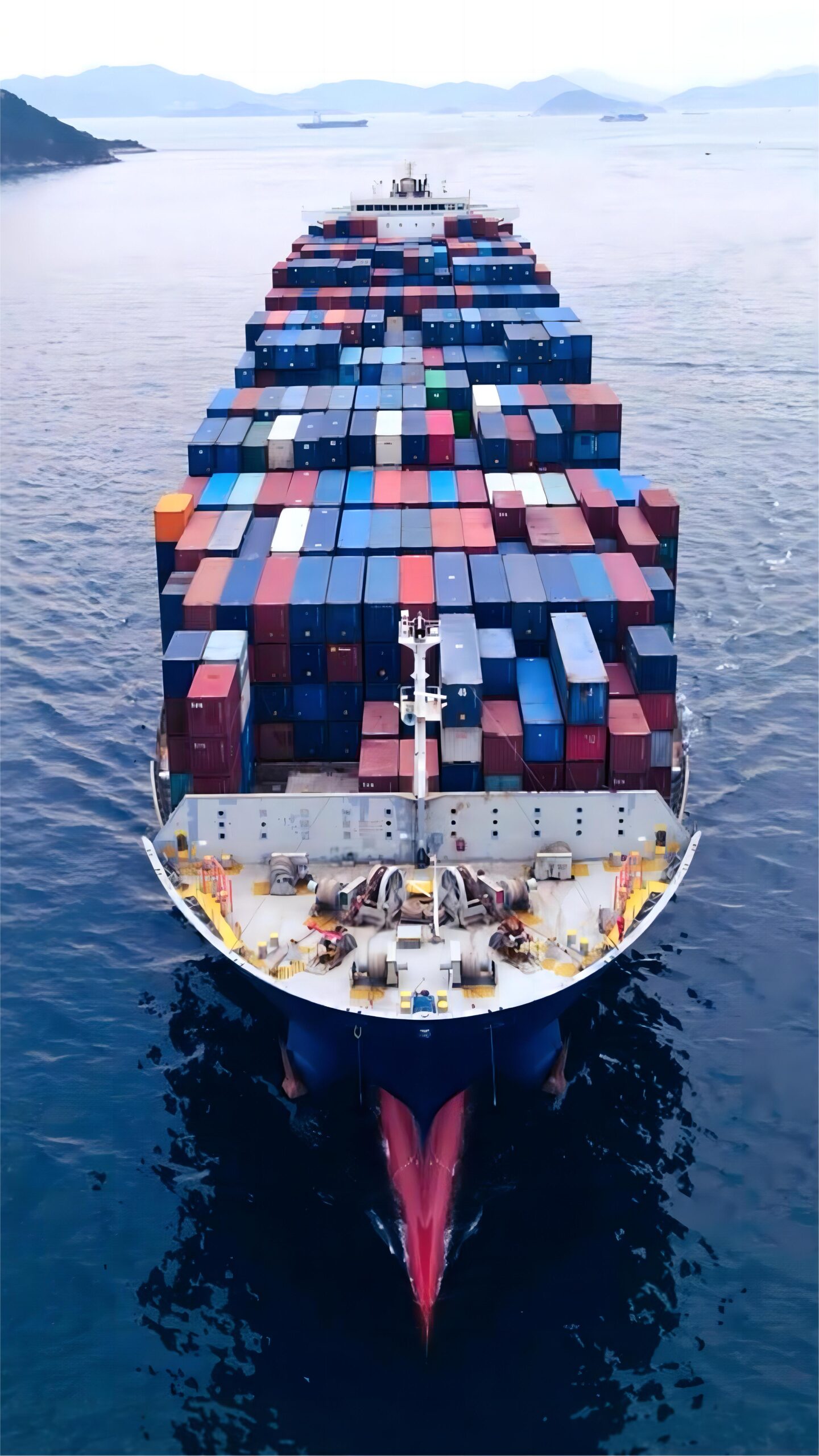
What is the Typical 40HQ FCL Transit Time for Medical Equipment from China to Italy?
Generally, the 40HQ FCL transit time for medical equipment from major Chinese ports to Italy ranges from 28 to 38 days. This duration primarily accounts for the sea voyage itself. However, the total door-to-door timeline can extend to 40-55 days, incorporating pre-shipment and post-arrival processes.
Crucially, several factors influence this overall delivery schedule. These include the specific ports of origin and destination, the chosen shipping line, and the efficiency of customs procedures. Understanding these variables is key to accurate planning for your medical device logistics China Italy.
What Factors Influence FCL Transit Times for Medical Equipment?
Many elements collectively determine the final transit time for your medical equipment. Therefore, a comprehensive understanding of these factors enables better forecasting and risk mitigation. This is especially true for time-sensitive or high-value medical cargo.
Consequently, careful consideration of each stage of the shipping process is paramount. From port operations to regulatory compliance, every step can impact the overall delivery schedule. Ultimately, proactive management of these variables ensures a smoother supply chain.
| Factor | Impact on Transit Time | Considerations |
|---|---|---|
| Port Congestion | Adds 3-10 days | Delays at major hubs like Shanghai or Genoa |
| Shipping Route | Adds 5-15 days | Direct routes are faster than transshipment via other ports |
| Customs Clearance | Adds 2-7 days | Documentation accuracy is critical for medical equipment |
| Weather Conditions | Adds 2-5 days | Typhoons or heavy storms can cause diversions or delays |
| Carrier Schedule | Varies | Different carriers have varying service speeds and port calls |
How Does 40HQ FCL Compare to Other Shipping Options for Medical Equipment?
Choosing the right shipping method for medical equipment from China to Italy involves balancing speed, cost, and cargo volume. While 40HQ FCL offers economies of scale, other options may be more suitable depending on your specific needs. Understanding these alternatives is crucial for optimizing your supply chain.
For instance, urgent shipments might necessitate faster, albeit more expensive, solutions. Conversely, smaller volumes may not justify a full container. Therefore, a detailed comparison helps in making informed decisions about your medical equipment transport.
| Shipping Method | Cost Range (40HQ equivalent) | Transit Time | Best For | Limitations |
|---|---|---|---|---|
| 40HQ FCL Sea Freight | $3,000 – $4,200 | 28-38 days (port-to-port) | Large volumes, cost-efficiency, non-urgent | Slowest option, port congestion risks |
| LCL Sea Freight | $50 – $80 per CBM | 35-45 days (port-to-port) | Smaller volumes (under 15 CBM), cost-effective | Consolidation delays, higher risk of damage |
| Air Freight | $15,000 – $25,000 | 5-7 days (airport-to-airport) | Urgent, high-value, small volume medical devices | Very high cost, volume/weight restrictions |
| Rail Freight (China-Europe) | $8,000 – $12,000 | 18-25 days (station-to-station) | Mid-range urgency, larger volumes than air | Limited Italian rail terminals, transshipment required |
Optimizing Your Medical Equipment Supply Chain for Efficiency
Optimizing the supply chain for medical equipment imports is critical for both cost-effectiveness and timely delivery. Consequently, implementing strategic measures can significantly reduce the overall 40HQ FCL transit time for medical equipment from China to Italy. This proactive approach minimizes potential disruptions.
Furthermore, partnering with an experienced freight forwarder like China Top Freight is invaluable. They can navigate complex logistics, ensuring compliance and efficiency. Ultimately, this partnership helps streamline your entire import/export process, improving your medical device logistics China Italy.
Consider sea freight for large, non-urgent medical equipment shipments. This method offers significant cost savings, especially for full container loads. Moreover, it provides a reliable solution for consistent supply chain needs.
Real-World Transit Time Examples: China to Italy Medical Equipment Shipments
Examining actual case studies provides practical insights into the 40HQ FCL transit time for medical equipment from China to Italy. These examples highlight the variability and complexities involved in real-world shipping scenarios. Based on Q3 2024 market rates, these scenarios illustrate typical outcomes.
Therefore, understanding these examples can help you set realistic expectations for your own medical equipment shipments. They also demonstrate how different factors can impact the final delivery timeline and overall shipping costs medical equipment.
Case Study 1: High-Volume Medical Consumables
This case involved a regular shipment of medical consumables, prioritizing cost-efficiency over extreme speed. The client opted for a major carrier with a direct route to minimize transshipment risks. This strategy proved effective for consistent inventory management.
| Detail | Description |
|---|---|
| Route | Shanghai, China Genoa, Italy |
| Cargo | Disposable medical gloves, 60 CBM, 12,000 kg |
| Container | 40HQ |
| Shipping Details | |
| – Carrier/Service | COSCO |
| – Port of Loading | Shanghai |
| – Port of Discharge | Genoa |
| – Route Type | Direct |
| Cost Breakdown | |
| – Ocean Freight | $3,850 |
| – Origin Charges (THC, documentation) | $420 |
| – Destination Charges | $580 |
| – Customs & Duties (estimated) | $750 |
| – Total Landed Cost | $5,600 |
| Timeline | |
| – Booking to Loading | 5 days |
| – Sea Transit | 30 days |
| – Customs Clearance | 3 days |
| – Total Door-to-Door | 42 days |
| Key Insight | Direct routes are crucial for predictable transit times, even with standard sea freight. |
Case Study 2: Specialized Diagnostic Equipment
This shipment involved sensitive diagnostic equipment requiring careful handling and faster transit than typical sea freight. The client chose a premium FCL service with fewer port calls. This decision balanced speed with the need for a full container load for protection.
| Detail | Description |
|---|---|
| Route | Ningbo, China Livorno, Italy |
| Cargo | Ultrasound machines, 55 CBM, 10,000 kg |
| Container | 40HQ |
| Shipping Details | |
| – Carrier/Service | Maersk (Premium Service) |
| – Port of Loading | Ningbo |
| – Port of Discharge | Livorno |
| – Route Type | Direct |
| Cost Breakdown | |
| – Ocean Freight | $4,100 |
| – Origin Charges (THC, documentation) | $450 |
| – Destination Charges | $600 |
| – Customs & Duties (estimated) | $800 |
| – Total Landed Cost | $5,950 |
| Timeline | |
| – Booking to Loading | 4 days |
| – Sea Transit | 28 days |
| – Customs Clearance | 4 days |
| – Total Door-to-Door | 40 days |
| Key Insight | Premium FCL services can shave off transit days for critical cargo, justifying a slightly higher freight rate. |
Case Study 3: Cold Chain Medical Supplies with Transshipment
This scenario involved temperature-sensitive medical supplies, necessitating a robust cold chain solution. Due to carrier availability and slightly lower freight rates, a transshipment route was selected. However, this introduced additional complexities and a longer delivery schedule.
Utilizing door-to-door shipping for cold chain items ensures seamless temperature control from origin to final destination. This comprehensive service minimizes risks associated with transfers and multiple handling points. Consequently, it is ideal for sensitive medical supplies.
| Detail | Description |
|---|---|
| Route | Shenzhen, China Naples, Italy |
| Cargo | Vaccine components, 65 CBM, 11,000 kg (Reefer 40HQ) |
| Container | 40HQ (Reefer) |
| Shipping Details | |
| – Carrier/Service | CMA CGM |
| – Port of Loading | Shenzhen |
| – Port of Discharge | Naples |
| – Route Type | Transshipment via Port Klang |
| Cost Breakdown | |
| – Ocean Freight | $4,500 |
| – Origin Charges (THC, documentation) | $500 |
| – Destination Charges | $650 |
| – Customs & Duties (estimated) | $900 |
| – Total Landed Cost | $6,550 |
| Timeline | |
| – Booking to Loading | 6 days |
| – Sea Transit | 35 days |
| – Customs Clearance | 5 days |
| – Total Door-to-Door | 50 days |
| Key Insight | Transshipment can increase transit time and complexity, but sometimes offers cost advantages or wider carrier options. |
Navigating Customs and Regulations for Medical Equipment Imports
Importing medical equipment into Italy from China involves strict customs regulations and compliance requirements. Consequently, understanding these rules is paramount to avoid delays and penalties. Proper documentation and adherence to EU standards are non-negotiable.
Furthermore, engaging professional customs brokerage services is highly recommended. Experts can ensure all necessary permits, certifications, and declarations are correctly filed. This specialized assistance significantly streamlines the clearance process for sensitive medical devices.
In addition, medical equipment often requires specific conformity assessments, such as CE marking, before entering the European market. Therefore, verifying that your products meet these standards prior to shipment is crucial. This proactive approach prevents costly holds at Italian ports.
Which Shipping Option Should You Choose for Your Medical Equipment?
Selecting the optimal shipping strategy for your medical equipment from China to Italy depends on several key criteria. Balancing these priorities ensures both efficiency and cost-effectiveness. Consider your specific business needs and product characteristics carefully.
For example, if budget is your primary concern, 40HQ FCL sea freight is typically the most economical choice for large volumes. Conversely, if speed is paramount for urgent medical supplies, air freight is indispensable, despite its higher cost. Hence, a clear understanding of your requirements is essential.
Moreover, cargo type also plays a significant role in this decision-making process. Sensitive or temperature-controlled medical devices might require specialized handling or expedited services. Therefore, always assess the nature of your goods before committing to a shipping method.

Market Context and Current Logistics Trends for China-Italy Routes
As of Q1 2025, freight rates from China to Europe have largely stabilized after the Red Sea disruptions of 2024, although occasional surcharges may still apply. Consequently, shippers can expect more predictable pricing for the 40HQ FCL transit time for medical equipment from China to Italy. However, vigilance regarding global events remains important.
Industry trends also indicate a growing emphasis on supply chain resilience and visibility. Therefore, leveraging digital platforms and experienced freight forwarders becomes even more critical. These tools help manage potential delays and optimize delivery schedules.
Furthermore, seasonal patterns continue to influence rates and capacity. For instance, rates typically increase by 15-25% during the August-October peak season leading up to holidays. Planning ahead during these periods can mitigate cost escalations and ensure reliable transit time China Italy. Note: Freight rates are subject to change based on fuel costs, carrier capacity, and seasonal demand. Contact us for a current quote tailored to your specific shipment.
Conclusion: Mastering Your Medical Equipment Logistics
Effectively managing the 40HQ FCL transit time for medical equipment from China to Italy is a complex but achievable task. By understanding the influencing factors, comparing shipping options, and leveraging expert support, you can ensure timely and cost-effective delivery. Ultimately, a well-planned logistics strategy is vital for the continuous flow of essential medical supplies.
Partnering with a knowledgeable freight forwarder is crucial for navigating the intricacies of international shipping and customs for medical devices. This collaboration guarantees that your sensitive cargo reaches its destination efficiently and compliantly. Consequently, you can focus on your core business while we handle the logistics.
Start Your Shipment
Ready to optimize your medical equipment shipments from China to Italy? Get in touch with our experts today for a personalized quote and detailed logistics planning. We ensure reliable and efficient transport solutions for your critical cargo.
Request Quote