

China FCL FOB Shipping to Poland: Your Complete Guide
“Navigating international logistics can be complex, especially when considering China FCL FOB shipping to Poland. This comprehensive guide will demystify the process, offering insights into optimizing your freight strategy. We will explore costs, transit times, and essential considerations for a seamless import experience. Understanding these elements is crucial for successful cargo delivery and efficient supply chain management.”
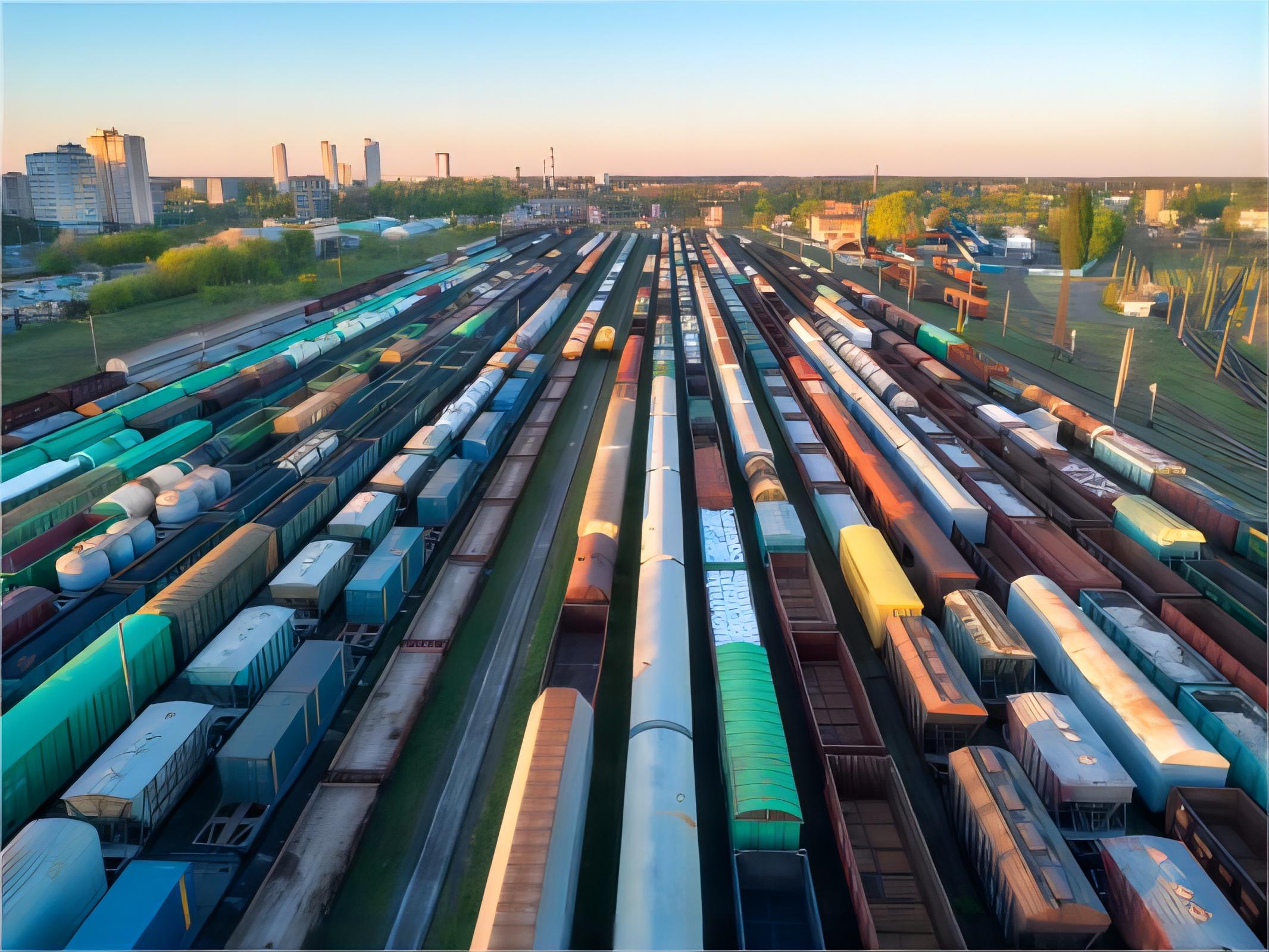
What is FCL FOB Shipping from China to Poland?
❖FCL, or Full Container Load, means your goods occupy an entire shipping container. This method is ideal for larger shipments, offering better security and often a lower per-unit cost. Indeed, it streamlines the shipping process significantly.
FOB, or Free On Board, is an Incoterm indicating the seller’s responsibility. Under FOB, the seller covers costs and risks until the goods are loaded onto the vessel at the port of origin. Consequently, the buyer assumes responsibility from that point onward.
Choosing China FCL FOB shipping to Poland provides numerous advantages. It offers dedicated container space, reducing the risk of damage or delays associated with cargo consolidation. Moreover, FOB terms give buyers greater control over freight selection and costs from the loading port.
This combination is particularly popular for businesses importing substantial volumes of goods. It ensures a clear division of responsibilities and predictable shipping costs. Furthermore, it allows for efficient planning within your global supply chain.
Key Factors Influencing China to Poland FCL FOB Shipping Costs
❖Several variables contribute to the overall cost of your FCL FOB shipment. Understanding these factors helps in budgeting and optimizing your logistics strategy. Therefore, a detailed breakdown is essential for informed decision-making.
Ocean freight rates form the largest component of shipping costs. These rates fluctuate based on market demand, fuel prices, and carrier capacity. Furthermore, seasonal variations, like peak seasons before holidays, can significantly impact prices.
Origin charges cover local transport, terminal handling, and documentation fees in China. Similarly, destination charges include port handling, customs clearance, and local delivery in Poland. Both sets of charges are critical for calculating the total landed cost.

Customs duties and taxes are levied by Polish authorities upon import. These vary based on the type of goods and their declared value. Consequently, accurate tariff classification is vital to avoid unexpected expenses.
Other potential costs include insurance, demurrage (for delays at port), and detention (for container delays). Therefore, always factor in these contingencies when planning your budget. A comprehensive quote should detail all these elements for clarity.
Note: Freight rates are subject to change based on fuel costs, carrier capacity, and seasonal demand. Contact us for a current quote tailored to your specific shipment.
Understanding Transit Times for China to Poland FCL Freight
❖Transit times for sea freight from China to Poland typically range from 30 to 40 days. This duration depends on the specific ports of origin and destination, as well as the chosen shipping line. Direct services are generally faster than routes involving transshipment.
For instance, a container departing from Shanghai to Gdynia might take approximately 32-38 days. Shipments from Shenzhen could see similar durations, perhaps slightly longer. Port congestion and weather conditions can also introduce unforeseen delays.
Alternatively, rail freight offers a significantly faster option, with transit times often between 15 to 20 days. This method is particularly attractive for urgent shipments that are too large for air freight. The New Silk Road railway provides reliable and efficient connections.
However, rail freight costs are generally higher than sea freight. Therefore, businesses must weigh speed against budget when making their choice. Understanding your delivery schedule requirements is paramount.
Several factors can influence the overall transit time. These include vessel speed, route efficiency, and potential customs inspections. Moreover, global logistics trends, such as port labor availability, also play a role. Always account for a buffer in your planning.
Navigating Customs Clearance and Documentation for Poland Imports
❖Successful customs clearance is a critical step for any China FCL FOB shipping to Poland. Proper documentation is essential to avoid delays and penalties. Indeed, meticulous preparation ensures a smooth entry for your goods.
The commercial invoice, packing list, and bill of lading (or airway bill for air freight) are fundamental. These documents provide essential details about the cargo, its value, and its journey. Furthermore, they are required by both origin and destination customs authorities.
A certificate of origin proves where the goods were manufactured. This document can be crucial for determining applicable tariffs and trade agreements. Moreover, some products may require specific licenses or permits, such as for electronics or certain chemicals.
Importers must also have an EORI number for customs procedures within the EU. This unique identification number is necessary for all economic operators interacting with EU customs. Consequently, applying for it in advance is highly recommended.
Polish customs authorities strictly enforce import regulations. Therefore, accurate commodity classification using the Harmonized System (HS) codes is vital. Any discrepancies can lead to inspections, delays, and additional costs. Engaging a professional customs broker can significantly simplify this process.
| Document | Purpose | Requirement |
|---|---|---|
| Commercial Invoice | Details goods, value, seller/buyer | Mandatory for all imports |
| Packing List | Itemizes contents of each package | Mandatory for all imports |
| Bill of Lading (B/L) | Contract between shipper and carrier | Mandatory for sea freight |
| Certificate of Origin | Proves country of manufacture | Often required for tariffs/trade agreements |
| EORI Number | EU Economic Operator Registration | Mandatory for EU importers |
How Does FCL FOB Shipping Compare to Other Shipping Options?
❖Choosing the right shipping method for your goods from China to Poland involves comparing several factors. Cost, speed, and cargo type are primary considerations. This analysis helps optimize your logistics solutions.
While FCL FOB sea freight is cost-effective for large volumes, other methods offer different trade-offs. Therefore, understanding these alternatives is crucial for making an informed decision. Each option caters to specific supply chain needs.
Market data suggests that freight rates from China to Europe have stabilized in early 2025. This follows previous disruptions, offering more predictable pricing. Nevertheless, continuous monitoring of logistics trends is advisable.
| Shipping Method | Cost Range (40HQ) | Transit Time | Key Considerations |
|---|---|---|---|
| Sea Freight (FCL) | $3,000-4,200 | 30-40 days | Most cost-effective for large volumes, longest transit |
| Rail Freight | $8,000-12,000 | 15-20 days | Good balance of speed/cost, limited capacity |
| Air Freight | $15,000-25,000+ | 5-7 days | Fastest, most expensive, best for urgent/high-value |
| Sea Freight (LCL) | $50-80/CBM | 35-45 days | For smaller volumes, higher per-unit cost, potential delays |
Sea Freight vs. Rail Freight vs. Air Freight
Sea freight remains the most economical option for FCL shipments, albeit with the longest transit times. It is ideal for non-urgent, heavy, or bulky cargo. Consequently, it forms the backbone of global trade.
Rail freight, notably via the New Silk Road, offers a balance between speed and cost. It is significantly faster than sea freight and cheaper than air freight. This makes it suitable for goods requiring quicker delivery without the premium cost of air transport.
Air freight is the fastest but also the most expensive method. It is reserved for high-value, time-sensitive, or perishable goods. For example, shipping electronics from China to Poland quickly might necessitate air freight. However, it’s generally not suitable for FCL volumes due to cost.
Each method serves distinct import/export needs. Ultimately, the best choice depends on your specific cargo handling requirements and budget constraints.
FCL vs. LCL: When to Choose Which
FCL (Full Container Load) is optimal when your cargo volume is sufficient to fill an entire container. It offers better security, faster transit (no consolidation/deconsolidation delays), and often a lower per-CBM cost for larger volumes. This is particularly true for furniture from China to Poland.
LCL (Less than Container Load) is suitable for smaller shipments that don’t require a full container. Your goods are consolidated with other shippers’ cargo. While more flexible for small volumes, LCL can incur higher per-unit costs and longer transit times due to consolidation processes.
For shipments under 15 CBM, LCL at $50-80/CBM may be more economical than a full container. However, exceeding this threshold usually makes FCL more cost-effective. Consider your cargo volume thresholds carefully.
Deciding between FCL and LCL hinges on volume, urgency, and budget. For China FCL FOB shipping to Poland, FCL is generally preferred for its efficiency and cost benefits for substantial cargo.
Hybrid Solutions and Cost-Saving Strategies
Hybrid solutions, such as sea-air combinations, can offer a middle ground. Goods are shipped by sea to a transit hub (e.g., Dubai) then flown to Poland. This reduces overall transit time compared to pure sea freight but is less expensive than pure air freight.
Cost-saving strategies include optimizing container loading to maximize space utilization. Negotiating favorable freight rates with carriers or freight forwarders also yields savings. Moreover, choosing off-peak shipping seasons can lead to lower rates.
Consolidating multiple smaller orders into a single FCL shipment can also reduce per-unit shipping costs. This approach minimizes administrative overhead and improves container utilization. Ultimately, strategic planning is key to cost efficiency.
Which Option Should You Choose for Your Poland Shipment?
If budget is your primary priority and time is not critical, FCL sea freight is the recommended option. It offers the lowest cost per unit for large cargo volumes. This is ideal for stable inventory replenishment.
For a balance between speed and cost, rail freight is an excellent choice. It significantly cuts down transit time compared to sea freight without the prohibitive cost of air. This option suits goods with moderate urgency.
When speed is paramount, regardless of cost, air freight is the only solution. This applies to high-value, perishable, or extremely time-sensitive goods. However, it’s rarely used for FCL volumes.
Consider your cargo type: fragile items might benefit from dedicated FCL space, reducing handling. Volume thresholds also play a role; FCL becomes increasingly attractive as your shipment size grows. Always tailor the solution to your specific needs.
Optimizing Your Supply Chain for China-Poland FCL Shipments
❖An optimized supply chain is crucial for efficient and cost-effective door-to-door delivery. Strategic planning can significantly reduce lead times and operational expenses. Therefore, focus on continuous improvement and strong partnerships.
Selecting reliable carriers with proven track records on the China-Europe route is essential. Their expertise can mitigate risks like port congestion and unexpected delays. Moreover, consistent service ensures predictable delivery schedules.
Effective communication with your suppliers and freight forwarder is paramount. Clear instructions and timely information sharing prevent misunderstandings and operational bottlenecks. This proactive approach supports seamless cargo handling.
Consider implementing robust inventory management practices. This helps balance stock levels against shipping lead times, minimizing storage costs and stockouts. Ultimately, a well-managed inventory supports your delivery schedule.
Leverage technology for tracking and real-time visibility of your shipments. Modern logistics platforms provide transparency, allowing you to monitor your cargo’s progress. This capability enhances responsiveness and decision-making for your import/export operations.
Case Studies: Real-World China to Poland Shipments
❖Examining real-world scenarios illustrates the complexities and solutions in China FCL FOB shipping to Poland. These examples highlight diverse cargo types and logistical challenges. They offer practical insights into effective freight management.
Case Study 1: Electronics Components for Warsaw
This case involved a Polish electronics manufacturer importing sensitive components. The priority was a balance between cost and a reasonable transit time. FCL sea freight was chosen for its cost-effectiveness over air freight.
| Detail | Description |
|---|---|
| Route | Ningbo, China -> Gdynia, Poland |
| Cargo | Electronics components, 28 CBM, 12,000 kg |
| Container | 40GP |
| Shipping Details | Carrier: Major carrier, Port of Loading: Ningbo, Port of Discharge: Gdynia, Route Type: Direct |
| Cost Breakdown | Ocean Freight: $3,600, Origin Charges: $450, Destination Charges: $550, Customs & Duties (estimated): $1,200, Total Landed Cost: $5,800 (Based on Q3 2024 market rates) |
| Timeline | Booking to Loading: 5 days, Sea Transit: 34 days, Customs Clearance: 3 days, Total Door-to-Door: 42 days |
| Key Insight | Direct FCL sea route provided optimal cost efficiency for bulk, non-urgent electronics components. Careful packaging ensured cargo integrity. |
Case Study 2: Textile Imports for Poznan Retailer
A textile retailer needed to replenish seasonal stock with a moderate level of urgency. Rail freight was selected for its quicker delivery compared to sea, avoiding potential stockouts. This decision balanced speed against a higher freight rate.
| Detail | Description |
|---|---|
| Route | Chongqing, China -> Malaszewicze, Poland (then trucked to Poznan) |
| Cargo | Fashion apparel, 58 CBM, 18,000 kg |
| Container | 40HQ |
| Shipping Details | Carrier: China Railway Express, Port of Loading: Chongqing, Port of Discharge: Malaszewicze, Route Type: Direct Rail |
| Cost Breakdown | Rail Freight: $9,800, Origin Charges: $600, Destination Charges: $700, Customs & Duties (estimated): $2,500, Total Landed Cost: $13,600 (Typical rates as of early 2025) |
| Timeline | Booking to Loading: 7 days, Rail Transit: 18 days, Customs Clearance: 2 days, Total Door-to-Door: 29 days |
| Key Insight | Rail freight significantly reduced transit time for seasonal goods, preventing lost sales from stockouts. The slightly higher cost was justified by market demand. |
Case Study 3: Machinery Parts for Gdansk Manufacturer
An industrial client required large machinery parts for a production line upgrade. Due to the size and weight, FCL sea freight was the only viable and cost-effective option. Precision in cargo handling was critical for these heavy items.
| Detail | Description |
|---|---|
| Route | Qingdao, China -> Gdansk, Poland |
| Cargo | Heavy machinery parts, 35 CBM, 25,000 kg |
| Container | 20GP (heavy-duty) |
| Shipping Details | Carrier: Maersk, Port of Loading: Qingdao, Port of Discharge: Gdansk, Route Type: Direct |
| Cost Breakdown | Ocean Freight: $2,800, Origin Charges: $500, Destination Charges: $600, Customs & Duties (estimated): $1,800, Total Landed Cost: $5,700 (Based on Q1 2025 market rates) |
| Timeline | Booking to Loading: 6 days, Sea Transit: 36 days, Customs Clearance: 4 days, Total Door-to-Door: 46 days |
| Key Insight | FCL sea freight proved essential for oversized, heavy cargo. Early booking and precise port logistics were key to managing the longer timeline for critical industrial parts. |
Choosing the Right Freight Forwarder for Your Poland Imports
❖Partnering with an experienced freight forwarder is paramount for successful China FCL FOB shipping to Poland. A reliable partner navigates the complexities of international logistics on your behalf. This expertise ensures smooth operations and compliance.
Look for a forwarder with extensive knowledge of both Chinese export and Polish import regulations. Their network and relationships with carriers can secure better rates and reliable service. Furthermore, they should offer comprehensive services, including customs brokerage.
China Top Freight offers tailored logistics solutions for your FCL FOB shipments to Poland. Our team provides end-to-end support, from origin pickup to final delivery. We aim to optimize your supply chain, ensuring efficiency and cost-effectiveness.
With a focus on transparency and customer satisfaction, we handle all aspects of your cargo’s journey. Our expertise in managing complex routes and documentation simplifies your import process. Trust us to deliver your goods reliably and efficiently.
Conclusion: Mastering Your China FCL FOB Shipping to Poland
Successfully managing <a href=”https://chinatopfreight.com/shipping-from-china-to-north-america/”>China FCL FOB shipping to Poland</a> requires a clear understanding of costs, transit times, and customs procedures. By choosing the right shipping method and optimizing your supply chain, businesses can achieve significant efficiencies. This ensures predictable delivery schedules and reduced operational expenses.
Whether opting for the cost-effectiveness of sea freight or the speed of rail, strategic planning is key. Partnering with a knowledgeable freight forwarder further simplifies the process, offering expertise and peace of mind. Ultimately, a well-executed logistics strategy is vital for your import success.
Ready to streamline your logistics?
Ready to streamline your China FCL FOB shipping to Poland? Contact China Top Freight today for a personalized consultation and a competitive quote. Our experts are here to help you navigate international logistics with confidence.
Request Quote