

FCL Shipping China to Australia: Your Complete Guide to Full Container Load
Embarking on international trade from China to Australia requires strategic logistics planning. For businesses with significant cargo volumes, FCL shipping China to Australia offers a cost-effective and efficient solution. This comprehensive guide will demystify the process, helping you optimize your supply chain and ensure smooth delivery.

What is FCL Shipping and Why Choose It for China to Australia?
Full Container Load (FCL) shipping involves reserving an entire shipping container for your cargo, regardless of whether you fill it completely. This method is particularly advantageous for larger shipments, typically exceeding 15 cubic meters (CBM). Moreover, it provides exclusive use of the container, reducing handling and transit risks.
Choosing FCL for your China to Australia route offers several benefits. For instance, it often results in lower per-unit costs compared to Less than Container Load (LCL) for substantial volumes. Furthermore, FCL shipments generally experience faster transit times because they avoid consolidation and deconsolidation processes at ports. Consequently, your goods reach their destination sooner.
Understanding FCL Shipping Costs from China to Australia
Determining the exact cost for FCL shipping China to Australia involves several variables. These typically include ocean freight charges, origin port fees, destination port charges, and customs duties and taxes. Additionally, factors like container size, specific route, carrier, and current market conditions significantly influence the final `freight rates`.
As of early 2025, market data suggests a degree of stabilization in `shipping costs` after recent global disruptions. However, rates remain dynamic, influenced by fuel surcharges and carrier capacity. Therefore, securing a current quote is always recommended to ensure accuracy for your specific `delivery schedule`.
Below is an overview of typical FCL container rates from major Chinese ports to Australia’s main ports. These figures are based on Q1 2025 market rates and serve as general estimates. Note: Freight rates are subject to change based on fuel costs, carrier capacity, and seasonal demand. Contact us for a current quote tailored to your specific shipment.
| Container Type | Typical Cost Range (USD) | Estimated Transit Time (Days) | Capacity (CBM approx.) |
|---|---|---|---|
| 20GP (General Purpose) | $800 – $1,200 | 12 – 18 | 28 |
| 40GP (General Purpose) | $1,200 – $1,800 | 12 – 18 | 58 |
| 40HQ (High Cube) | $1,400 – $2,000 | 12 – 18 | 68 |

Navigating Transit Times and Key Routes for FCL Shipments
The `transit time` for FCL shipping China to Australia typically ranges from 12 to 18 days for direct services. However, this duration can vary based on the specific origin and destination ports, chosen carrier, and any potential transshipment points. For example, shipments from Shanghai to Sydney might differ slightly from those originating in Shenzhen to Melbourne.
Major Chinese ports for FCL exports include Shanghai, Ningbo, Qingdao, and Shenzhen. Correspondingly, primary Australian import ports are Sydney, Melbourne, Brisbane, Fremantle (Perth), and Adelaide. Direct routes are generally faster and more predictable, whereas transshipment routes, often via Southeast Asian hubs, might add a few days to the overall `delivery schedule` but can sometimes offer cost advantages.
Understanding these key `shipping routes China to Australia` is crucial for effective `supply chain` management. Planning ahead, especially during peak seasons, helps mitigate potential delays. Moreover, working with an experienced freight forwarder can provide insights into the most efficient routes for your cargo.
Essential Documentation and Customs Clearance for Australia Imports
Successful import from China to Australia hinges on meticulous `customs clearance process China Australia`. Several critical documents are required to ensure compliance with Australian Border Force (ABF) and Department of Agriculture, Fisheries and Forestry (DAFF) regulations. Consequently, any errors or omissions can lead to significant delays and penalties.
Key documents typically include the Commercial Invoice, Packing List, Bill of Lading (BoL), Certificate of Origin, and potentially Fumigation Certificates or permits for specific goods. Furthermore, understanding Australian biosecurity regulations is paramount, especially for goods that could pose a risk to Australia’s unique ecosystem. Leveraging a professional customs brokerage service is highly recommended to navigate these complexities efficiently.
A reliable customs broker can assist with tariff classification, duty calculations, and compliance with all import requirements, thereby streamlining the `import/export` process. This proactive approach minimizes unforeseen issues and ensures your `FCL shipping China to Australia` experience is as smooth as possible.
How Does FCL Compare to Other Shipping Options to Australia?
When considering `FCL shipping China to Australia`, it is vital to compare it against alternative logistics solutions. The primary alternatives include Less than Container Load (LCL) sea freight and air freight. Each method offers distinct advantages and disadvantages concerning `shipping costs`, `transit time`, and suitability for different cargo types and volumes.
For smaller shipments, LCL might seem attractive, but once your cargo exceeds a certain volume (typically 15 CBM), FCL becomes more economical. On the other hand, air freight provides unparalleled speed, often delivering goods within 3-7 days. However, this speed comes at a significantly higher cost, making it impractical for most large or heavy shipments.
Some businesses also explore hybrid solutions, such as using `air freight` for urgent components while shipping the bulk via FCL. This strategy balances speed and cost, optimizing the `supply chain` for specific needs. Ultimately, the best option depends on your specific cargo, budget, and urgency requirements.
| Shipping Method | Cost Range (per kg/CBM) | Transit Time (Days) | Best For | Limitations |
|---|---|---|---|---|
| FCL Sea Freight | Low (per unit) | 12-18 | Large volumes, bulk goods, cost-sensitive | Slower than air, minimum container size |
| LCL Sea Freight | Medium (per unit) | 18-30 | Small to medium volumes, non-urgent | Longer transit, more handling, potential delays |
| Air Freight | High (per kg) | 3-7 | Urgent, high-value, small/light cargo | Very expensive, weight/volume restrictions |

Optimizing Your FCL Shipments: Strategies and Tips
Maximizing the efficiency and cost-effectiveness of your `FCL shipping China to Australia` requires strategic planning. One crucial aspect is optimizing container utilization. Therefore, careful planning of cargo loading to minimize empty space can significantly reduce per-unit `shipping costs`.
Furthermore, selecting the appropriate Incoterms is essential. These terms define responsibilities and costs between buyer and seller, impacting insurance, freight, and `customs` obligations. Additionally, consider leveraging a `door-to-door` service, which streamlines the entire process from supplier’s factory to your final destination in Australia, offering convenience and reduced administrative burden.
Staying informed about `logistics trends` and potential disruptions, such as port congestion or seasonal rate fluctuations, is also vital. Working closely with your freight forwarder to anticipate and mitigate these challenges will ensure a smoother and more predictable `supply chain`.
Case Studies: Successful FCL Shipments to Australia
Examining real-world examples can provide valuable insights into the complexities and successes of `FCL shipping China to Australia`. These case studies highlight various scenarios, demonstrating how different factors influence the overall logistics outcome. Based on current market rates and typical operational timelines, these examples illustrate the practical application of `full container load rates China to Sydney` and other key routes.
Case Study 1: Large Volume Retail Goods to Sydney
A retail chain needed to import a large consignment of general merchandise from a supplier in Zhejiang Province. The primary concern was cost-efficiency and reliable transit for their seasonal stock. They opted for a 40HQ container, ensuring sufficient capacity for their goods.
| Detail | Value |
|---|---|
| Route | Ningbo, China -> Sydney, Australia |
| Cargo | General Merchandise (clothing, home decor), 65 CBM, 12,000 kg |
| Container | 40HQ |
| Carrier/Service | Major carrier (e.g., COSCO) |
| Port of Loading | Ningbo |
| Port of Discharge | Sydney |
| Route Type | Direct |
| Ocean Freight (estimated) | $1,850 |
| Origin Charges (estimated) | $300 |
| Destination Charges (estimated) | $450 |
| Customs & Duties (estimated) | $600 |
| Total Landed Cost (estimated) | $3,200 |
| Booking to Loading | 5 days |
| Sea Transit | 14 days |
| Customs Clearance | 3 days |
| Total Door-to-Door | 22 days |
| Key Insight | Cost-effective for high volume, direct route minimized transit time. |
Case Study 2: E-commerce Fulfillment to Melbourne via Amazon FBA
An online seller required a shipment of electronics accessories to an Amazon fulfillment center in Melbourne. Given the size and value, and the need for organized delivery, FCL was chosen to ensure cargo integrity and a smoother `Amazon FBA` process. The shipment utilized a 20GP container and required careful coordination for final delivery.
This highlights the importance of integrating logistics with e-commerce platforms. Our dedicated Amazon FBA service ensured compliance with Amazon’s strict delivery requirements, allowing the seller to focus on their core business.
| Detail | Value |
|---|---|
| Route | Shenzhen, China -> Melbourne, Australia |
| Cargo | Electronics Accessories, 25 CBM, 8,000 kg |
| Container | 20GP |
| Carrier/Service | Major carrier (e.g., Maersk) |
| Port of Loading | Shenzhen |
| Port of Discharge | Melbourne |
| Route Type | Direct |
| Ocean Freight (estimated) | $950 |
| Origin Charges (estimated) | $280 |
| Destination Charges (estimated) | $400 |
| Customs & Duties (estimated) | $550 |
| Total Landed Cost (estimated) | $2,180 |
| Booking to Loading | 4 days |
| Sea Transit | 16 days |
| Customs Clearance | 2 days |
| Total Door-to-Door | 22 days |
| Key Insight | FCL provided secure transport for electronics, integrated with Amazon FBA delivery for efficiency. |
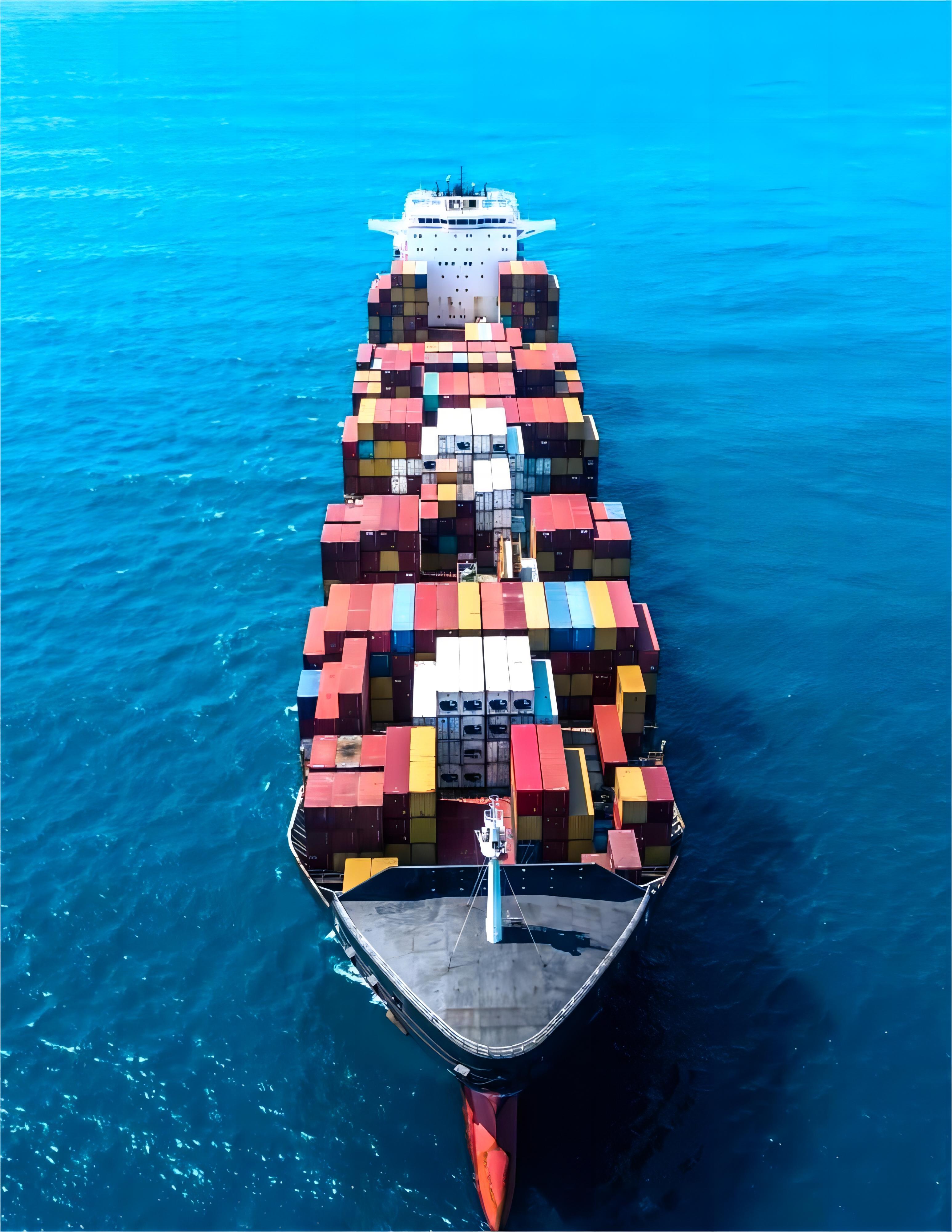
Case Study 3: Industrial Machinery to Brisbane with Specific Handling
A manufacturing company imported specialized industrial machinery from Guangzhou. Due to the sensitive nature and weight of the equipment, a dedicated 40GP container was essential. The priority was careful handling and a predictable `delivery schedule`, necessitating a reliable `sea freight` solution.
This shipment underscored the need for robust `cargo handling` protocols and communication. Our sea freight expertise ensured the machinery was transported safely and efficiently, meeting the client’s operational deadlines.
| Detail | Value |
|---|---|
| Route | Guangzhou, China -> Brisbane, Australia |
| Cargo | Industrial Machinery, 45 CBM, 15,000 kg |
| Container | 40GP |
| Carrier/Service | Major carrier (e.g., MSC) |
| Port of Loading | Huangpu (Guangzhou) |
| Port of Discharge | Brisbane |
| Route Type | Direct |
| Ocean Freight (estimated) | $1,500 |
| Origin Charges (estimated) | $320 |
| Destination Charges (estimated) | $480 |
| Customs & Duties (estimated) | $700 |
| Total Landed Cost (estimated) | $3,000 |
| Booking to Loading | 6 days |
| Sea Transit | 17 days |
| Customs Clearance | 4 days |
| Total Door-to-Door | 27 days |
| Key Insight | Dedicated container for sensitive cargo, reliable transit crucial for production schedule. |
Choosing the Right Freight Partner for FCL China-Australia
Selecting a reputable and experienced freight forwarder is paramount for successful `FCL shipping China to Australia`. A reliable partner can navigate complex logistics, manage documentation, and offer competitive `full container load rates China to Australia`. Furthermore, they provide invaluable expertise in `customs clearance process China Australia` and local regulations.
An ideal freight forwarder should offer transparent communication, comprehensive tracking, and a proven track record for the China-Australia route. Moreover, they should be capable of providing tailored solutions, whether it’s standard FCL, specialized cargo handling, or integrated `supply chain` services. Consequently, this partnership becomes an extension of your own logistics team, ensuring peace of mind.
At China Top Freight, we specialize in providing seamless and efficient `FCL shipping China to Australia` solutions. Our extensive network and expertise ensure your cargo is handled with utmost care, from origin to destination. We aim to simplify your `importing from China to Australia` experience, offering reliable and cost-effective services tailored to your business needs.
Conclusion: Streamlining Your FCL Shipping to Australia
In conclusion, `FCL shipping China to Australia` represents a highly efficient and cost-effective method for businesses importing substantial volumes of goods. Understanding the intricacies of costs, transit times, documentation, and `customs clearance` is vital for a smooth operation. Moreover, comparing FCL with other shipping options ensures you select the most suitable solution for your specific cargo and business objectives.
By partnering with an experienced freight forwarder, you can effectively navigate the complexities of international logistics, mitigate risks, and optimize your `supply chain`. Ultimately, a well-executed FCL strategy contributes significantly to your business’s profitability and market competitiveness. We are committed to providing reliable and transparent solutions for your China-Australia shipping needs.
Need a tailored shipping solution?
Ready to optimize your FCL shipping from China to Australia? Contact our expert team today for a personalized quote and discover how our tailored solutions can streamline your supply chain. Let us handle the complexities while you focus on your business growth.