

Customs Broker China to UK: Navigating Imports Smoothly
Importing goods from China to the UK presents a multitude of logistical challenges, particularly concerning customs clearance. Without proper guidance, businesses often face unexpected delays, penalties, and increased costs, disrupting their supply chain. Fortunately, partnering with a knowledgeable customs broker china to uk can streamline the entire process, ensuring a smooth and compliant import journey. This guide explores the critical role of customs brokers and how they mitigate risks for your international trade.
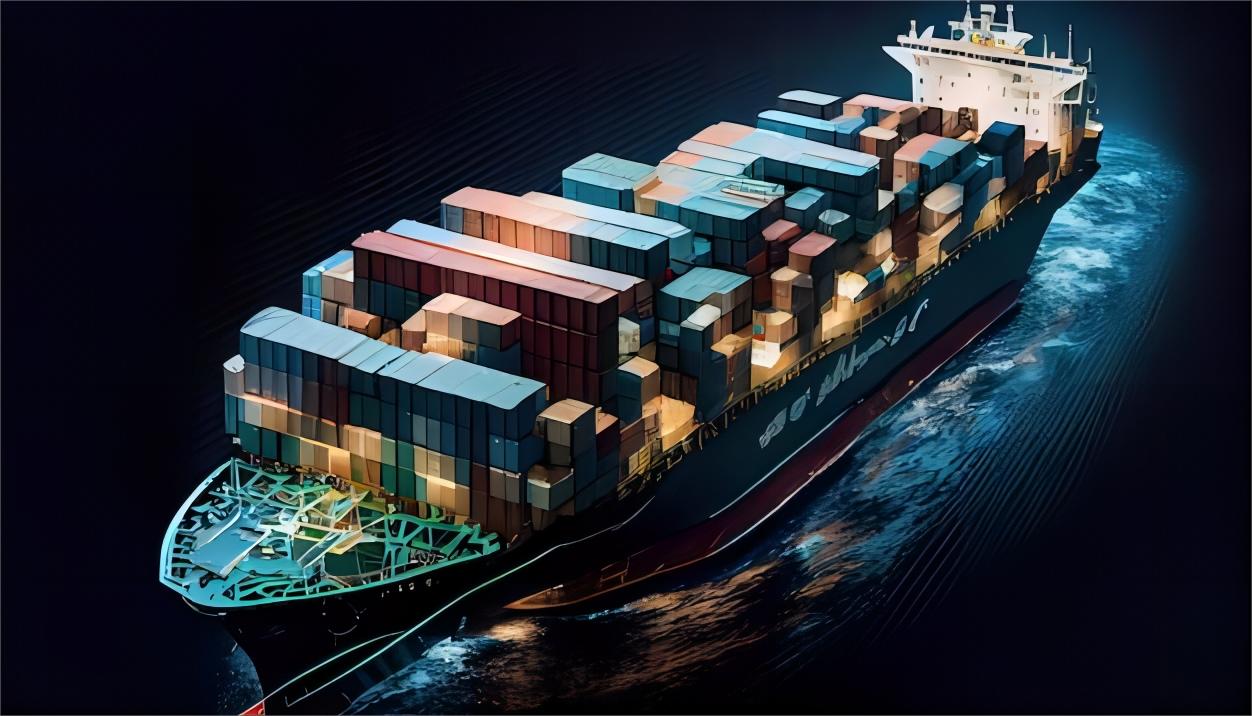
Why You Need a Customs Broker for China to UK Shipments
Navigating the intricate landscape of international trade between China and the UK presents numerous challenges. Post-Brexit, the regulatory environment has become even more complex, requiring a deep understanding of evolving customs laws, tariffs, and trade agreements. Consequently, businesses importing goods must meticulously adhere to these rules to avoid costly disruptions.
Without a professional customs broker china to uk, importers often encounter unexpected delays at ports, leading to increased storage fees and missed delivery schedules. Moreover, incorrect declarations or missing documentation can result in hefty fines and penalties from HMRC. Therefore, engaging an expert is crucial for mitigating these significant financial risks.
Indeed, a skilled customs broker ensures your shipments move smoothly through the UK border, facilitating efficient clearance. They act as your indispensable intermediary, handling all interactions with customs authorities on your behalf. This partnership ultimately safeguards your supply chain and protects your business reputation.
Key Responsibilities of a Customs Broker
HS Code Classification
One of the primary duties of a customs broker involves accurately classifying your goods using the Harmonized System (HS) codes. This alphanumeric system determines the correct tariff rates and any applicable import restrictions. Incorrect classification can lead to overpayment of duties or severe penalties for underpayment, therefore precision is paramount.
Duty and VAT Calculation
Furthermore, your broker will precisely calculate all duties, taxes, and Value Added Tax (VAT) owed on your imports. They understand the various trade agreements and relief schemes that might apply, potentially reducing your overall import costs. This expertise ensures financial compliance and avoids unexpected expenses.
Documentation Management
Managing the vast array of required import documents, such as commercial invoices, packing lists, bills of lading, and certificates of origin, is another critical task. A customs broker meticulously prepares and submits these documents to HMRC on time. Consequently, this prevents delays and ensures smooth customs brokerage procedures.
Compliance and Regulatory Guidance
Ultimately, a customs broker ensures full compliance with all UK import regulations, including specific product safety standards, labeling requirements, and licensing. They stay updated on changing legislation, providing invaluable guidance to keep your business compliant. This proactive approach minimizes legal risks and operational interruptions.
Understanding UK Customs Regulations for Chinese Imports
Importing from China to the UK requires adherence to specific customs regulations, particularly concerning EORI numbers and VAT. All businesses importing into the UK must possess an EORI number starting with ‘GB.’ Moreover, understanding the correct VAT application, including postponed VAT accounting, is crucial for cash flow management.
Additionally, certain goods may require specific import licenses or certifications, especially for products like electronics, textiles, or food items. A proficient customs broker china to uk will advise on these requirements, ensuring all necessary permissions are secured before shipment. This proactive measure prevents goods from being held at the border.
| Document | Purpose | Key Information |
|---|---|---|
| Commercial Invoice | Proof of sale and value | Seller/Buyer details, HS codes, item description, quantity, price, Incoterms |
| Packing List | Details of cargo packaging | Number of packages, weight, dimensions, contents of each package |
| Bill of Lading / Air Waybill | Contract of carriage, title to goods | Shipper/Consignee, carrier, route, goods description, port/airport details |
| Certificate of Origin | Confirms country of manufacture | Country of origin, often required for preferential tariffs or trade agreements |
| Import License (if applicable) | Authorization for restricted goods | Issued by relevant UK government department for specific controlled items |

How Does Sea Freight Compare to Other Shipping Options from China to UK?
When shipping goods from China to the UK, businesses have several options, each with distinct advantages and disadvantages. Sea freight remains the most popular choice for large, heavy, or non-urgent shipments due to its cost-effectiveness. However, it also has the longest transit times, typically ranging from 30 to 38 days.
In contrast, air freight offers significantly faster transit, usually 5-7 days, making it ideal for high-value, time-sensitive, or perishable goods. Nevertheless, the cost is substantially higher. Rail freight provides a middle ground, balancing cost and speed with a transit time of 18-25 days, though its network is less extensive than sea or air.
For very small, urgent parcels, express couriers offer door-to-door delivery within 3-5 days, albeit at the highest per-kilogram cost. Each method requires careful consideration of shipping costs, transit time, and cargo handling needs. Ultimately, the best choice depends on your specific supply chain demands.
| Shipping Method | Cost Range (40HQ/100kg) | Transit Time | Best For | Limitations |
|---|---|---|---|---|
| Sea Freight (FCL/LCL) | $3,500-4,500 (40HQ) / $80-120/CBM (LCL) | 30-38 days | Large volumes, heavy goods, non-urgent shipments | Slowest transit, potential port congestion |
| Air Freight | $800-1,500 (100kg) | 5-7 days | High-value, time-sensitive, perishable goods | Highest cost, volume/weight restrictions |
| Rail Freight | $1,500-2,500 (100kg equivalent) | 18-25 days | Medium urgency, heavier cargo than air, cost-effective alternative to air | Limited network, less flexibility than sea/air |
| Express Service | $1,500-2,500 (100kg) | 3-5 days | Small, urgent parcels, samples, documents | Highest per-unit cost, limited to small packages |
Which Option Should You Choose?
Selecting the optimal shipping method from China to the UK depends heavily on your business priorities and cargo characteristics. If budget is your primary concern and time is less critical, then sea freight, particularly LCL for smaller volumes or FCL for larger, is generally the most economical option. Consider this for non-urgent bulk goods.
Conversely, if speed is paramount, such as for urgent product launches or critical spare parts, air freight offers the fastest delivery, albeit at a premium. For a balance of speed and cost, rail freight presents a viable alternative, especially for shipments that are too large for air but too urgent for sea. It’s often suitable for medium-sized, semi-urgent cargo.
Furthermore, cargo type considerations play a significant role. Perishable goods or high-value electronics often benefit from the quicker transit and enhanced security of air freight. For bulk commodities or large machinery, however, sea freight is almost always the go-to solution. Moreover, for businesses requiring comprehensive logistics solutions, a reliable door-to-door service can simplify logistics significantly.
Real-World Scenarios: Customs Brokerage in Action
These real-world examples illustrate the invaluable role a professional customs broker plays in ensuring efficient and compliant international trade from China to the UK. Each scenario highlights tailored solutions that addressed specific client needs and challenges.
Case Study 1: Electronics Importer (FCL Sea Freight)
This case demonstrates how a strategic customs approach saved an electronics distributor significant costs and ensured timely delivery for a large volume shipment. Proactive customs classification and pre-clearance documentation prevented delays, ensuring goods were available for distribution immediately upon arrival.
| Detail | Description |
|---|---|
| Route | Shenzhen, China Felixstowe, UK |
| Cargo | Consumer Electronics, 60 CBM, 15,000 kg |
| Container | 40HQ |
| Shipping Details | Carrier: Major carrier; Port of Loading: Shenzhen; Port of Discharge: Felixstowe; Route Type: Direct |
| Cost Breakdown (Q3 2024) | Ocean Freight: $4,000; Origin Charges: $450; Destination Charges: $600; Customs & Duties (est.): $8,000 (Based on $30k cargo value); Total Landed Cost: $13,050 |
| Timeline | Booking to Loading: 5 days; Sea Transit: 32 days; Customs Clearance: 2 days; Total Door-to-Door: 39 days |
Case Study 2: Fashion Retailer (LCL Sea Freight)
For a fashion brand importing smaller, frequent batches, efficient LCL customs clearance and consolidation proved essential for maintaining inventory flow without excessive costs. Expert consolidation and precise HS code management for varied textile types optimized costs and avoided customs hold-ups, despite a longer transit via transshipment.
| Detail | Description |
|---|---|
| Route | Ningbo, China Southampton, UK |
| Cargo | Apparel & Textiles, 10 CBM, 2,500 kg |
| Container | LCL 10 CBM |
| Shipping Details | Carrier: Major LCL consolidator; Port of Loading: Ningbo; Port of Discharge: Southampton; Route Type: Transshipment via Singapore |
| Cost Breakdown (Q3 2024) | Ocean Freight: $850 (LCL, $85/CBM); Origin Charges: $200; Destination Charges: $350; Customs & Duties (est.): $3,000 (Based on $10k cargo value); Total Landed Cost: $4,400 |
| Timeline | Booking to Loading: 7 days; Sea Transit: 38 days; Customs Clearance: 3 days; Total Door-to-Door: 48 days |
Case Study 3: Urgent Industrial Components (Air Freight)
When a manufacturing client required critical industrial components quickly, expedited air freight combined with rapid customs processing minimized production downtime. Rapid customs pre-clearance and expedited handling were crucial, minimizing downtime for the client’s production line and justifying the higher air freight cost.
| Detail | Description |
|---|---|
| Route | Shanghai, China Heathrow, UK |
| Cargo | High-Value Industrial Components, 0.8 CBM, 150 kg |
| Container | Air Freight |
| Shipping Details | Carrier: Premium Air Cargo; Airport of Departure: Shanghai Pudong (PVG); Airport of Arrival: London Heathrow (LHR); Route Type: Direct Air Cargo |
| Cost Breakdown (Q3 2024) | Air Freight: $1,200 ($8/kg); Origin Charges: $150; Destination Charges: $200; Customs & Duties (est.): $1,500 (Based on $6k cargo value); Total Landed Cost: $3,050 |
| Timeline | Booking to Loading: 2 days; Air Transit: 2 days; Customs Clearance: 1 day; Total Door-to-Door: 5 days |

Cost Factors and Transparency in Customs Brokerage
The cost of engaging a customs broker china to uk can vary significantly based on the complexity of your shipment, the services required, and the broker’s fee structure. Generally, fees may include declaration charges, disbursement fees for duties and taxes, and potentially additional charges for specialized services like import license applications or tariff consulting. It’s essential to understand the full scope of services included.
However, the value a professional customs broker provides often far outweighs these direct costs. Their expertise helps avoid expensive delays, penalties, and incorrect duty payments, which can quickly escalate. Therefore, transparent pricing and a clear breakdown of services are critical when selecting a partner. Always seek an itemized quote to prevent hidden fees.
Note: Freight rates are subject to change based on fuel costs, carrier capacity, and seasonal demand. Contact us for a current quote tailored to your specific shipment.
Choosing the Right Customs Broker for Your Business
Selecting the ideal customs broker for your China to UK imports requires careful consideration of several factors. Firstly, assess their experience and expertise specifically with the China-UK trade lane and your particular product category. A broker with a proven track record can navigate potential pitfalls more effectively.
Secondly, evaluate their technological capabilities, such as online tracking systems and electronic data interchange (EDI) for declarations. Efficient communication and a responsive support team are also vital for timely updates and problem resolution. Furthermore, consider their network and whether they offer comprehensive logistics solutions.
Ultimately, a reputable customs broker acts as an extension of your business, ensuring compliance and efficiency. They should offer proactive advice on logistics trends, potential cost savings, and any changes in customs policy. Partnering with the right expert guarantees peace of mind and smoother international trade operations.
Conclusion
In conclusion, navigating the complexities of importing from China to the UK demands expertise in customs regulations and logistics. Engaging a professional <span class=”keyword”>customs broker china to uk</span> is not merely a convenience but a strategic imperative for efficient and compliant trade. By leveraging their knowledge, you can mitigate risks, control costs, and ensure your goods reach their destination without unnecessary delays, thereby strengthening your overall supply chain.
Need a tailored shipping solution?
Ready to simplify your import process and ensure seamless customs clearance from China to the UK? Contact China Top Freight today for a personalized consultation and a competitive quote. Our expert team is prepared to handle all your customs brokerage needs, allowing you to focus on your core business.