

Flat Rack FCL: Best Route for Machinery China to Illinois
“Shipping oversized or heavy machinery from China to Illinois presents unique logistical challenges. Securing the most efficient and cost-effective route requires careful planning and expertise. This guide delves into optimizing your China Top Freight Flat Rack FCL shipment, ensuring your valuable machinery arrives safely and on schedule.”
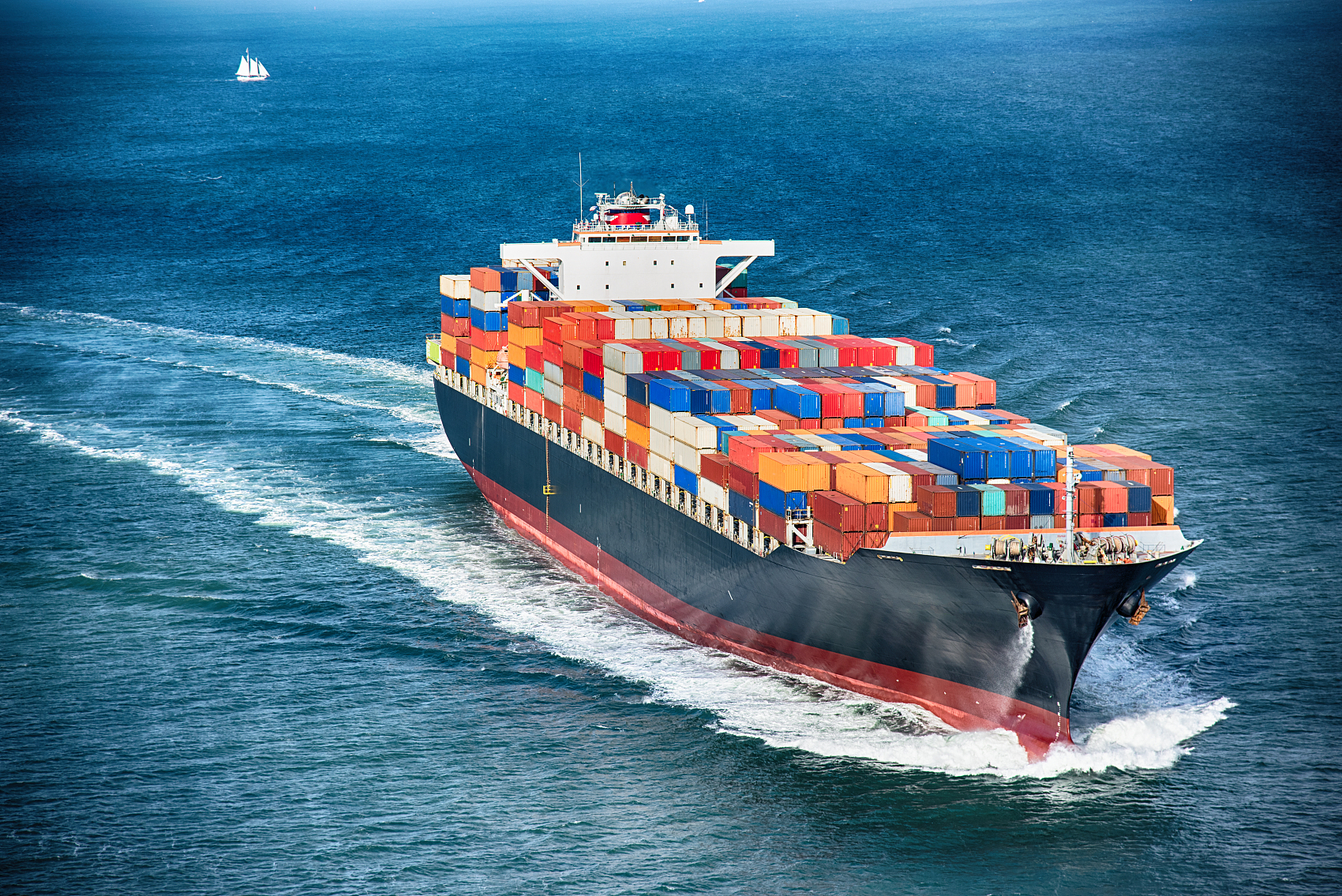
What is Flat Rack FCL Shipping for Machinery?
❖Flat Rack FCL (Full Container Load) is a specialized shipping solution designed for cargo that does not fit into standard enclosed containers. This includes oversized, overweight, or irregularly shaped machinery. Flat racks have no side walls or roof, making them ideal for large equipment.
Essentially, machinery is loaded onto a sturdy base with end walls, secured tightly, and then shipped. This method ensures maximum stability and protection for your valuable assets during transit. Understanding its benefits is crucial for successful international logistics planning.
Choosing Flat Rack FCL allows for direct, dedicated transport of your machinery. This minimizes handling and reduces the risk of damage compared to other methods. It is a preferred choice for industrial equipment, construction vehicles, and large manufacturing components.
Why Choose Flat Rack FCL for Machinery from China to Illinois?
❖When importing heavy machinery from China to Illinois, Flat Rack FCL offers significant advantages. It provides the necessary capacity and structural integrity for large items. This ensures safe transport across vast distances.
Moreover, FCL means your cargo is the sole occupant of the container space, preventing co-mingling with other shipments. This dedicated space enhances security and simplifies tracking. Therefore, it is a reliable choice for high-value machinery.
Consequently, Flat Rack FCL facilitates a smoother customs clearance process due to its dedicated nature. It also often proves more economical for substantial volumes than multiple smaller shipments. This method streamlines your supply chain for critical equipment.
Identifying the Best Route: China to Illinois
❖Determining the optimal route for your Flat Rack FCL machinery shipment from China to Illinois involves several factors. These include origin port in China, destination port in the USA, and inland transportation. The goal is to balance transit time and shipping costs.
Typically, major Chinese ports like Shanghai, Ningbo, and Shenzhen are primary loading points. For Illinois, the most common port of entry in the US is via West Coast ports like Los Angeles (LA) or Long Beach, or East Coast ports such as New York/New Jersey. From these points, intermodal rail or truck transport completes the journey to Illinois.
Choosing between West Coast and East Coast ports depends on overall transit time and specific inland logistics. West Coast ports offer faster ocean transit but require longer and potentially more expensive rail or truck drayage to Illinois. Conversely, East Coast routes have longer sea transit but shorter inland legs.
Key Considerations for Your Flat Rack FCL Shipment
❖Shipping machinery requires meticulous attention to detail. Firstly, cargo dimensions and weight are paramount for selecting the correct flat rack type and size. Accurate measurements prevent delays and additional costs.
Secondly, proper lashing and securing of the machinery on the flat rack are critical for safety and preventing damage. Professional rigging services are often required. This step cannot be overlooked, as improper securing can lead to severe issues during transit.
Furthermore, comprehensive marine cargo insurance is highly recommended to protect your investment against unforeseen events. Given the value of industrial machinery, this provides essential peace of mind. Moreover, understanding Incoterms is vital for defining responsibilities and costs between buyer and seller.
Customs Clearance and Documentation for US Machinery Imports
❖Navigating US customs regulations for machinery imports from China is complex. Accurate and complete documentation is essential to avoid delays and penalties. This process can significantly impact your delivery schedule.
Key documents typically include the Commercial Invoice, Packing List, Bill of Lading (or Air Waybill), and a Certificate of Origin. Additionally, specific machinery might require import permits or declarations for regulatory compliance. A skilled customs broker is invaluable here.
Indeed, a reliable customs broker can expedite the process, ensure compliance with all tariffs and duties, and manage any potential inspections. Their expertise is crucial for a smooth entry into the US market. Consider utilizing customs brokerage services for seamless operations.
| Document Type | Purpose | Notes |
|---|---|---|
| Commercial Invoice | Details of goods, value, and terms of sale | Must match other documents |
| Packing List | Itemized list of contents, weights, and dimensions | Aids in cargo verification |
| Bill of Lading (B/L) | Contract of carriage, title to goods | Originals needed for release |
| Certificate of Origin | Confirms country of manufacture | May impact duty rates |
| ISF (Importer Security Filing) | Pre-arrival cargo information | Mandatory for ocean shipments, filed 24 hours before loading |

How Does Flat Rack FCL Compare to Other Shipping Options?
❖Choosing the right shipping method for your machinery involves a trade-off between cost, speed, and specific cargo requirements. While Flat Rack FCL excels for oversized items, other options might suit different scenarios. Evaluating these alternatives is crucial for an informed decision.
For instance, air freight offers speed but comes at a significantly higher cost and has size/weight limitations. Breakbulk shipping handles extremely large or irregularly shaped items that even flat racks cannot accommodate. Understanding these distinctions helps optimize your logistics strategy.
| Shipping Method | Cost Range (China-Illinois) | Transit Time (China-Illinois) | Best For | Limitations |
|---|---|---|---|---|
| Flat Rack FCL Sea Freight | $4,500 – $8,000+ | 30-45 days | Oversized/heavy machinery, cost-effective for large volumes | Slower transit, requires specialized handling |
| Standard FCL Sea Freight | $3,500 – $6,500 | 30-45 days | Machinery fitting into enclosed containers, general cargo | Size/weight restrictions, not for oversized items |
| Air Freight | $15,000 – $40,000+ | 5-10 days | Urgent, high-value, smaller machinery, spare parts | Very high cost, strict size/weight limits, fuel surcharges |
| Breakbulk Shipping | $8,000 – $20,000+ | 35-50 days | Extremely large, non-containerizable project cargo | Longer transit, higher handling risks, less frequent schedules |
Case Studies: Successful Machinery Shipments to Illinois
❖Understanding real-world scenarios can illuminate the complexities and solutions in shipping machinery. These examples showcase diverse approaches and highlight key considerations for your imports. Each case demonstrates effective strategies for door-to-door delivery.
Case Study 1: Large CNC Machine via Flat Rack FCL
This scenario details a major industrial import, emphasizing the Flat Rack FCL advantage for heavy, oversized equipment.
| Detail | Description |
|---|---|
| Route | Shanghai, China to Chicago, Illinois |
| Cargo | CNC Machining Center, 15 CBM, 12,500 kg |
| Container | 40ft Flat Rack (OOG cargo) |
| Shipping Details | |
| – Carrier/Service | COSCO (major carrier) |
| – Port of Loading | Shanghai, China |
| – Port of Discharge | Long Beach, USA |
| – Route Type | Transshipment via Busan, then intermodal rail to Chicago |
| Cost Breakdown (Typical Q1 2025) | |
| – Ocean Freight | $5,200 |
| – Origin Charges (THC, documentation) | $450 |
| – Destination Charges (Drayage, rail to Chicago) | $2,800 |
| – Customs & Duties (estimated) | $750 |
| – Total Landed Cost | $9,200 |
| Timeline | |
| – Booking to Loading | 7 days |
| – Sea Transit | 22 days |
| – Customs Clearance | 3 days |
| – Total Door-to-Door | 35 days |
| Key Insight | Opting for West Coast port with intermodal rail provided a balance of speed and cost for this oversized cargo. Securing was critical. |
Case Study 2: Urgent Industrial Press via Air Freight
This case highlights an expedited shipment where speed was the overriding priority, despite the higher cost.
| Detail | Description |
|---|---|
| Route | Guangzhou, China to O’Hare, Illinois |
| Cargo | Hydraulic Press Components, 4 CBM, 2,800 kg |
| Container | Air Cargo Pallet (ULD) |
| Shipping Details | |
| – Carrier/Service | Cathay Pacific Cargo |
| – Port of Loading | Guangzhou (CAN) |
| – Port of Discharge | Chicago O’Hare (ORD) |
| – Route Type | Direct Air Freight |
| Cost Breakdown (Typical Q1 2025) | |
| – Air Freight | $18,500 |
| – Origin Charges (Handling, documentation) | $350 |
| – Destination Charges (Terminal, trucking to facility) | $600 |
| – Customs & Duties (estimated) | $400 |
| – Total Landed Cost | $19,850 |
| Timeline | |
| – Booking to Loading | 2 days |
| – Air Transit | 2 days |
| – Customs Clearance | 1 day |
| – Total Door-to-Door | 5 days |
| Key Insight | Air freight was essential for a critical production timeline, demonstrating its value for time-sensitive, albeit smaller, machinery components. Utilizing air freight services was key. |
Case Study 3: Multiple Smaller Machines via LCL Sea Freight
This example illustrates how LCL can be a viable option for smaller machinery when cost is a primary concern.
| Detail | Description |
|---|---|
| Route | Qingdao, China to Peoria, Illinois |
| Cargo | 3 Small Lathe Machines, 8 CBM, 4,000 kg total |
| Container | LCL (Less than Container Load) |
| Shipping Details | |
| – Carrier/Service | Maersk (consolidated service) |
| – Port of Loading | Qingdao, China |
| – Port of Discharge | New York/New Jersey, USA |
| – Route Type | Transshipment via Singapore, then truck to Peoria |
| Cost Breakdown (Typical Q1 2025) | |
| – Ocean Freight (per CBM) | $850 |
| – Origin Charges (Consolidation, documentation) | $300 |
| – Destination Charges (Deconsolidation, trucking to Peoria) | $1,500 |
| – Customs & Duties (estimated) | $300 |
| – Total Landed Cost | $8,900 |
| Timeline | |
| – Booking to Loading | 5 days |
| – Sea Transit | 38 days |
| – Customs Clearance | 4 days |
| – Total Door-to-Door | 47 days |
| Key Insight | LCL offered a cost-effective solution for multiple smaller machines, though with a longer transit time. This is a good option when sea freight is preferred for budget. |
Which Option Should You Choose for Your Machinery Shipment?
❖Selecting the optimal shipping method depends heavily on your specific business priorities and cargo characteristics. A clear understanding of your needs will guide this critical decision. This framework helps you weigh the variables effectively.
For instance, if budget is your primary concern and time allows, Flat Rack FCL sea freight is almost always the most economical choice for large machinery. Conversely, if speed is paramount, air freight becomes the only viable option, despite its higher cost.
Consider the type and size of your machinery. Oversized or heavy equipment inherently points towards Flat Rack FCL or breakbulk. Lastly, evaluate your volume thresholds; a single large machine justifies FCL, whereas multiple small items might use LCL or even air freight for urgent parts.
Budget Priority
If minimizing shipping costs is your top concern, Flat Rack FCL sea freight is the recommended choice. Consolidating your shipment into one dedicated container offers significant savings per unit volume. However, be prepared for longer transit times.
Cost-saving strategies include booking well in advance, especially outside of peak seasons. Furthermore, utilizing a freight forwarder who can negotiate competitive rates is beneficial. Therefore, planning ahead is key to budget efficiency.
Speed Priority
When machinery is urgently needed for production or a project deadline, air freight is the undisputed champion for speed. While considerably more expensive, it drastically reduces transit time. This option is invaluable for critical, time-sensitive components.
However, air freight has strict limitations on cargo dimensions and weight. Consequently, it may not be feasible for all types of heavy machinery. Always confirm cargo suitability with your freight forwarder before committing to this method.
Cargo Type and Volume Considerations
The physical characteristics of your machinery are crucial determinants. Oversized, heavy, or irregularly shaped items are best suited for Flat Rack FCL or breakbulk solutions. These methods provide the necessary capacity and secure handling.
For machinery that fits within standard container dimensions, regular FCL or LCL services are appropriate. LCL is ideal for smaller volumes that do not require a full container, offering a balance between cost and transit time. Therefore, matching the method to the cargo is essential.
Hybrid and Intermodal Solutions
Sometimes, a combination of transport modes offers the best balance. For example, machinery arriving at a US West Coast port can then be transported to Illinois via intermodal rail. This often provides a faster inland journey than trucking alone, especially for heavy loads.
Additionally, a sea-air combination might be considered for a balance between speed and cost if direct air freight is too expensive. This involves sea transport to a hub (e.g., Dubai) then air freight to the final destination. Such solutions require expert coordination from your logistics partner.
Market Insights and Current Trends for China-US Shipping
❖The global shipping landscape is constantly evolving, impacting freight rates and transit times from China to Illinois. Staying informed about current market conditions is crucial for effective logistics planning. These trends directly influence your Flat Rack FCL decisions.
As of Q1 2025, freight rates from China to the US East Coast have seen some volatility due to Red Sea rerouting impacts. West Coast rates, however, remain relatively stable, though port congestion can still cause occasional delays. These factors affect both sea freight and intermodal options.
Industry data suggests that peak shipping seasons, typically from August to October, often see rate increases of 15-25%. Planning shipments outside these periods or booking well in advance can lead to cost savings. Moreover, geopolitical events and fuel price fluctuations continue to influence overall shipping costs.
Navigating Your Flat Rack FCL Journey Successfully
Shipping heavy machinery from China to Illinois via Flat Rack FCL demands a strategic approach. From selecting the right port and route to managing customs and securing your cargo, every detail matters. The goal is always safe, timely, and cost-efficient delivery.
By understanding the nuances of Flat Rack FCL, exploring alternative shipping methods, and leveraging expert freight forwarding services, you can optimize your supply chain. Ultimately, a well-executed plan ensures your machinery arrives ready for operation. This comprehensive guide empowers you to make informed decisions for the best Flat Rack FCL route for machinery from China to Illinois.

Ready to streamline your logistics?
Ready to ship your machinery from China to Illinois with confidence? Contact us today for a personalized quote and expert guidance on the best Flat Rack FCL route. Our team at China Top Freight specializes in oversized cargo and will ensure a smooth, efficient, and cost-effective delivery of your valuable equipment.
Request Quote