

Fast Shipping China to Germany: Your Ultimate Guide
Navigating international logistics can be complex, especially when you need fast shipping from China to Germany. Businesses and individuals seek efficient, reliable, and cost-effective methods to transport goods across continents. This guide explores the best options, critical considerations, and expert tips to ensure your cargo reaches its German destination swiftly. Understanding the nuances of each shipping method is crucial for optimizing your supply chain.

Understanding Your Options for Fast Shipping China to Germany
Efficiently transporting goods from China to Germany requires careful consideration of various shipping methods. Each option presents distinct advantages and disadvantages concerning speed, cost, and capacity. Selecting the right service depends heavily on your specific business needs and cargo characteristics.
This section delves into the primary modes of transport available. We will analyze air, rail, and sea freight, highlighting their typical transit times and suitability. Understanding these differences is key to making informed decisions for your supply chain.
Air Freight: The Fastest Route
For truly urgent shipments, air freight is unmatched for speed. Goods typically travel from major Chinese airports to German hubs in just 3-7 days. However, this speed comes at a premium, making air freight the most expensive option.
Consequently, air freight is ideal for high-value, time-sensitive, or perishable items. This method offers higher security and reduced handling, minimizing damage risk. It is particularly beneficial for small to medium-sized packages and e-commerce express deliveries.
Rail Freight: A Balanced Approach
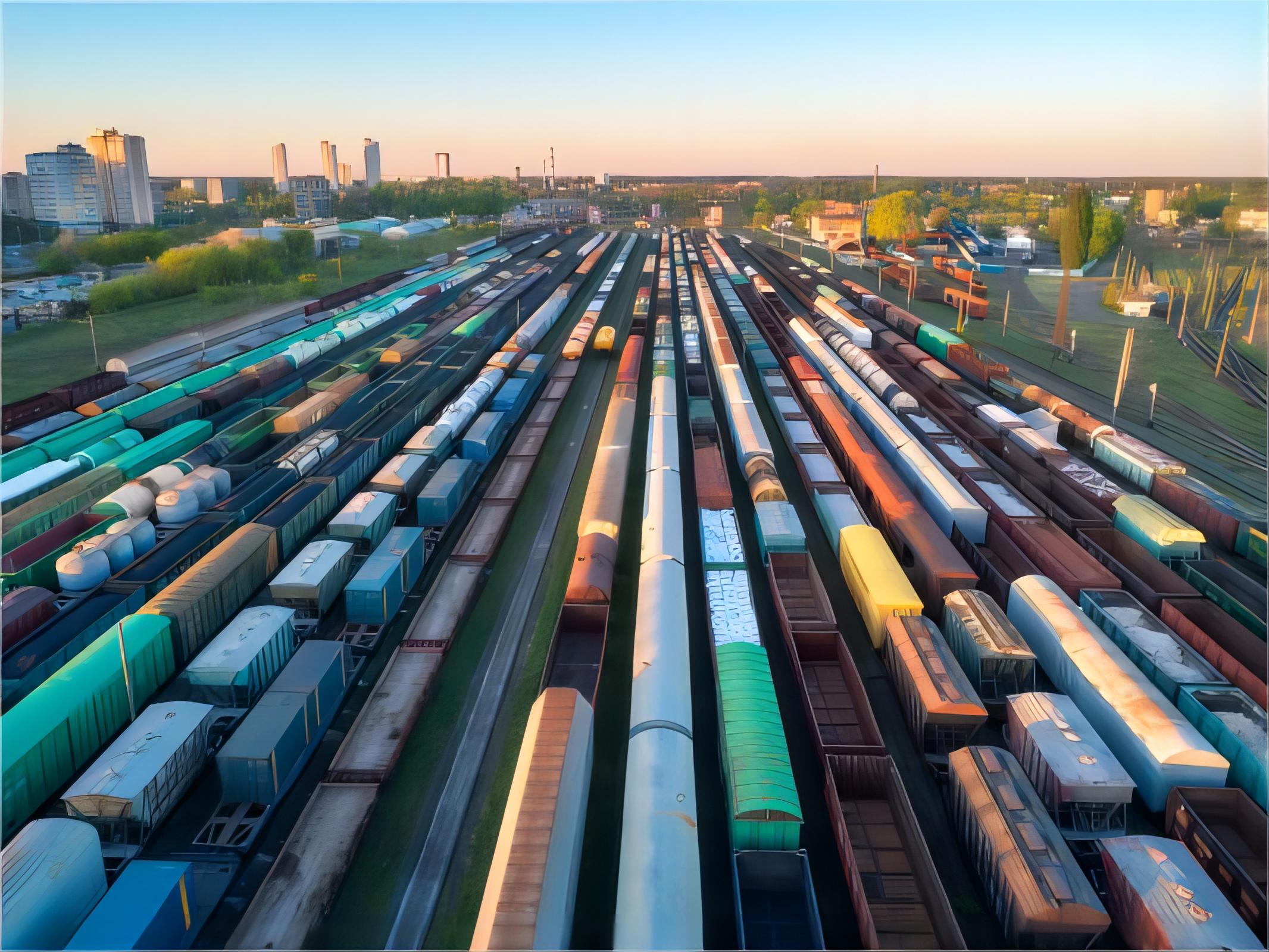
Consider rail freight as an excellent middle-ground solution, balancing speed and cost effectively. The New Silk Road railway connects major Chinese cities to European logistics hubs in Germany. Transit times generally range from 18-25 days.
Moreover, rail transport is significantly faster than sea freight and considerably more affordable than air freight. It is well-suited for a wide range of goods, offering reliable schedules and a lower carbon footprint. This method is popular for businesses seeking a cost-efficient yet relatively fast option.
Sea Freight: Economical for Larger Volumes
For bulkier goods, sea freight remains the most cost-effective option for shipping from China to Germany. While it is the slowest, with transit times typically ranging from 28-40 days, it is indispensable for large volumes and heavy cargo. Both FCL and LCL options are available.
Additionally, express sea freight or expedited LCL can sometimes reduce transit times slightly. Despite the longer transit, sea freight’s lower cost per unit makes it the preferred choice for many businesses managing larger inventories. This method is the backbone of global trade.
What Key Factors Influence Transit Time and Cost for Shipments?
Several critical elements dictate how quickly and affordably your goods move from China to Germany. Understanding these factors allows for better planning and budgeting. Proactive management of these variables can significantly impact your overall logistics strategy.
Ignoring these aspects can lead to unexpected delays and increased expenses. From cargo specifics to geopolitical events, each plays a role in the final delivery schedule and freight rates. A comprehensive approach is always recommended.
Cargo Type and Volume
The nature and quantity of your goods profoundly affect shipping choices. Hazardous materials or oversized cargo may require specialized handling, impacting both cost and transit time. Smaller, lighter items suit air freight, whereas heavy machinery typically travels by sea or rail.
Furthermore, volume determines whether FCL or LCL sea freight is more economical. For air freight, density and actual weight are crucial. Accurately declaring cargo specifications is paramount for accurate quotes and smooth operations.
Origin and Destination
Specific cities of origin in China and destination in Germany play a significant role. Shipping from an inland city in China to an inland city in Germany usually involves additional domestic transport legs. These pre-carriage and on-carriage legs add both time and cost.
Conversely, routes between major port cities or airport hubs are generally faster and more direct. For example, Shanghai to Hamburg is more streamlined than Chongqing to Munich. Planning door-to-door services requires careful attention to these geographical details.
Customs Clearance and Documentation
Efficient customs clearance is vital for avoiding delays. Incomplete or incorrect documentation leads to significant hold-ups at both Chinese export and German import customs. A reliable partner offering customs brokerage services simplifies this process.
Understanding German import regulations, duties, and taxes beforehand is crucial. Proper classification of goods (HS codes) and accurate valuation prevent complications. Preparing all necessary paperwork well in advance is a non-negotiable step for fast shipping from China to Germany.
How Does Fast Shipping China to Germany Compare Across Methods?
Choosing the optimal shipping method involves weighing speed against cost and other logistical considerations. A direct comparison helps illustrate the trade-offs inherent in each option. This overview aims to provide clarity on which method best suits different business priorities.
This table offers a concise summary of primary shipping routes from China to Germany. It highlights typical cost ranges, transit times, and ideal scenarios for each, along with limitations. Businesses can thus make more informed decisions regarding their supply chain.
Disclaimer: Freight rates are subject to change based on fuel costs, carrier capacity, and seasonal demand. Contact us for a current quote tailored to your specific shipment.
| Shipping Method | Cost Range (per kg/CBM) | Transit Time (days) | Best For | Limitations |
|---|---|---|---|---|
| Air Freight | $4-8/kg (min. charges apply) | 3-7 | Urgent, high-value, small parcels, e-commerce | Most expensive, volume/weight restrictions |
| Rail Freight | $0.8-1.5/kg or $80-150/CBM | 18-25 | Mid-range urgency, balanced cost/speed, regular cargo | Less flexible routes, limited capacity vs. sea |
| Sea Freight (FCL) | $2,800-4,200/40HQ (port-to-port) | 28-40 | Large volumes, heavy cargo, bulk goods | Slowest, port congestion risks, longer lead times |
| Sea Freight (LCL) | $50-100/CBM (port-to-port) | 30-45 | Smaller volumes (under 15 CBM), cost-conscious | Slower than FCL, potential for delays due to consolidation |

Real-World Scenarios for Fast Shipping China to Germany
Examining practical case studies provides valuable insights into how different shipping methods perform under various circumstances. These examples illustrate the complexities and successful strategies involved in moving goods from China to Germany. Understanding these real-world applications can guide your own logistics planning.
These scenarios reflect typical challenges and solutions encountered by businesses. They highlight the importance of choosing the right method based on cargo specifics, budget, and urgency. Careful planning is paramount for efficient international shipping.
Case Study 1: Urgent Electronics via Air Freight
Route: Shenzhen, China -> Frankfurt, Germany
Cargo: 2.5 CBM, 450 kg of high-value electronic components
Container: Air cargo pallet
| Shipping Details | Value |
|---|---|
| Carrier/Service | Major airline cargo (e.g., Lufthansa Cargo) |
| Port of Loading | Shenzhen (SZX) |
| Port of Discharge | Frankfurt (FRA) |
| Route Type | Direct flight |
Cost Breakdown (Based on Q3 2024 market rates)
| Cost Category | Amount |
|---|---|
| Air Freight | $2,700 (approx. $6/kg) |
| Origin Charges (handling, documentation) | $250 |
| Destination Charges (customs clearance, handling) | $300 |
| Customs & Duties (estimated) | $500 |
| Total Landed Cost | $3,750 |
Timeline
| Stage | Duration |
|---|---|
| Booking to Loading | 2 days |
| Air Transit | 3 days |
| Customs Clearance | 1 day |
| Total Door-to-Door | 6 days |
Key Insight
Air freight successfully met a critical production deadline, justifying the higher cost for time-sensitive components. The direct route minimized transit time significantly.
Case Study 2: Mid-Volume Textiles via Rail Freight
Route: Chongqing, China -> Duisburg, Germany
Cargo: 15 CBM, 6,000 kg of fashion textiles
Container: 40GP (shared with other LCL cargo)
| Shipping Details | Value |
|---|---|
| Carrier/Service | China-Europe Railway Express |
| Port of Loading | Chongqing (Yuzhou) |
| Port of Discharge | Duisburg (DIT) |
| Route Type | Direct rail service via Kazakhstan, Russia, Belarus, Poland |
Cost Breakdown (Typical rates as of early 2025)
| Cost Category | Amount |
|---|---|
| Rail Freight | $1,800 (for 15 CBM, $120/CBM) |
| Origin Charges (consolidation, documentation) | $350 |
| Destination Charges (customs clearance, handling) | $400 |
| Customs & Duties (estimated) | $800 |
| Total Landed Cost | $3,350 |
Timeline
| Stage | Duration |
|---|---|
| Booking to Loading | 5 days |
| Rail Transit | 20 days |
| Customs Clearance | 2 days |
| Total Door-to-Door | 27 days |
Key Insight
Rail offered a cost-effective alternative to air freight for non-urgent but time-sensitive fashion goods, providing a reliable schedule much faster than sea.
Case Study 3: Large Shipment of Furniture via Sea Freight (FCL)
Route: Ningbo, China -> Hamburg, Germany
Cargo: 55 CBM, 12,000 kg of flat-pack furniture
Container: 40HQ FCL
| Shipping Details | Value |
|---|---|
| Carrier/Service | Maersk |
| Port of Loading | Ningbo (NBG) |
| Port of Discharge | Hamburg (DEHAM) |
| Route Type | Direct service |
Cost Breakdown (Based on Q1 2025 market rates)
| Cost Category | Amount |
|---|---|
| Ocean Freight | $3,500 (40HQ) |
| Origin Charges (THC, documentation) | $450 |
| Destination Charges (THC, handling) | $550 |
| Customs & Duties (estimated) | $1,000 |
| Total Landed Cost | $5,500 |
Timeline
| Stage | Duration |
|---|---|
| Booking to Loading | 7 days |
| Sea Transit | 32 days |
| Customs Clearance | 3 days |
| Total Door-to-Door | 42 days |
Key Insight
Despite the longer transit time, sea freight was the only economically viable option for such a large volume, demonstrating its importance for bulk cargo. Planning well in advance is essential.
Optimizing Your Supply Chain for Fast Shipping China to Germany
Achieving truly efficient and fast shipping from China to Germany involves more than just selecting a transport method. Strategic planning and robust partnerships are equally crucial. Implementing best practices can significantly enhance speed and reliability.
This section explores actionable strategies businesses can adopt to streamline their logistics operations. From understanding trade terms to leveraging expert freight forwarders, these approaches aim to minimize delays and optimize costs. A holistic view of the supply chain is essential.
Choosing the Right Incoterms
Incoterms define responsibilities for goods delivery. Selecting appropriate Incoterms, like DDP or EXW, impacts control and costs. For faster, smoother delivery, many importers prefer DDP as the seller handles all aspects to the destination.
Conversely, EXW places maximum responsibility on the buyer, potentially leading to more control but also more logistical challenges. Understanding these terms is vital for managing expectations and avoiding disputes. Proper Incoterm selection directly influences supply chain efficiency.
Partnering with an Experienced Freight Forwarder
Collaborating with a reputable freight forwarder like China Top Freight is paramount for navigating complex international shipping. An experienced forwarder possesses in-depth knowledge of routes, customs, and carrier networks. They negotiate better rates and provide valuable insights.
Moreover, they offer comprehensive services, including consolidation, warehousing, and customs clearance. Many businesses prefer door-to-door services for maximum convenience and reduced administrative burden. This partnership can significantly reduce stress and potential delays.
Leveraging Technology and Tracking
Modern logistics increasingly relies on technology for efficiency and transparency. Advanced tracking systems provide real-time updates on your cargo’s location and estimated arrival. This visibility allows businesses to anticipate and respond to potential delays proactively.
Furthermore, digital platforms streamline documentation, booking processes, and communication. Implementing robust supply chain management software helps optimize inventory and delivery schedules. Embracing technology is key to maintaining a competitive edge in international trade.
Navigating Customs and Regulations for Imports into Germany
Importing goods into Germany involves adhering to specific customs regulations and procedures. Compliance is crucial to avoid delays, penalties, and unexpected costs. A thorough understanding of these requirements is essential for fast shipping from China to Germany.
Key aspects include accurate classification of goods using Harmonized System (HS) codes, correct valuation for duty calculation, and proper documentation. Additionally, certain product categories may require specific licenses, certifications, or conformity markings (e.g., CE marking). A proactive approach ensures smoother customs clearance.
Which Fast Shipping China to Germany Option Should You Choose?
Deciding on the best shipping method ultimately depends on a clear understanding of your priorities and constraints. There is no single “best” solution; rather, the optimal choice is highly contextual. Evaluating your specific needs against the available options is crucial.
This decision framework helps align your shipping strategy with your business objectives. By considering budget, urgency, and cargo characteristics, you can make an informed choice that balances efficiency and cost-effectiveness. Thoughtful planning leads to successful logistics outcomes.
Budget Priority
If minimizing costs is your primary concern, sea freight will be the most economical choice. This includes LCL for smaller volumes or FCL for larger shipments. While slower, it offers the lowest per-unit cost. Always factor in potential inventory holding costs due to longer transit times.
Speed Priority
For time-critical deliveries where speed is paramount, air freight is the undisputed champion. It ensures the fastest transit times, crucial for urgent product launches, perishable goods, or emergency stock replenishment. Be prepared for significantly higher freight rates.
Cargo Type and Volume
The nature of your goods dictates suitability for different methods. Heavy, bulky, or low-value items are best suited for sea freight. Mid-sized, non-perishable goods needing a balance of speed and cost can benefit from rail freight. Small, high-value, or extremely urgent items are perfect for air cargo.
Conclusion
Achieving efficient and <a href=”https://chinatopfreight.com/shipping-from-china-to-europe/”>fast shipping from China to Germany</a> requires a strategic approach, balancing speed, cost, and reliability. Whether opting for rapid air freight, balanced rail efficiency, or cost-effective sea freight, informed decisions are key. Understanding market trends, optimizing documentation, and partnering with a seasoned freight forwarder like China Top Freight are crucial.
By carefully evaluating your cargo’s specific needs and leveraging expert guidance, you can ensure your goods reach their German destination smoothly and on schedule. Take the next step towards streamlined international logistics.
Ready to streamline your logistics?
Ready to optimize your supply chain and achieve fast shipping from China to Germany? Contact our experts at China Top Freight today for a personalized consultation and a competitive quote. We are committed to providing tailored logistics solutions that meet your specific needs and budget.
Request Quote