

40HQ FCL Booking Process for Textiles from China to Europe
Importing textiles from China to Europe can be a complex logistical challenge, especially when dealing with large volumes. Understanding the 40HQ FCL booking process is crucial for ensuring smooth, cost-effective, and timely delivery of your goods. This guide will demystify the steps involved, helping you navigate the complexities of international freight with confidence. For comprehensive support, visit China Top Freight.

What is 40HQ FCL Shipping for Textile Imports?
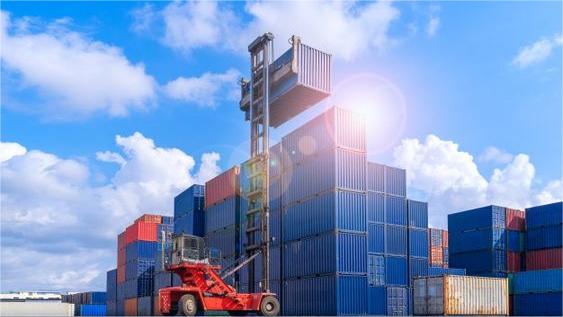
Specifically, a 40HQ (High Cube) FCL (Full Container Load) refers to using an entire 40-foot high cube container exclusively for your cargo. This option is ideal for businesses importing large quantities of textiles, such as garments, fabrics, or finished apparel, from China to various destinations across Europe.
Consequently, a 40HQ container offers greater internal volume compared to a standard 40GP, making it perfect for lighter, bulkier textile products. Utilizing FCL minimizes handling risks and often provides better transit times compared to less-than-container-load (LCL) options. Moreover, it ensures your goods remain secure and untouched throughout the journey.
Why Choose 40HQ FCL for Your Textile Shipments?
Opting for 40HQ FCL shipping presents several distinct advantages for textile importers. Firstly, it offers enhanced security since your goods are not consolidated with other shippers’ cargo, reducing the risk of damage or loss. Additionally, FCL generally provides faster transit times because the container moves directly to its destination without multiple stops for loading and unloading.
Furthermore, FCL can be more cost-effective for large volumes, as you pay a flat rate for the entire container rather than per cubic meter. This predictability in shipping costs greatly assists in budgeting and financial planning. Ultimately, for businesses with substantial textile orders, FCL streamlines the supply chain and provides greater control over the logistics process.
Navigating the 40HQ FCL Booking Process for Textiles
The 40HQ FCL booking process involves several critical steps to ensure a seamless textile shipment from China to Europe. Understanding each phase is essential for efficient logistics management. This systematic approach helps mitigate potential delays and unexpected costs.
Step 1: Obtain a Quote and Confirm Details
Initially, contact a reliable freight forwarder to request a detailed quote for your 40HQ FCL shipment. Provide comprehensive information including the origin port in China, destination port in Europe, cargo type (textiles), weight, and volume. For example, specify if it’s garments, raw fabric, or finished apparel.
Subsequently, clarify any specific requirements such as customs brokerage, insurance, or special handling instructions for delicate textiles. Always ensure the quote includes all-inclusive costs, from origin charges to destination fees. This transparency is vital for accurate budgeting.
Step 2: Booking Confirmation and Documentation
Upon accepting the quote, confirm your booking with the freight forwarder. They will then issue a booking confirmation, which reserves space on a specific vessel. Meanwhile, begin preparing all necessary shipping documents for your textile goods.
Crucially, these documents include the commercial invoice, packing list, bill of lading, and potentially a certificate of origin for textiles. Accurate and complete documentation is paramount for smooth customs clearance in Europe. Delays often arise from incomplete paperwork.
Step 3: Cargo Pickup and Container Loading
Next, arrange for your textile cargo to be transported from your factory or warehouse to the designated port of loading in China. The freight forwarder will coordinate the delivery of an empty 40HQ container to your supplier’s facility for loading, or to a specific container freight station.
During loading, ensure proper stowage and securing of your textiles to prevent damage during transit. For instance, consider using dunnage or strapping. Once loaded, the container is sealed, and the seal number is recorded on the bill of lading. This step marks the physical commencement of your shipment.
Step 4: Ocean Transit and Tracking
After loading, the container is moved to the port and loaded onto the vessel. The ocean transit time from China to Europe typically ranges from 28 to 35 days, depending on the specific ports and route. However, this can vary due to factors like weather or port congestion.
Regularly track your shipment using the provided booking or container number. Your freight forwarder should offer real-time tracking updates. This proactive monitoring allows you to anticipate arrival times and plan for destination logistics. Learn more about sea freight options.
Step 5: Customs Clearance in Europe
As your 40HQ FCL shipment approaches its destination port in Europe, the customs clearance process begins. This involves submitting all required documentation to the European customs authorities. Therefore, having a proficient customs brokerage service is invaluable.
Consequently, they will handle tariff classifications, calculate duties and taxes, and ensure compliance with all import regulations. Any discrepancies or missing documents can lead to significant delays and additional charges. Timely and accurate submission is key to avoiding these issues.
Step 6: Final Delivery to Your Door
Once customs clearance is completed and all duties and taxes are paid, your container is released from the port. The final step involves arranging for the container to be transported from the port of discharge to your final warehouse or distribution center in Europe. Many importers prefer door to door services for this reason.
Finally, the container is offloaded, and your textile goods are ready for inventory. This seamless coordination from port to final destination completes the FCL booking process. Always confirm the delivery schedule to ensure your receiving facilities are prepared.
How Does 40HQ FCL Compare to Other Shipping Options?
When importing textiles, understanding the various shipping methods available is crucial for making informed decisions. While 40HQ FCL is often optimal for large volumes, alternative strategies might suit different needs. Therefore, a comprehensive comparison helps in selecting the most appropriate logistics solution for your textile supply chain.
Moreover, considering factors such as urgency, budget, and cargo volume will guide your choice. Below is a comparison of common shipping methods from China to Europe, providing insights into their respective advantages and limitations for textile imports. This objective analysis helps balance cost and speed.
| Shipping Method | Cost Range (40HQ equivalent) | Transit Time | Best For | Limitations |
|---|---|---|---|---|
| 40HQ FCL Sea Freight | $3,000-4,200 | 28-35 days | Large volumes, cost-efficiency, non-urgent goods like bulk fabrics or apparel | Slower transit, port congestion risks |
| LCL Sea Freight | $50-80/CBM (Total can exceed FCL for ~15CBM+) | 35-45 days | Smaller textile shipments (under 15 CBM), less urgent, flexible volume | Longer transit due to consolidation, higher per-unit cost for larger volumes, increased handling |
| Air Freight | $15,000-25,000 (for similar volume) | 5-7 days | Urgent, high-value textiles, fashion samples, small batches, e.g., Amazon FBA express needs | Significantly higher cost, volume/weight restrictions, environmental impact |
| Rail Freight | $8,000-12,000 | 18-25 days | Medium urgency, high-value goods, landlocked European destinations, e.g., specialty fabrics | Higher cost than sea, less capacity than sea, limited direct routes, potential border delays |
Which Option Should You Choose for Your Textile Logistics?
Selecting the right shipping method for your textile imports depends heavily on your specific business priorities. Consequently, establishing a clear decision framework can simplify this complex choice. Consider the following criteria to determine the best approach for your 40HQ FCL booking process for textiles.
Always evaluate your current inventory needs, customer demand, and financial constraints. This strategic evaluation will ensure that your logistics align with your broader business objectives, optimizing both efficiency and profitability.
Budget Priority
If cost-efficiency is your primary concern, 40HQ FCL sea freight is almost always the most economical option for large textile volumes. Even for slightly smaller shipments, consider consolidating to fill a 40HQ to maximize cost savings. This strategy reduces per-unit shipping costs significantly.
Speed Priority
For urgent textile orders or time-sensitive fashion collections, air freight is the fastest solution, albeit at a much higher cost. Alternatively, rail freight offers a good balance of speed and cost, being significantly faster than sea freight but more affordable than air. This hybrid approach suits many medium-urgency scenarios.
Cargo Type Considerations
Delicate or high-value textiles might benefit from FCL sea freight due to reduced handling. However, for extremely high-value or fragile items requiring minimal transit time, air freight might be preferable. Conversely, bulky but inexpensive fabrics are well-suited for FCL sea options. Ensure proper packaging regardless of the chosen method.
Volume Thresholds
Generally, if your textile shipment exceeds 15-20 CBM, FCL becomes more economical than LCL. A 40HQ container can hold approximately 67-76 CBM, so if your volume is substantial, FCL is the clear winner. For volumes below 15 CBM, LCL or even express service might be more appropriate. Always calculate the cost per CBM for an accurate comparison.
Real-World Textile Shipping: Case Studies
To further illustrate the complexities and solutions within the 40HQ FCL booking process for textiles, let’s examine a few real-world scenarios. These examples highlight typical challenges and effective strategies for importing textile goods from China to Europe. They offer practical insights into managing your supply chain efficiently.
Based on Q3 2024 market rates, these cases demonstrate how different factors influence costs and transit times. Note: Freight rates are subject to change based on fuel costs, carrier capacity, and seasonal demand. Contact us for a current quote tailored to your specific shipment.
Case Study 1: Garments from Shanghai to Hamburg
| Detail | Value |
|---|---|
| Route | Shanghai, China -> Hamburg, Germany |
| Cargo | Fashion apparel (shirts, trousers), 68 CBM, 9,500 kg |
| Container | 40HQ |
| Shipping Details | Carrier: Maersk, Port of Loading: Shanghai, Port of Discharge: Hamburg, Route Type: Direct |
| Cost Breakdown | Ocean Freight: $3,800, Origin Charges: $450, Destination Charges: $550, Customs & Duties (estimated): $1,200, Total Landed Cost: $6,000 |
| Timeline | Booking to Loading: 5 days, Sea Transit: 30 days, Customs Clearance: 3 days, Total Door-to-Door: 38 days |
| Key Insight | Direct route minimized transit time, but Q4 peak season rates were 15% higher than off-peak. Early booking was crucial. |

Case Study 2: Fabric Rolls from Ningbo to Felixstowe
| Detail | Value |
|---|---|
| Route | Ningbo, China -> Felixstowe, UK |
| Cargo | Textile fabric rolls, 72 CBM, 11,000 kg |
| Container | 40HQ |
| Shipping Details | Carrier: COSCO, Port of Loading: Ningbo, Port of Discharge: Felixstowe, Route Type: Transshipment via Singapore |
| Cost Breakdown | Ocean Freight: $3,200, Origin Charges: $400, Destination Charges: $600, Customs & Duties (estimated): $1,100, Total Landed Cost: $5,300 |
| Timeline | Booking to Loading: 7 days, Sea Transit: 34 days, Customs Clearance: 4 days, Total Door-to-Door: 45 days |
| Key Insight | Choosing a transshipment route offered a lower ocean freight rate but added 4 days to the transit time. Documentation for UK customs was meticulously prepared to avoid delays. |
Case Study 3: Home Textiles from Shenzhen to Rotterdam
| Detail | Value |
|---|---|
| Route | Shenzhen, China -> Rotterdam, Netherlands |
| Cargo | Home textiles (bedding, curtains), 65 CBM, 8,800 kg |
| Container | 40HQ |
| Shipping Details | Carrier: MSC, Port of Loading: Shenzhen, Port of Discharge: Rotterdam, Route Type: Direct |
| Cost Breakdown | Ocean Freight: $4,000, Origin Charges: $480, Destination Charges: $520, Customs & Duties (estimated): $1,300, Total Landed Cost: $6,300 |
| Timeline | Booking to Loading: 6 days, Sea Transit: 29 days, Customs Clearance: 2 days, Total Door-to-Door: 37 days |
| Key Insight | This shipment faced minor port congestion at Shenzhen, which delayed departure by 2 days. Utilizing a reputable freight forwarder helped mitigate the impact through effective communication and alternative vessel options. |
Optimizing Your Textile Supply Chain with FCL
Beyond the basic booking process, several strategies can further optimize your textile supply chain when using 40HQ FCL from China to Europe. Proactive planning and strategic partnerships are key to achieving maximum efficiency and cost savings. Consider these advanced tactics to enhance your logistics.
Moreover, continuous evaluation of your shipping patterns and freight forwarder performance can lead to significant improvements. Implementing these strategies helps build a resilient and responsive supply chain, especially vital in the dynamic textile industry. Regularly review your processes for opportunities to streamline.
Consolidation and Planning
Strategically consolidate multiple smaller orders from various suppliers into a single 40HQ FCL shipment. This approach maximizes container utilization, significantly reducing per-unit shipping costs for your textiles. Furthermore, plan your shipments well in advance, especially during peak seasons.
Booking your FCL space several weeks ahead can help secure better rates and avoid premium surcharges. This foresight is crucial for managing unexpected market fluctuations, such as those caused by global events or seasonal demand spikes. Long-term planning directly impacts your bottom line.
Leveraging Technology
Utilize freight management software or platforms that offer real-time tracking and analytics. These tools provide visibility into your textile shipments, allowing for better inventory management and demand forecasting. Consequently, you can make more informed decisions.
Digital solutions also streamline documentation processes, reducing manual errors and accelerating customs clearance. This technological integration enhances overall supply chain transparency and responsiveness. Embrace innovation to stay competitive.
Building Strong Freight Forwarder Relationships
Partnering with an experienced and reliable freight forwarder is invaluable. They can offer expert advice on routes, customs regulations, and potential cost-saving opportunities specific to textile imports. A strong relationship ensures priority service and better problem-solving.
A good freight forwarder acts as an extension of your logistics team, proactively addressing challenges and providing tailored solutions. This partnership is particularly important for complex routes or during periods of high demand. They are your eyes and ears on the ground.
Conclusion: Mastering Your Textile Imports
Ultimately, successfully navigating the 40HQ FCL booking process for textiles from China to Europe requires meticulous planning, accurate documentation, and a strategic approach to logistics. By understanding each step, from quoting to final delivery, businesses can achieve significant efficiencies and cost savings.
Furthermore, by carefully comparing shipping options, leveraging technology, and partnering with experienced freight forwarders, you can build a resilient and optimized supply chain. This proactive management ensures your textile goods arrive safely, on time, and within budget, supporting your business growth in the competitive European market.
Start Your Shipment
Ready to streamline your textile imports from China to Europe? Our experts are here to guide you through every step of the 40HQ FCL booking process for textiles. Contact us today for a personalized quote and discover how we can optimize your supply chain.
Request Quote