

20GP FCL Container Shortage: Solutions for Machinery China to Norway
“Shipping heavy machinery from China to Norway presents unique logistical challenges, especially amidst current 20GP FCL container shortages. Businesses frequently face delays and escalating costs, impacting their project timelines and budgets. Understanding these complexities is the first step towards securing efficient and reliable transport solutions. China Top Freight offers comprehensive strategies to overcome these hurdles, ensuring your valuable equipment reaches its destination smoothly.”

Understanding the 20GP FCL Container Shortage for Machinery
❖The global supply chain has experienced unprecedented disruptions, leading to a significant shortage of shipping containers, particularly 20GP FCL units. This scarcity severely impacts businesses importing machinery from China to markets like Norway. Furthermore, the demand for compact, full container loads remains high, exacerbating the problem for industrial equipment.
Consequently, securing a 20GP FCL container often involves longer waiting times and higher freight rates. This situation necessitates proactive planning and innovative logistics solutions. Importers must adapt their strategies to mitigate potential delays and cost overruns effectively.
Market data suggests that while rates have stabilized slightly, capacity remains tight for specific container types and routes. Seasonal peaks and unexpected global events continue to influence container availability. Therefore, maintaining flexibility in your shipping approach is crucial for success.
Why is Shipping Machinery from China to Norway Challenging?
❖Transporting machinery from China to Norway involves navigating several complex logistical layers. Firstly, the sheer size and weight of industrial equipment require specialized handling and appropriate container types. Moreover, the long transit distance across continents adds to the complexity.
Secondly, strict Norwegian import regulations and customs procedures demand meticulous documentation and compliance. Any oversight can lead to significant delays and penalties. Consequently, expert customs brokerage is indispensable for smooth clearance.
Finally, fluctuating freight rates, port congestion in Europe, and the ongoing 20GP FCL container shortage compound these challenges. Businesses must account for these variables when planning their sea freight shipments. A robust logistics strategy becomes paramount for successful delivery.
Strategic Solutions for Securing 20GP FCL Containers
❖Overcoming the 20GP FCL container shortage for machinery shipments requires a multi-faceted approach. One effective strategy involves booking well in advance, often several weeks or even months ahead of your planned shipping date. This proactive measure increases your chances of securing the necessary container space.
Furthermore, establishing strong relationships with reliable freight forwarders is critical. These partners often have better access to vessel space and can negotiate more favorable terms. Their network and expertise can be invaluable in times of high demand and limited capacity.
Consider flexible port options as well; sometimes, shipping from an alternative port of loading in China might offer better container availability. Additionally, exploring different shipping lines or consolidating cargo with other importers when feasible can provide solutions. This approach helps optimize logistics costs and transit time.
Alternative Shipping Methods Beyond Standard FCL
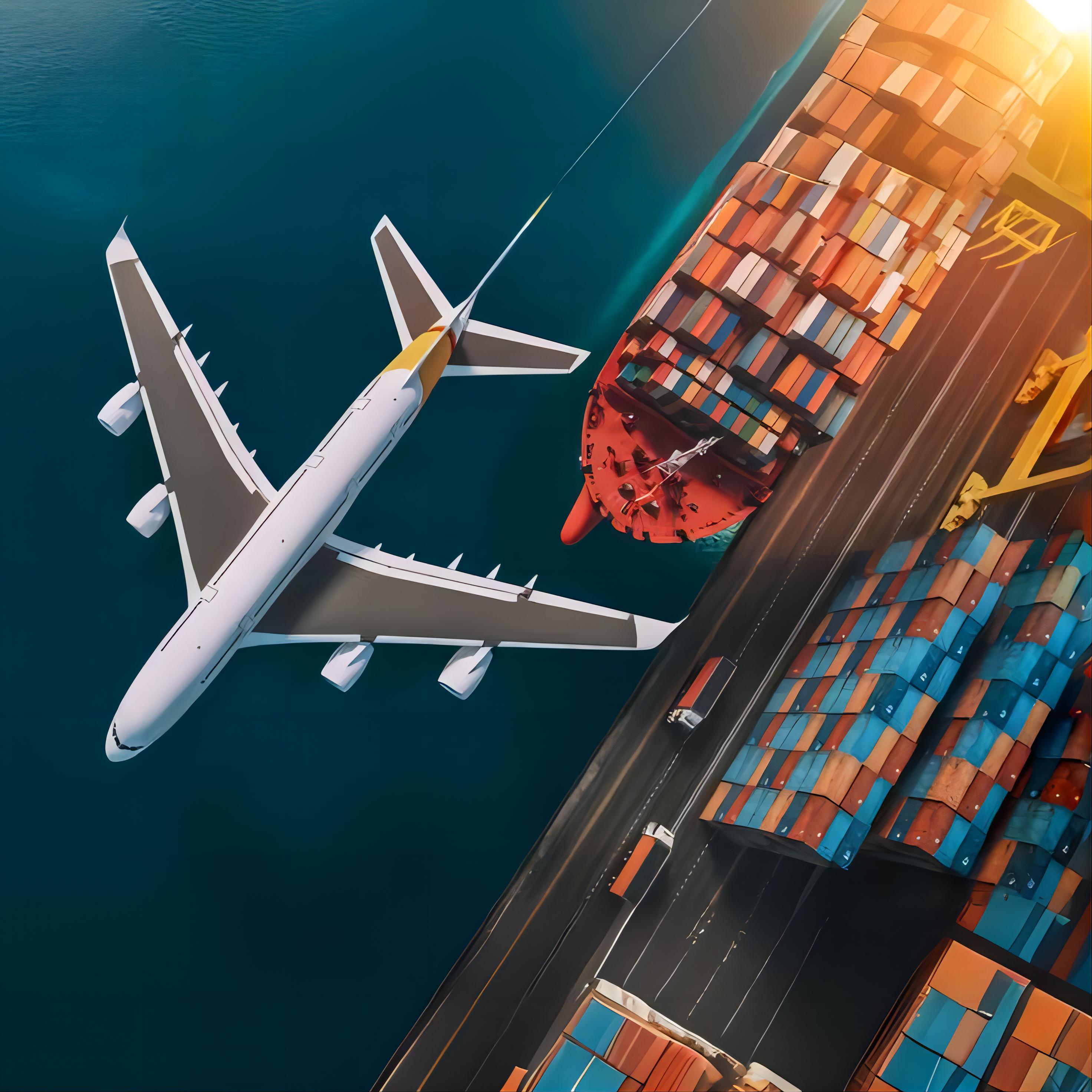
❖When a 20GP FCL container is unavailable or too costly, alternative shipping methods can provide viable solutions for machinery. Breakbulk shipping, for instance, is ideal for oversized or heavy cargo that cannot fit into standard containers. This method involves loading individual pieces of machinery directly onto the vessel.
Another option is Less than Container Load (LCL) for smaller machinery, where your cargo shares container space with other shipments. While potentially slower due to consolidation, LCL can be a cost-effective solution when FCL is not feasible. However, careful packaging is essential for LCL shipments to prevent damage.
For urgent machinery deliveries, air freight offers the fastest transit time, though at a significantly higher cost. This method is typically reserved for high-value, time-sensitive, or lighter machinery. It provides unparalleled speed, minimizing project delays.
Hybrid solutions, such as rail freight from China to a European hub followed by sea or road to Norway, can balance speed and cost. This intermodal transport leverages the strengths of different modes. It offers a flexible approach to complex logistics challenges.
How Does Sea Freight Compare to Other Shipping Options?
❖Choosing the right shipping method for machinery from China to Norway depends on a balance of cost, speed, and cargo specifications. Sea freight, specifically FCL, is generally the most economical option for heavy and bulky machinery. Nevertheless, it comes with the longest transit times.
Air freight, by contrast, offers unparalleled speed, reducing transit from weeks to days. However, its cost can be prohibitive for large or heavy machinery, often 5-10 times more expensive than sea freight. It is best suited for critical components or urgent repairs.
Rail freight, an increasingly popular option for Europe-bound cargo, provides a middle ground. It is faster than sea freight but more affordable than air freight. This method is viable for reaching European distribution centers, from which machinery can then be transported to Norway via road or short-sea routes.
| Shipping Method | Cost Range (Approx. 20GP) | Transit Time (China to Norway) | Best For | Limitations |
|---|---|---|---|---|
| Sea Freight (FCL) | $1,800-2,500 (ocean freight) | 30-40 days | Heavy, bulky, non-urgent machinery | Slowest, container availability issues, port congestion |
| Sea Freight (LCL) | $50-80/CBM (ocean freight) | 35-45 days | Smaller machinery, less than 15 CBM | Slower, more handling, higher risk of damage, consolidation delays |
| Air Freight | $8,000-15,000 (for comparable volume) | 5-10 days | Urgent, high-value, lighter machinery/parts | Most expensive, weight/size restrictions, higher carbon footprint |
| Rail-Sea/Road Hybrid | $3,500-6,000 (for comparable volume) | 20-28 days | Medium urgency, large machinery, cost-sensitive | Multiple transshipment points, potential for delays at rail-sea/road hubs |

Optimizing Your Supply Chain for Machinery Shipments
❖Optimizing your supply chain is crucial for mitigating the impact of the 20GP FCL container shortage and ensuring smooth machinery imports. Firstly, implement robust inventory management to anticipate demand and plan shipments further in advance. This reduces reliance on last-minute, costly solutions.
Secondly, diversify your supplier base if possible, or work closely with current suppliers to understand their production and readiness schedules. This collaboration can help align your shipping bookings with cargo availability. Furthermore, consider using flexible incoterms that allow for greater control over the shipping process.
Finally, partner with a freight forwarder offering comprehensive door-to-door delivery services. This minimizes hand-offs and potential communication gaps across different logistics providers. A single point of contact simplifies complex international logistics, enhancing supply chain resilience.
Real-World Success: Case Studies in Machinery Logistics
❖Navigating the complexities of shipping machinery during a container shortage requires expertise and adaptability. These case studies illustrate how strategic planning and flexible solutions ensure timely delivery. They highlight the importance of choosing the right logistics partner for your specific needs.
Case Study 1: Large Industrial Press from Shanghai to Oslo
A Norwegian manufacturing client needed to import a large industrial press, weighing 18,000 kg and measuring 12 CBM. The 20GP FCL container shortage was severe, and standard FCL bookings had long lead times. Urgency was moderate, requiring a balance of speed and cost.
| Detail | Description |
|---|---|
| Route | Shanghai, China to Oslo, Norway |
| Cargo | Industrial Press, 12 CBM, 18,000 kg |
| Container | LCL (due to FCL shortage) |
| Shipping Details | Carrier: Major carrier, Port of Loading: Shanghai, Port of Discharge: Hamburg (transshipment), Route Type: Sea LCL to Hamburg, then feeder to Oslo |
| Cost Breakdown | Ocean Freight: $1,200 (LCL), Origin Charges: $350, Destination Charges: $550, Customs & Duties (estimated): $800, Total Landed Cost: $2,900 |
| Timeline | Booking to Loading: 10 days, Sea Transit: 32 days, Customs Clearance: 3 days, Total Door-to-Door: 40 days |
| Key Insight | Opting for LCL via a major European hub saved costs and avoided FCL delays, proving effective for slightly smaller, heavy machinery. Based on Q4 2024 market rates. |
Case Study 2: CNC Machine Components from Shenzhen to Bergen
A client required critical CNC machine components, totaling 4,500 kg and 8 CBM, for an urgent project in Bergen. The 20GP FCL container shortage made standard sea freight unfeasible within their tight deadline. Speed was the highest priority for this shipment.
| Detail | Description |
|---|---|
| Route | Shenzhen, China to Bergen, Norway |
| Cargo | CNC Machine Components, 8 CBM, 4,500 kg |
| Container | Air Cargo |
| Shipping Details | Carrier: Cathay Pacific Cargo, Port of Loading: Shenzhen (SZX), Port of Discharge: Oslo (OSL), Route Type: Air Freight to OSL, then domestic truck to Bergen |
| Cost Breakdown | Air Freight: $9,500, Origin Charges: $280, Destination Charges: $420, Customs & Duties (estimated): $600, Total Landed Cost: $10,800 |
| Timeline | Booking to Loading: 3 days, Air Transit: 2 days, Customs Clearance: 1 day, Total Door-to-Door: 7 days |
| Key Insight | Air freight provided the necessary speed for time-critical components, despite the higher cost. This prevented significant production downtime. Typical rates as of early 2025. |
Case Study 3: Multiple Small Machinery Units from Ningbo to Trondheim
An importer needed to ship several small but distinct machinery units, collectively measuring 16 CBM and weighing 10,000 kg. Securing a 20GP FCL was difficult, and the client sought a cost-effective solution without excessive delays for their diverse cargo. The cargo was not extremely urgent.
| Detail | Description |
|---|---|
| Route | Ningbo, China to Trondheim, Norway |
| Cargo | Multiple Small Machinery Units, 16 CBM, 10,000 kg |
| Container | FCL (secured via early booking) |
| Shipping Details | Carrier: MSC, Port of Loading: Ningbo, Port of Discharge: Gothenburg (transshipment), Route Type: Sea FCL to Gothenburg, then short-sea to Trondheim |
| Cost Breakdown | Ocean Freight: $2,100, Origin Charges: $400, Destination Charges: $600, Customs & Duties (estimated): $950, Total Landed Cost: $4,050 |
| Timeline | Booking to Loading: 15 days (early booking), Sea Transit: 35 days, Customs Clearance: 2 days, Total Door-to-Door: 55 days |
| Key Insight | Proactive early booking allowed securing a 20GP FCL, providing the best value for this shipment volume. The transshipment added a few days but was more cost-effective than direct routes. Based on Q1 2025 market conditions. |
Which Shipping Option Should You Choose for Your Machinery?
❖The optimal shipping solution for your machinery from China to Norway depends heavily on your specific priorities. Consider these factors carefully to make an informed decision. Each scenario presents a unique set of trade-offs.
If budget is your primary concern, and you have ample lead time, sea freight (FCL or LCL) remains the most cost-effective choice. This method is ideal for non-urgent, heavy, or bulky industrial equipment. However, be prepared for longer transit times and potential container availability challenges.
Conversely, if speed is paramount for your project, air freight is the undisputed winner. It is best suited for high-value, lightweight, or critical machinery components that cannot tolerate delays. Bear in mind the significantly higher costs associated with this expedited service.
For a balance between cost and speed, especially when FCL containers are scarce, a rail-sea or rail-road hybrid solution can be excellent. This option provides faster transit than pure sea freight at a lower cost than air freight. It is particularly effective for large machinery that can utilize European rail networks.
Finally, cargo type also dictates the best method. Oversized or project cargo might necessitate specialized breakbulk services, regardless of urgency. Always consult with a logistics expert to tailor the best solution for your unique machinery import requirements.
Conclusion: Navigating the Future of Machinery Logistics to Norway
The ongoing 20GP FCL container shortage for machinery from China to Norway demands strategic planning and flexible logistics solutions. While challenges persist, understanding alternative shipping methods and optimizing your supply chain can significantly mitigate risks. Partnering with an experienced freight forwarder is crucial for navigating these complexities.
By embracing proactive booking, exploring hybrid transport, and leveraging expert customs knowledge, businesses can ensure their valuable machinery reaches Norway efficiently. The landscape of international shipping is constantly evolving, therefore adaptability is key to maintaining a resilient import operation for industrial equipment.
Ready to streamline your logistics?
Are you struggling with the 20GP FCL container shortage for your machinery shipments from China to Norway? Contact our experts today for a tailored logistics solution. We provide reliable and efficient freight forwarding services to keep your projects on track.
Request Quote