

Import Customs China to Australia: Your Essential Guide
Starting an import business or expanding your supply chain from China to Australia involves navigating a complex landscape of logistics and regulations. Understanding the intricacies of import customs from China to Australia is paramount for a smooth and cost-effective operation. This comprehensive guide, brought to you by China Top Freight, will illuminate the essential steps, requirements, and strategies to ensure your goods arrive efficiently and compliantly. We aim to simplify the process for you.
✦
What Are the Key Steps for Import Customs from China to Australia?
Successfully managing import customs from China to Australia requires a structured approach. Initially, you must accurately classify your goods using the Harmonized System (HS) codes. This step determines applicable duties and taxes, therefore it is crucial for compliance.
Subsequently, obtaining all necessary permits and licenses from Australian authorities is essential. This often depends on the type of goods you are importing. Finally, you will need to complete and lodge an import declaration with the Australian Border Force (ABF) when your goods arrive. For comprehensive assistance with this often complex process, consider leveraging expert customs brokerage services.
Essential Documentation for Importing from China to Australia
Proper documentation is the backbone of smooth international trade. Without a doubt, incomplete or incorrect paperwork can lead to significant delays and penalties. Therefore, meticulous preparation is key to avoiding customs issues.
Furthermore, ensuring all details on your commercial invoice, packing list, and bill of lading (or airway bill) match is critical. Australian customs authorities rigorously check these documents. Consequently, any discrepancies can trigger further scrutiny.
| Document Type | Purpose | Key Information |
|---|---|---|
| Commercial Invoice | Proof of sale, value, description | Seller/Buyer details, HS Code, unit price, total value |
| Packing List | Details of cargo contents | Weight, dimensions, quantity, package marks |
| Bill of Lading (B/L) / Air Waybill (AWB) | Contract of carriage, title of goods | Shipper/Consignee, carrier, port of loading/discharge, cargo description |
| Certificate of Origin | Confirms goods’ country of manufacture | Country of origin, typically issued by chamber of commerce |
| Import Permit/License | Required for specific regulated goods | Issued by relevant Australian government agencies (e.g., DAFF) |
Understanding Duties, Taxes, and Australian Import Regulations
When importing goods to Australia, several financial obligations and regulatory requirements apply. Primarily, Goods and Services Tax (GST) is levied on most imported goods at a rate of 10%. This is calculated on the value of the goods, including freight and insurance, plus any customs duty.
Moreover, customs duties are applied based on the classification of your goods and their country of origin. Australia has various free trade agreements, which can reduce or eliminate duties on goods from certain countries, including China. Additionally, the Department of Agriculture, Fisheries and Forestry (DAFF) enforces strict biosecurity regulations to protect Australia’s unique environment. Therefore, some goods may require specific permits or treatments before entry.
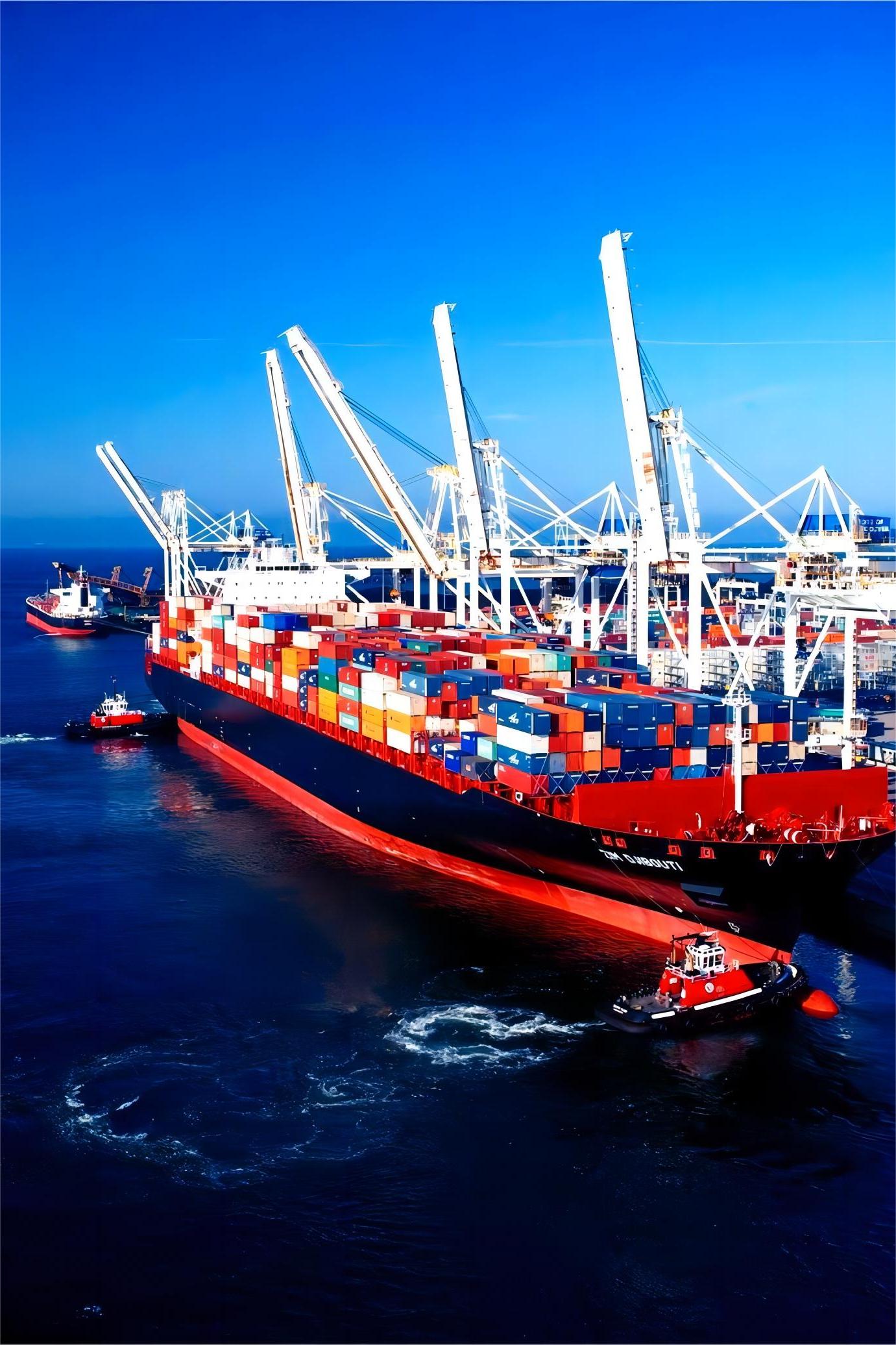
How Does Shipping from China to Australia Work? Methods and Transit Times
Choosing the right shipping method is crucial for balancing cost and speed when moving goods from China to Australia. There are primarily two viable options: sea freight and air freight. Each method offers distinct advantages depending on your specific needs.
Sea freight is generally the most economical option for larger volumes and less time-sensitive shipments. Conversely, air freight provides significantly faster transit times, ideal for urgent or high-value goods. Understanding these differences helps optimize your supply chain.
Note: Freight rates are subject to change based on fuel costs, carrier capacity, and seasonal demand. Contact us for a current quote tailored to your specific shipment.
| Shipping Method | Cost (per kg/CBM) | Transit Time | Best For | Key Features |
|---|---|---|---|---|
| Sea Freight (FCL/LCL) | Economical (e.g., $800-2000 per container, $50-80/CBM LCL) | 12-18 days | Large volumes, heavy goods, non-urgent shipments | Cost-effective, large capacity, environmental |
| Air Freight | Higher (e.g., $4-8 per kg) | 3-8 days | Urgent, high-value, perishable goods, smaller shipments | Fastest, secure, less handling |
How Does Sea Freight Compare to Air Freight for China-Australia Imports?
Deciding between sea and air freight is a fundamental decision for importers. Each mode presents unique trade-offs in terms of cost, speed, and suitability for different cargo types. A clear understanding of these factors is paramount for effective logistics planning.
For instance, while sea freight offers substantial cost savings for bulk shipments, its transit time is considerably longer. Conversely, air freight prioritizes speed but comes with a higher price tag. Evaluating your specific needs against these comparisons is vital for optimizing your import strategy.
| Shipping Method | Cost Range | Transit Time | Best For | Limitations |
|---|---|---|---|---|
| Full Container Load (FCL) | $1,200-2,000 (40HQ) as of Q3 2024 | 12-18 days | Large volume, exclusive use of container | Longer transit, higher upfront cost for smaller volumes |
| Less than Container Load (LCL) | $50-80/CBM as of Q3 2024 | 15-25 days | Smaller shipments (1-15 CBM), flexible volume | Longer transit than FCL due to consolidation, more handling |
| Air Freight | $4-8/kg (general cargo) as of Q3 2024 | 3-8 days | Urgent, high-value, small/medium size, time-sensitive | Highest cost, volume/weight restrictions, environmental impact |
| Express Service | $8-15/kg (small packages) | 2-5 days | Very urgent, small packages, samples, documents | Very high cost, strict size/weight limits |

Which Shipping Option Should You Choose? A Decision Framework
Selecting the optimal shipping method for your imports from China to Australia depends on several critical factors. Consider your budget, the urgency of the shipment, and the nature of your goods. Each scenario dictates a different best approach.
If budget is your primary concern, sea freight, particularly LCL for smaller volumes or FCL for larger, is generally the most economical choice. Conversely, when speed is paramount, air freight or express service becomes indispensable. Furthermore, the type and volume of your cargo heavily influence the decision, as certain goods may have specific handling requirements or volume thresholds.
Case Studies: Real-World Import Scenarios
Examining real-world examples can provide invaluable insights into the complexities and solutions of importing from China to Australia. These case studies highlight diverse scenarios, demonstrating how different shipping methods and strategies are applied. They showcase the practical implications of logistics decisions.
Based on Q3 2024 market rates, these examples illustrate typical challenges and successful outcomes. They underscore the importance of careful planning and experienced logistics partners. Moreover, they offer a glimpse into the varied requirements of different cargo types and destinations.
Case Study 1: Importing E-commerce Goods via LCL Sea Freight
A small e-commerce business in Sydney needed to replenish its stock of consumer electronics. They opted for LCL sea freight to manage costs effectively. The shipment required careful consolidation and customs clearance upon arrival.
| Detail | Value |
|---|---|
| Route | Ningbo, China to Sydney, Australia |
| Cargo | Consumer electronics, 8 CBM, 1500 kg |
| Container | LCL 8 CBM |
| Carrier/Service | Major carrier (e.g., COSCO) |
| Port of Loading | Ningbo |
| Port of Discharge | Sydney |
| Route Type | Direct |
| Ocean Freight | $560 (8 CBM x $70/CBM) |
| Origin Charges | $150 |
| Destination Charges | $250 |
| Customs & Duties (estimated) | $180 (GST on value + freight) |
| Total Landed Cost | $1,140 |
| Booking to Loading | 5 days |
| Sea Transit | 14 days |
| Customs Clearance | 3 days |
| Total Door-to-Door | 22 days |
| Key Insight | LCL was cost-effective for smaller volume, but consolidation added a few days to transit. Utilizing a door-to-door service simplified the process. |
Case Study 2: Large Volume Industrial Components via FCL Sea Freight
An industrial firm in Melbourne imported a large batch of machinery parts for a new production line. Due to the volume and non-urgent nature, a 40-foot full container load (FCL) was the most suitable option. This required precise scheduling and handling.
| Detail | Value |
|---|---|
| Route | Shanghai, China to Melbourne, Australia |
| Cargo | Industrial machinery components, 55 CBM, 12,000 kg |
| Container | 40HQ |
| Carrier/Service | Major carrier (e.g., MSC) |
| Port of Loading | Shanghai |
| Port of Discharge | Melbourne |
| Route Type | Direct |
| Ocean Freight | $1,650 |
| Origin Charges | $350 |
| Destination Charges | $450 |
| Customs & Duties (estimated) | $2,500 (based on higher cargo value) |
| Total Landed Cost | $4,950 |
| Booking to Loading | 7 days |
| Sea Transit | 16 days |
| Customs Clearance | 4 days |
| Total Door-to-Door | 27 days |
| Key Insight | FCL provided excellent value for money for the large volume. Pre-clearance helped mitigate customs delays. Q4 peak season rates were 15% higher than typical rates. |
Case Study 3: Urgent Medical Supplies via Air Freight
A healthcare provider in Perth required a critical shipment of specialized medical supplies with extreme urgency. Air freight was the only viable option to meet the tight deadline. This involved expedited customs processing and swift delivery.
| Detail | Value |
|---|---|
| Route | Shenzhen, China to Perth, Australia |
| Cargo | Medical supplies, 1.5 CBM, 300 kg |
| Container | Air Cargo |
| Carrier/Service | Major airline (e.g., Cathay Pacific Cargo) or express service |
| Port of Loading | Shenzhen (SZX) |
| Port of Discharge | Perth (PER) |
| Route Type | Direct (or minimal transit) |
| Air Freight | $1,800 (300 kg x $6/kg) |
| Origin Charges | $120 |
| Destination Charges | $180 |
| Customs & Duties (estimated) | $450 |
| Total Landed Cost | $2,550 |
| Booking to Loading | 1 day |
| Air Transit | 3 days |
| Customs Clearance | 1 day |
| Total Door-to-Door | 5 days |
| Key Insight | Air freight delivered critical goods rapidly despite higher costs. Pre-arranged customs clearance was essential for speed. This highlights the value of swift logistics for time-critical items. |
Navigating Challenges and Optimizing Your Import Process
Importing goods from China to Australia can present various challenges, including unexpected delays, evolving regulations, and fluctuating freight rates. Proactive planning and strategic partnerships are crucial for mitigating these risks. Staying informed about market trends is also vital.
To optimize your import process, consider consolidating shipments to save on costs and reduce administrative burden. Furthermore, working with an experienced freight forwarder can provide invaluable expertise in navigating customs and logistics complexities. They can offer tailored solutions and ensure compliance every step of the way.
Seamless Import Customs from China to Australia
Navigating import customs from China to Australia does not have to be a daunting task. By understanding the key steps, required documentation, and various shipping options, you can ensure a smooth and efficient import process. Proper planning and adherence to regulations are paramount for success.
Ultimately, partnering with a knowledgeable and experienced freight forwarder can significantly simplify your logistics. They provide the expertise needed to manage customs, optimize routes, and handle any unforeseen challenges. This ensures your goods reach Australia efficiently and compliantly, making your international trade ventures seamless and successful.