

Logistics Service China to Canada: Your Ultimate Shipping Guide
Navigating the complexities of international shipping, especially for logistics service China to Canada, demands expertise and precision. Businesses frequently face challenges ranging from varying transit times to intricate customs regulations. Fortunately, understanding the best practices and available services can significantly streamline your supply chain, ensuring timely and cost-effective deliveries. For comprehensive support, visit China Top Freight.
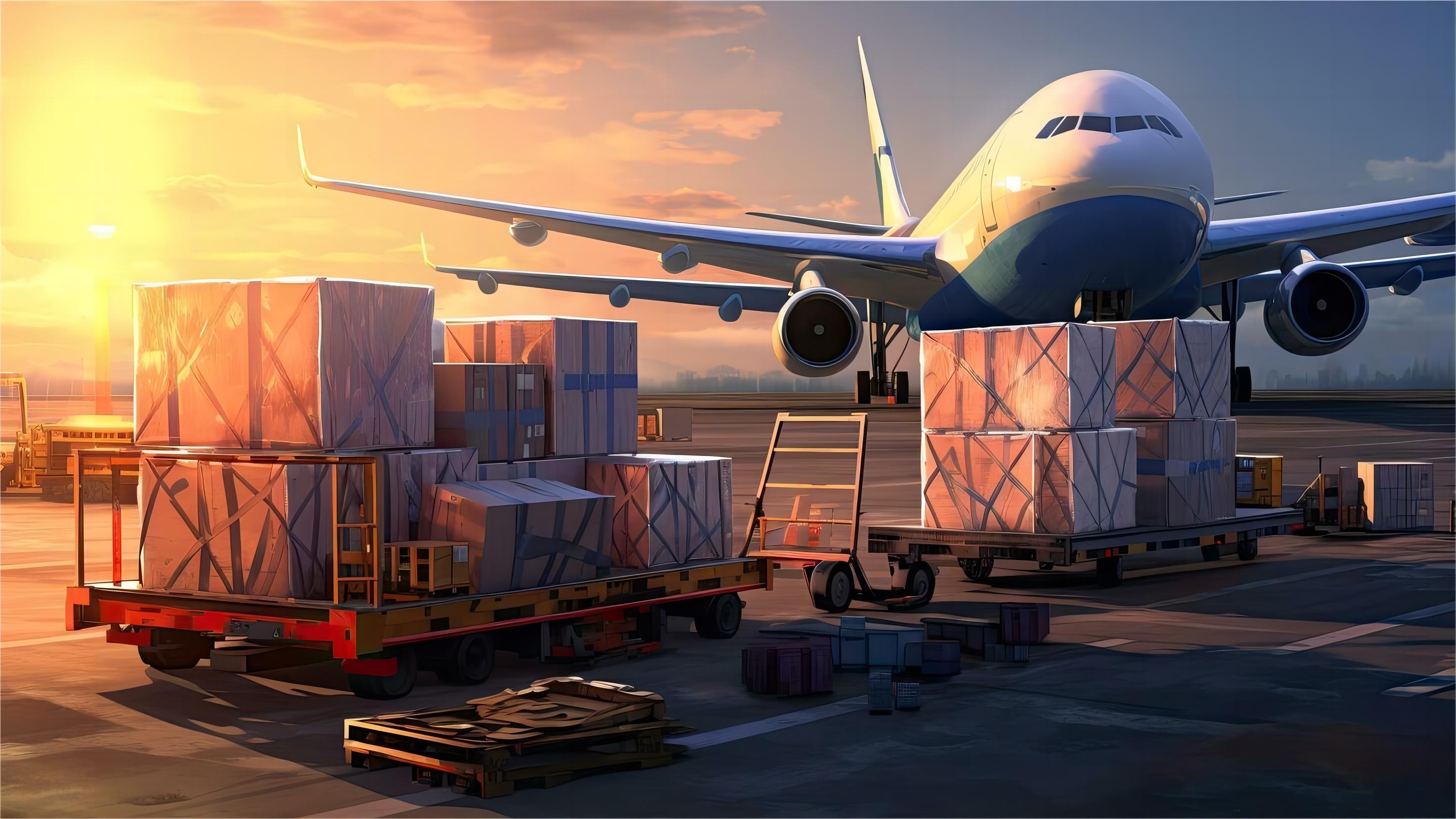
What is Logistics Service China to Canada and Why Does it Matter?
Logistics service China to Canada encompasses the entire process of transporting goods from their origin in China to their final destination in Canada. This includes everything from cargo pickup and warehousing to customs clearance, freight transportation, and final delivery. Essentially, it’s about managing the flow of goods, information, and funds efficiently across international borders.
Choosing the right logistics partner is paramount for businesses, especially those involved in international trade. A robust logistics strategy can significantly reduce costs, minimize transit times, and enhance overall supply chain reliability. Conversely, poor logistics can lead to delays, increased expenses, and dissatisfied customers, ultimately impacting a company’s bottom line and reputation.
Key Shipping Methods for Logistics Service China to Canada
When considering logistics service China to Canada, businesses typically have two primary transportation methods: sea freight and air freight. Each option offers distinct advantages and disadvantages, making the choice dependent on specific needs like budget, urgency, and cargo type. Understanding these differences is crucial for effective planning.
Furthermore, selecting the appropriate method directly impacts your delivery schedule and overall shipping costs. Therefore, a careful evaluation of each option’s characteristics is always recommended before making a decision. This strategic choice helps optimize your supply chain.
| Shipping Method | Cost Range (per kg/CBM) | Transit Time | Best For | Limitations |
|---|---|---|---|---|
| Sea Freight (LCL) | $50-100/CBM | 15-40 days | Large, non-urgent, heavy goods | Slower, port congestion risk |
| Sea Freight (FCL) | $2,500-6,000/container | 15-40 days | High volume, cost-sensitive | Requires full container, longer lead time |
| Air Freight | $4-10/kg | 3-10 days | Urgent, high-value, small shipments | High cost, weight/size restrictions |

Sea Freight: Cost-Effective and High Volume
Sea freight remains the most economical option for shipping large volumes of goods from China to Canada. It is ideal for non-urgent, heavy, or bulky cargo, offering significant cost savings compared to air transport. Shipments can be sent as Full Container Load (FCL) or Less than Container Load (LCL), depending on the volume. For detailed information, explore our sea freight services.
Transit times for sea freight generally range from 15 to 40 days, depending on the specific ports of origin and destination, as well as the chosen carrier route. Major Chinese ports include Shanghai, Ningbo, and Shenzhen, while Canadian ports like Vancouver, Montreal, and Halifax are key entry points. Despite longer transit times, its cost-effectiveness makes it a popular choice for many businesses importing from China.
Air Freight: Speed and Urgency
For time-sensitive shipments, air freight offers unparalleled speed for logistics service China to Canada. Although significantly more expensive than sea freight, it drastically reduces transit times, typically delivering goods within 3 to 10 days. This method is perfect for high-value items, perishable goods, or urgent inventory replenishment. Discover more about our air freight solutions.
Air cargo rates are calculated based on weight or volumetric weight, whichever is greater. Key airports in China, such as Shanghai Pudong (PVG) and Guangzhou Baiyun (CAN), connect with major Canadian airports like Toronto Pearson (YYZ) and Vancouver International (YVR). While cost is a factor, the speed and reliability of air freight often justify the higher expense for critical shipments.
Understanding Transit Times and Costs for China to Canada Freight
The transit time and overall shipping costs are critical factors in planning your logistics service China to Canada. Several variables influence these figures, making accurate forecasting essential for supply chain management. For example, direct routes are generally faster but can be more expensive than routes with transshipment points.
Moreover, seasonal fluctuations and global events can significantly impact both transit times and freight rates. Therefore, staying informed about current market conditions is vital for making cost-effective shipping decisions. Always seek updated quotes for precise planning.
Factors Influencing Transit Time
Transit time is primarily affected by the chosen shipping method, the specific origin and destination ports, and the carrier’s route. Sea freight to Vancouver might take 15-20 days, whereas to Toronto or Montreal (via rail from Vancouver or Panama Canal) it could be 30-40 days. Air freight, conversely, offers much shorter durations, typically 3-10 days.
Additionally, port congestion, customs delays, and adverse weather conditions can all extend estimated transit times. Peak seasons, such as before major holidays like Chinese New Year or Christmas, also tend to see increased demand and potential delays. Planning ahead for these periods is crucial for smooth operations.
Factors Affecting Shipping Costs
Shipping costs for logistics service China to Canada are multifaceted. They include base freight rates, fuel surcharges, terminal handling charges (THC) at both origin and destination, and documentation fees. The type of cargo, its weight, dimensions, and whether it requires special handling also play a significant role in determining the final price.
Furthermore, market demand, carrier capacity, and global economic conditions all contribute to fluctuating freight rates. For instance, as of Q1 2025, rates have seen some stabilization after recent global disruptions, but remain subject to change. Always obtain a current quote to ensure accurate budgeting for your imports.
Navigating Customs Clearance and Import Regulations for Canada
Customs clearance is a critical, often complex, step in any international logistics service China to Canada. Proper documentation and adherence to Canadian import regulations are essential to avoid delays, fines, or even seizure of goods. Therefore, understanding these requirements is non-negotiable for smooth cargo flow.
Working with an experienced customs broker can significantly simplify this process, ensuring all necessary paperwork is correctly prepared and submitted. For expert assistance, consider our comprehensive customs brokerage services. This partnership minimizes risks and accelerates clearance procedures.
Essential Customs Documents Checklist
To facilitate smooth customs clearance into Canada, several key documents are typically required. These documents provide Canadian Border Services Agency (CBSA) with the necessary information about your shipment. Incomplete or inaccurate documentation is a common cause of delays.
Consequently, meticulous preparation of these papers is paramount. Ensuring all details match across documents prevents discrepancies that could hold up your goods at the border. Always double-check every item before submission.
| Document | Purpose | Notes |
|---|---|---|
| Commercial Invoice | Details of goods, value, terms of sale | Must be accurate and complete |
| Packing List | Itemizes contents of each package | Helps with inspection and inventory |
| Bill of Lading (Sea) / Air Waybill (Air) | Contract of carriage, title to goods | Proof of shipment and ownership |
| Certificate of Origin | Confirms country of manufacture | May be required for preferential tariffs |
| Customs Declaration Form | Formal declaration to CBSA | Prepared by importer or broker |
| Import Permits/Licenses | Required for controlled goods | Check specific product regulations |
Duties, Taxes, and Compliance
Importers into Canada are responsible for paying applicable duties and taxes, including the Goods and Services Tax (GST) and Provincial Sales Tax (PST) or Harmonized Sales Tax (HST). These charges are calculated based on the declared value of the goods and their classification under the Harmonized System (HS) code. Proper classification is crucial.
Furthermore, certain products may be subject to specific regulations, such as those from Health Canada or Agriculture and Agri-Food Canada. Non-compliance can lead to penalties, delays, or even rejection of the shipment. Therefore, it is advisable to research product-specific requirements well in advance of shipping.
Door-to-Door Logistics Service China to Canada: Simplifying Your Supply Chain
For businesses seeking maximum convenience and minimal administrative burden, a comprehensive door-to-door logistics service China to Canada is an ideal solution. This service manages every stage of the shipping process, from the supplier’s factory in China to your warehouse or customer’s doorstep in Canada. It offers a seamless, integrated approach.
Opting for door-to-door service means you deal with a single point of contact, simplifying communication and accountability. Consequently, this reduces the complexity often associated with international shipping, allowing you to focus on your core business operations. It covers all freight, customs, and local delivery aspects.
Benefits of Integrated Services
Integrated door-to-door services offer numerous advantages, including enhanced visibility throughout the shipping journey and reduced risk of unexpected costs. All charges are typically bundled into one transparent quote, making budgeting much easier. Moreover, potential delays are proactively managed by the logistics provider.
This holistic approach is particularly beneficial for e-commerce businesses or those without extensive in-house logistics teams. It ensures a smooth transition of goods across borders, from origin to final mile delivery. For instance, services like Amazon FBA shipping often benefit greatly from this integrated model.

Express Service for Urgent Deliveries
Sometimes, speed is the absolute priority, even over cost. For such urgent scenarios, an express service from China to Canada provides the fastest possible delivery times. This premium service leverages expedited air freight and streamlined customs processes to ensure rapid transit.
Consequently, express services are perfect for critical components, samples, or high-value, small parcels requiring immediate delivery. While more expensive, the speed and reliability can be invaluable for maintaining production schedules or meeting tight deadlines. These services typically offer advanced tracking and dedicated support.
How Does Each Shipping Option Compare for Your Needs?
Choosing the optimal logistics service China to Canada requires a thorough comparison of available options against your specific business needs. Each method presents a unique balance of cost, speed, and capacity. Therefore, a strategic decision framework is crucial for maximizing efficiency and minimizing expenses.
Considerations such as cargo volume, budget constraints, and delivery deadlines will heavily influence your choice. Understanding the trade-offs between different shipping solutions helps you make an informed decision tailored to each shipment’s requirements. This proactive approach prevents costly mistakes and ensures smooth operations.
Comprehensive Comparison of Shipping Methods
When evaluating shipping methods, it’s not just about cost or speed; it’s about the right fit for your cargo and business model. For example, while air freight is fast, it’s unsuitable for extremely heavy or dangerous goods. Sea freight, on the other hand, can handle almost anything but takes significantly longer.
Furthermore, hybrid solutions, though less common for China-Canada, might involve sea-air combinations for specific routes or time-sensitive projects. However, for direct China to Canada routes, the primary focus remains on optimizing between direct sea, transshipment sea, or air freight. Each has its distinct advantages and disadvantages.
| Shipping Method | Cost Range (per 40HQ/100kg) | Transit Time (Avg.) | Best For | Limitations |
|---|---|---|---|---|
| Sea Freight (FCL) | $4,000-6,500 (40HQ) | 30-40 days | Large volume, heavy, non-urgent goods | Long transit, port congestion, limited tracking |
| Sea Freight (LCL) | $80-150/CBM | 35-45 days | Smaller volume (under 15 CBM), cost-sensitive | Longer transit than FCL, potential for delays |
| Air Freight (Standard) | $5-8/kg (100kg) | 5-10 days | Time-sensitive, high-value, smaller items | High cost, weight/size restrictions, fuel surcharges |
| Air Freight (Express) | $8-15/kg (100kg) | 3-5 days | Urgent, critical, small parcels | Highest cost, limited capacity for very large shipments |
Choosing the Right Option: A Decision Framework
Making the best choice for your logistics service China to Canada depends on prioritizing specific aspects of your shipment. Carefully weighing these factors will guide you toward the most efficient and economical solution. This structured approach helps in making consistent and effective shipping decisions.
Therefore, before committing to a shipping method, always consider your primary objectives. This will ensure that your logistics strategy aligns perfectly with your business goals, whether they are focused on cost-saving or rapid delivery. A balanced perspective is key to long-term success.
| Priority | Recommendation | Considerations |
|---|---|---|
| Budget Priority | Sea Freight (LCL/FCL) | Longer transit, plan ahead, consider consolidation |
| Speed Priority | Air Freight (Standard/Express) | Higher cost, ideal for urgent or time-sensitive goods |
| Cargo Type (Heavy/Bulky) | Sea Freight (FCL) | Cost-effective for large dimensions, requires proper packaging |
| Cargo Type (Small/Light) | Air Freight or LCL Sea Freight | Depends on urgency; LCL for cost, Air for speed |
| Volume Thresholds | LCL under 15 CBM, FCL over 15 CBM | FCL becomes more economical as volume increases |
Real-World Scenarios: Optimizing Logistics Service China to Canada
Examining real-world examples helps illustrate how different logistics strategies play out in practice for shipments from China to Canada. These case studies highlight the importance of matching shipping methods to specific business needs and cargo characteristics. Each scenario presents unique challenges and optimal solutions.
These examples provide valuable insights into managing transit times, costs, and potential hurdles. By understanding these practical applications, businesses can better plan their own imports and mitigate common risks. Ultimately, this leads to more efficient and reliable supply chain operations.
Case Study 1: E-commerce Apparel Shipment (Seasonal)
This case study involves an e-commerce retailer importing seasonal apparel from China to Canada, requiring a balance between cost and timely market entry. The retailer needed a solution that was economical but could still meet seasonal sales windows. Therefore, careful planning was paramount to success.
The challenge was to avoid stockouts while keeping shipping costs manageable for relatively lightweight, high-volume goods. Consequently, a hybrid approach combining LCL sea freight for the main stock and express air freight for urgent top-up orders proved effective. This strategy optimized both cost and responsiveness.
| Detail | Description |
|---|---|
| Route | Shanghai, China -> Toronto, Canada |
| Cargo | Apparel (T-shirts, hoodies), 12 CBM, 2,500 kg |
| Container | LCL 12 CBM (main stock) + Air Express (urgent top-up) |
| Shipping Details | |
| – Carrier/Service | Major LCL consolidator + DHL Express |
| – Port of Loading | Shanghai (main), Guangzhou (express) |
| – Port of Discharge | Vancouver (rail to Toronto) / Toronto Pearson (air) |
| – Route Type | Transshipment via Vancouver for sea, Direct for air |
| Cost Breakdown (Estimated) | |
| – Ocean Freight (LCL) | $1,080 (90/CBM) |
| – Origin Charges | $350 |
| – Destination Charges (incl. rail to Toronto) | $850 |
| – Air Express (100kg) | $800 |
| – Customs & Duties (estimated) | $500 |
| – Total Landed Cost (approx) | $3,580 |
| Timeline | |
| – Booking to Loading | 5 days |
| – Sea Transit | 25 days (Shanghai to Vancouver) |
| – Rail Transit to Toronto | 7 days |
| – Air Express Transit | 4 days |
| – Customs Clearance | 3 days |
| – Total Door-to-Door (Sea) | 40 days |
| – Total Door-to-Door (Air) | 7 days |
| Key Insight | Balancing LCL sea freight for cost-efficiency with express air for urgent top-ups minimized stockouts and optimized seasonal inventory flow. Based on Q3 2024 market rates. |
Case Study 2: Industrial Machinery Import (Heavy & Bulky)
An industrial client needed to import a large, heavy piece of manufacturing machinery from China to their factory in Montreal. The primary concern was the safe and cost-effective transport of oversized cargo, with speed being a secondary consideration. Therefore, sea freight was the obvious choice.
The challenge lay in coordinating the specialized handling required for the heavy lift and ensuring proper customs classification for industrial equipment. Consequently, a dedicated FCL sea freight solution with experienced cargo handlers was implemented. This ensured both safety and cost-effectiveness for the heavy item.
| Detail | Description |
|---|---|
| Route | Ningbo, China -> Montreal, Canada |
| Cargo | Manufacturing Machinery, 25 CBM, 15,000 kg |
| Container | 1 x 40GP (General Purpose) |
| Shipping Details | |
| – Carrier/Service | COSCO (major carrier) |
| – Port of Loading | Ningbo |
| – Port of Discharge | Montreal |
| – Route Type | Direct via Panama Canal |
| Cost Breakdown (Estimated) | |
| – Ocean Freight (40GP) | $5,800 |
| – Origin Charges (incl. heavy lift) | $650 |
| – Destination Charges (incl. heavy lift) | $950 |
| – Customs & Duties (estimated) | $1,200 |
| – Total Landed Cost (approx) | $8,600 |
| Timeline | |
| – Booking to Loading | 7 days |
| – Sea Transit | 35 days |
| – Customs Clearance | 4 days |
| – Total Door-to-Door | 46 days |
| Key Insight | FCL sea freight directly to Montreal was optimal for heavy machinery, balancing cost with specialized handling requirements. Typical rates as of early 2025. |

Case Study 3: High-Value Electronics (Time-Critical)
A tech startup required a shipment of high-value, time-critical electronic components from Shenzhen, China, to their assembly plant in Vancouver, Canada. The components were crucial for launching a new product line, making speed and security paramount. Any delay would result in significant financial losses.
The challenge was to ensure rapid transit with minimal risk of damage or theft for sensitive goods. Consequently, premium air freight services with enhanced cargo insurance were selected. This choice prioritized speed and security over cost, aligning with the project’s critical timeline. The goal was to expedite the delivery as much as possible.
| Detail | Description |
|---|---|
| Route | Shenzhen, China -> Vancouver, Canada |
| Cargo | Electronic Components, 2 CBM, 300 kg |
| Container | Air Cargo (General) |
| Shipping Details | |
| – Carrier/Service | Cathay Pacific Cargo (major airline) |
| – Port of Loading | Shenzhen (via Hong Kong) |
| – Port of Discharge | Vancouver International Airport (YVR) |
| – Route Type | Direct Air Freight |
| Cost Breakdown (Estimated) | |
| – Air Freight (300kg) | $2,100 ($7/kg) |
| – Origin Charges | $250 |
| – Destination Charges | $300 |
| – Customs & Duties (estimated) | $450 |
| – Total Landed Cost (approx) | $3,100 |
| Timeline | |
| – Booking to Loading | 2 days |
| – Air Transit | 5 days |
| – Customs Clearance | 2 days |
| – Total Door-to-Door | 9 days |
| Key Insight | Premium air freight was essential for high-value, time-critical electronics, ensuring rapid delivery and minimizing market entry delays. Based on current market rates, Q1 2025. |
Pro Tips for Successful Logistics Service China to Canada
Achieving seamless logistics service China to Canada requires more than just choosing a shipping method; it involves strategic planning and attention to detail. Implementing best practices can significantly enhance efficiency and mitigate potential risks. Therefore, a proactive approach is always beneficial for importers.
By focusing on key areas, businesses can optimize their supply chain, reduce costs, and ensure a smoother flow of goods. These tips are designed to empower you with the knowledge needed for successful international trade. Ultimately, informed decisions lead to better outcomes.
Plan Ahead and Communicate Effectively
Early planning is perhaps the most crucial tip for international shipping. Booking freight well in advance, especially during peak seasons, can secure better rates and ensure space availability. Moreover, maintaining clear and consistent communication with your supplier and freight forwarder is vital.
This proactive communication helps in anticipating and resolving potential issues before they escalate. Share accurate cargo details, preferred delivery schedules, and any specific handling instructions. Consequently, this collaborative approach minimizes misunderstandings and streamlines the entire process, impacting your delivery schedule positively.
Understand Incoterms and Cargo Insurance
Properly understanding Incoterms (International Commercial Terms) is essential as they define the responsibilities of buyers and sellers for delivery, risk, and costs. Choosing the right Incoterm can significantly impact your overall logistics costs and liabilities. Therefore, familiarizing yourself with these terms is a must.
Furthermore, investing in comprehensive cargo insurance is highly recommended. While carriers offer limited liability, it often does not cover the full value of your goods. Insurance provides financial protection against loss, damage, or theft during transit, offering peace of mind. Without a doubt, it’s a small investment for significant security.
Partner with a Reliable Freight Forwarder
A knowledgeable and reliable freight forwarder is an invaluable asset for navigating the complexities of logistics service China to Canada. They act as your advocate, managing everything from booking cargo space and handling documentation to customs clearance and local delivery. Indeed, their expertise is indispensable.
Such a partner can offer optimized routing, consolidate shipments for cost savings, and provide real-time tracking updates. They also stay abreast of changing regulations and market trends, offering strategic advice. Ultimately, a good freight forwarder can save you time, money, and considerable stress.
Mastering Your Logistics Service China to Canada
Effectively managing logistics service China to Canada is a cornerstone of successful international trade for many businesses. By understanding the various shipping methods, navigating customs regulations, and leveraging expert services, you can ensure a smooth and efficient supply chain. Consequently, this leads to reduced costs and improved delivery times.
Choosing the right logistics partner, one that offers comprehensive solutions and expert guidance, is paramount. Whether you prioritize speed, cost-efficiency, or a seamless door-to-door experience, a tailored approach will yield the best results. Ultimately, a well-executed logistics strategy is key to your import success.
Need a tailored shipping solution?
Ready to streamline your logistics service China to Canada? Contact us today for a personalized quote and discover how our expert solutions can optimize your supply chain. Let us handle the complexities while you focus on your business growth. Get a free quote now!