

Solving 40GP FCL Container Shortages: China Textiles to Ireland
Securing adequate shipping capacity is a persistent challenge for global trade. Textile importers from China to Ireland frequently encounter a critical 40GP FCL container shortage. China Top Freight offers strategic planning and flexible logistics solutions to mitigate these disruptions effectively.

Understanding the 40GP FCL Container Shortage for Textiles
Globally, 40GP FCL container demand often exceeds supply on key trade lanes. This scarcity, driven by port congestion and equipment imbalances, leads to higher freight rates and longer lead times. Textile businesses shipping from China to Ireland face significant logistical hurdles.
Understanding these market dynamics is crucial for developing robust mitigation strategies. Proactive planning helps maintain a consistent supply chain flow despite market volatility.
Strategic Approaches to Overcome Container Scarcity
Diversifying your shipping strategy is paramount during FCL shortages. Consider exploring sea freight options like LCL shipments instead of standard 40GP containers. This provides flexibility, ensuring your textile cargo moves efficiently.
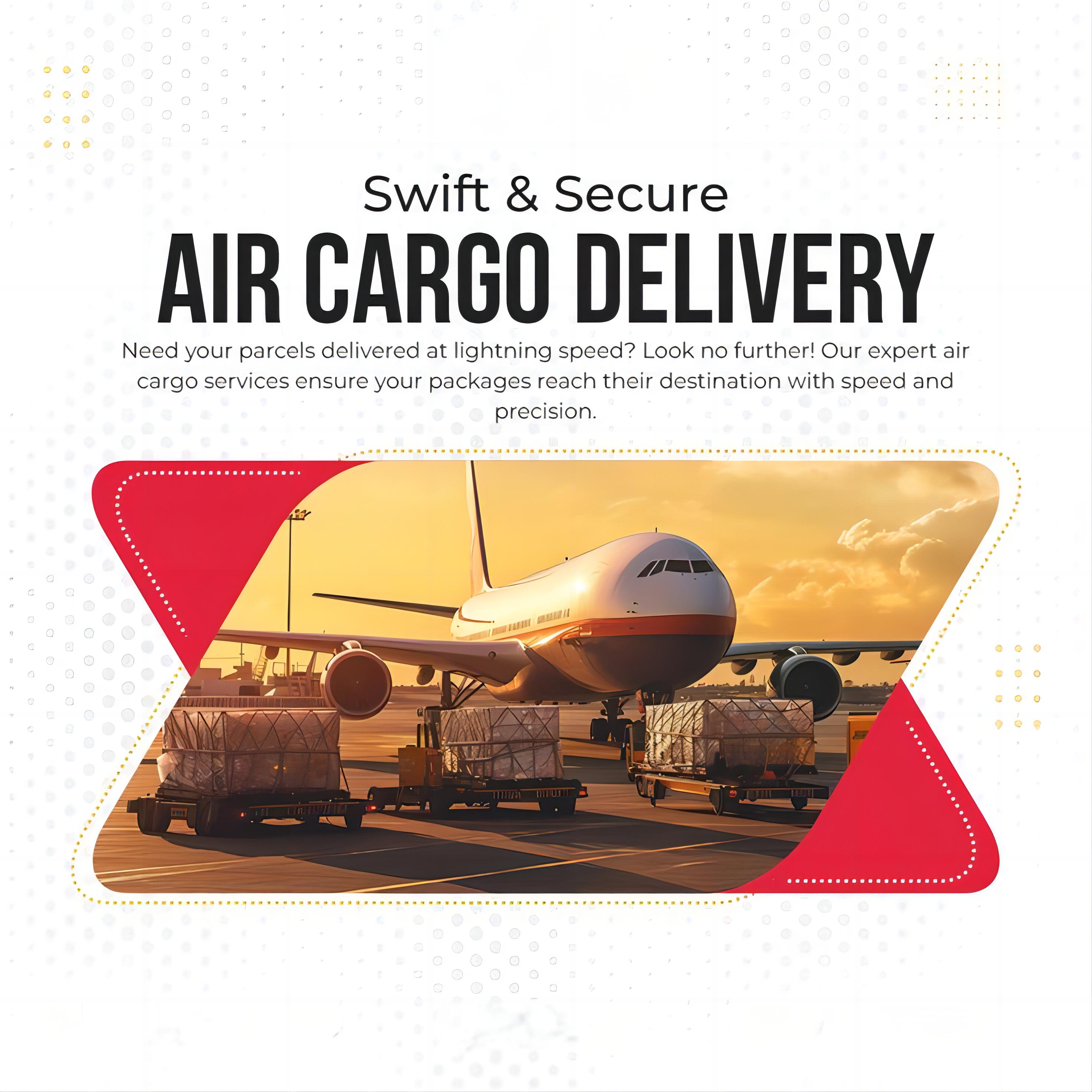
For time-sensitive textile orders, air freight offers a faster, albeit more expensive, alternative. Leveraging expert customs brokerage services also streamlines import processes, preventing further delays.

How Does FCL Compare to Other Shipping Options for Textiles?
Comparing shipping methods is essential for informed decisions amidst container shortages. While 40GP FCL is cost-efficient for large volumes, its availability is a concern. Other options might offer better trade-offs for textiles from China to Ireland.
Evaluating each alternative by shipment size, urgency, and budget is vital. This comprehensive approach helps secure the most appropriate logistics solution for your textile imports.
| Shipping Method | Cost Range (China-Ireland) | Transit Time | Key Considerations |
|---|---|---|---|
| 40GP FCL Sea | $2,800-4,200 | 30-38 days | Large volumes, cost-effective, but availability issues |
| LCL Sea Freight | $50-80/CBM | 35-45 days | Smaller volumes, longer transit, more handling |
| Air Freight | $6-12/kg | 5-9 days | Urgent, high-value, high cost, capacity limits |
| Sea-Air Hybrid | $3-5/kg | 18-25 days | Moderate urgency, cost-sensitive, requires transshipment |
Real-World Solutions for Textile Importers to Ireland
Practical examples demonstrate how textile businesses successfully navigate container shortages. Flexible shipping strategies maintain supply chain integrity. These case studies highlight effective solutions for the 40GP FCL container shortage.
Case Study 1: Optimizing LCL for Seasonal Apparel
This case illustrates leveraging LCL for time-sensitive apparel when FCL was unavailable. The client prioritized consistent delivery over maximum cost savings.
| Detail | Value |
|---|---|
| Route | Guangzhou, China -> Dublin, Ireland |
| Cargo | 12 CBM, 2,500 kg Fashion Apparel |
| Container | LCL (Less than Container Load) |
| Shipping Details | |
| – Carrier/Service | Major NVOCC |
| – Port of Loading | Nansha, Guangzhou |
| – Port of Discharge | Dublin Port |
| – Route Type | Transshipment via Felixstowe |
| Cost Breakdown | |
| – Ocean Freight | $960 ($80/CBM) |
| – Origin Charges | $280 |
| – Destination Charges | $350 |
| – Customs & Duties (estimated) | $450 |
| – Total Landed Cost | $2,040 |
| Timeline | |
| – Booking to Loading | 4 days |
| – Sea Transit | 38 days |
| – Customs Clearance | 3 days |
| – Total Door-to-Door | 45 days |
| Key Insight | LCL provided crucial capacity during FCL shortage, ensuring seasonal stock arrived. |
Case Study 2: Hybrid Solution for Bulk Fabric Roll
A client needed urgent fabric rolls shipped despite FCL scarcity, balancing cost and speed. A sea-air hybrid solution proved ideal.
| Detail | Value |
|---|---|
| Route | Shanghai, China -> Shannon, Ireland |
| Cargo | 8 CBM, 1,500 kg Fabric Rolls |
| Container | Sea-Air Combination |
| Shipping Details | |
| – Carrier/Service | Integrated Logistics Provider |
| – Port of Loading | Shanghai |
| – Port of Discharge | Dubai (sea), then Shannon (air) |
| – Route Type | Sea to Air via Dubai |
| Cost Breakdown | |
| – Ocean Freight (Shanghai-Dubai) | $300 |
| – Air Freight (Dubai-Shannon) | $4,500 ($3/kg) |
| – Origin Charges | $220 |
| – Destination Charges | $300 |
| – Customs & Duties (estimated) | $380 |
| – Total Landed Cost | $5,700 |
| Timeline | |
| – Booking to Loading | 5 days |
| – Sea Transit (to Dubai) | 12 days |
| – Air Transit (to Shannon) | 6 days |
| – Customs Clearance | 2 days |
| – Total Door-to-Door | 25 days |
| Key Insight | Hybrid solution offered a faster alternative during FCL crunch, balancing cost. |

Which Shipping Option Should You Choose?
Selecting the optimal shipping method depends on your business priorities. If budget is primary and time allows, LCL door to door sea freight remains strong, even with FCL shortages.
Conversely, for urgent textile shipments, air freight offers unparalleled speed, albeit at a premium. A reliable logistics partner helps navigate these complex decisions, especially for shipping to Europe.
In conclusion, while a 40GP FCL container shortage for textiles from China to Ireland presents challenges, various strategic solutions are available. By exploring alternative shipping methods, leveraging LCL, and considering hybrid options, you can maintain operational continuity. Proactive planning and a trusted logistics partner are key to overcoming these market fluctuations.
Need a tailored shipping solution?
Navigating the complexities of a 40GP FCL container shortage for textiles from China to Ireland requires expertise. Contact our specialists today for a personalized freight solution tailored to your specific needs. Request a quote and ensure your textile supply chain remains robust and efficient.