

40GP FCL Transit Time for Auto Parts: China to France
Navigating international shipping for auto parts from China to France demands precise planning. Understanding the typical 40GP FCL transit time for auto parts from China to France is crucial for maintaining production schedules and inventory. This guide illuminates factors affecting shipping durations, costs, and best practices to optimize your logistics strategy. For businesses relying on a steady supply of vehicle components, delays are costly. Selecting the right freight partner and shipping method is paramount. We will explore various options and provide actionable insights to streamline your import/export operations.

Understanding 40GP FCL Transit Times for Auto Parts to France
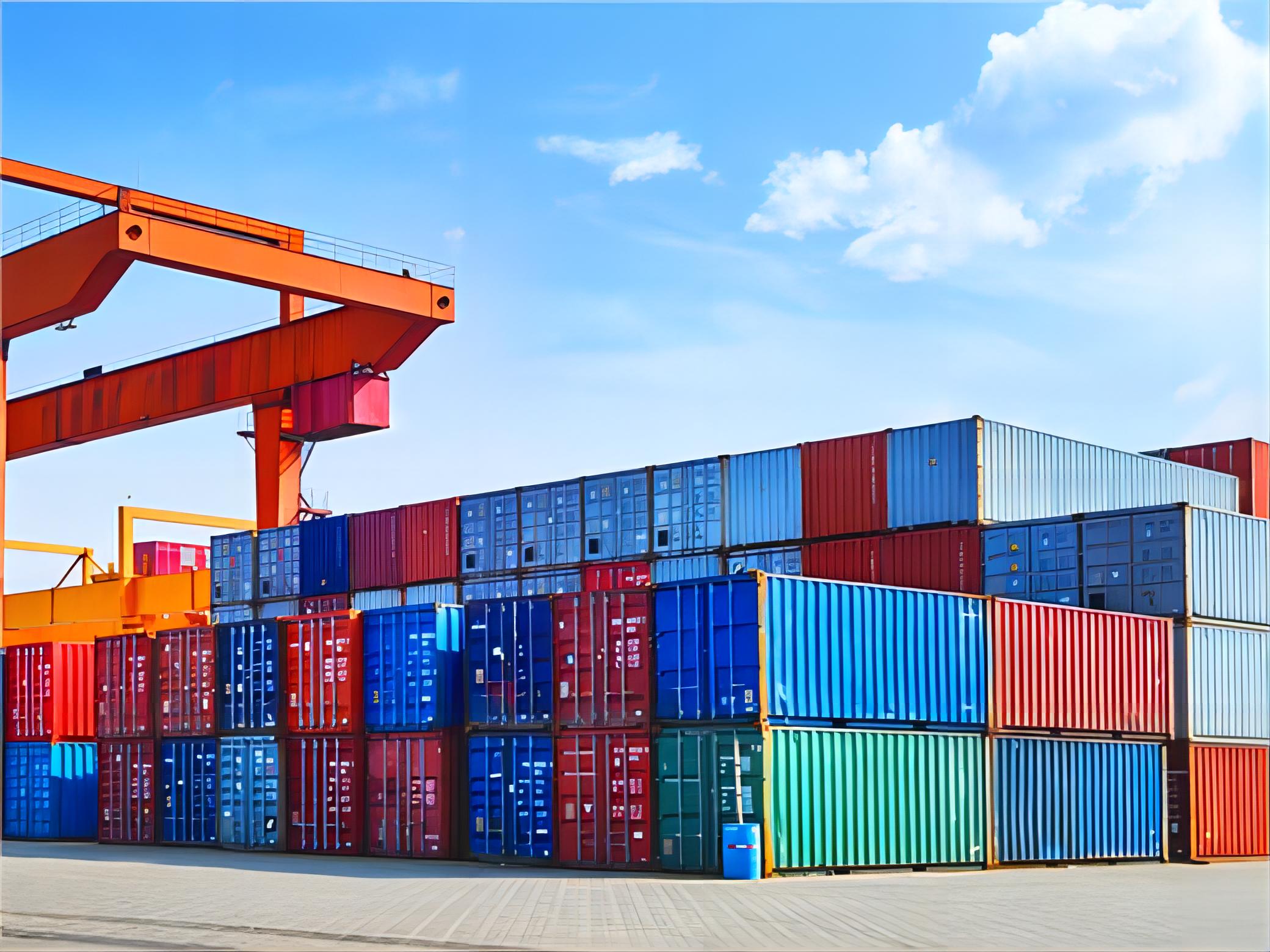
Shipping auto parts via a 40GP Full Container Load (FCL) offers significant advantages. Your cargo occupies an entire container, ensuring security and dedicated space. Consequently, this is often the most cost-effective solution for larger volumes of sea freight. A 40GP container (40x8x8.5 feet) is ideal for substantial quantities of auto parts, from engine components to body panels. Utilizing FCL means goods are not consolidated, potentially reducing handling and transit risks.

Shipments generally originate from major Chinese ports (Shanghai, Ningbo, Shenzhen) to key French ports (Le Havre, Marseille). Direct routes minimize transit time, though transshipment options via hubs like Singapore or Port Klang may be available, extending durations. The average 40GP FCL transit time for auto parts from China to France typically ranges from 30 to 38 days port-to-port, varying by origin, destination, carrier, and route type.
Key Factors Influencing Your Shipping Schedule and Costs
Several critical factors significantly impact the actual 40GP FCL transit time and overall shipping costs for auto parts. Understanding these elements is essential for planning and budgeting. Proactive management prevents unexpected delays and expenses.
Port congestion in China or France can cause significant delays, extending the delivery schedule. Peak shipping seasons (e.g., Chinese New Year, Q4 holiday rush) lead to increased demand and bottlenecks. Planning shipments outside these periods often mitigates such risks. The choice of ocean carrier also influences transit time and freight rates, with some offering faster, premium services and others providing more economical options. Balancing speed with cost is a crucial supply chain decision.
Adverse weather, such as typhoons or Atlantic storms, can disrupt schedules. Geopolitical events like the 2024 Red Sea disruptions force longer routes, considerably increasing transit times and shipping costs. Accurate and complete documentation is paramount for smooth customs clearance; discrepancies lead to significant delays. Partnering with an experienced freight forwarder is highly recommended.
How Does 40GP FCL Sea Freight Compare to Other Shipping Options?
When importing auto parts from China to France, businesses have several logistics options beyond 40GP FCL sea freight. Each method presents a unique balance of speed, cost, and capacity. Selecting the most suitable approach depends heavily on your specific needs and urgency.
| Shipping Method | Cost Range (40GP/1000kg) | Transit Time | Best For | Limitations |
|---|---|---|---|---|
| FCL Sea Freight | $2,800-4,200 | 30-38 days | Large volume, non-urgent, cost-sensitive auto parts | Slowest, port congestion risk |
| LCL Sea Freight | $50-80/CBM | 35-45 days | Smaller volumes (under 15 CBM), flexible delivery schedule | Longer transit, more handling, higher per CBM cost |
| Rail Freight | $6,000-9,000 | 18-25 days | Medium urgency, mid-sized shipments, specific European destinations | Limited routes, higher cost than sea, less capacity than FCL |
| Air Freight | $8,000-15,000+ | 3-7 days | Urgent, high-value, small volume auto parts (e.g., prototypes) | Most expensive, strict weight/volume limits, higher carbon footprint |
Navigating Customs and Documentation for Auto Parts Shipments to France
Efficient customs clearance is a cornerstone of smooth international shipping for auto parts. Delays at customs significantly impact your overall 40GP FCL transit time for auto parts from China to France. Thus, meticulous preparation and understanding of import regulations are essential.
Key documents include the Commercial Invoice, Packing List, Bill of Lading, and Certificate of Origin; specific auto parts may require additional certifications. Import duties on auto parts vary by Harmonized System (HS) codes, and VAT applies upon importation, calculated on customs value plus duty. Accurate HS classification is crucial. Engaging a professional customs brokerage service is highly recommended. Experts manage clearance, resolve issues, and ensure compliance, minimizing delays and avoiding costly penalties for complex auto parts shipments.
Optimizing Your Supply Chain: Real-World Case Studies
Examining real-world scenarios provides practical insights into managing the 40GP FCL transit time for auto parts from China to France. These case studies illustrate how different decisions impact costs, timelines, and supply chain efficiency.
Case Study 1: Large Volume, Cost-Sensitive Auto Body Panels
This scenario highlights FCL sea freight’s effectiveness for bulk components where cost is a primary driver.
| Detail | Description |
|---|---|
| Route | Shanghai, China -> Le Havre, France |
| Cargo | Auto body panels (doors, fenders), 58 CBM, 15,000 kg |
| Container | 40GP FCL |
| Shipping Details | Carrier/Service: Major carrier (e.g., COSCO); Port of Loading: Shanghai; Port of Discharge: Le Havre; Route Type: Direct |
| Cost Breakdown (Based on Q3 2024 market rates) | Ocean Freight: $3,500; Origin Charges: $450; Destination Charges: $600; Customs & Duties (estimated): $1,200; Total Landed Cost: $5,750 |
| Timeline | Booking to Loading: 5 days; Sea Transit: 32 days; Customs Clearance: 3 days; Total Door-to-Door: 40 days |
| Key Insight | Direct FCL provided optimal balance of cost and a reliable 40GP FCL transit time for auto parts. Advance booking during peak season was crucial. |
Case Study 2: Mixed Cargo of Engine Components and Electronics
This case demonstrates the value of consolidated FCL for diverse auto parts, balancing cost with specialized handling.
| Detail | Description |
|---|---|
| Route | Shenzhen, China -> Marseille, France |
| Cargo | Engine blocks, ECUs, wiring harnesses; 52 CBM, 12,000 kg |
| Container | 40GP FCL |
| Shipping Details | Carrier/Service: Major carrier (e.g., MSC); Port of Loading: Shenzhen; Port of Discharge: Marseille; Route Type: Transshipment via Port Klang |
| Cost Breakdown (Typical rates as of early 2025) | Ocean Freight: $3,200; Origin Charges: $420; Destination Charges: $580; Customs & Duties (estimated): $1,500; Total Landed Cost: $5,700 |
| Timeline | Booking to Loading: 7 days; Sea Transit: 38 days; Customs Clearance: 4 days; Total Door-to-Door: 49 days |
| Key Insight | Transshipment offered better rates, but added 6 days to the 40GP FCL transit time for auto parts. Careful planning for sensitive electronics was essential. |
Case Study 3: Door-to-Door Delivery for a Small Distributor
This example showcases the convenience and efficiency of a comprehensive door-to-door service, simplifying logistics for the importer.
| Detail | Description |
|---|---|
| Route | Ningbo, China -> Lyon, France (via Le Havre Port) |
| Cargo | Chassis parts, suspension components; 60 CBM, 16,000 kg |
| Container | 40GP FCL |
| Shipping Details | Carrier/Service: Integrated logistics provider; Port of Loading: Ningbo; Port of Discharge: Le Havre; Route Type: Direct (followed by inland transport) |
| Cost Breakdown (Based on Q1 2025 market rates) | Ocean Freight: $3,800; Origin Charges: $480; Destination Charges (incl. inland transport): $1,200; Customs & Duties (estimated): $1,400; Total Landed Cost: $6,880 |
| Timeline | Booking to Loading: 6 days; Sea Transit: 33 days; Customs Clearance: 2 days; Inland Transport: 3 days; Total Door-to-Door: 44 days |
| Key Insight | A comprehensive door-to-door service streamlined the entire process, including inland transportation, providing a predictable total 40GP FCL transit time for auto parts. |
Which Option Should You Choose for Your Auto Parts Shipment?
Determining the ideal shipping strategy for your auto parts from China to France requires careful consideration. Your decision framework should prioritize your business’s unique needs. Balancing cost, speed, and cargo characteristics will guide your choice.
For budget priority, FCL sea freight is most economical for large volumes; consolidating orders into a 40GP FCL reduces per-unit costs. LCL sea freight is budget-friendly for smaller consignments. Speed priority dictates air freight for urgent auto parts, indispensable for time-sensitive production or high-value items where delay costs outweigh shipping expense.
Cargo type considerations are also vital. Fragile parts (ECUs, sensors) benefit from reduced FCL handling. Heavy or oversized components (engine blocks, chassis frames) are best for FCL sea freight. Hazardous materials require specialized handling. For volumes between 15-25 CBM, a cost-benefit analysis between LCL and FCL is recommended. Hybrid solutions like sea-air offer a faster alternative to pure sea freight at a lower cost than pure air freight.
Market Insights, Cost Considerations, and Future Trends
The global logistics landscape is dynamic, constantly influenced by market forces. Staying informed is crucial for effective planning of your 40GP FCL transit time for auto parts from China to France and managing freight rates.
As of Q1 2025, freight rates from China to Europe have stabilized after Red Sea disruptions, though geopolitical tensions and carrier capacity still influence pricing. Rates typically experience seasonal increases (e.g., 15-25% during August-October peak season, or pre-Chinese New Year). Planning shipments around these periods saves costs. To mitigate rising shipping costs, consider long-term contracts, optimizing container loading (maximizing cubic capacity in your 40GP FCL), and exploring consolidation options.
The automotive supply chain is evolving, with increasing focus on sustainability and digitalization. Expect more green shipping initiatives and advanced tracking technologies. These innovations will further enhance transparency and efficiency in managing import/export of auto parts.
Note: Freight rates are subject to change based on fuel costs, carrier capacity, and seasonal demand. Contact us for a current quote tailored to your specific shipment.
Conclusion
Managing the 40GP FCL transit time for auto parts from China to France effectively is vital for businesses in the automotive sector. By understanding key factors, comparing transport methods, and navigating customs efficiently, you can significantly enhance your supply chain’s reliability and cost-effectiveness. Partnering with China Top Freight ensures your valuable auto components reach their destination on time and within budget.
Need a tailored shipping solution?
Ready to streamline your auto parts imports from China to France? Contact China Top Freight today for a personalized quote and expert guidance. Our team is dedicated to optimizing your 40GP FCL transit time for auto parts and ensuring a smooth, cost-effective shipping experience.