

FCL Shipping for Solar Panels from China to Europe: Your Complete Guide
Shipping solar panels from China to Europe demands careful planning and reliable logistics. Full Container Load (FCL) shipping offers a robust solution for businesses moving large volumes of these critical components. China Top Freight specializes in streamlining this complex process, ensuring your valuable cargo arrives safely and efficiently.
What is FCL Shipping for Solar Panels?
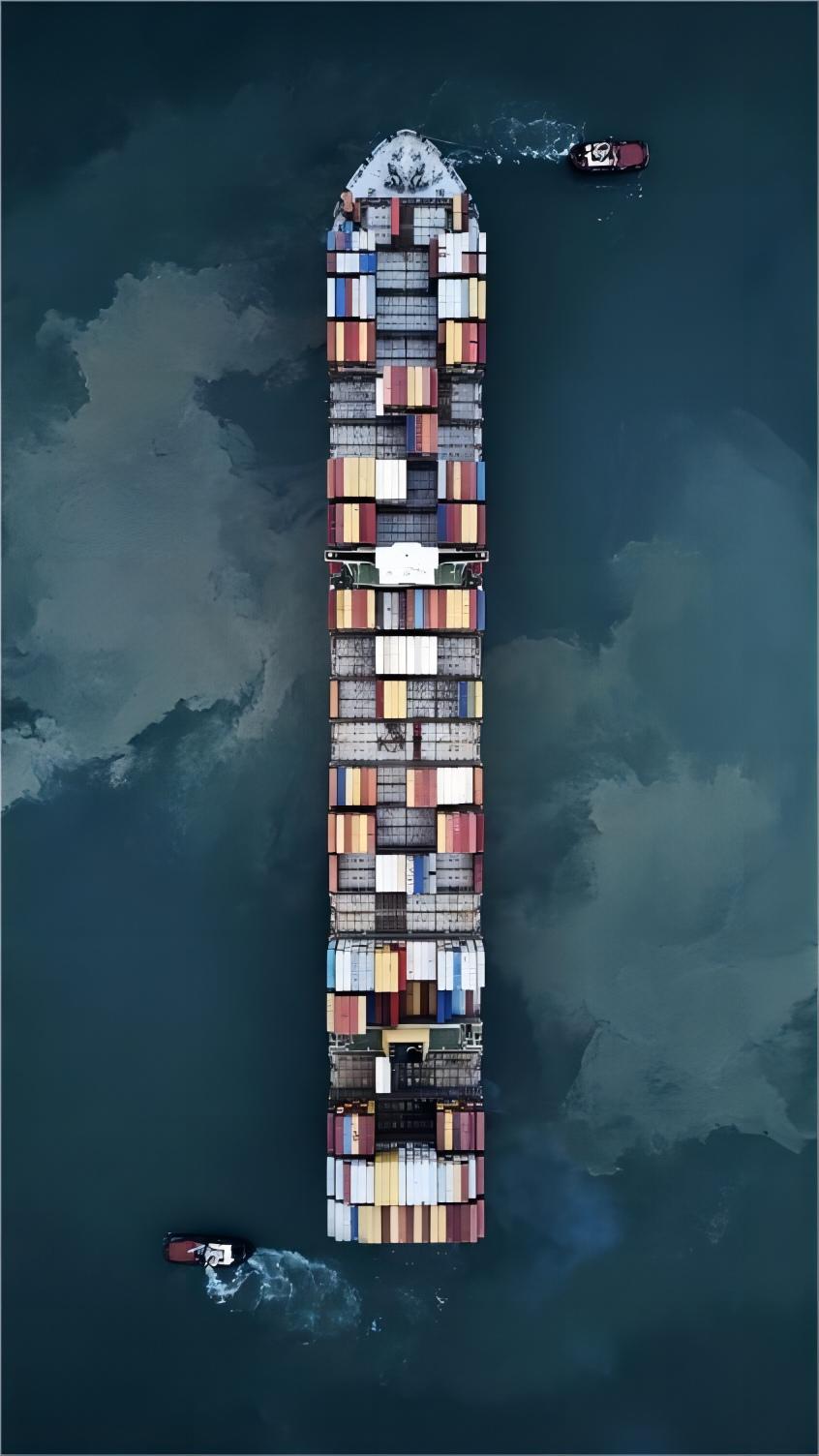
FCL, or Full Container Load, means your solar panels occupy an entire shipping container exclusively. This method is ideal when you have sufficient cargo volume to fill a 20-foot or 40-foot container. Essentially, you pay for the entire container space, regardless of whether it is completely full.
Consequently, FCL shipping provides enhanced security and direct transit, minimizing handling compared to other options. It is particularly suitable for fragile and high-value goods like solar panels. Furthermore, it offers greater control over your shipment’s schedule and route, ensuring a more predictable supply chain.
Why Choose FCL for Your Solar Panel Shipments to Europe?
Opting for FCL shipping for your solar panels offers several distinct advantages, particularly on the China-Europe route. Firstly, it significantly reduces the risk of damage, as your cargo is not consolidated with other shippers’ goods. This means fewer touchpoints and less potential for mishandling.
Secondly, FCL provides superior cost-efficiency for larger volumes, often resulting in a lower per-unit shipping cost. Moreover, it typically leads to faster transit times because containers travel directly from the port of origin to the port of destination. This directness bypasses multiple transshipment points, which can delay Less than Container Load (LCL) shipments.
Key Considerations for FCL Shipping Solar Panels from China to Europe
Successful FCL shipping for solar panels requires careful attention to several critical factors. Understanding these elements ensures a smooth and efficient delivery process. Indeed, proper planning can prevent costly delays and potential damage to your valuable cargo.
Therefore, consider the specific requirements of solar panel logistics, including their fragility and size. Moreover, the choice of container type and port selection significantly impacts overall efficiency and cost. We will explore these aspects in more detail.
Choosing the Right Container Size
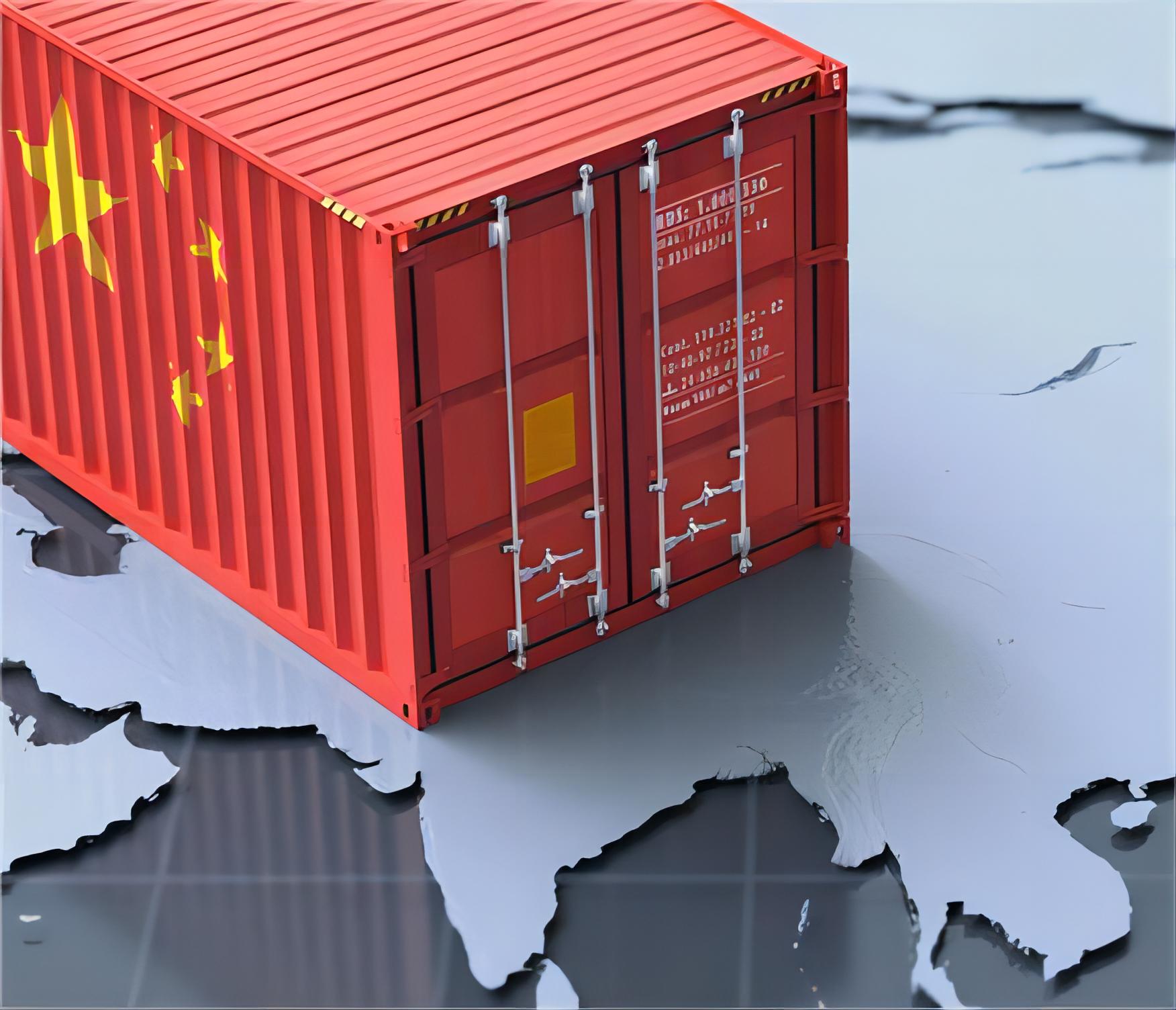
Selecting the appropriate container size is paramount for both cost-effectiveness and cargo safety. Common options include 20-foot General Purpose (20GP), 40-foot General Purpose (40GP), and 40-foot High Cube (40HQ) containers. Each size offers different capacities, impacting how many solar panels you can ship.
A 20GP container holds approximately 28-30 CBM, while a 40GP offers around 58-60 CBM. For larger or bulkier panels, a 40HQ container, with its 68-70 CBM capacity, provides extra vertical space. Calculating your exact volume ensures you avoid paying for unused space or, conversely, needing multiple containers unnecessarily.
Optimizing Your Shipping Route and Ports
The route from China to Europe involves major shipping lanes and a network of key ports. Popular Chinese departure ports include Shanghai, Ningbo, Shenzhen, and Qingdao. Conversely, major European arrival ports often include Rotterdam (Netherlands), Hamburg (Germany), Antwerp (Belgium), and Felixstowe (UK).
Direct routes generally offer faster transit times, albeit sometimes at a higher cost. Transshipment via hubs like Singapore or Colombo can be more economical but may add several days to the overall journey. Evaluating the trade-off between speed and cost is crucial for your supply chain strategy.
Understanding the FCL Shipping Process
The FCL shipping process from China to Europe involves several distinct stages, each requiring meticulous coordination. Initially, booking your container and arranging for cargo pickup from the supplier is essential. Subsequently, the panels are loaded and secured within the container at the factory or a designated warehouse.
After loading, the container moves to the port of loading for customs clearance and vessel departure. The ocean transit phase is the longest part of the journey, followed by arrival at the European port. Finally, local customs clearance and onward delivery to your final destination complete the process. This integrated approach ensures seamless movement of goods.
For comprehensive support throughout this journey, consider our dedicated door-to-door services. We manage every step, from pickup in China to final delivery in Europe, simplifying your logistics. This full-service approach minimizes your administrative burden and ensures consistent oversight.
Essential Documentation Requirements
Proper documentation is paramount for smooth FCL shipping and customs clearance. Key documents include the Commercial Invoice, Packing List, and Bill of Lading (B/L). Additionally, a Certificate of Origin is often required, proving where the solar panels were manufactured. Furthermore, any specific certifications for solar panel components may be necessary for European import.
For instance, CE certification is mandatory for many products entering the European Economic Area. Without a doubt, accurate and complete documentation prevents delays at customs, ensuring your shipment proceeds without interruption. Therefore, meticulous preparation of these papers is non-negotiable.
How Does FCL Shipping Compare to Other Options?
When shipping solar panels from China to Europe, FCL is not the only option, though often the most suitable for large volumes. Understanding the alternatives helps in making an informed decision based on your specific needs. Each method presents unique advantages and limitations concerning cost, speed, and suitability for different cargo types.
For example, while FCL offers economy for bulk, other methods might be better for smaller shipments or urgent deliveries. Therefore, evaluating these comparisons is crucial for optimizing your supply chain. We will examine the main alternatives, including LCL, air freight, and rail freight.
| Shipping Method | Cost Range (per 40HQ/CBM) | Transit Time (China-Europe) | Best For | Limitations |
|---|---|---|---|---|
| FCL Sea Freight | $3,000-4,200 (40HQ) | 28-35 days | Large volumes, cost-efficiency, fragile goods | Longer transit times than air/rail |
| LCL Sea Freight | $50-80 (per CBM) | 35-45 days | Small to medium shipments (under 15 CBM) | More handling, potential delays, higher per-unit cost for large volumes |
| Rail Freight | $7,000-10,000 (40HQ) | 16-20 days | Time-sensitive but not urgent cargo, specific inland destinations | Higher cost than sea, limited capacity, specific routes only |
| Air Freight | $15,000-25,000 (equivalent 40HQ volume) | 5-7 days | Urgent, high-value, small volume shipments | Very high cost, lower cargo capacity, environmental impact |
Navigating Customs and Regulations in Europe for Solar Panels
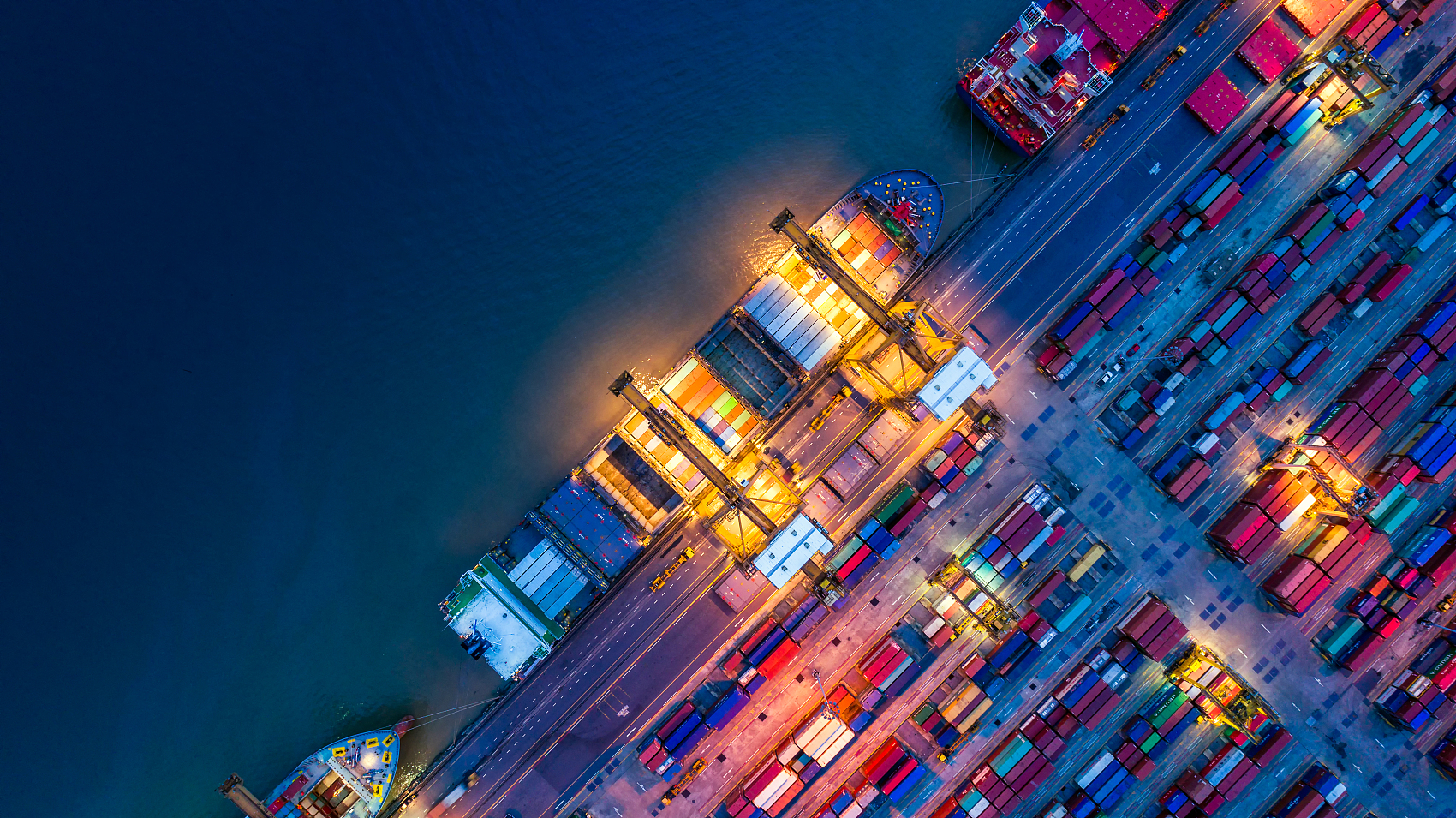
Importing solar panels into Europe involves adhering to a complex framework of customs regulations and standards. Compliance is not optional; it is essential to avoid penalties, delays, and even cargo confiscation. Therefore, understanding the specific requirements of your destination country within Europe is paramount.
For instance, you must correctly declare the value of your goods for customs duties and VAT calculation. Furthermore, the European Union has specific product safety and environmental standards that solar panels must meet. Engaging experienced customs brokerage services can significantly streamline this process and prevent unforeseen issues. We help ensure all necessary documentation and certifications are in order.
Moreover, tariffs and duties on solar panels can vary based on origin and specific product classifications. Accurate Harmonized System (HS) codes are critical for correct duty assessment. Staying informed about trade agreements and potential anti-dumping duties is also vital for managing import costs effectively. This proactive approach minimizes financial surprises.
Real-World FCL Shipping Success Stories
These case studies illustrate the practical application of FCL shipping for solar panels, highlighting typical routes, costs, and timelines. They provide tangible examples of successful logistics operations from China to Europe. These scenarios reflect current market conditions and common challenges.
Note: Freight rates are subject to change based on fuel costs, carrier capacity, and seasonal demand. Contact us for a current quote tailored to your specific shipment.
Case Study 1: Large-Scale Solar Farm Project
| Detail | Description |
|---|---|
| Route | Shanghai, China -> Rotterdam, Netherlands |
| Cargo | Monocrystalline Solar Panels, 65 CBM, 25,000 kg |
| Container | 40HQ |
| Shipping Details | |
| – Carrier/Service | COSCO (Major carrier) |
| – Port of Loading | Shanghai |
| – Port of Discharge | Rotterdam |
| – Route Type | Direct |
| Cost Breakdown (Based on Q3 2024 rates) | |
| – Ocean Freight | $3,850 |
| – Origin Charges | $320 |
| – Destination Charges | $450 |
| – Customs & Duties (estimated) | $1,200 |
| – Total Landed Cost | $5,820 |
| Timeline | |
| – Booking to Loading | 5 days |
| – Sea Transit | 30 days |
| – Customs Clearance | 3 days |
| – Total Door-to-Door | 38 days |
| Key Insight | Efficient direct route minimized transit time crucial for project deadlines. |

Case Study 2: Distributed Rooftop Solar Installations
| Detail | Description |
|---|---|
| Route | Ningbo, China -> Hamburg, Germany |
| Cargo | Polycrystalline Solar Panels & Inverters, 55 CBM, 22,000 kg |
| Container | 40GP |
| Shipping Details | |
| – Carrier/Service | MSC (Major carrier) |
| – Port of Loading | Ningbo |
| – Port of Discharge | Hamburg |
| – Route Type | Transshipment via Singapore |
| Cost Breakdown (Typical rates as of early 2025) | |
| – Ocean Freight | $3,100 |
| – Origin Charges | $290 |
| – Destination Charges | $410 |
| – Customs & Duties (estimated) | $1,050 |
| – Total Landed Cost | $4,850 |
| Timeline | |
| – Booking to Loading | 7 days |
| – Sea Transit | 35 days |
| – Customs Clearance | 4 days |
| – Total Door-to-Door | 46 days |
| Key Insight | Strategic transshipment reduced ocean freight costs by 10% for flexible delivery schedule. |
Case Study 3: Specialized Off-Grid Solar Systems
| Detail | Description |
|---|---|
| Route | Shenzhen, China -> Felixstowe, UK |
| Cargo | Thin-Film Solar Panels, 25 CBM, 10,000 kg |
| Container | 20GP |
| Shipping Details | |
| – Carrier/Service | Maersk (Major carrier) |
| – Port of Loading | Shenzhen |
| – Port of Discharge | Felixstowe |
| – Route Type | Direct |
| Cost Breakdown (Based on Q1 2025 market rates) | |
| – Ocean Freight | $2,400 |
| – Origin Charges | $250 |
| – Destination Charges | $380 |
| – Customs & Duties (estimated) | $900 |
| – Total Landed Cost | $3,930 |
| Timeline | |
| – Booking to Loading | 6 days |
| – Sea Transit | 32 days |
| – Customs Clearance | 3 days |
| – Total Door-to-Door | 41 days |
| Key Insight | Smaller container optimized cost for specific project volume, avoiding overpaying for space. |
Cost Factors in FCL Shipping Solar Panels from China to Europe
The total cost of FCL shipping for solar panels from China to Europe comprises several components. Understanding these factors is crucial for accurate budgeting and cost management. The primary cost is the ocean freight, which fluctuates based on market demand, fuel prices, and carrier capacity. As of Q1 2025, freight rates from China to Europe have stabilized after the 2024 Red Sea disruptions, but remain susceptible to global events.
Additionally, various surcharges contribute to the overall expense. These include Bunker Adjustment Factor (BAF), Currency Adjustment Factor (CAF), and Peak Season Surcharges (PSS), which typically increase 15-25% during August-October. Origin charges cover local handling, documentation, and drayage to the port in China. Similarly, destination charges encompass port fees, customs clearance, and local transport in Europe. For a detailed breakdown of these components, explore our sea freight services.
Moreover, customs duties and taxes, such as VAT, are levied upon import into European countries. These can significantly impact the landed cost of your solar panels. It is important to factor in potential demurrage or detention charges if containers are not cleared or returned promptly. Therefore, a comprehensive cost analysis is vital for effective financial planning.
Which FCL Option Should You Choose?
Deciding on the best FCL shipping strategy depends heavily on your specific business priorities. There is no one-size-fits-all solution; instead, the optimal choice balances various logistical and financial considerations. Evaluating your needs against available options will guide you to the most suitable approach.
For example, consider your budget, urgency, and the unique characteristics of your solar panel cargo. This framework helps streamline the decision-making process for your supply chain. We provide guidance to match your requirements with the most effective shipping solution.
If budget is your primary concern, standard FCL sea freight with a reliable carrier offers the best value for large volumes, prioritizing cost over speed. Conversely, if speed is paramount for urgent project timelines, consider expedited FCL services or even a hybrid solution combining sea and rail freight for quicker transit. For particularly time-sensitive components, air freight remains the fastest, albeit most expensive, option.
Furthermore, cargo type and volume thresholds play a significant role. For substantial shipments of robust solar panels, FCL is almost always the most economical. However, for smaller, consolidated orders or initial samples, LCL might be more appropriate, despite longer transit times and increased handling. Remember, a 20GP container is often sufficient for mid-sized orders, while 40GP or 40HQ containers are ideal for large-scale projects.
Ensuring Safe Transit for Fragile Solar Panels
Solar panels are inherently fragile and require specialized care during transit to prevent damage. Proper packaging and secure loading within the FCL container are critical. Each panel should be individually protected, and pallets must be robustly constructed to withstand vibrations and movements during the journey.
Furthermore, securing the cargo inside the container using dunnage bags, lashing, and bracing prevents shifting. This meticulous attention to detail minimizes the risk of breakage or scratching. Additionally, comprehensive cargo insurance provides financial protection against unforeseen incidents, offering peace of mind. We emphasize these protective measures for every shipment to Europe.
Conclusion: Streamlining Your FCL Shipping for Solar Panels
Effectively managing FCL shipping for solar panels from China to Europe requires strategic planning and a deep understanding of logistics. From selecting the right container to navigating customs and choosing optimal routes, every detail impacts your supply chain’s success. By leveraging FCL, businesses can achieve cost-efficiency, enhanced security, and reliable delivery for their valuable solar cargo.
Partnering with an experienced freight forwarder simplifies these complexities, ensuring your solar panels arrive safely and on schedule. We are committed to providing comprehensive solutions for your renewable energy logistics needs. Ultimately, a well-executed FCL strategy is key to powering Europe’s sustainable future.
Ready to streamline your logistics?
Ready to optimize your FCL shipping for solar panels from China to Europe? Contact us today for a personalized quote and expert guidance. Our team is prepared to offer efficient and reliable logistics solutions tailored to your specific needs. Get in touch to discuss your next shipment.
Request Quote